DIFFLOCKEDTHE REGISTRY BASE MODEL · 1987–92
BASE MODELMilitary · AustraliaAustralia

Perentie 4×4.

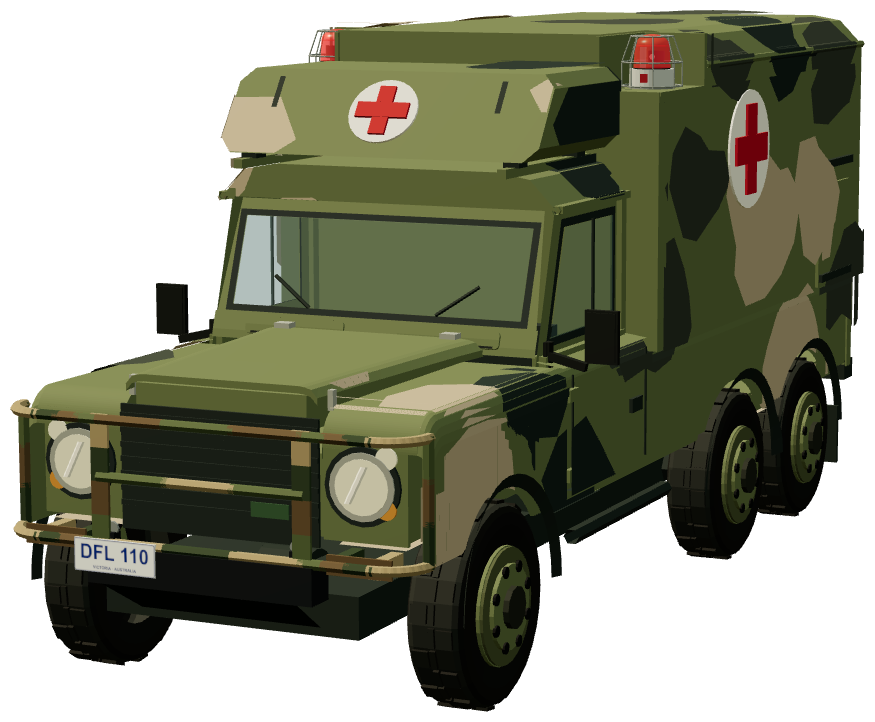
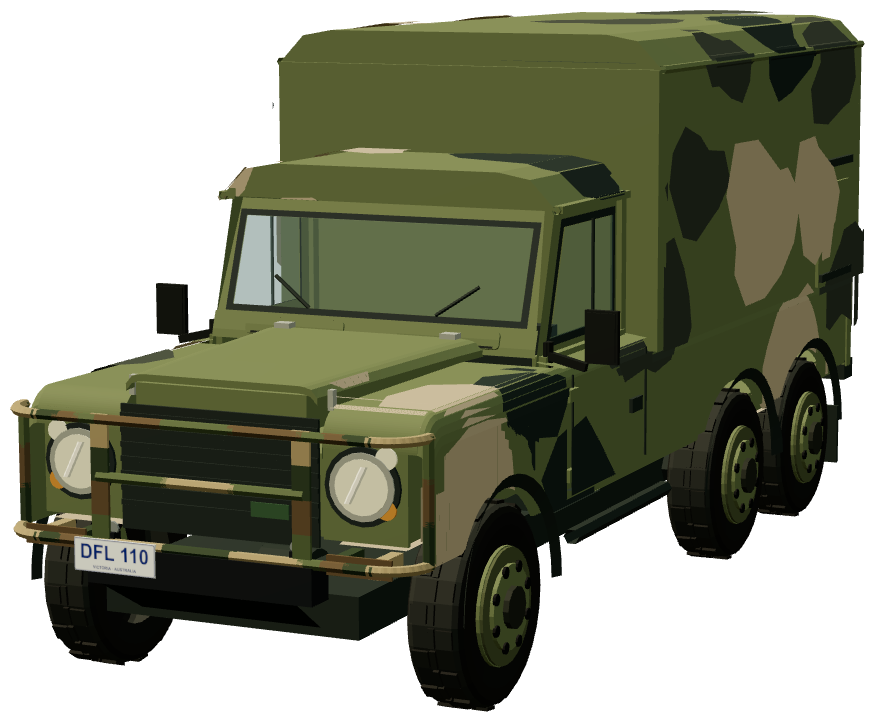
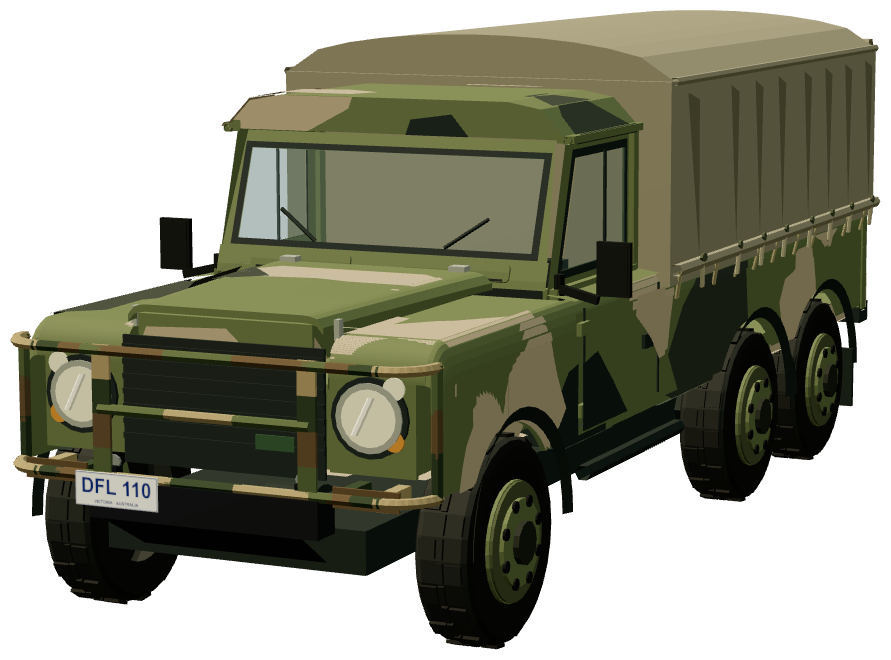
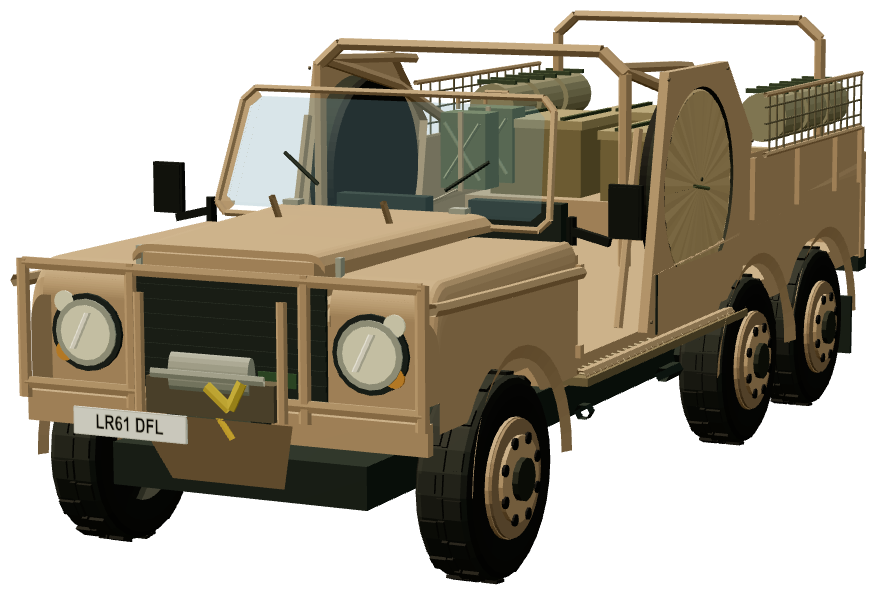
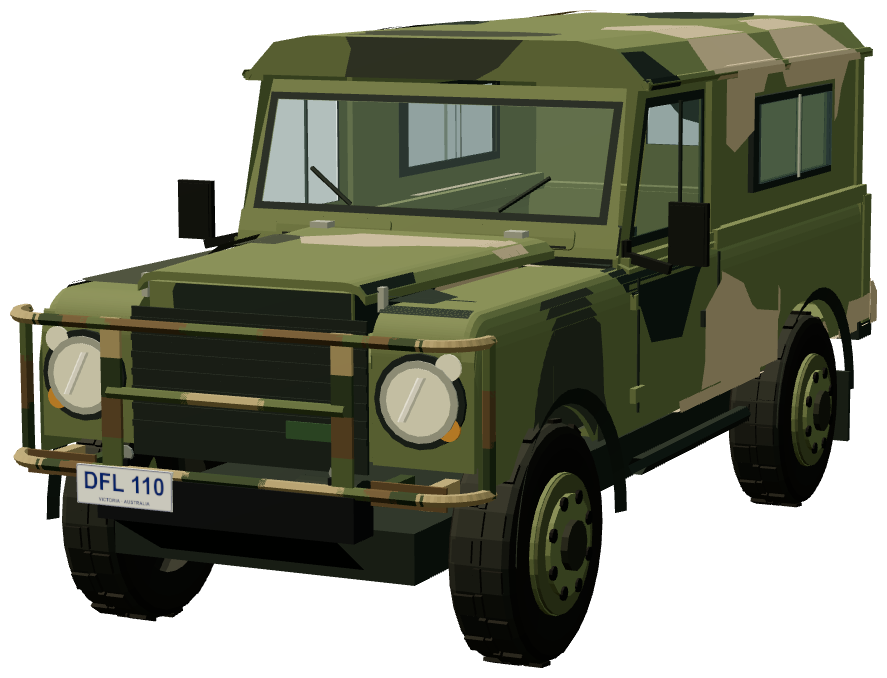
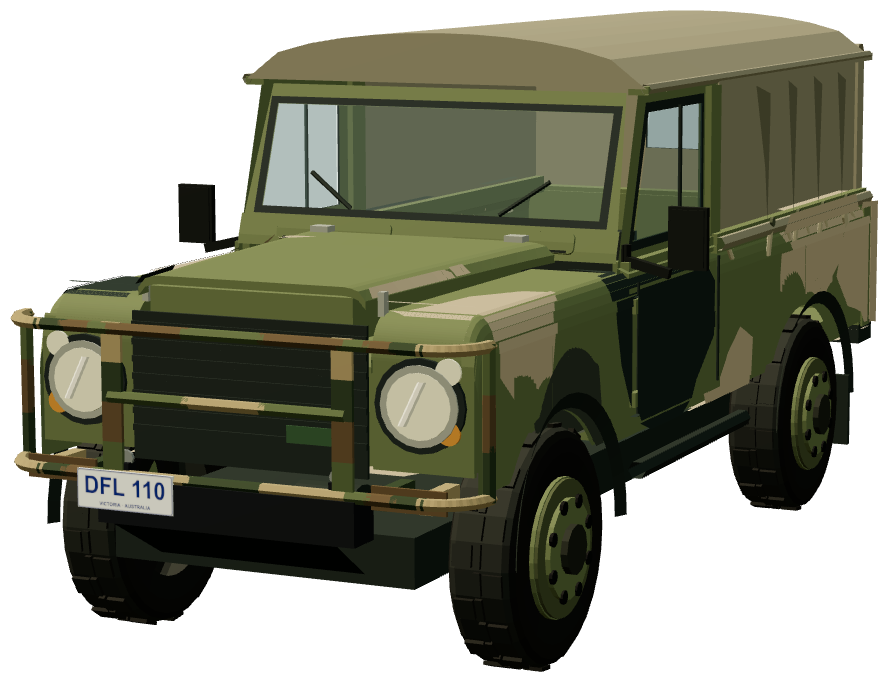
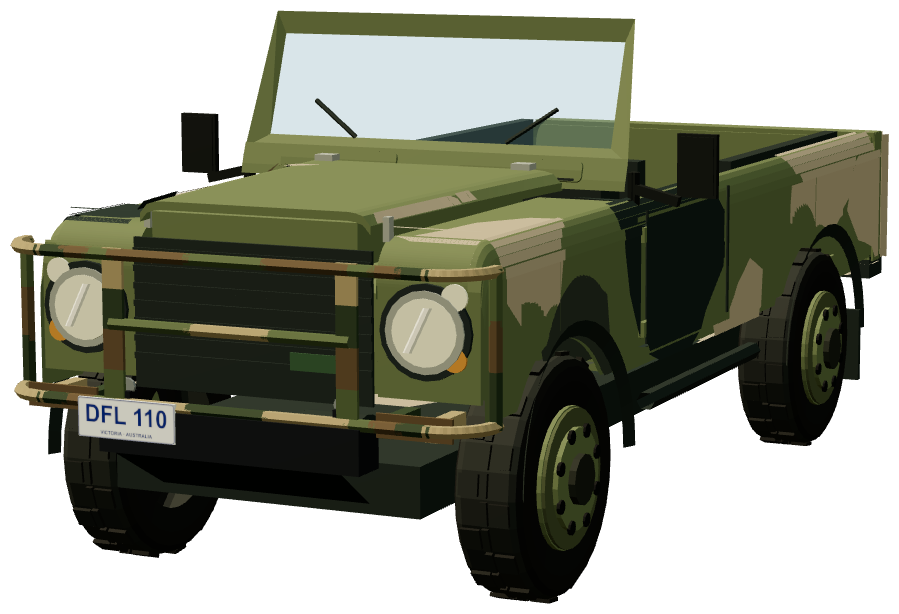
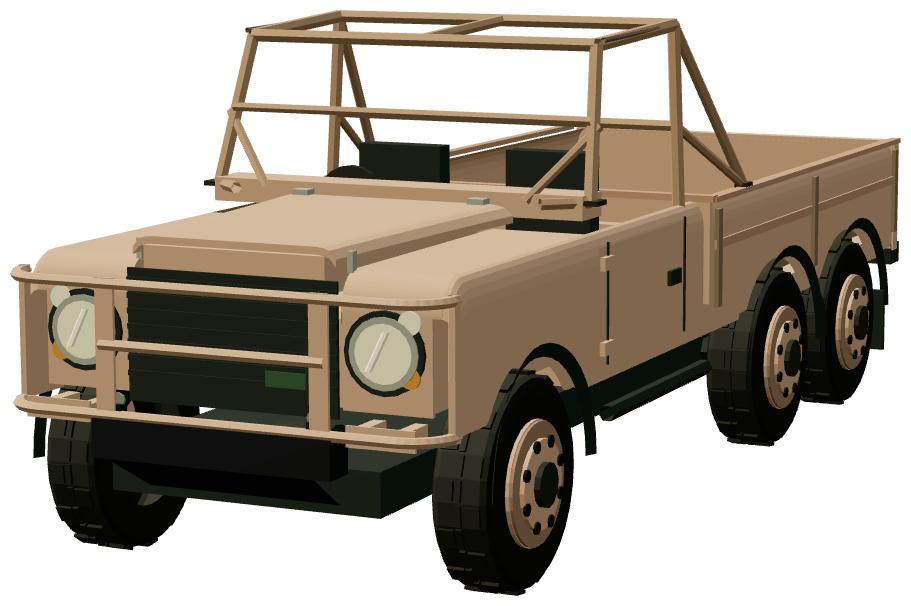
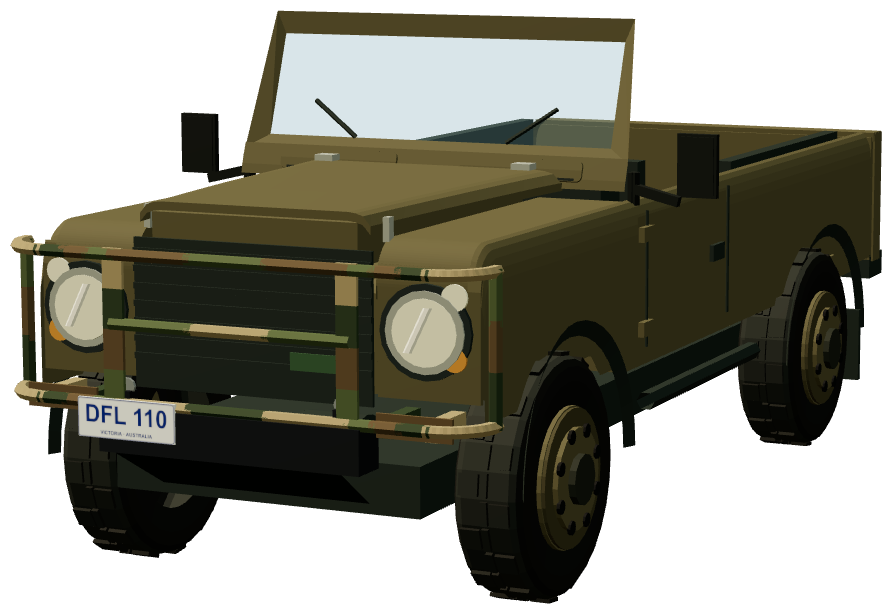
The Australian Army's 'Perentie' 4×4 — a heavily re-engineered Land Rover 110 with a hot-dip galvanised chassis and Isuzu 3.9-litre diesel, built by JRA Limited at Moorebank, NSW. Some 3,023 were delivered from 1987 as general-service utilities, fitted-for-radio trucks and Regional Force Surveillance Vehicles. Open-body configuration of the shared Perentie 4×4 model, with the roof and door tops removed. The Creator offers an optional NAS cage or canvas hoops.

Build one in the CreatorSources & evidence
Perentie 4×4 — front three-quarter view, registry 3D render
MODEL LINEPerentieBUILT BYJRA Limited (Jaguar Rover Australia)PRODUCED1987–92OPERATED INAustraliaPRODUCTION3,023 vehiclesLAYOUT4 wheels

The record

By the late 1970s the Australian Army's fleet of Series 2A and Series 3 Land Rovers was due for replacement, and the Army launched Project Perentie — named after Australia's largest goanna, Varanus giganteus — to select a new family of 1-tonne 4×4 and 2-tonne 6×6 light trucks. Trials commenced in 1981 and formal tenders were called in June 1982; from seven bidders, the Land Rover/Isuzu 110-based contenders were evaluated against the Jeep AM10, the Mercedes-Benz 300GD and the Unimog, with the Toyota Land Cruiser assessed two years later. (The contemporaneous Project Waler was a separate, cancelled program to replace the Army's M113 armoured personnel carriers, not part of the light-vehicle buy.)

The winning tender came from JRA Limited (Jaguar Rover Australia), the Australian licensee and assembler of Land Rover products, whose Perentie team was led by George Fowler at Moorebank, New South Wales. The vehicle was far more than a locally assembled 110: the strengthened chassis was hot-dip galvanised and stressed to survive being lifted by helicopter from a single corner, the axles, gearbox and suspension were uprated, the spare wheel moved under the rear load bed, and the British drivetrain gave way to Isuzu's 3.9-litre 4BD1 four-cylinder diesel — naturally aspirated in the 4×4, turbocharged (4BD1-T) in the 6×6. The contract's Australian-content requirements kept manufacture and assembly at Moorebank, which Rover Australia operated until the plant closed on 30 September 1992 at the end of the build.

The original order covered 2,500 4×4 (1-tonne) and 400 6×6 (2-tonne) vehicles, with 4×4 deliveries beginning in August 1987 and 6×6 deliveries in March 1989; a second, smaller round of contracts in the 1990s took totals to 3,023 4×4s and 699 6×6s. The 4×4 family comprised general-service utilities (1,222 built), winch utilities (314), FFR — fitted-for-radio — trucks (964, plus 208 with winches), survey panel vans (35), senior commander carryalls (11), personnel carriers (38) and 231 open-topped Regional Force Surveillance Vehicles (RFSV), the long-range patrol variant operated by the Army's Regional Force Surveillance Units across northern Australia.

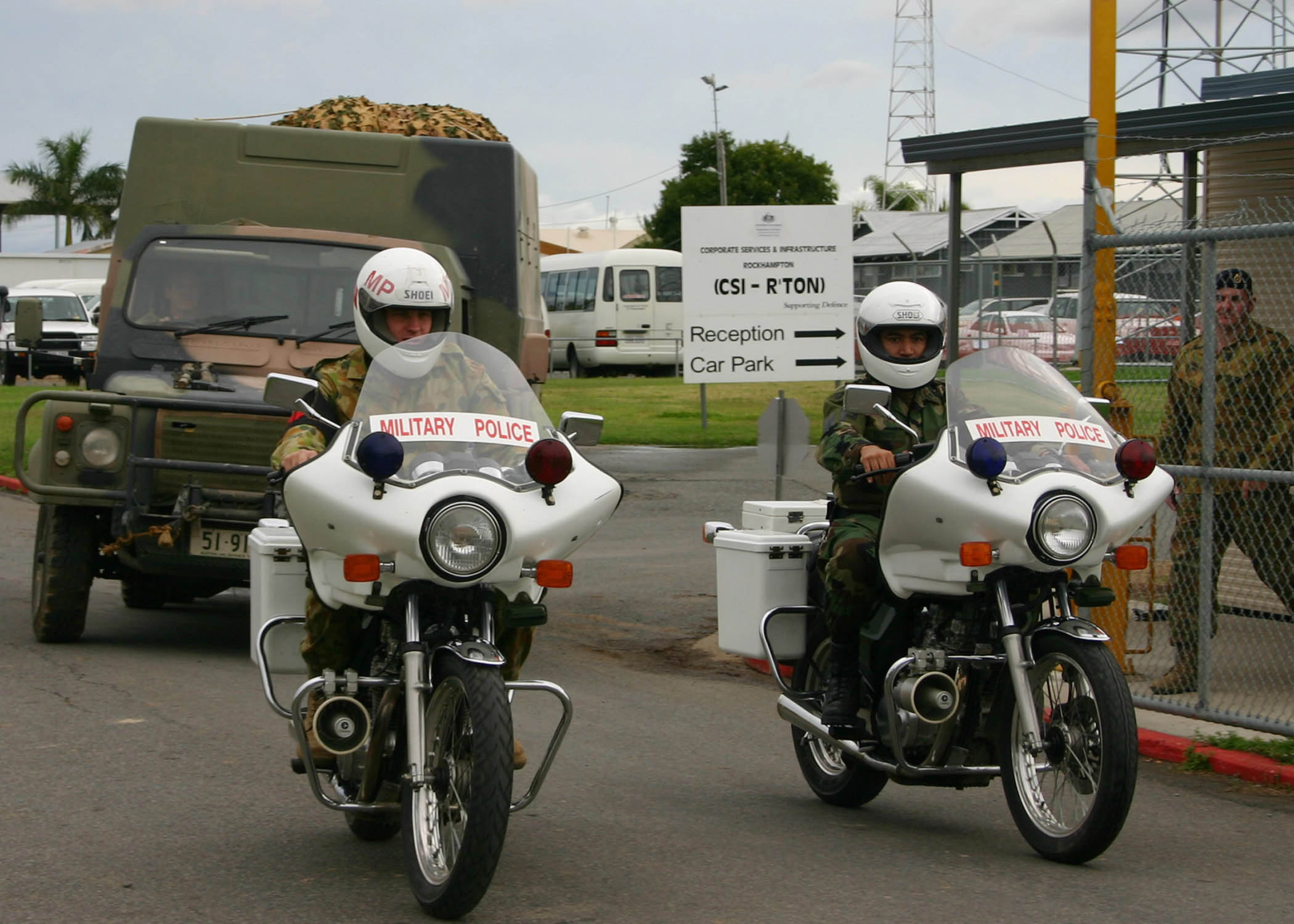
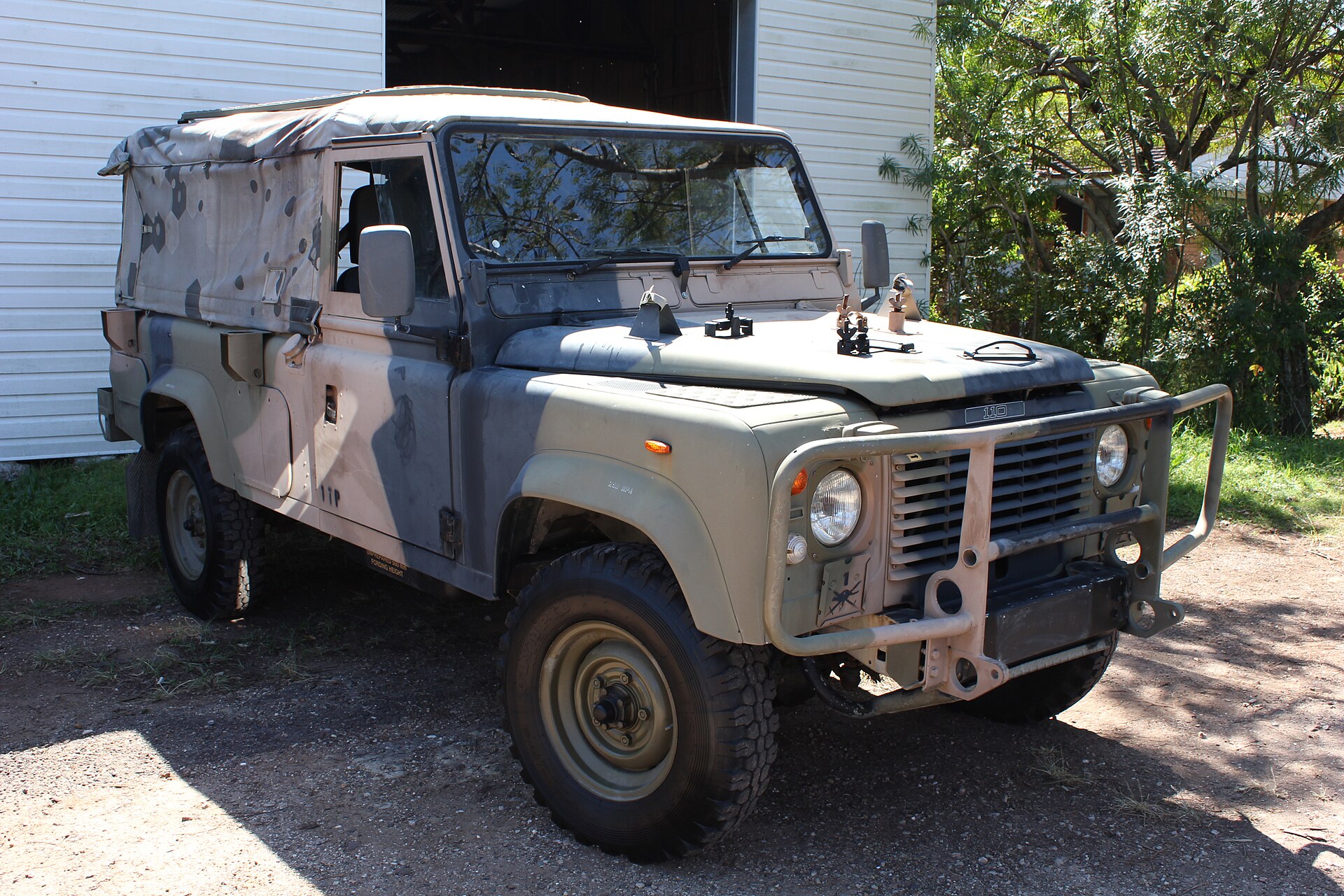
Perenties left the line from 1987 in the Australian Army's post-1967 lustreless olive drab, but early in the production run factory painting switched to the three-colour disruptive-pattern scheme ('Auscam') of camouflage tan and matt black patches over the olive drab base, which became the official fleet scheme and was extended across the whole green fleet through the 1990s. Vehicles deployed on United Nations service — Namibia, Cambodia, Somalia and Rwanda among them — were repainted overall white.

In service the Perentie proved exceptionally durable, deploying to Somalia, Timor-Leste, the Solomon Islands, Iraq and Afghanistan. Lacking protection against land mines and improvised explosive devices, the fleet was progressively replaced by Mercedes-Benz G-Wagons under Project Land 121, with large-scale disposals under way from about 2013. Thousands of ex-Army 4×4s passed cheaply into civilian hands, and the type has since become a sought-after basis for touring and collector vehicles.
Specification

MANUFACTURERJRA Limited (Jaguar Rover Australia) ↗
Moorebank, NSW — under Land Rover licence
MANUFACTURED1987–1992 (deliveries from August 1987; small further batches in the 1990s)
ENGINEIsuzu 4BD1 3.9 L naturally aspirated diesel inline-four (≈89 hp, 244 Nm)
PRODUCTION RUN3,023 vehicles (all 4×4 variants)
COUNTRY OF ORIGINAustralia
OPERATED INAustralia
STATUSretired from ADF service (replaced by Mercedes-Benz G-Wagon under Project Land 121, disposals from c. 2013); widely sold surplus
PAYLOAD1 tonne (Truck, Utility, Lightweight, MC2)
CHASSISstrengthened, hot-dip galvanised; rated for single-point helicopter lift
ENGINE POWER88.5 hp at 3,200 rpm; 180 lb·ft at 1,900 rpm
VARIANTSGS utility (1,222), winch (314), FFR (964), FFR winch (208), survey (35), senior commander (11), personnel carrier (38), RFSV (231)
RECORD KINDBase model
MODEL LINEPerentie
FAMILYPerentie 4×4
WHEELS4
BODY STYLENo roof
VARIANTS2
CATEGORYMilitary · Australia

Catalogue fields describe the vehicle's structure and body as this registry records it. They are not certified factory measurements, and no performance figures are published here.

Body style

Factory colours · pick one to repaint the renders

Codes on hover. Hex values are representative approximations of period paint unless a source states a measured value.

AI rendering impression

An AI rendering impression starts from the registry's own 3D model of this vehicle, which an image model then paints into a scene. It is an artist's impression of the type, made to give a feel for the vehicle in its element — not a photograph, and not a record of any particular vehicle.

Proportions, fittings, markings, colours and the setting can all drift from the original in the process. For the vehicle's actual details, rely on the registry's 3D renders, the specification and the cited sources on this page.

Where it was

AU Australia1987–2012
  1. BuiltJRA Limited, MoorebankAustralia · 1987–1992-33.93, 150.95

Sources

  1. 1Perentie 110 General Service (GS) — nomenclature and liability codes 72500/72510, 1,000 kg payload, eight occupants, single rearward seat distinguishing it from the SRV, unique rear locker and crossmember ↗Registry of Ex-Military Land Rovers (REMLR) · accessed 2026-09-10SOURCE
  2. 2Land Rover 110 — General Service (GS) ARN register (1,211 'Truck, Utility, Lightweight, MC2' and 240 winch vehicles listed) ↗Registry of Ex-Military Land Rovers (REMLR) · accessed 2026-09-10SOURCE
  3. 3Perentie 110 Command Post FFR — records that ARNs 48-008 to 48-033, all GS vehicles, left the line with plain olive drab canopies before disruptive-pattern canopies were fitted from 48-034 ↗Registry of Ex-Military Land Rovers (REMLR) · accessed 2026-09-10SOURCE
  4. 4Land Rover Perentie — variant table giving 1,222 GS and 314 GS winch of 3,023 4×4s; programme, engine and replacement details ↗Wikipedia · accessed 2026-09-10SOURCE
  5. 5Australian Army Vehicle Colour Schemes and Paint — factory olive drab from 1987, switch to Auscam disruptive pattern, Protec paint stock numbers ↗Registry of Ex-Military Land Rovers (REMLR) · accessed 2026-09-10SOURCE
  6. 6Land Rover Perentie (trials from 1981, tenders June 1982; JRA Moorebank; variant details) ↗Truck Encyclopedia · accessed 2026-09-09SOURCE
  7. 7For Sale: An Australian Army Land Rover Perentie – The 'Toughest Land Rover Ever Made' (engine outputs, galvanised chassis, disposal) ↗Silodrome · accessed 2026-09-09SOURCE
  8. 8Who assembled the Landys in OZ (Rover Australia's Moorebank assembly plant closed 30 September 1992) ↗AULRO forum · accessed 2026-09-09SOURCE
  9. 9Project Waler (separate, cancelled 1980–85 M113 replacement project — not part of the light vehicle buy) ↗Wikipedia · accessed 2026-09-09SOURCE
  10. 10
    Series I front body review — series1-bronze and Series I configurations · HERITAGE-FLEET-REFERENCES.md

    User photographs `s1.jpeg`, `imagesj.jpeg`, `25109914-1-55.jpg` and `s1_.jpeg` show the early Series I front: a narrow central wire-mesh radiator grille with inboard headlamps, broad flat-sided wings rolling over a long front radius, one small white sidelight per wing, and a bonnet tapering forward with rounded long side pressings. The shared Series I builder uses these proportions for both wheelbases. This is a visual reference interpretation, not a measured CAD scan.

    NOTES
  11. 11
    Series III front review — standard Series III configurations · HERITAGE-FLEET-REFERENCES.md

    User references `hfhimages.jpeg`, `imagesl.jpeg`, and `IMG_1992-jpg.webp` show the tall tapered central plastic grille with shorter side vents, recessed radiator panel, broad wings with rounded leading edges, inboard wing headlamps and white sidelights above amber indicators. The standard Series III bonnet narrows toward the grille. Stage 1 V8 and Santana retain their distinct flush-front grilles. Meteor Works uses a **Series III front**, not the Series IIA front of the army and RAF Marshall ambulances. Its internal `marshal-series3` shell shares the Marshall coachwork but inherits Series III wings, bonnet, grille, headlamps and outer lamps. Meteor adds only its weathered livery, guard and emergency equipment around that standard front, avoiding duplicated headlamp pods. ### Coachwork front-panel corrections - The Shop Truck and the Marshall family (including Meteor Works and RAF rescue) retain clipped curved side skins through the front wings and doors at their custom body joins. - Queen Elizabeth II’s Series IIA station wagon uses the Series III-style wing-mounted headlights, bonnet and broad black grille shown in the supplied reference. No numberplate is modelled. Reference: `

    NOTES

Registry record updated 2026-09-16T05:55:32.105Z · status: researched