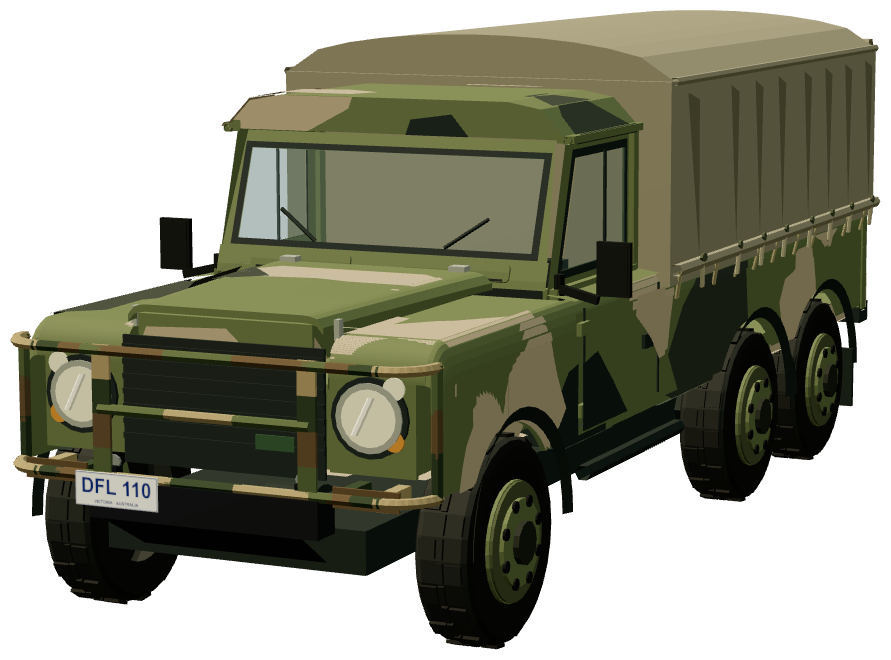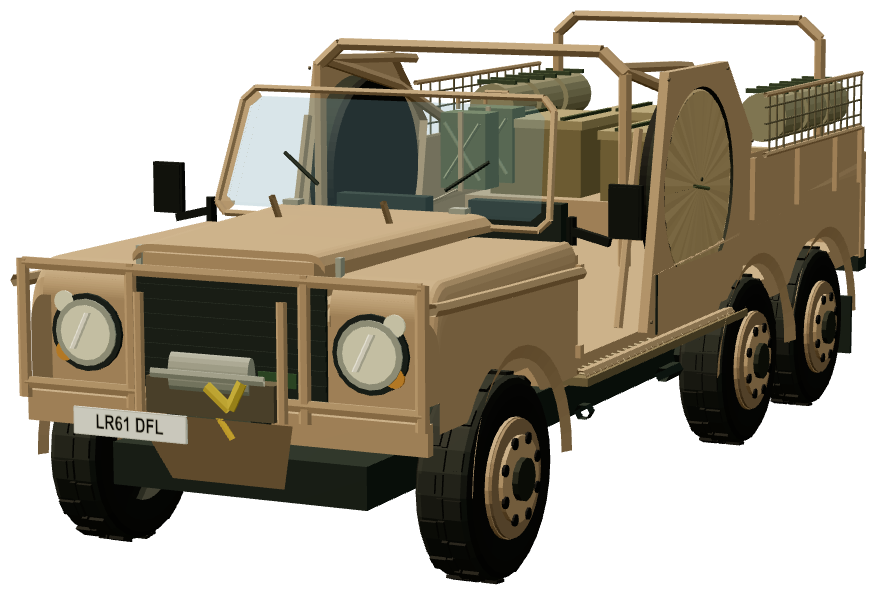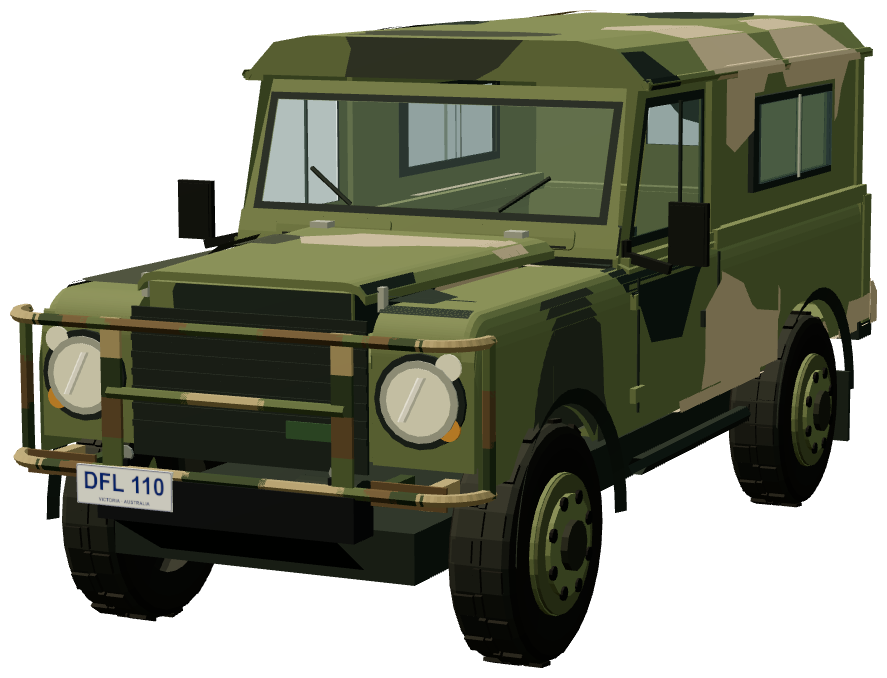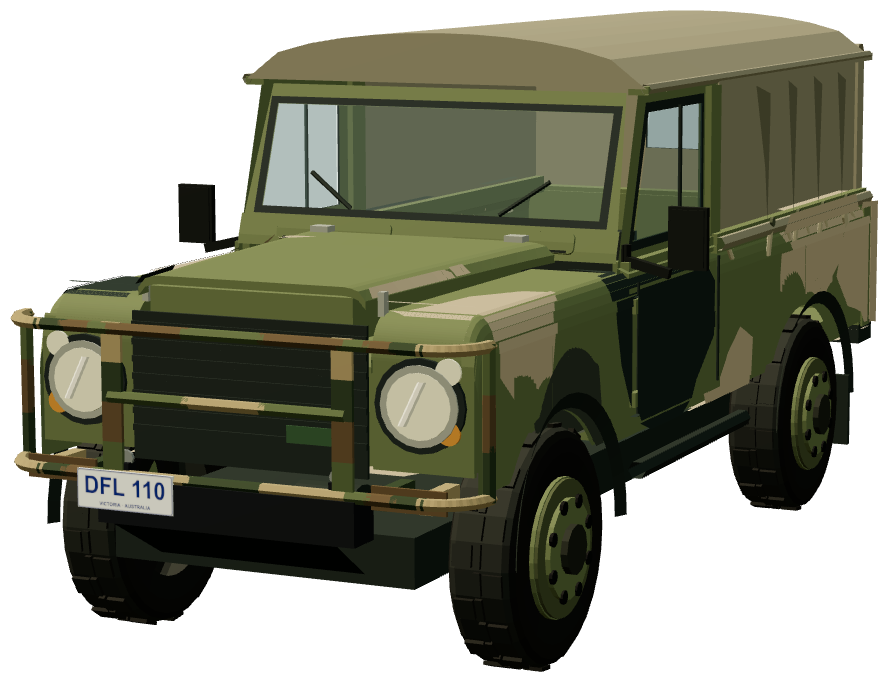
The record
By the late 1970s the Australian Army's fleet of Series 2A and Series 3 Land Rovers was due for replacement, and the Army launched Project Perentie — named after Australia's largest goanna, Varanus giganteus — to select a new family of 1-tonne 4×4 and 2-tonne 6×6 light trucks. Trials commenced in 1981 and formal tenders were called in June 1982; from seven bidders, the Land Rover/Isuzu 110-based contenders were evaluated against the Jeep AM10, the Mercedes-Benz 300GD and the Unimog, with the Toyota Land Cruiser assessed two years later. (The contemporaneous Project Waler was a separate, cancelled program to replace the Army's M113 armoured personnel carriers, not part of the light-vehicle buy.)
The winning tender came from JRA Limited (Jaguar Rover Australia), the Australian licensee and assembler of Land Rover products, whose Perentie team was led by George Fowler at Moorebank, New South Wales. The vehicle was far more than a locally assembled 110: the strengthened chassis was hot-dip galvanised and stressed to survive being lifted by helicopter from a single corner, the axles, gearbox and suspension were uprated, the spare wheel moved under the rear load bed, and the British drivetrain gave way to Isuzu's 3.9-litre 4BD1 four-cylinder diesel — naturally aspirated in the 4×4, turbocharged (4BD1-T) in the 6×6. The contract's Australian-content requirements kept manufacture and assembly at Moorebank, which Rover Australia operated until the plant closed on 30 September 1992 at the end of the build.
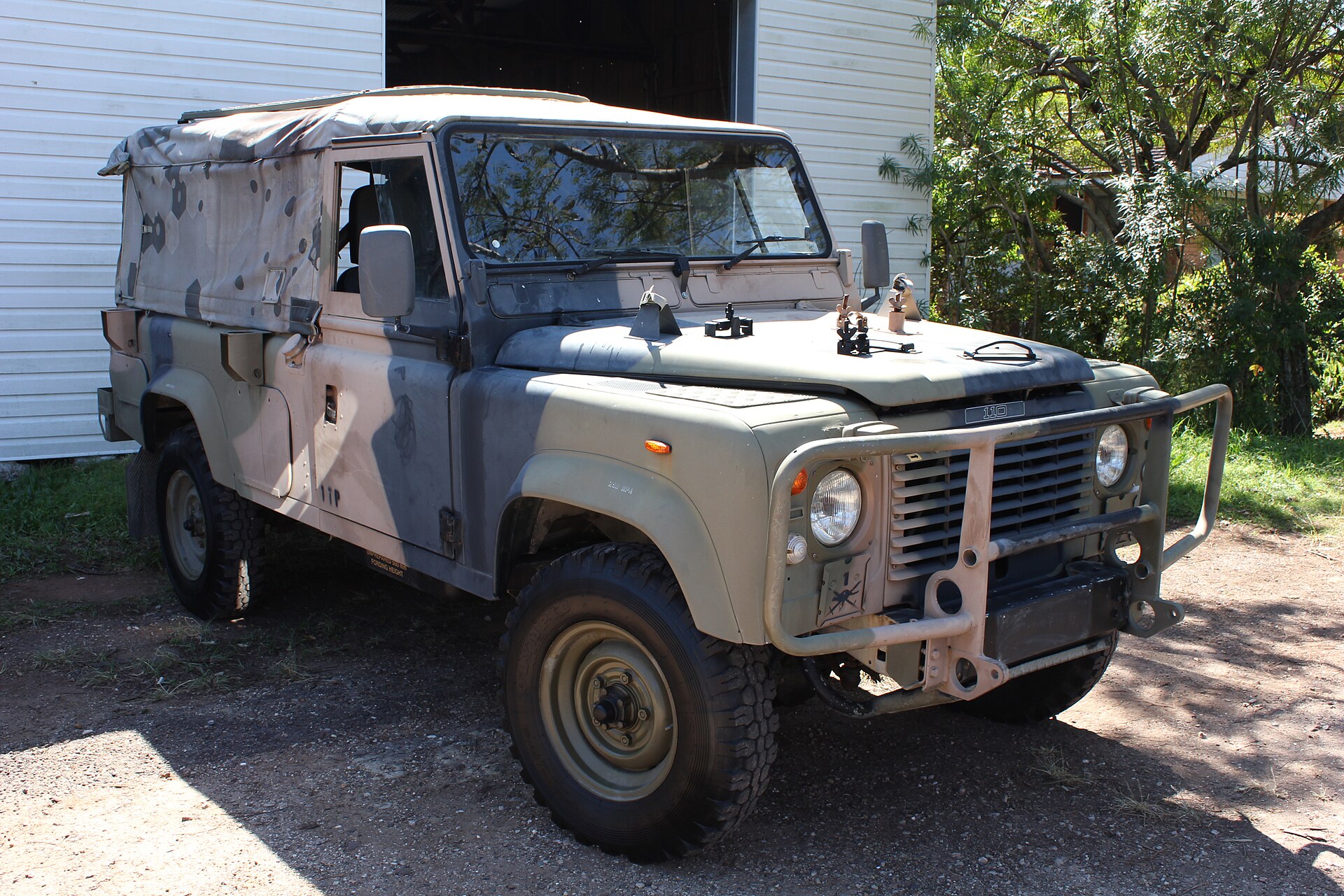
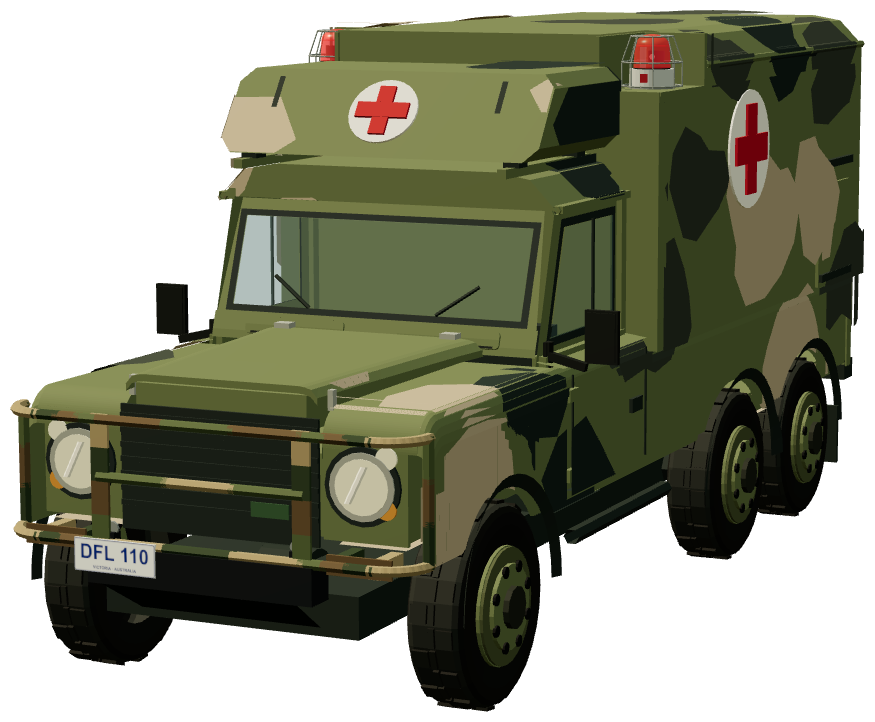
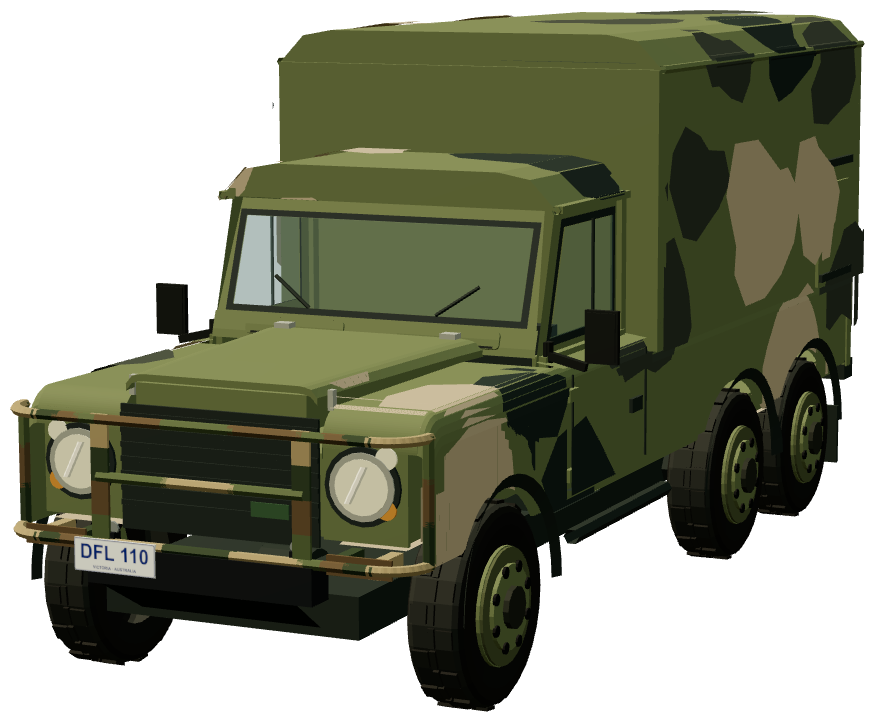
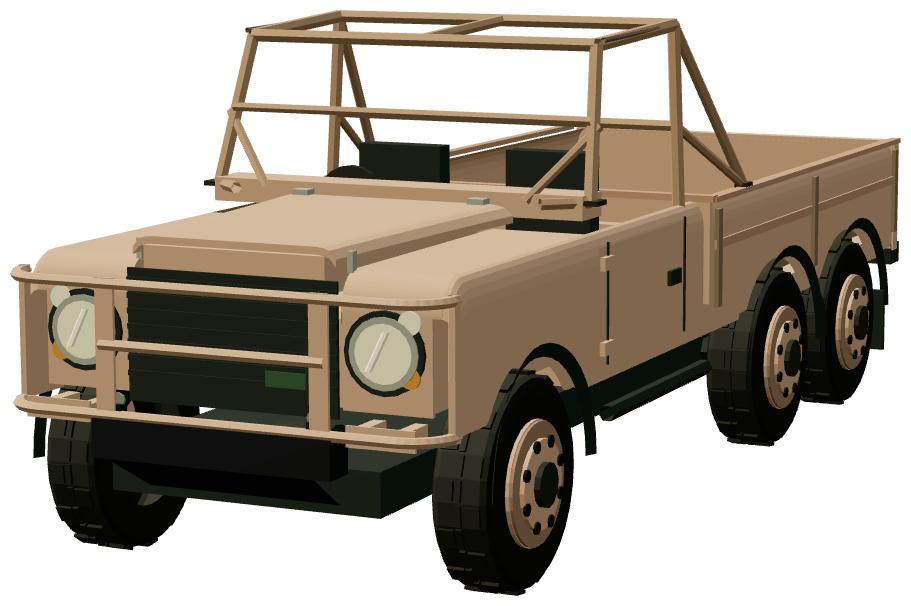
The original order covered 2,500 4×4 (1-tonne) and 400 6×6 (2-tonne) vehicles, with 4×4 deliveries beginning in August 1987 and 6×6 deliveries in March 1989; a second, smaller round of contracts in the 1990s took totals to 3,023 4×4s and 699 6×6s. The 4×4 family comprised general-service utilities (1,222 built), winch utilities (314), FFR — fitted-for-radio — trucks (964, plus 208 with winches), survey panel vans (35), senior commander carryalls (11), personnel carriers (38) and 231 open-topped Regional Force Surveillance Vehicles (RFSV), the long-range patrol variant operated by the Army's Regional Force Surveillance Units across northern Australia.
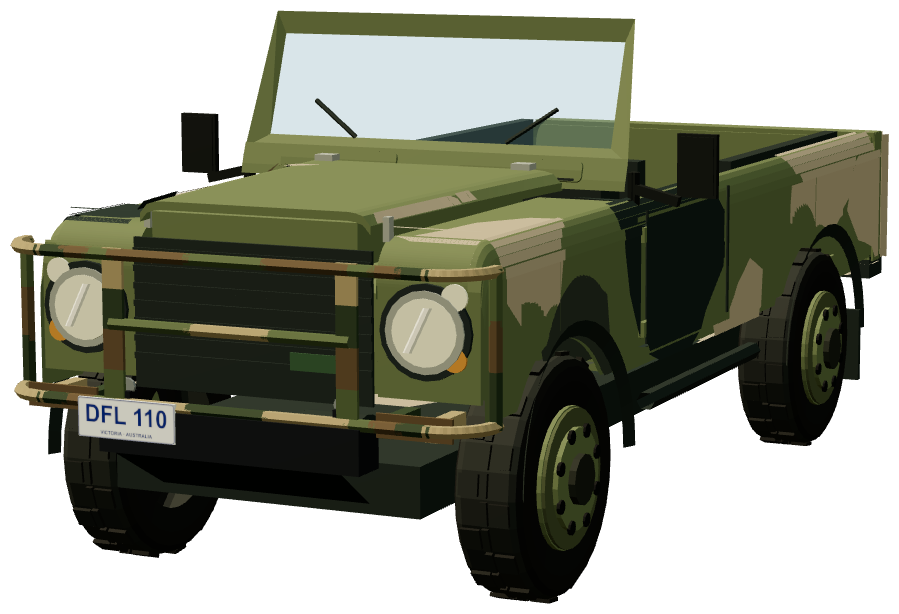
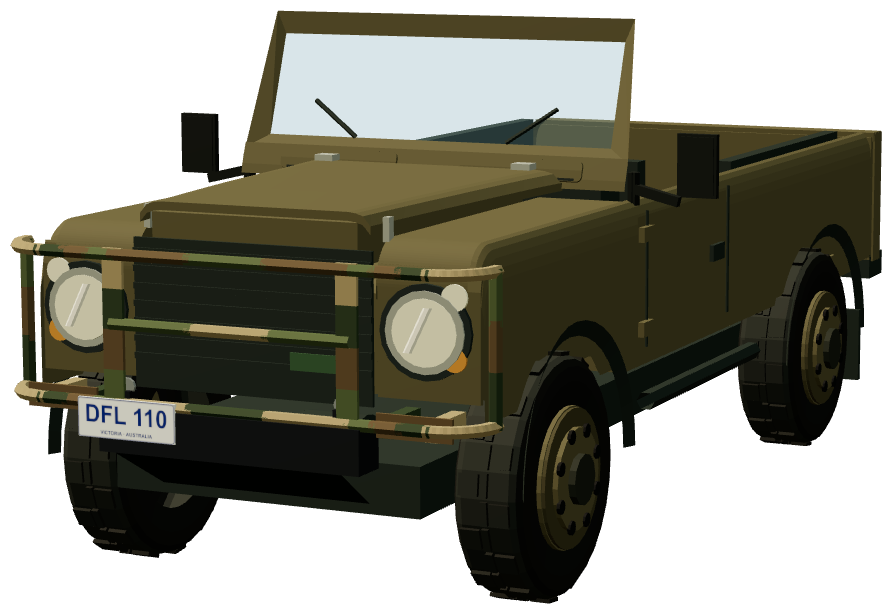
Perenties left the line from 1987 in the Australian Army's post-1967 lustreless olive drab, but early in the production run factory painting switched to the three-colour disruptive-pattern scheme ('Auscam') of camouflage tan and matt black patches over the olive drab base, which became the official fleet scheme and was extended across the whole green fleet through the 1990s. Vehicles deployed on United Nations service — Namibia, Cambodia, Somalia and Rwanda among them — were repainted overall white.
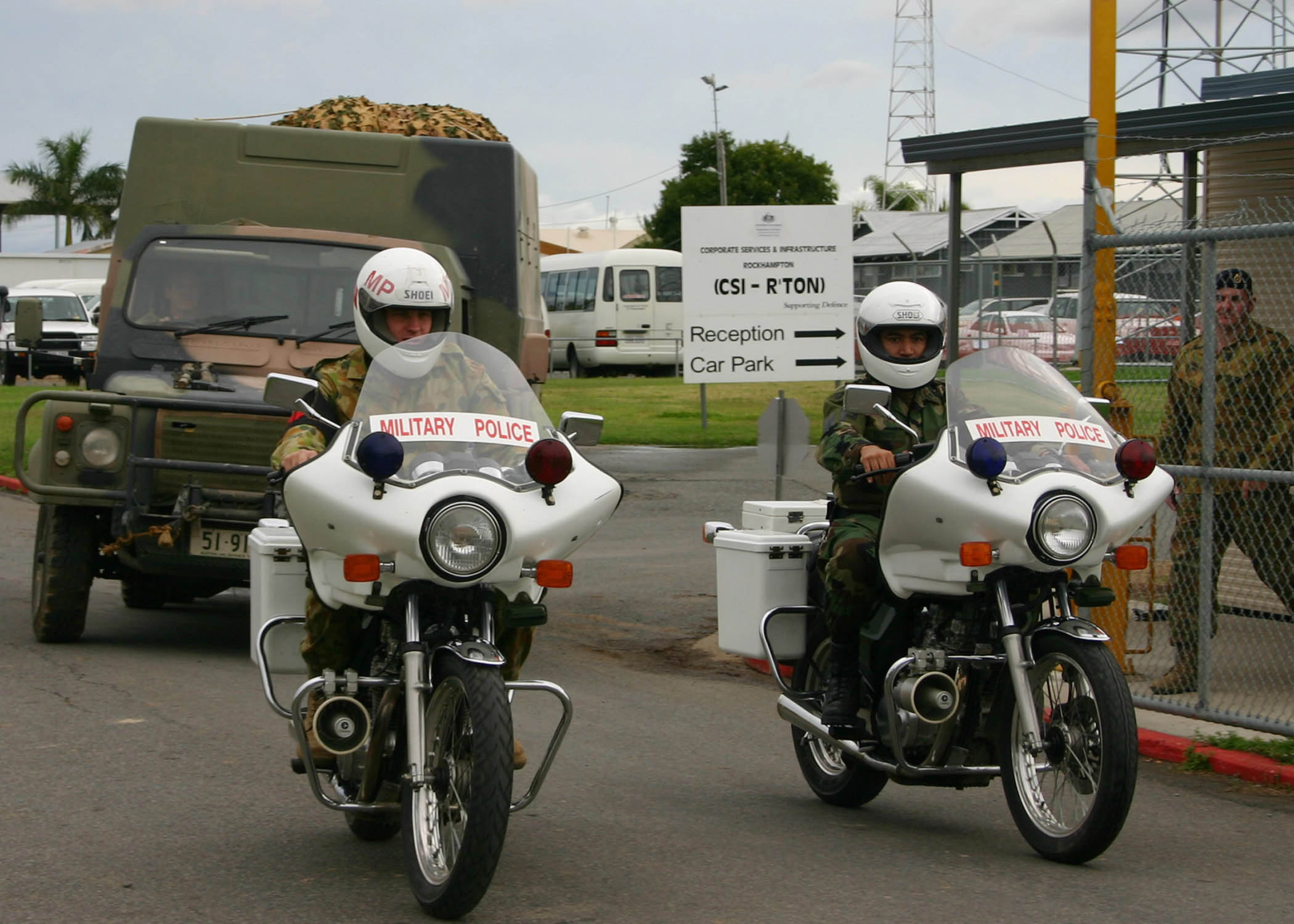
In service the Perentie proved exceptionally durable, deploying to Somalia, Timor-Leste, the Solomon Islands, Iraq and Afghanistan. Lacking protection against land mines and improvised explosive devices, the fleet was progressively replaced by Mercedes-Benz G-Wagons under Project Land 121, with large-scale disposals under way from about 2013. Thousands of ex-Army 4×4s passed cheaply into civilian hands, and the type has since become a sought-after basis for touring and collector vehicles.