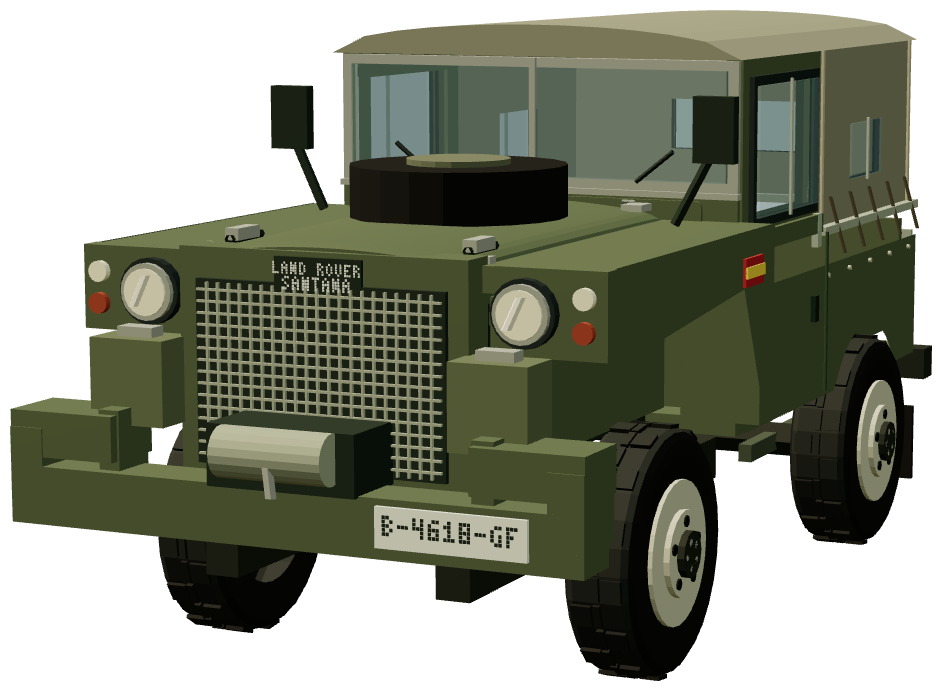
Spain's licence-built Land Rovers from Metalúrgica de Santa Ana in Linares gained an engine Solihull never offered: Santana's own 3,429 cc six-cylinder diesel, built by adding two cylinders to the 2.25-litre four and fitted to Series-type models from 1977.
MODEL LINESantana Series (88/109)BUILT BYSantana Motor (Metalúrgica de Santa Ana)PRODUCED1977PRODUCTIONNot reliably documented for the six-cylinder diesel modelsLAYOUT4 wheels · 109″
The record
Metalúrgica de Santa Ana, S.A. was founded in 1955 in Linares, in Spain's Jaén province, with state incentives to industrialise Andalusia. After building agricultural machinery it reached agreement with Rover in 1956 to build Land Rovers under licence, and production from Complete Knocked Down kits shipped from Solihull began in 1958. Local content grew rapidly behind Spain's protected market - by 1968 the vehicles were 100% locally made - and by 1962 Santana was supplying Land Rovers to Central and South America and parts of Africa.
From 1968 Santana increasingly went its own way, developing its own versions of the Series models and, in time, its own engines. Vehicles that worked hard in harsh export markets exposed weaknesses early, and Santana answered with features that often preceded Solihull's equivalents: tapered leaf springs, disc brakes, anatomical seats and, later, turbodiesels. The company's proudest piece of independent engineering was its six-cylinder engine family. Rather than adopt Solihull's ageing 2.6-litre inlet-over-exhaust six, Santana stretched the rugged 2,286 cc Land Rover four by half again, producing 3,429 cc inline-sixes in both petrol and diesel form.
The six-cylinder diesel - 90.47 mm bore, 88.9 mm stroke, 23:1 compression, around 94 bhp at 4,000 rpm with 152 lb ft at 1,800 rpm - gave roughly 50% more power and torque than the four-cylinder diesel. A one-tonne six-cylinder military forward control entered production in 1976, the first six-cylinder diesel 109-inch Land Rovers followed in 1977, and in 1978 the Santana 2000 forward control adopted the six exclusively. In 1981 the company renamed itself Land Rover Santana, S.A., reflecting a relationship in which Linares was by then developing as much as it was assembling.
Santana's Series-type models, in 88- and 109-inch wheelbases, continued into the 1980s alongside increasingly independent derivatives. The non-compete agreement with Land Rover ended in 1983 and the licence itself in 1990, after which Santana carried on with its own Land Rover-derived ranges before turning to Suzuki and Iveco production; the Linares factory finally closed in February 2011. Spanish enthusiasts recall the works Series colours as a light 'pistachio' green, a blue-grey and olive and grass greens, with Limestone cream reserved for wheels and tops - close cousins of Solihull's palette, though Santana's exact paint records are poorly documented.
from 1981 Land Rover Santana, S.A., Linares, Spain
MANUFACTUREDSix-cylinder diesel models from 1977; Santana Series production 1958 into the 1980s
ENGINE3,429 cc Santana inline-six diesel (2.25 four stretched by two cylinders), ~94 bhp at 4,000 rpm, 23:1 compression
PRODUCTION RUNNot reliably documented for the six-cylinder diesel models
COUNTRY OF ORIGINSpain
STATUSout of production; factory closed 2011
RECORD KINDBase model
MODEL LINESantana Series (88/109)
FAMILYLand Rover Series
SERIES3
ENGINE VARIANTsantana-diesel
WHEELS4
NOMINAL WHEELBASE109″
BODY STYLENo roof
VARIANTS7
Catalogue fields describe the vehicle's structure and body as this registry records it. They are not certified factory measurements, and no performance figures are published here.
Codes on hover. Hex values are representative approximations of period paint unless a source states a measured value.
Renders & references
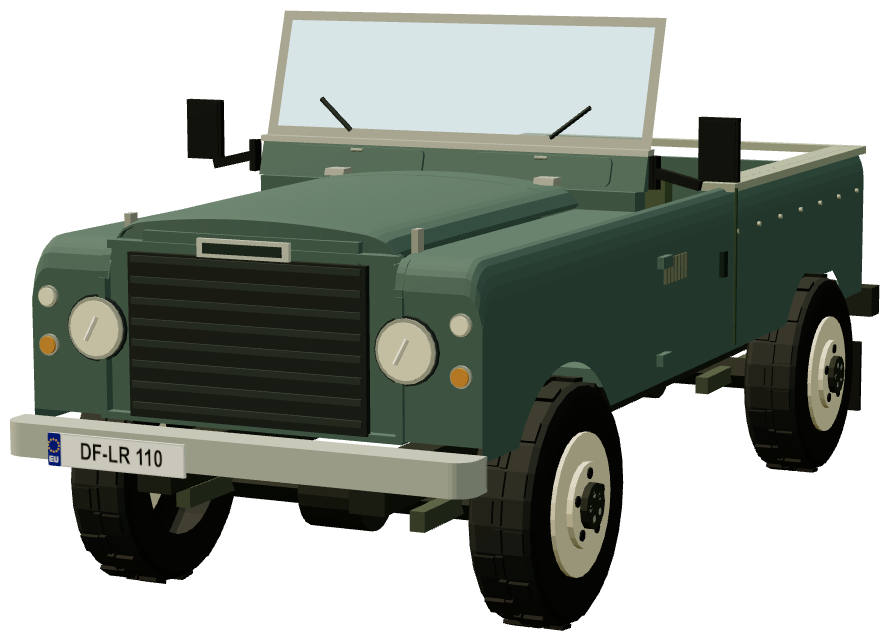
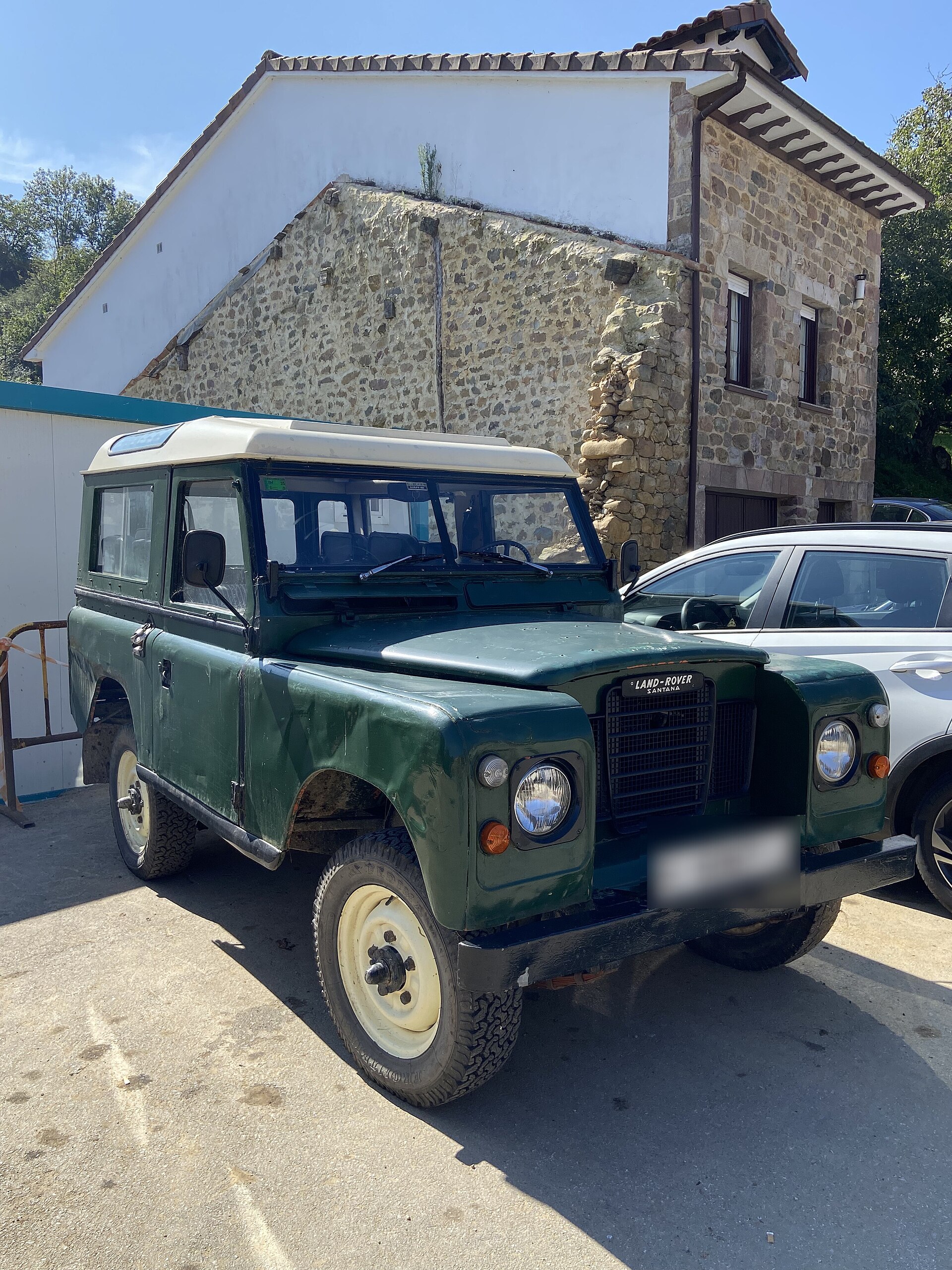
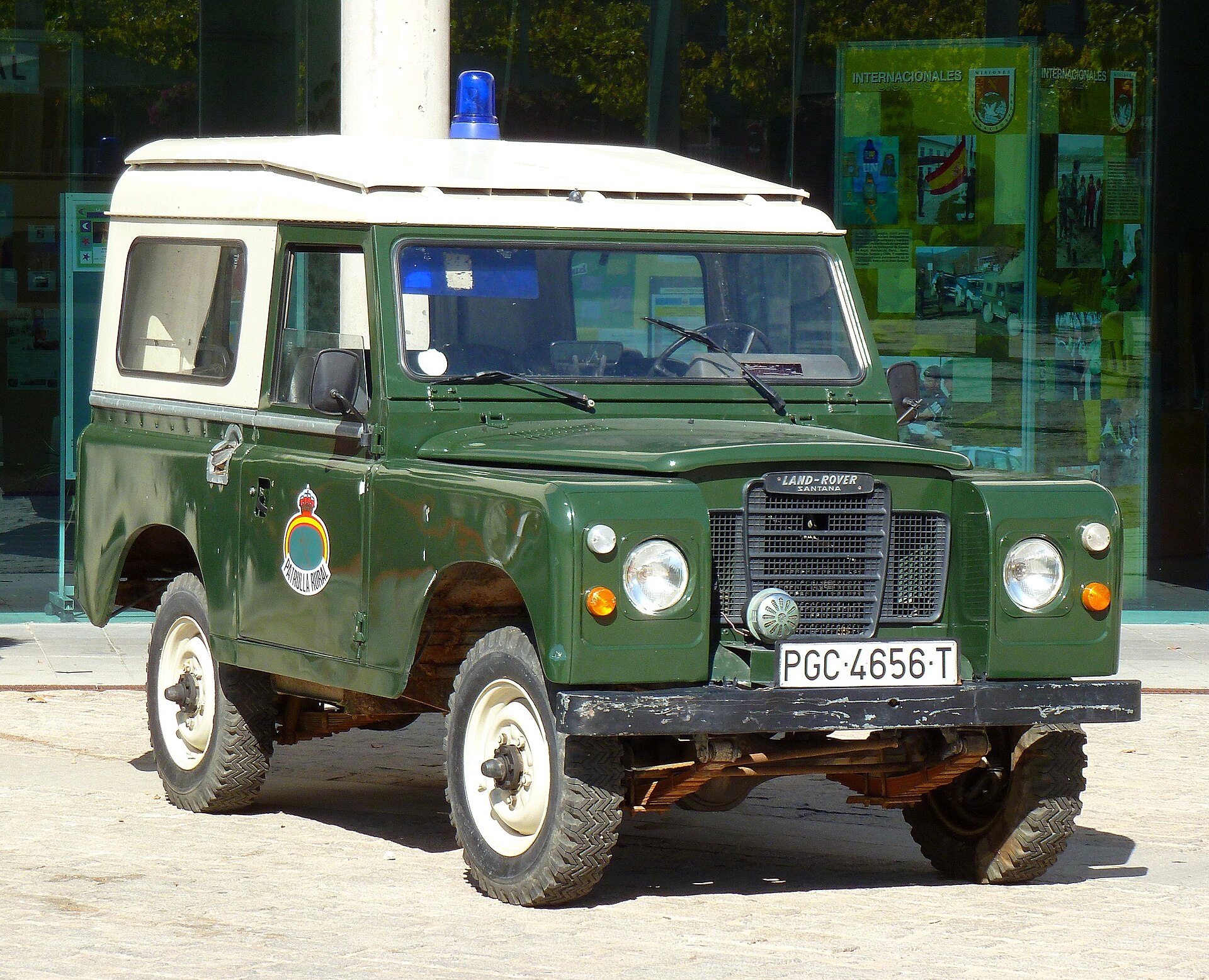
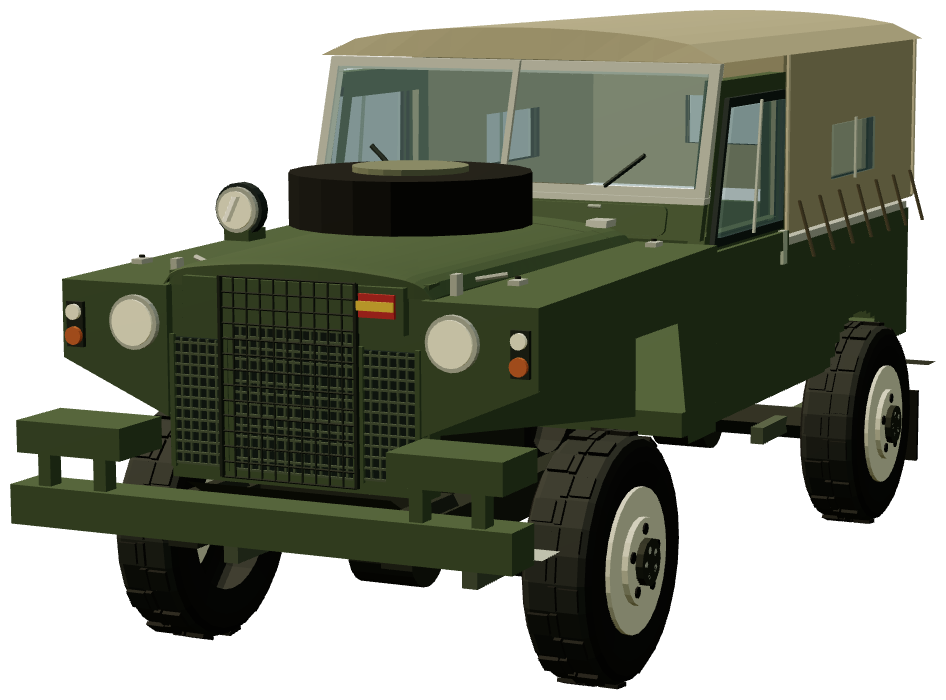
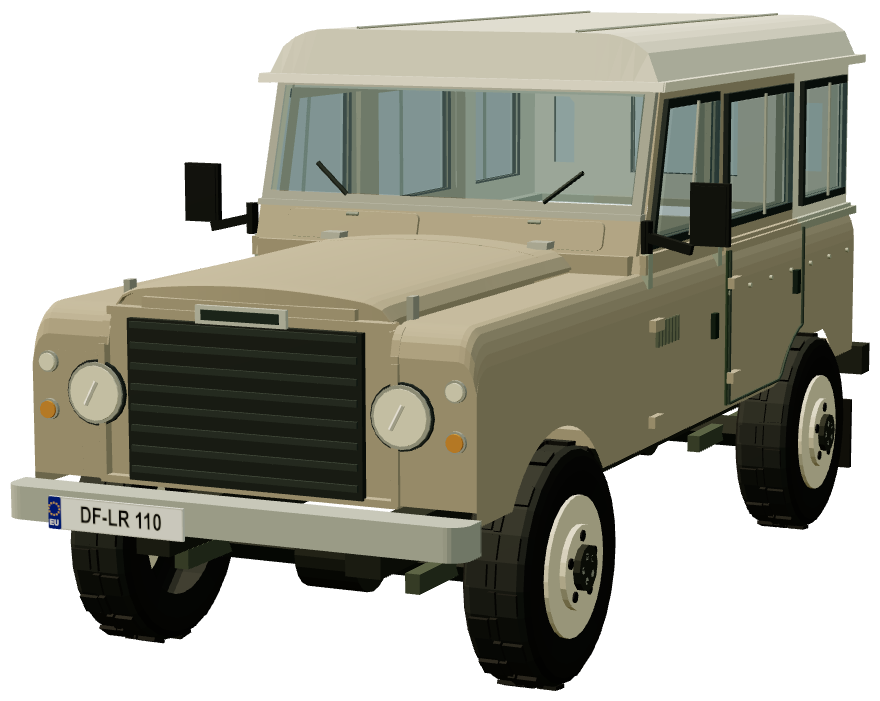
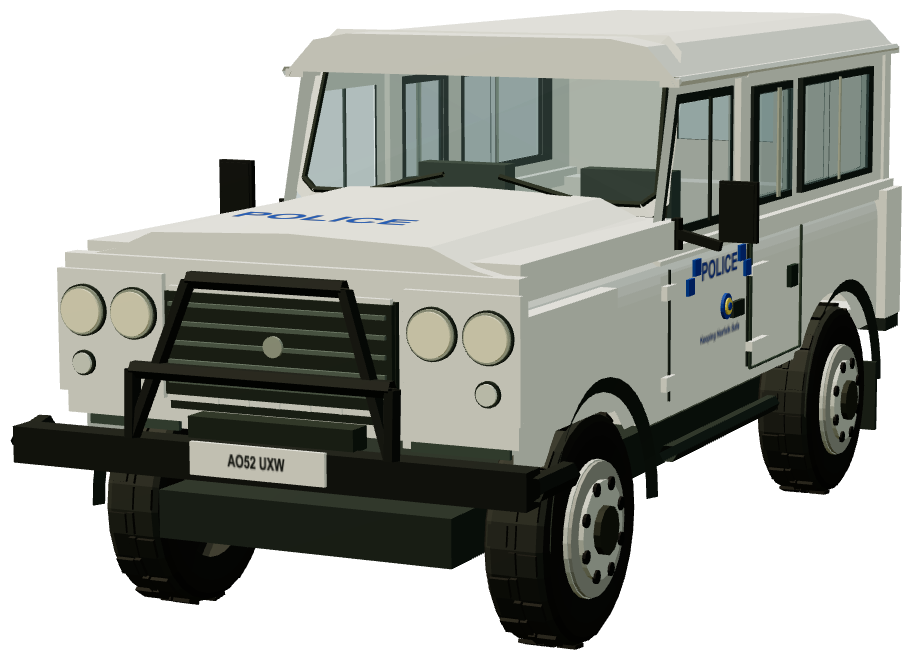
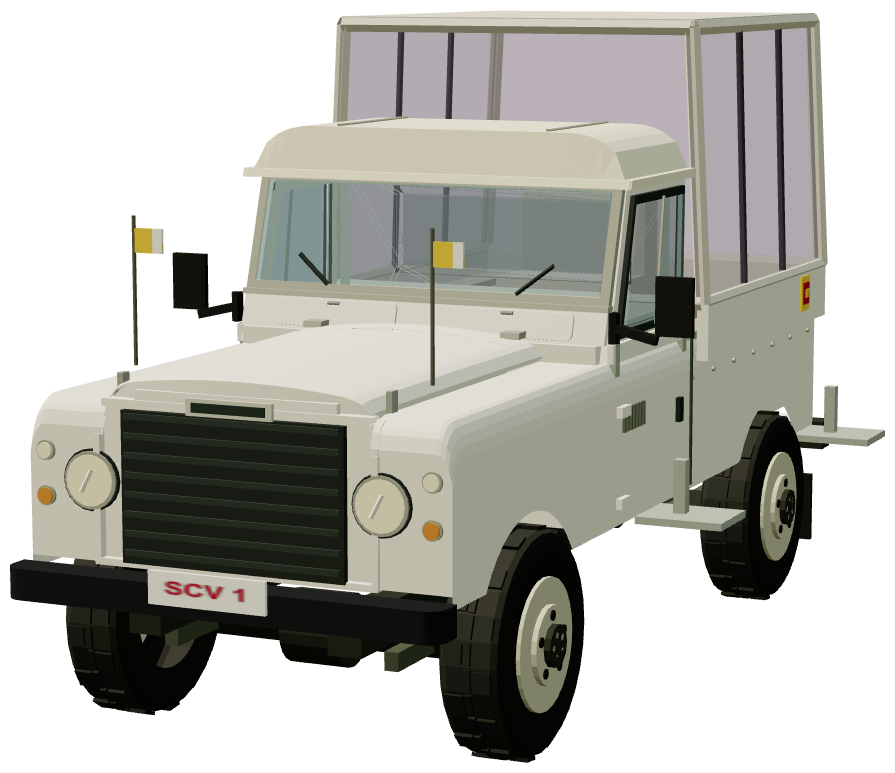
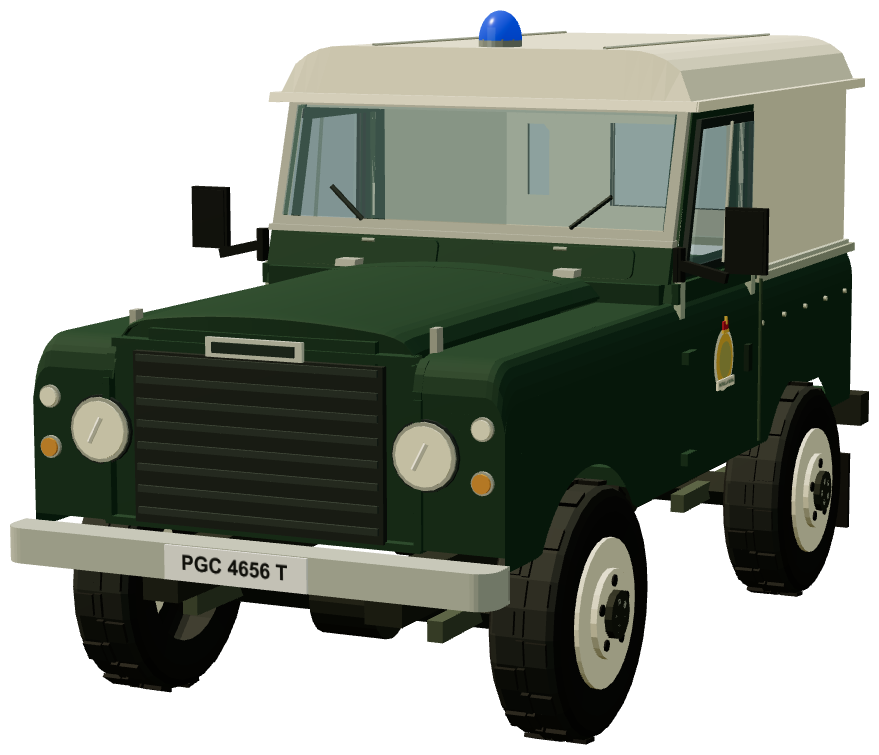
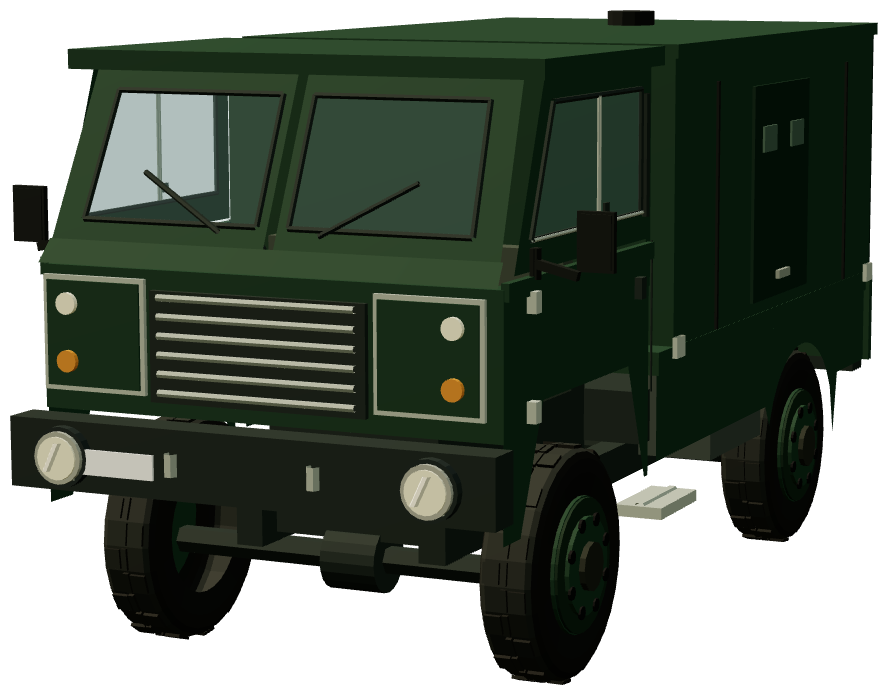
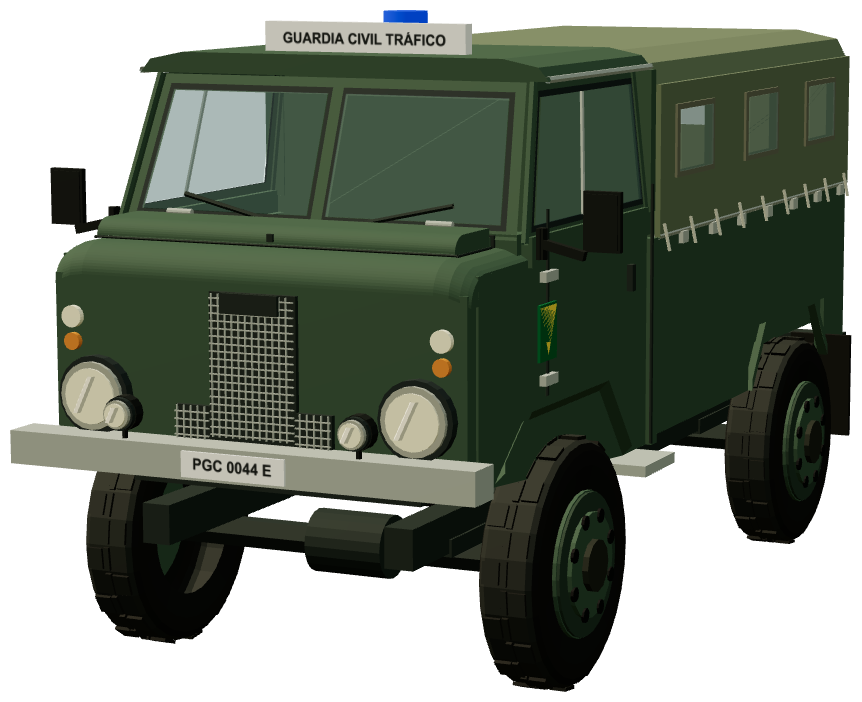
Front three-quarterRegistry renderThree-quarterRegistry renderSideRegistry renderRearRegistry renderFrontRegistry renderGreen Land Rover Santana Serie III in SpainBlauBlau1 · CC0 ↗Land-Rover Santana 88 of the Spanish Guardia CivilOutisnn · CC BY-SA 3.0 ↗
6Series I front body review — series1-bronze and Series I configurations · HERITAGE-FLEET-REFERENCES.md
User photographs `s1.jpeg`, `imagesj.jpeg`, `25109914-1-55.jpg` and `s1_.jpeg`
show the early Series I front: a narrow central wire-mesh radiator grille with
inboard headlamps, broad flat-sided wings rolling over a long front radius, one
small white sidelight per wing, and a bonnet tapering forward with rounded long
side pressings. The shared Series I builder uses these proportions for both
wheelbases. This is a visual reference interpretation, not a measured CAD scan.
NOTES
7Series III front review — standard Series III configurations · HERITAGE-FLEET-REFERENCES.md
User references `hfhimages.jpeg`, `imagesl.jpeg`, and `IMG_1992-jpg.webp` show the
tall tapered central plastic grille with shorter side vents, recessed radiator
panel, broad wings with rounded leading edges, inboard wing headlamps and white
sidelights above amber indicators. The standard Series III bonnet narrows toward
the grille. Stage 1 V8 and Santana retain their distinct flush-front grilles.
Meteor Works uses a **Series III front**, not the Series IIA front of the army
and RAF Marshall ambulances. Its internal `marshal-series3` shell shares the
Marshall coachwork but inherits Series III wings, bonnet, grille, headlamps and
outer lamps. Meteor adds only its weathered livery, guard and emergency equipment
around that standard front, avoiding duplicated headlamp pods.
### Coachwork front-panel corrections
- The Shop Truck and the Marshall family (including Meteor Works and RAF rescue) retain clipped curved side skins through the front wings and doors at their custom body joins.
- Queen Elizabeth II’s Series IIA station wagon uses the Series III-style wing-mounted headlights, bonnet and broad black grille shown in the supplied reference. No numberplate is modelled. Reference: `