The expedition
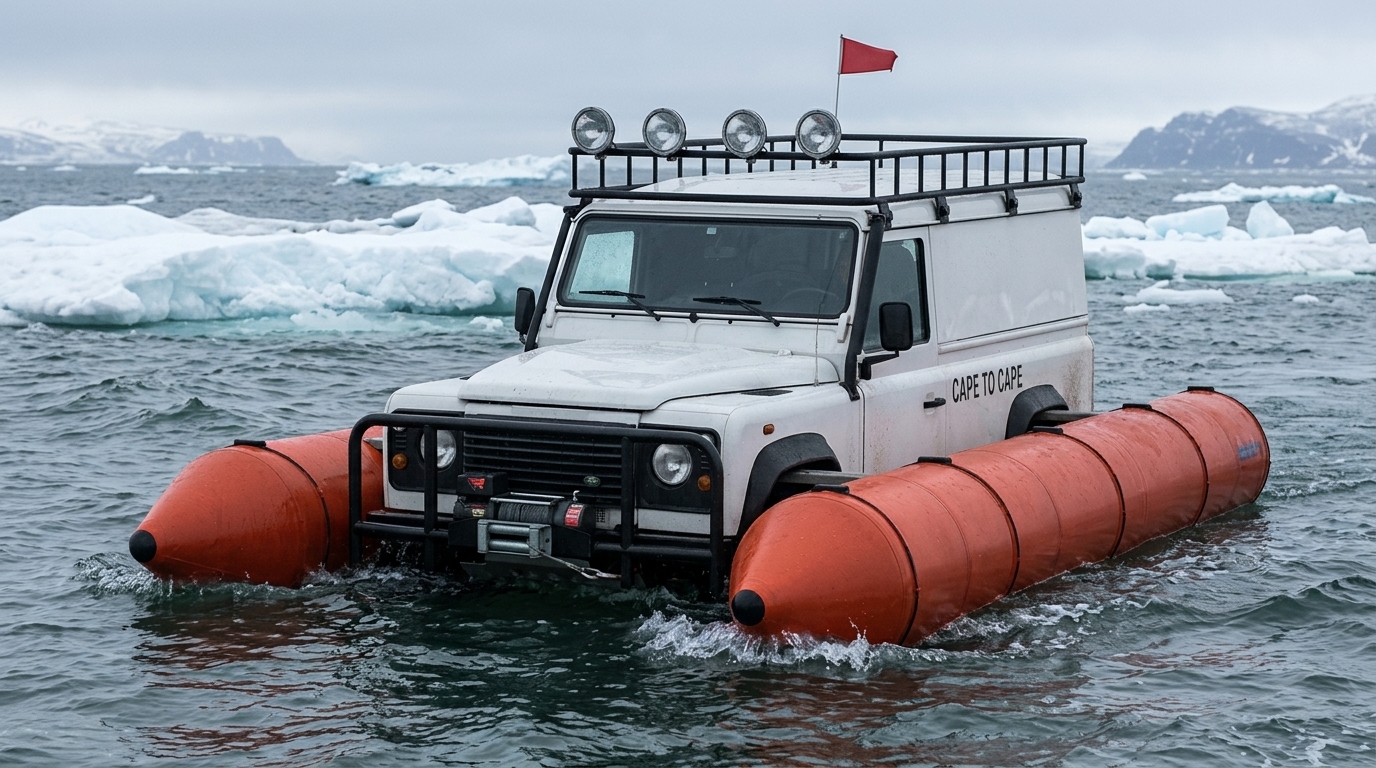
The idea dated from a map conversation in Africa in 1995: the longest overland journey on earth would be Cape Town to Cape Horn by way of Russia and the Bering Strait, and Steve Burgess decided it should be done in one vehicle. In January 2001 he and Nicky visited the Strait and concluded that a winter crossing on the ice was beyond them, so the vehicle would have to swim. A test Land Rover was bought in March 2002 and made amphibious over the year, its floats set on adjustable mounts so that ride height in the water and ground clearance on land need not be traded against each other; it first floated across the pond at Tong 4×4 in Bradford in March 2003, went out on Coniston Water, appeared at the Billing show, did its first sea trial in Bridlington Bay in May 2004 and crossed the Irish Sea from Donaghadee to Portpatrick in July 2004, 22 miles in five hours. A recce of the Darién in 2003 found the Panamanian rainforest closed to vehicles. Steve built prototype tracks for the Siberian snow, bought and then sold a Hägglunds BV206, and in 2007, with no major sponsor and the farm to run, cut Africa from the plan: the expedition would start in England, cross Russia and the Strait, and go on through the Americas. The new Defender 110 Tdi, a left-hand-drive Rest-of-World car, went to Dan Evans at Protection & Performance on 30 April 2007 for a six-week conversion: a waterproofed engine, a detachable propeller on a shaft down the chassis, two red floats of 1,480 gallons combined volume giving 5.5 tons of buoyancy, removable tracks, insulation, and survival suits with rebreathers for the crew. Dmitry Shparo's Adventure Club in Moscow arranged the Russian permits.
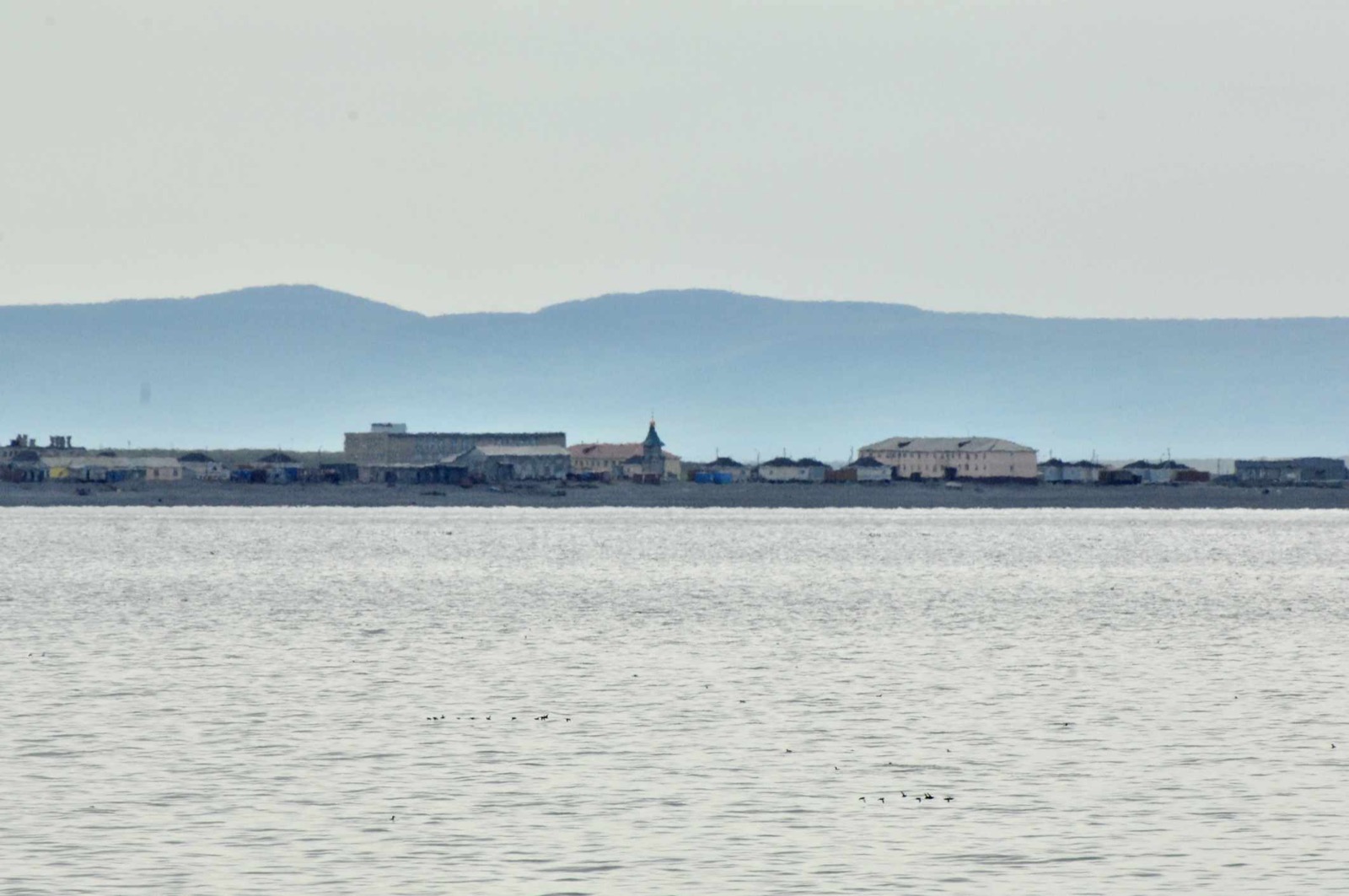
Steve and Nicky left Liley Hall Farm, Mirfield, on 29 January 2008, took the ferry to Rotterdam and drove through Berlin and Gdańsk to Kaliningrad, where on 1 February the 'Russia West to East Traverse' formally began, then through Kaunas and Rēzekne to Moscow on 4 February. From Moscow Simon Dedman took the second seat. They went east through Cheboksary, Ufa and Omsk, Kemerovo, Bratsk and Ust-Kut, up the frozen Lena through Mirny, Lensk and Nyurba to Yakutsk, where they stayed from 22 February to 2 March, then over the Kolyma Highway through Oymyakon, the coldest inhabited place on earth, to Ust-Nera, where the accompanying truck broke down for four days. From there the route left the roads altogether: Sasyr, Zyryanka on the Kolyma, the Arctic Circle on 12 March, Srednekolymsk, Cherskiy, Bilibino and Pevek on the Arctic coast on 18 March, then east along the Chukchi Sea coast on sea ice and tundra through Leningradskiy, Mys Shmidta, Vankarem, Neshkan, Enurmino and Inchoun to Uelen, the easternmost village in Russia, on 2 April 2008 — about 4,000 km of it off-road, in temperatures down to −50 °C. Uelen was still frozen in; the Land Rover was left at Lavrentiya and Provideniya and the team flew home via Nome and Anchorage on 10–15 April.
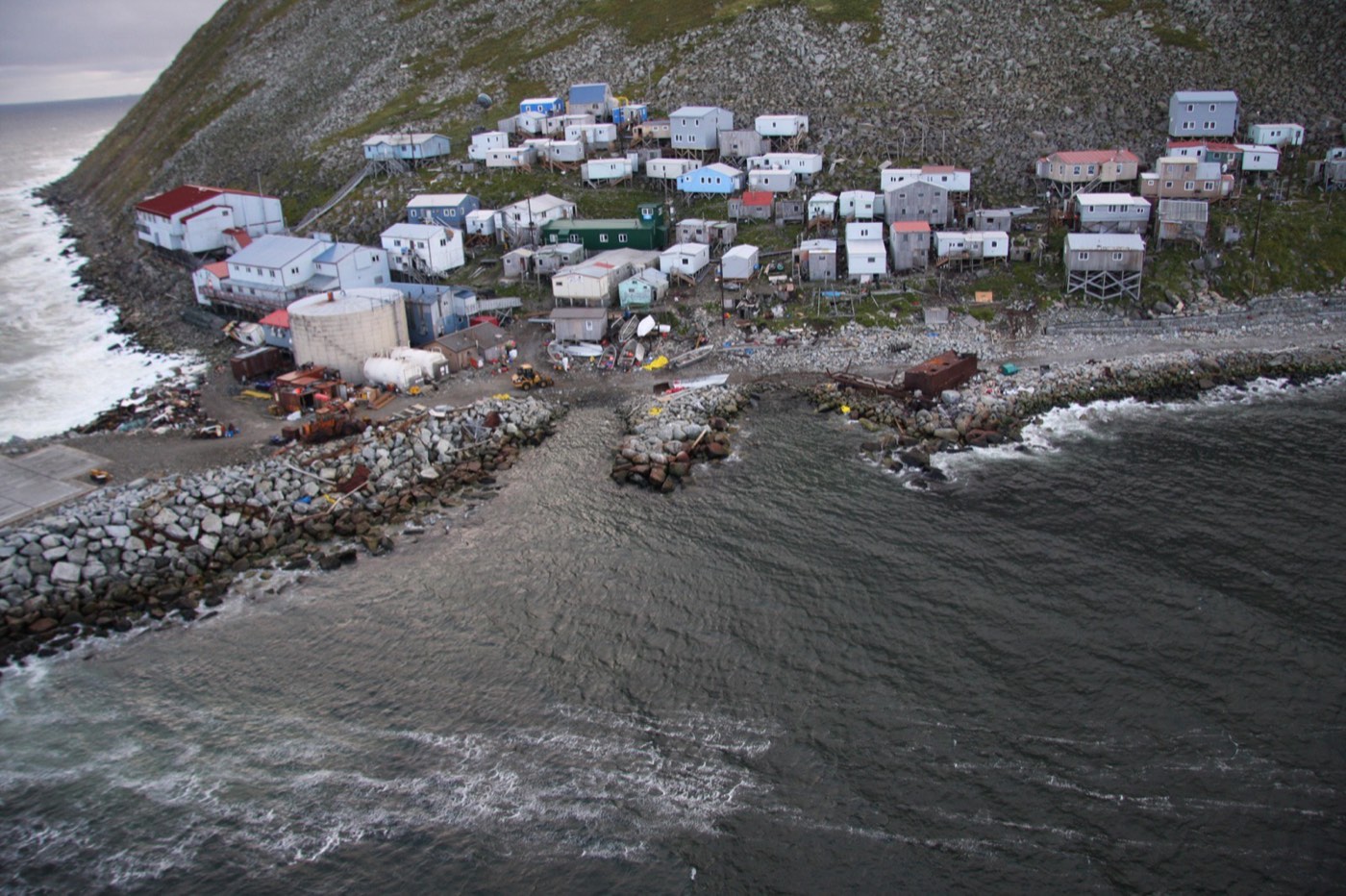
Steve was back in Nome on 24 May, reconnoitred Little Diomede and Wales, and reached Uelen again on 24 June. At 4.30 pm on 7 July he and Dan Evans drove into the sea and by 7.30 am on 8 July, having crossed the International Date Line in the night, they landed on Little Diomede, the American island in mid-Strait, 140 people on a lump of granite. The weather then closed in: an attempt on 13 July was turned back after an hour by the boatman Jerry, and after a week of fog and swell the pair took Ronald Ozenna and Robert Omiak's boat to Wales and flew home on 18–20 July to raise money and wait for a window. With Dan's brother Adam and Mac MacKenney as a support crew in Jerry's boat they were back on Diomede on 7 August, set off at 6 pm making 4.5 knots, were slowed to 1.4 knots by the currents 12 km off Wales, and drove up the beach at Wales at 00.50 on 8 August: 6 hours 50 minutes for the second leg and 18 hours 50 minutes in the water in all. Wales being a dry village, the celebration was a cup of tea at Dan and Ellen Richards' house. There is no road out of Wales, so the Land Rover went down the coast by boat to Teller and drove into Nome on 9 August.
The drive on to Cape Horn did not follow. The site records a 2009–10 recce of Ojos del Salado in Chile for a vehicle altitude record and a 2010–11 plan to canoe across Colombia by the Raspadura canal, and the Defender, made roadworthy again in Britain, went to Kazakhstan and then worked on a Scottish farm before being sold at Cheffins for a little over £8,000 with its floats and kit. The crossing was reported in the Sunday Times, Land Rover Owner International, the Nome Nugget and BBC Look North, and the Land Rover is modelled in the registry as the Cape-to-Cape / Bering Strait Defender.