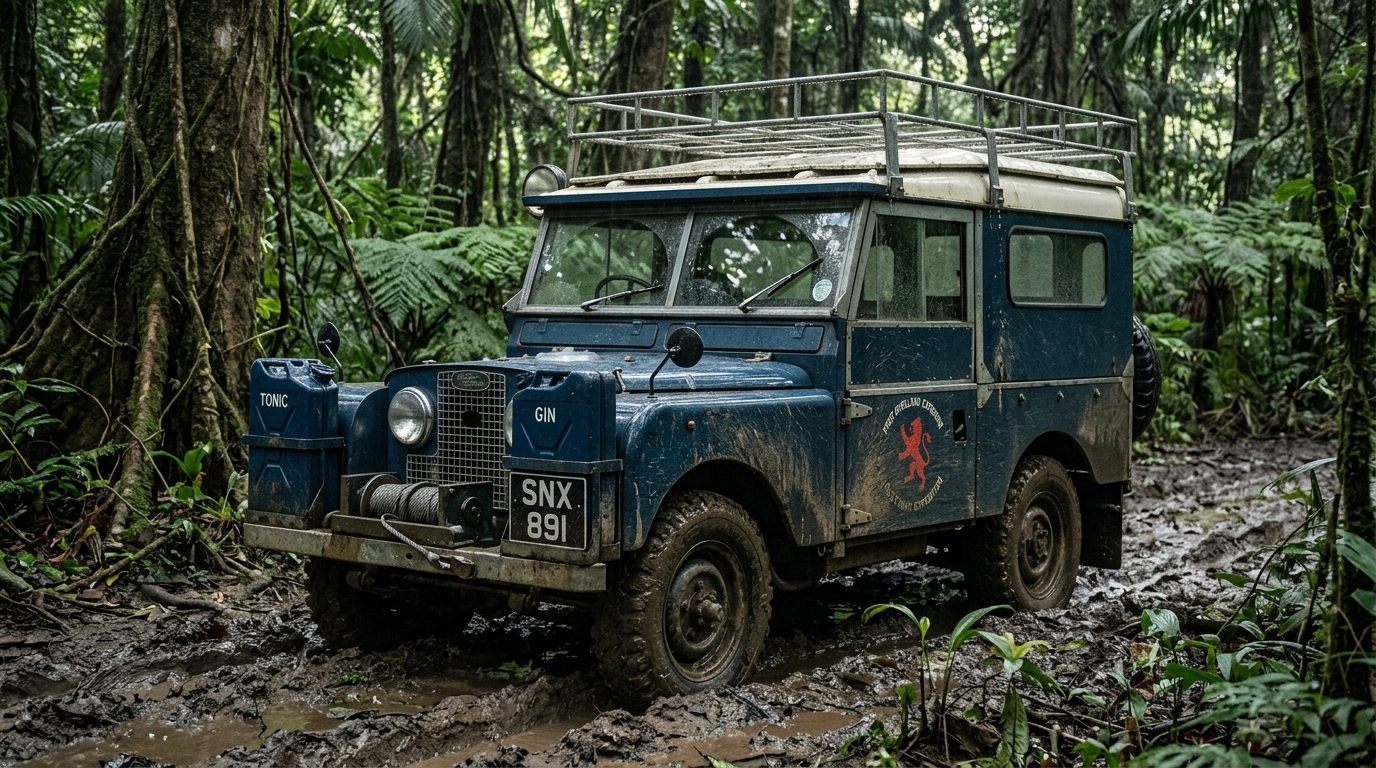
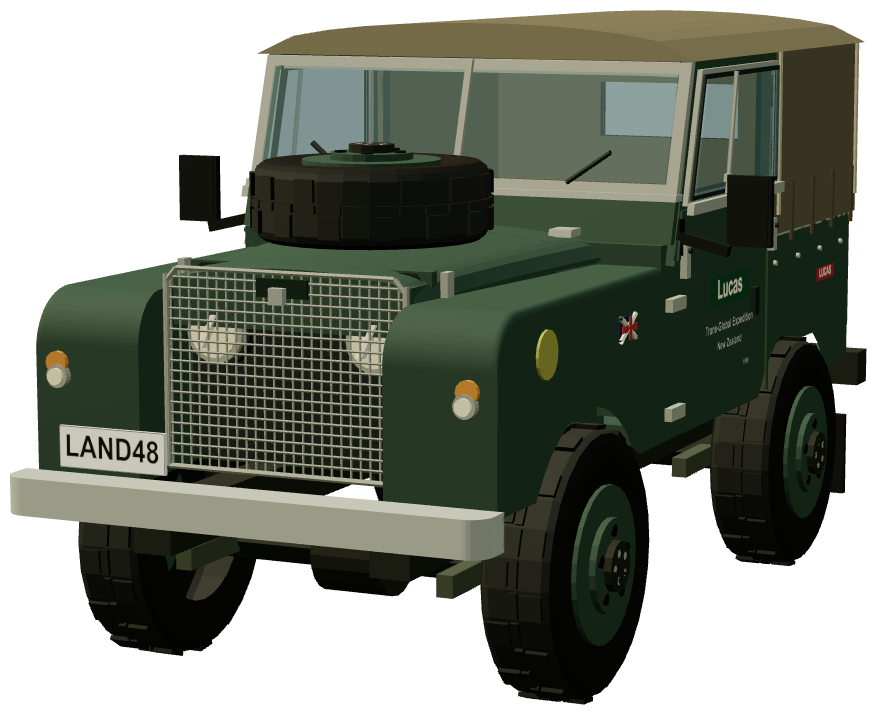
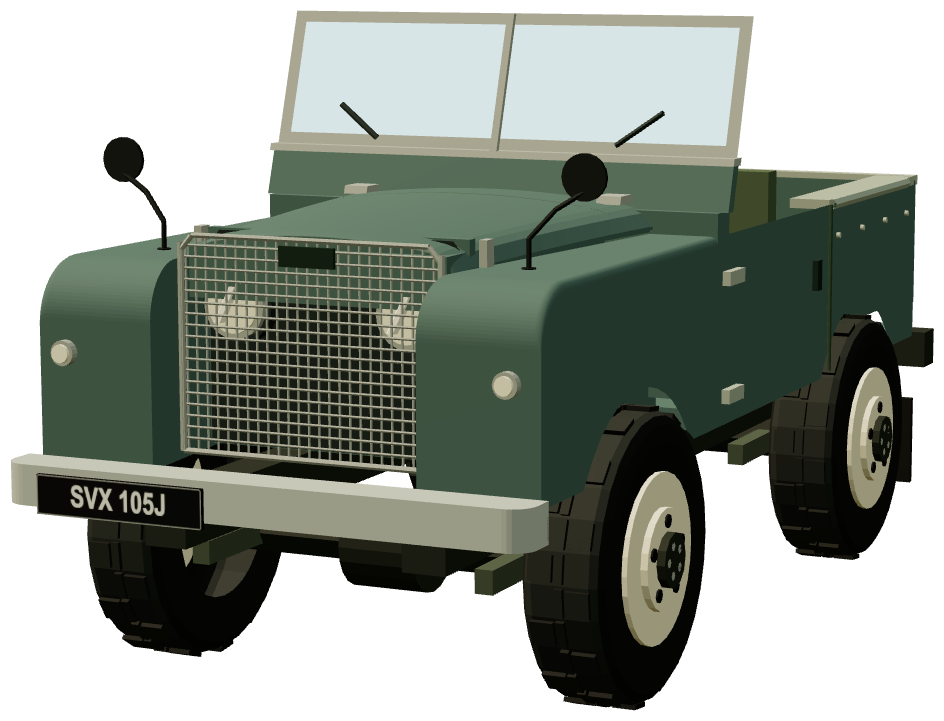
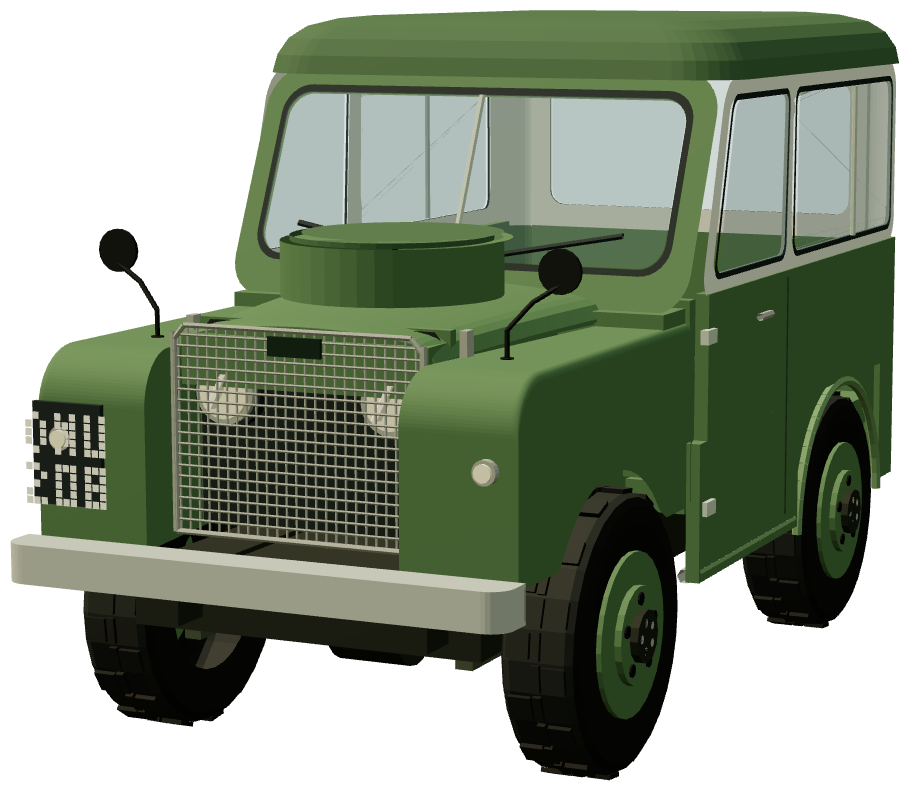
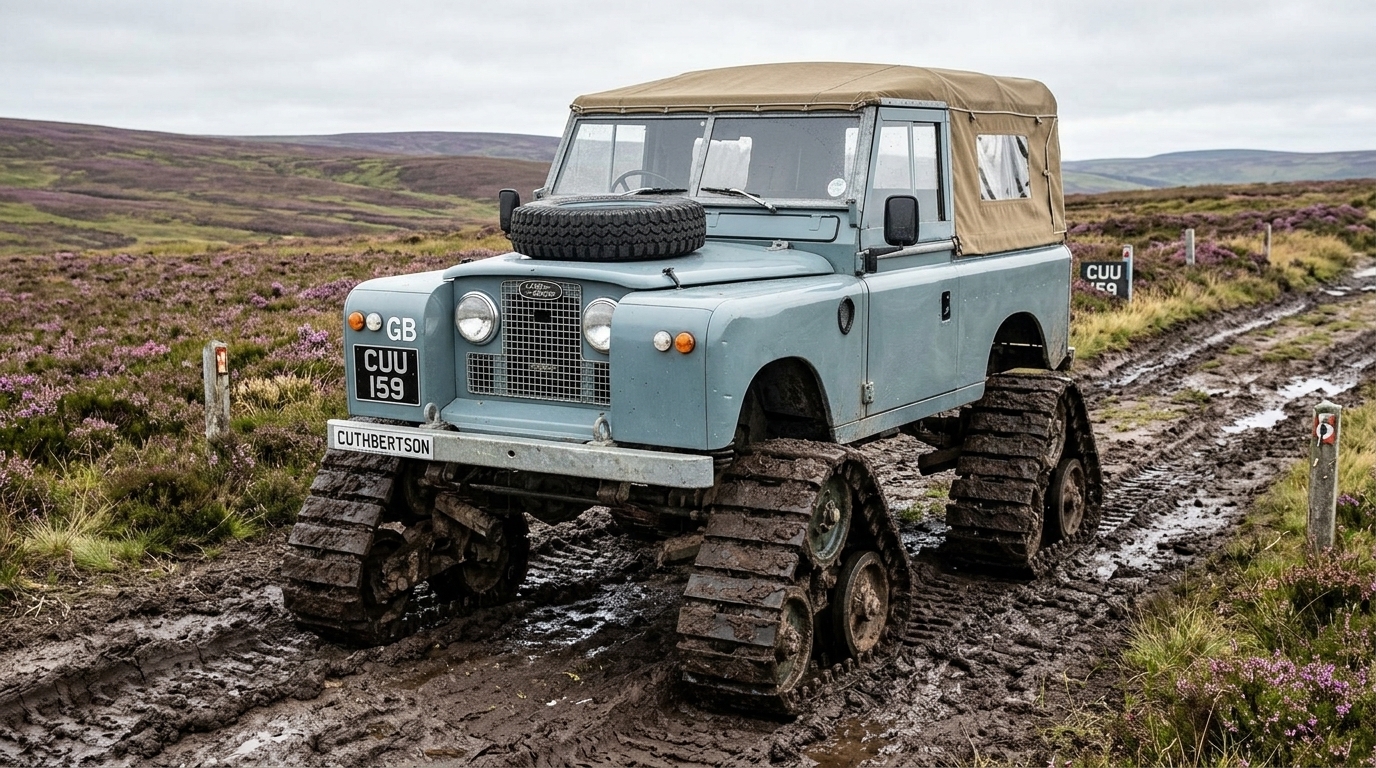
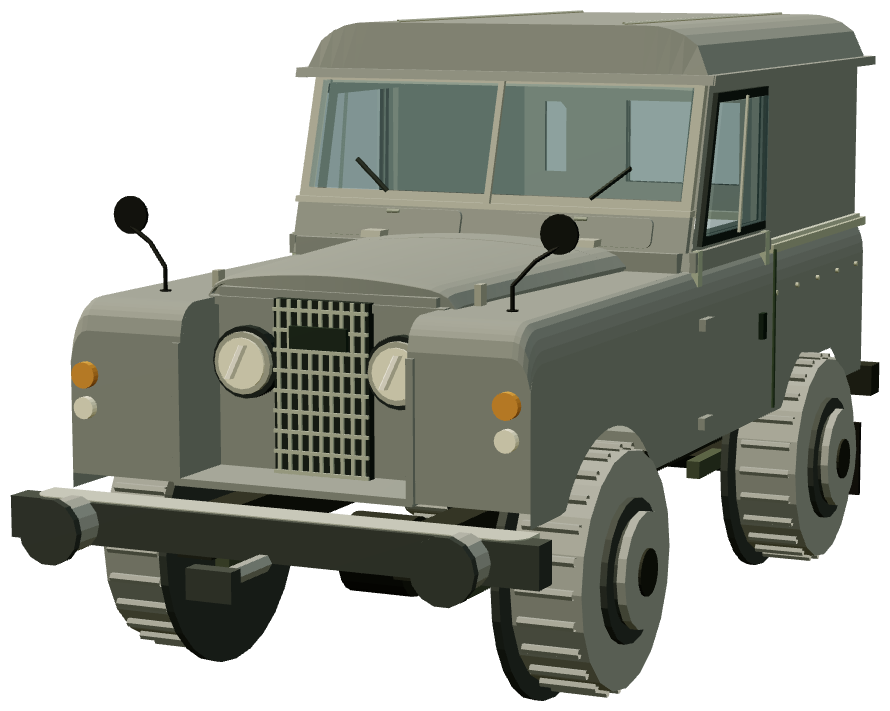
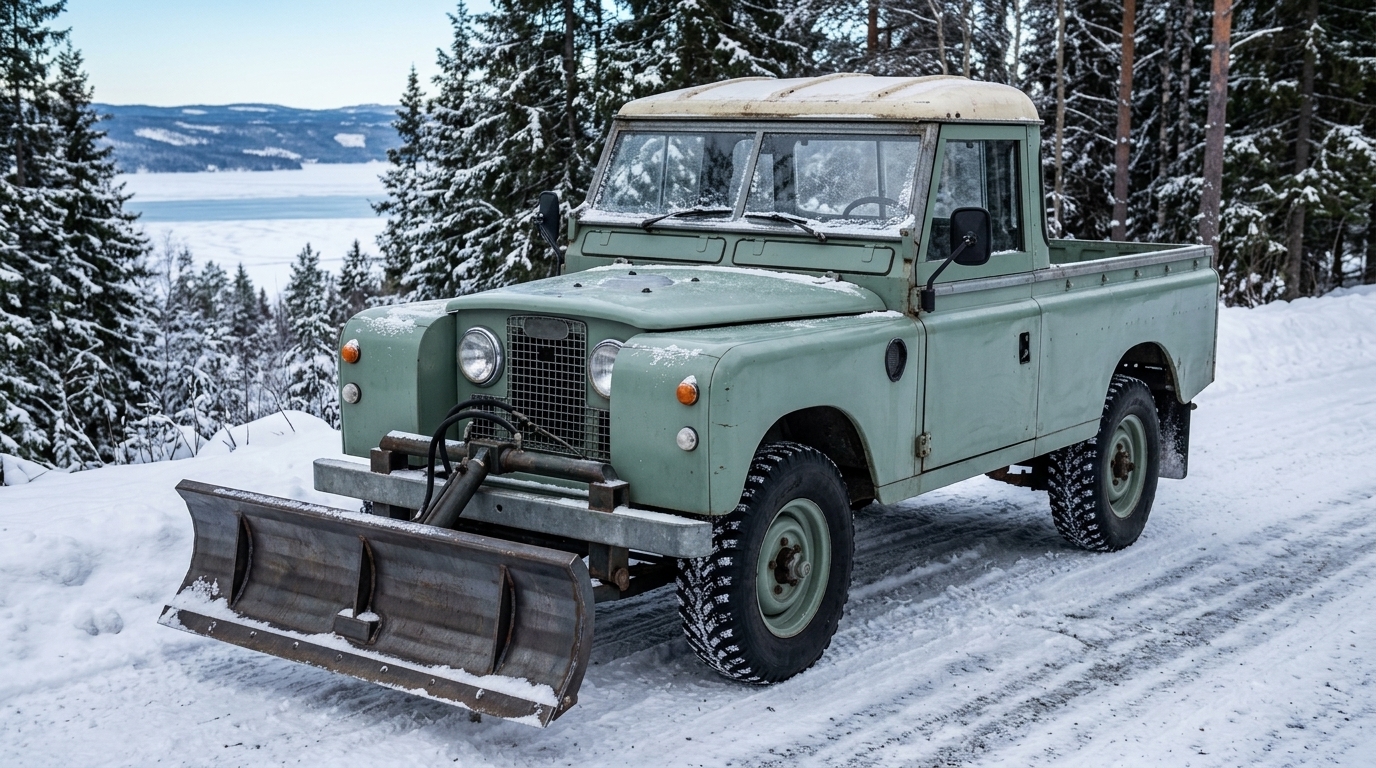
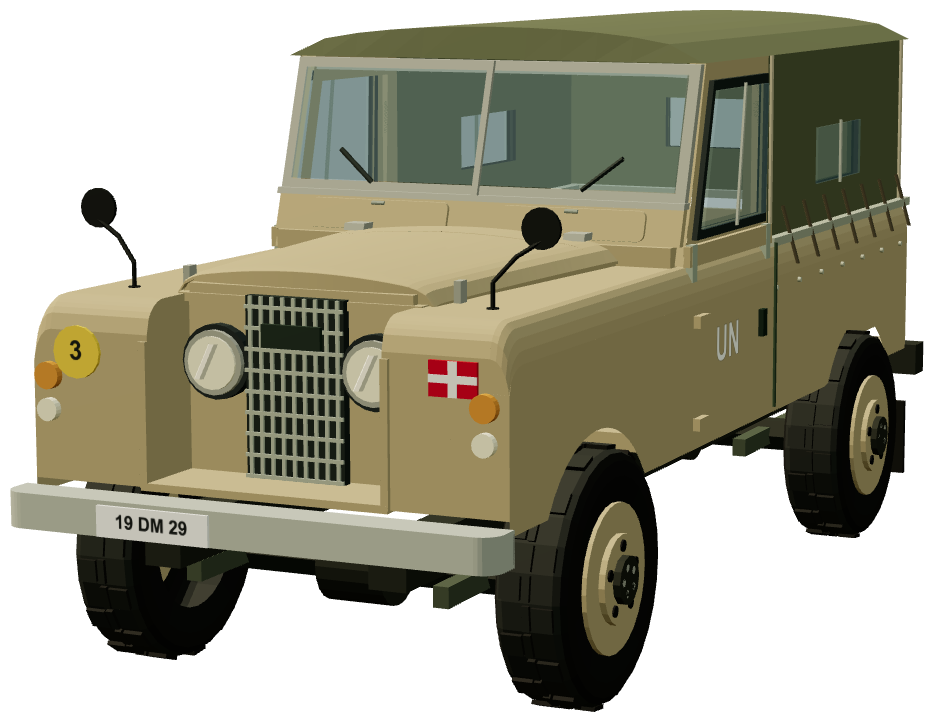
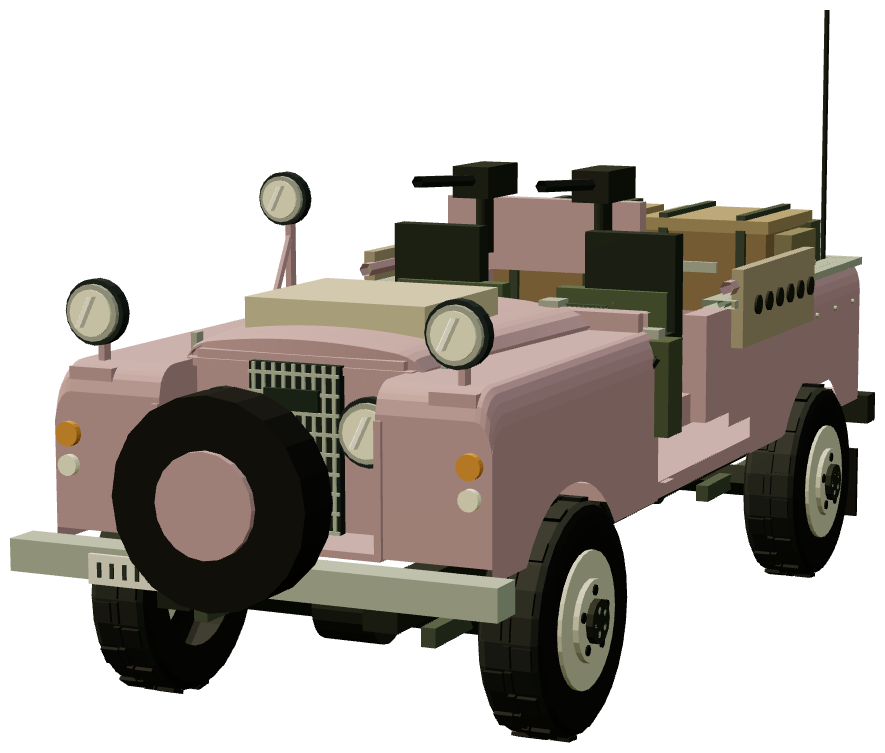
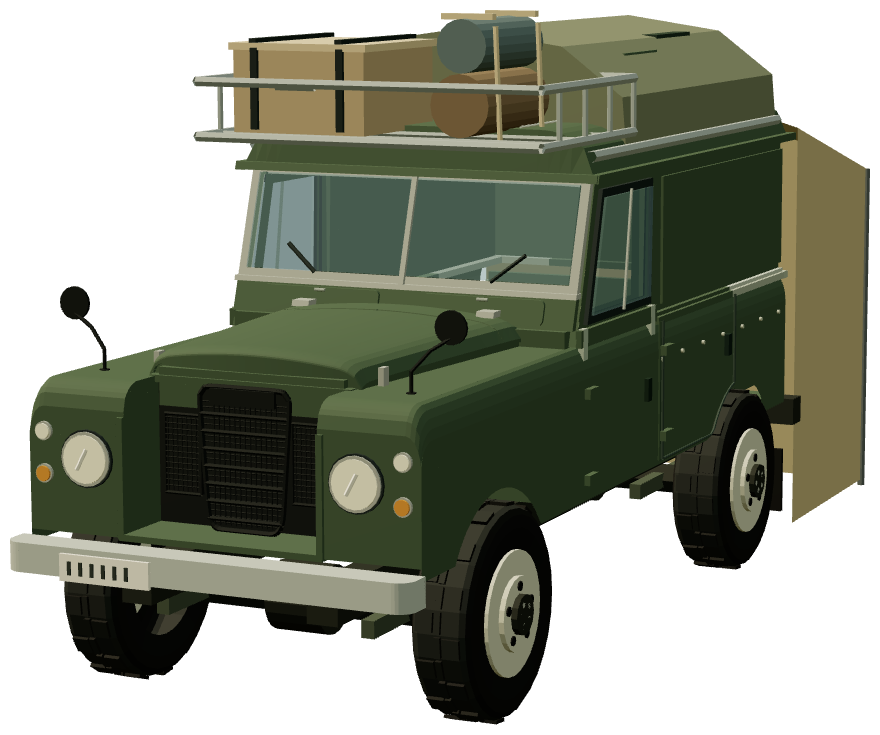
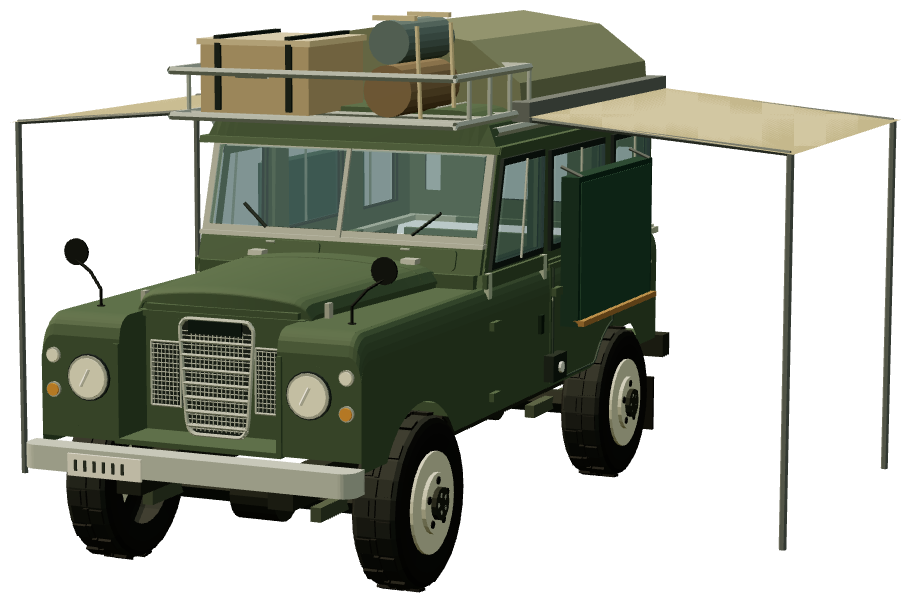
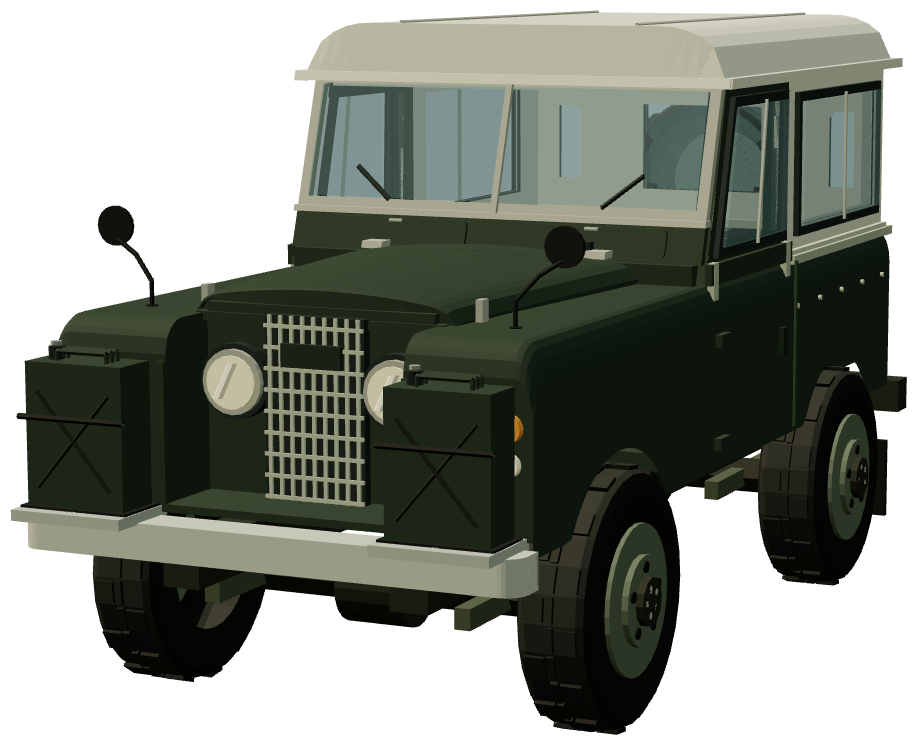
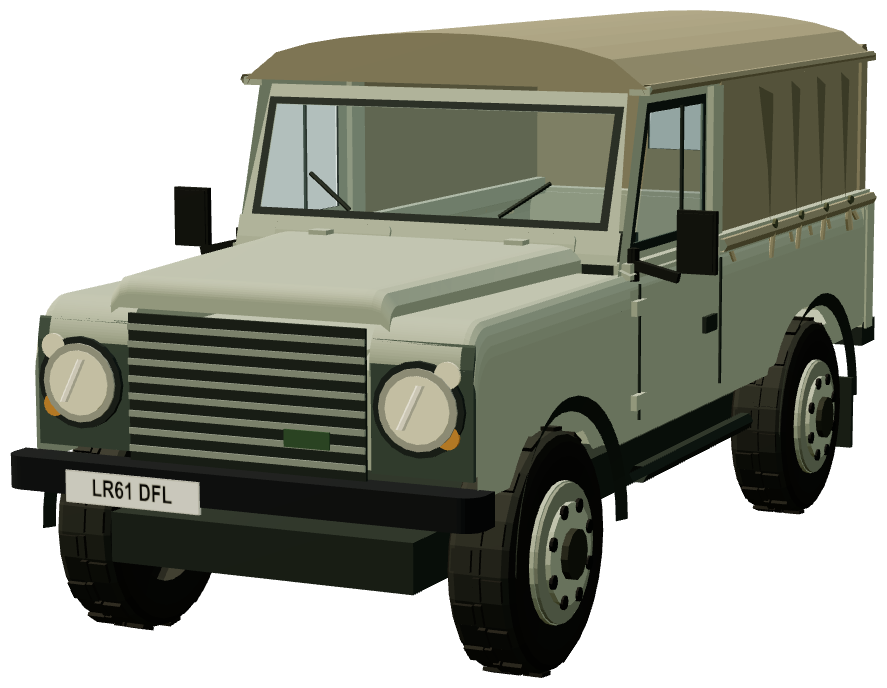
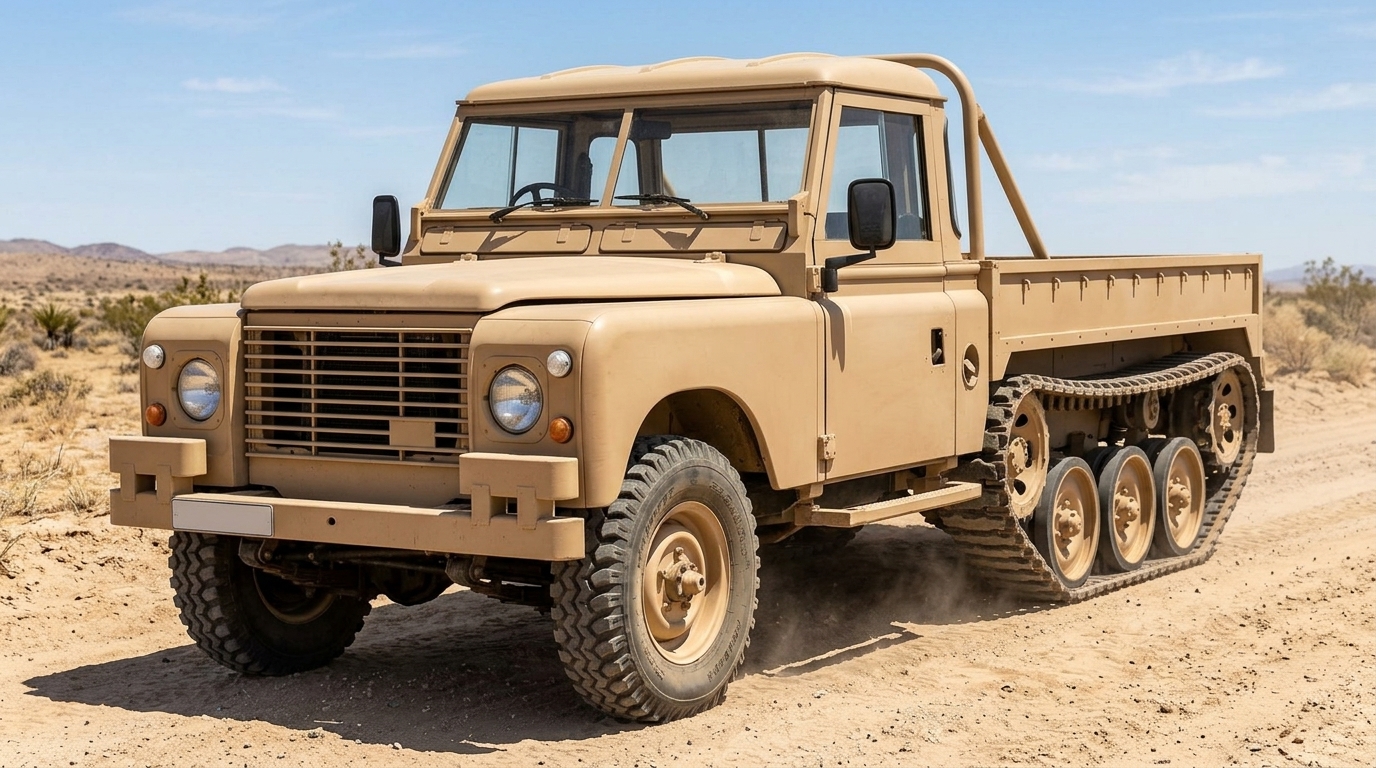
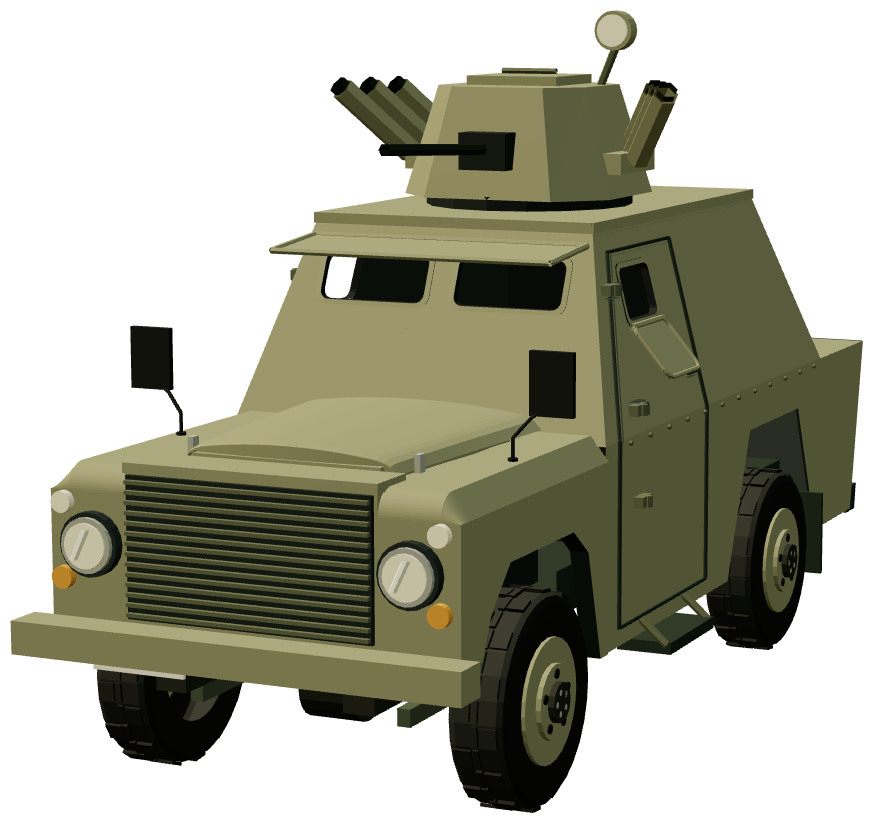
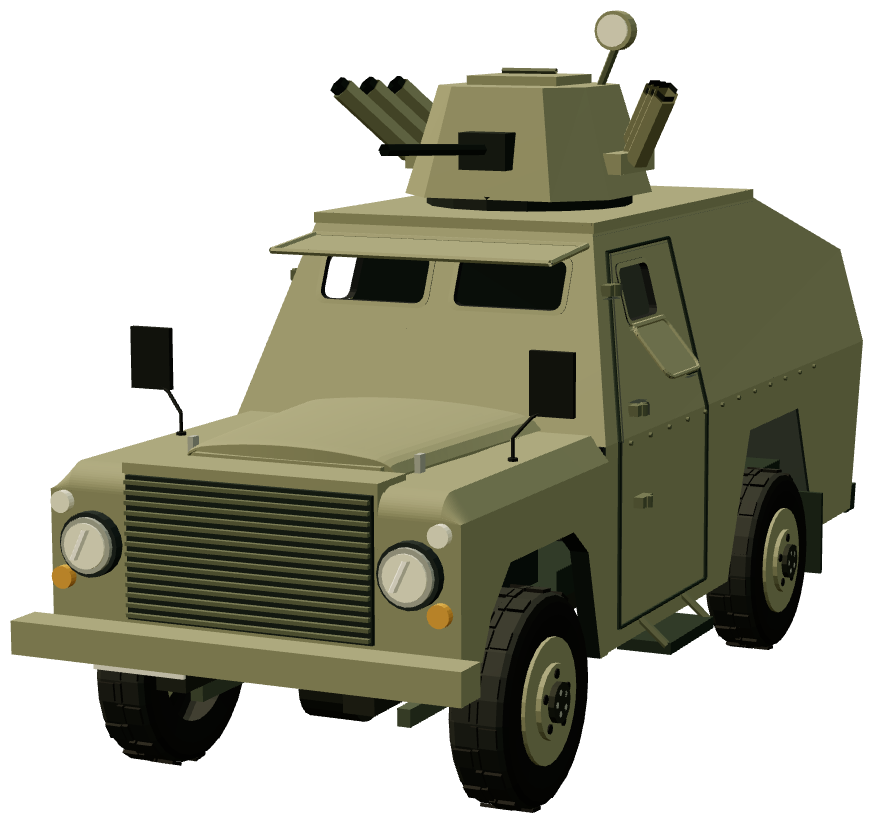
The Land Rover was built in a series of marques between 1948 and 2016: the leaf-sprung Series I, II, IIA and III, the Forward Control trucks and the 101, the coil-sprung Ninety, One Ten and Defender, and the Australian-built Perentie. Each page gives the marque's history, production figures, base models, the expeditions it was driven on, the services it worked for, and every registry record.
All 8 marques by years in production, 1948 → today
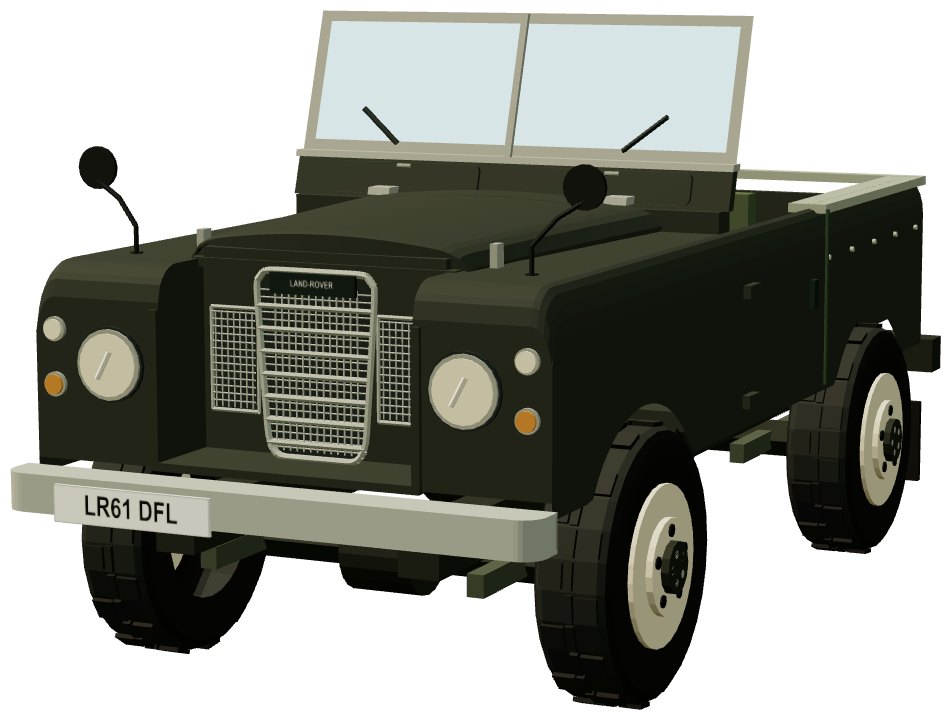
The first Land Rover: Maurice Wilks's aluminium-bodied stop-gap of 1948, built at Solihull on 80, 86, 88, 107 and 109-inch wheelbases until the Series II replaced it in 1958.
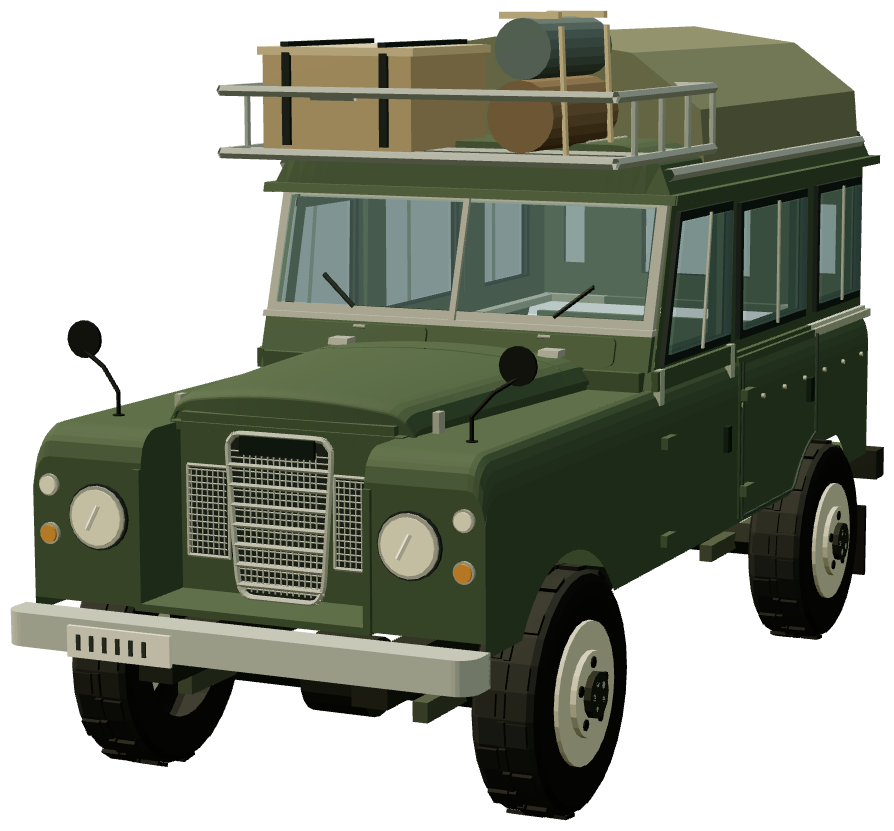
The Series II of April 1958 to September 1961: David Bache's barrel-sided restyle of the Land Rover on the 88 and 109-inch chassis, with the new 2.25-litre petrol engine and the first twelve-seat station wagon.
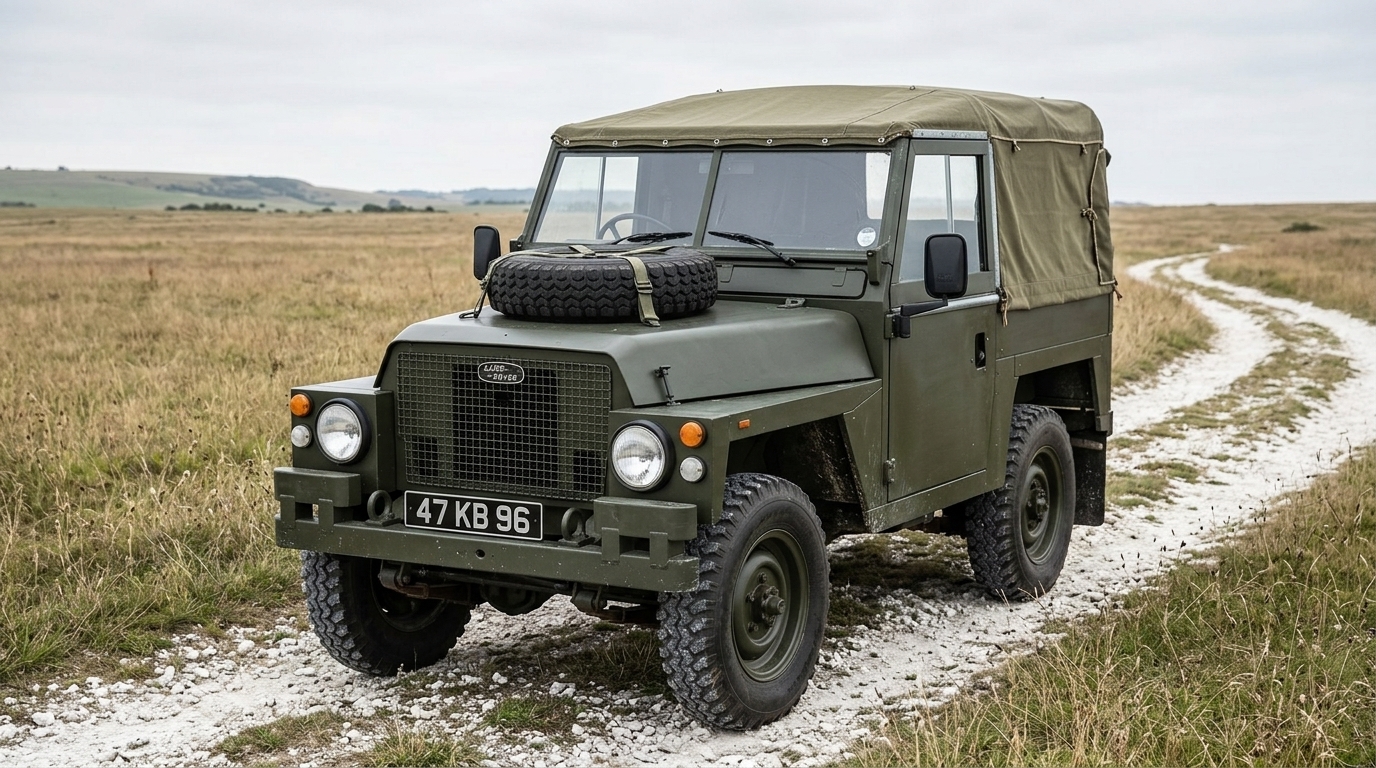
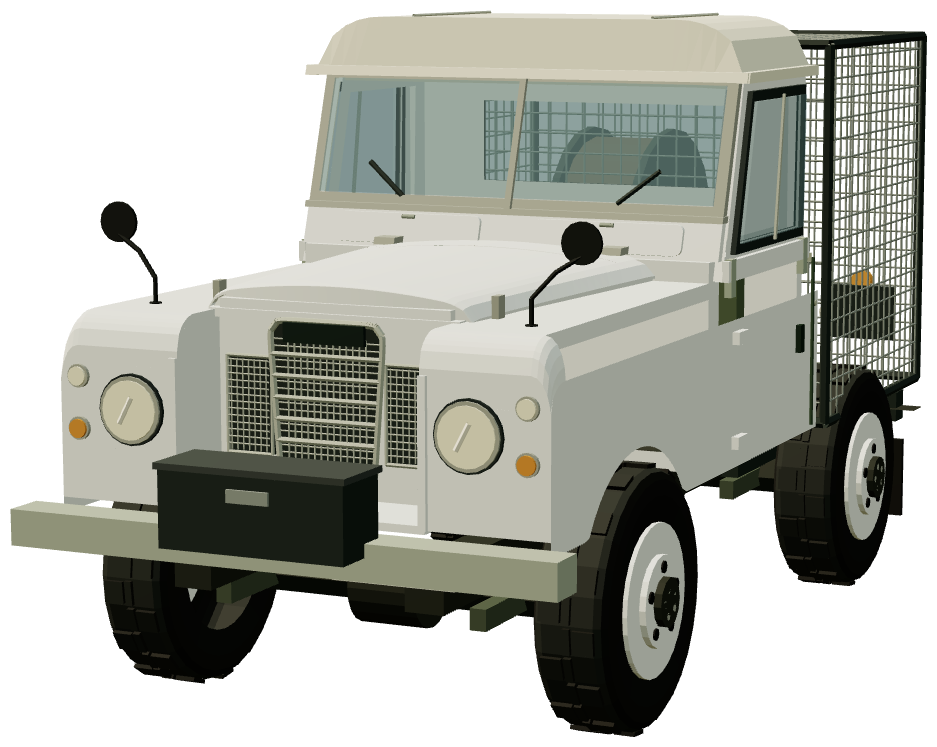
The Series IIA of 1961–1971: a bigger diesel, a six-cylinder 109, headlamps moved out to the wings, the Army's airportable Lightweight, and the years in which Solihull sold more Land Rovers than it ever would again.
The Series III of 1971–1985: the same body and engines as the IIA behind a plastic grille and a new dashboard, the millionth Land Rover in 1976, the V8 Stage 1 of 1979, the County of 1982, and the long hand-over to the coil-sprung Ninety and One Ten.
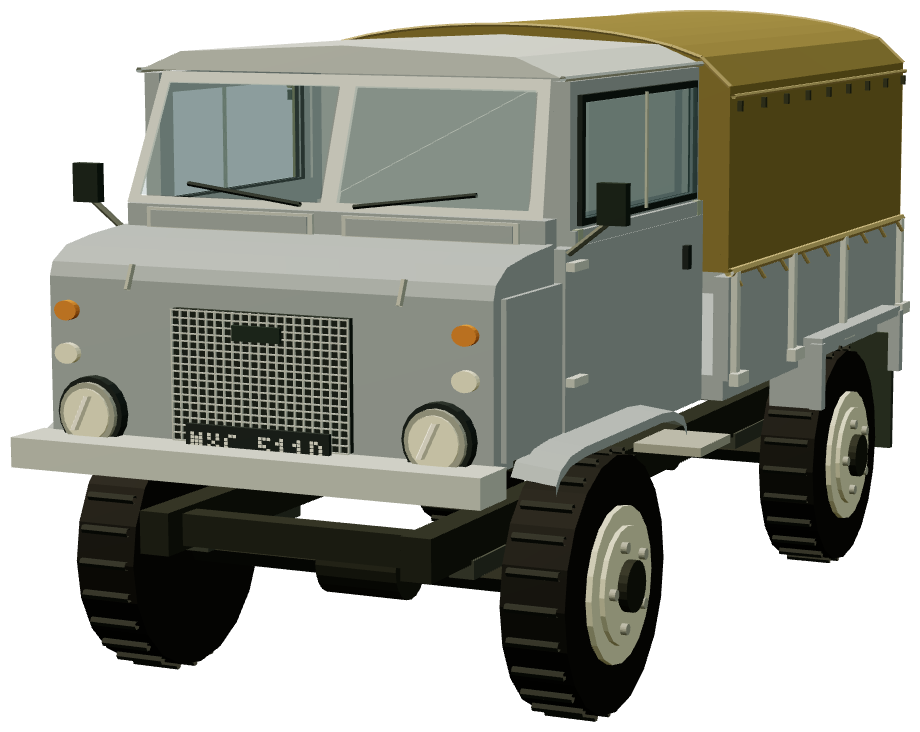
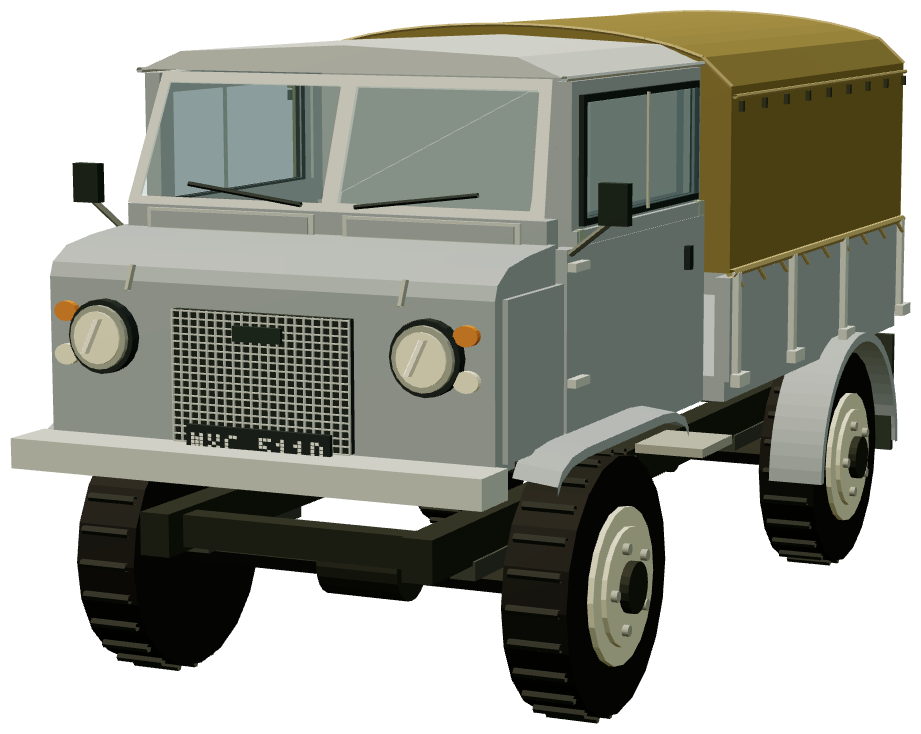
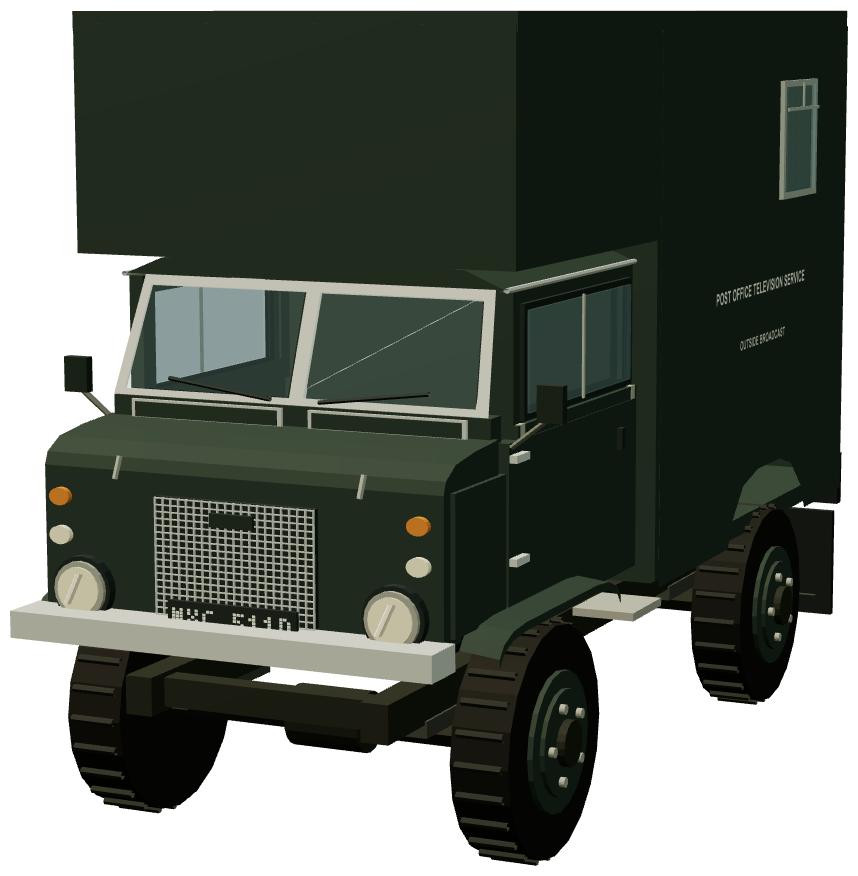
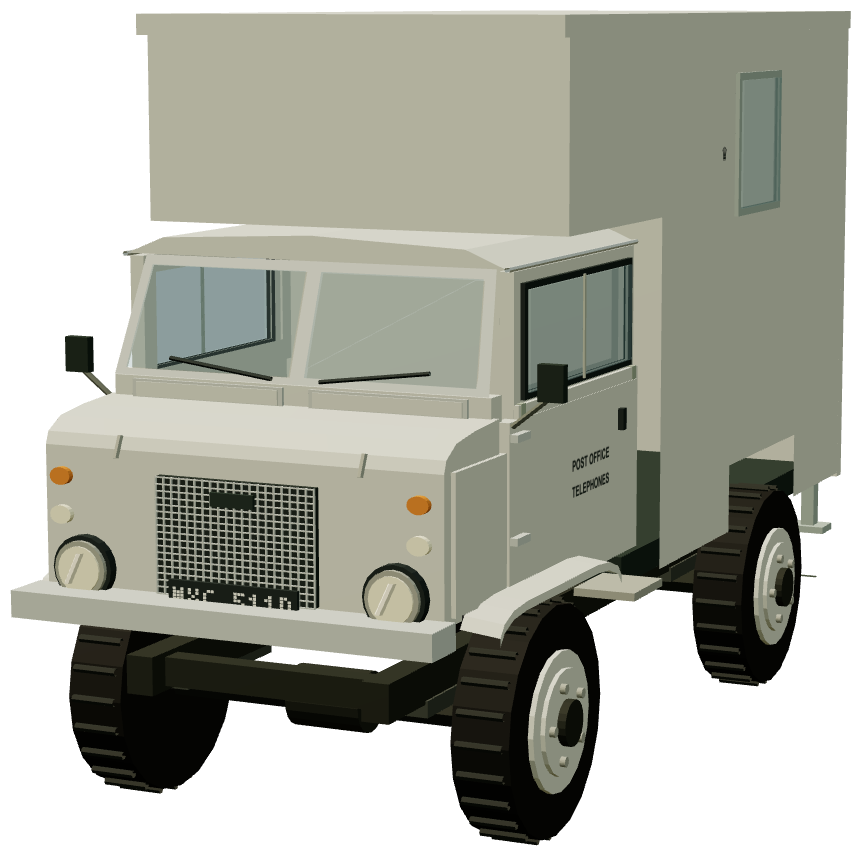
Land Rover's factory forward-control trucks: the Series IIA Forward Control of 1962–66, the wider-track Series IIB of 1966–72, and the Llama of 1985–88 that never reached production.
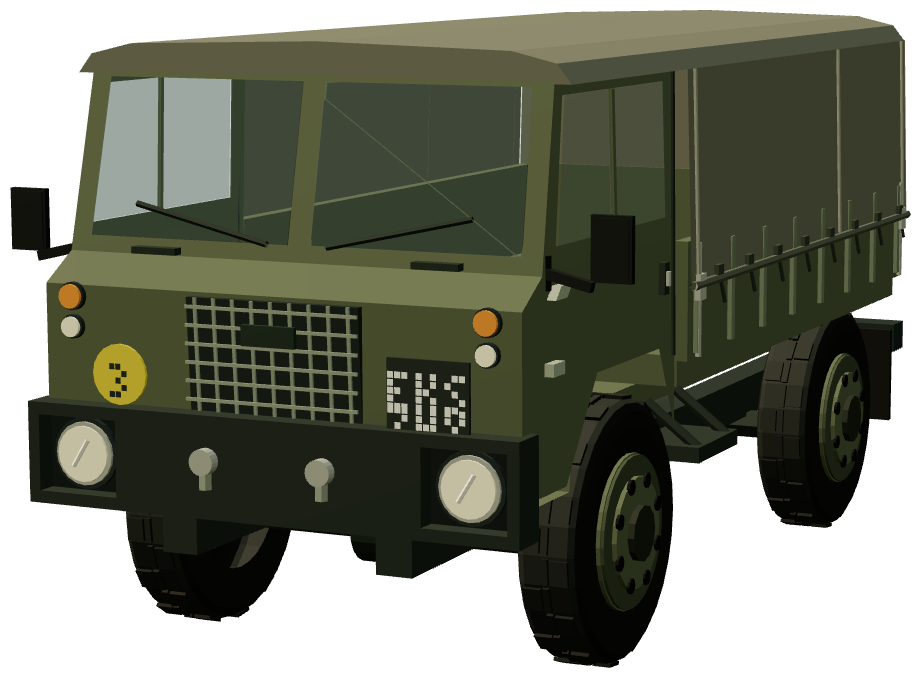
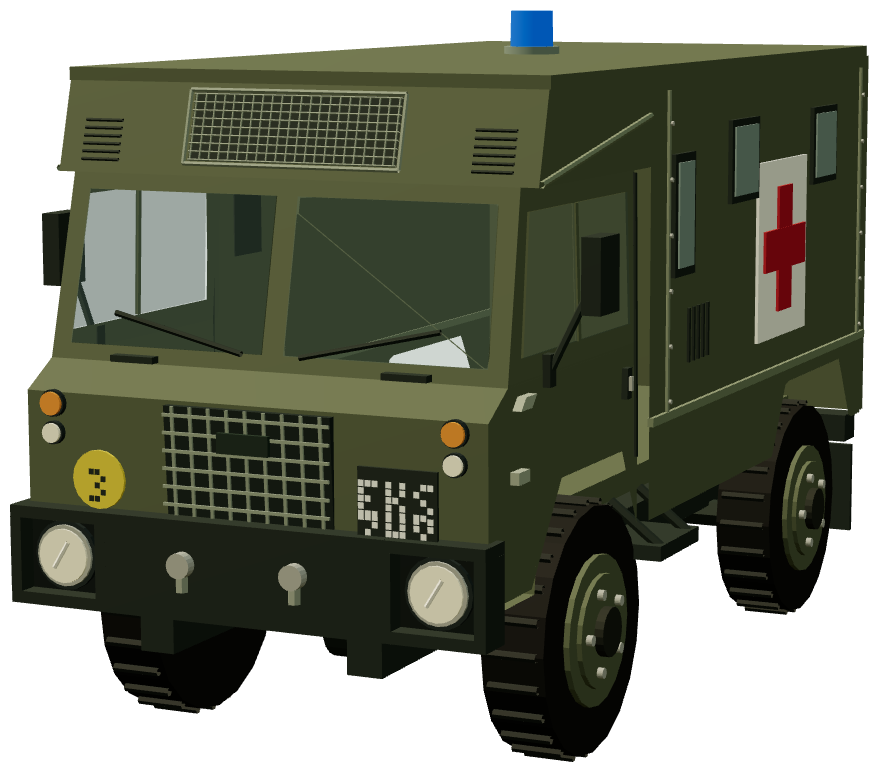
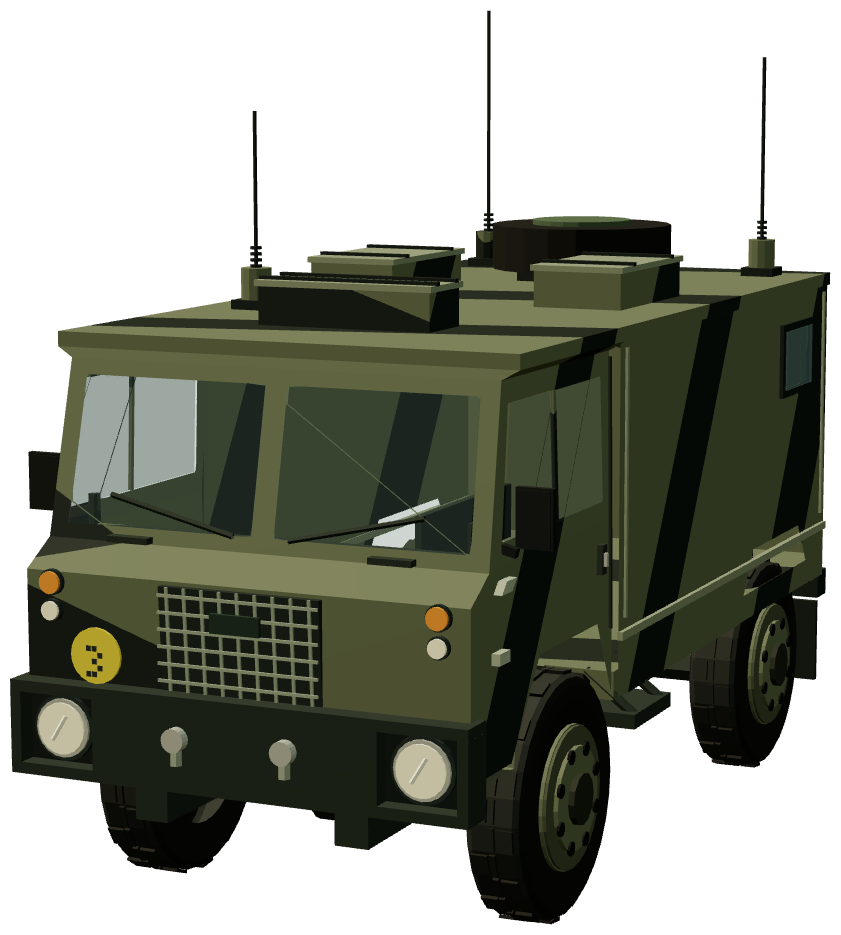
The Land Rover 101 Forward Control, the V8 one-tonne gun tractor built for the Ministry of Defence at Solihull between 1972 and 1978, in service with the British and Australian armies until the end of the 1990s.
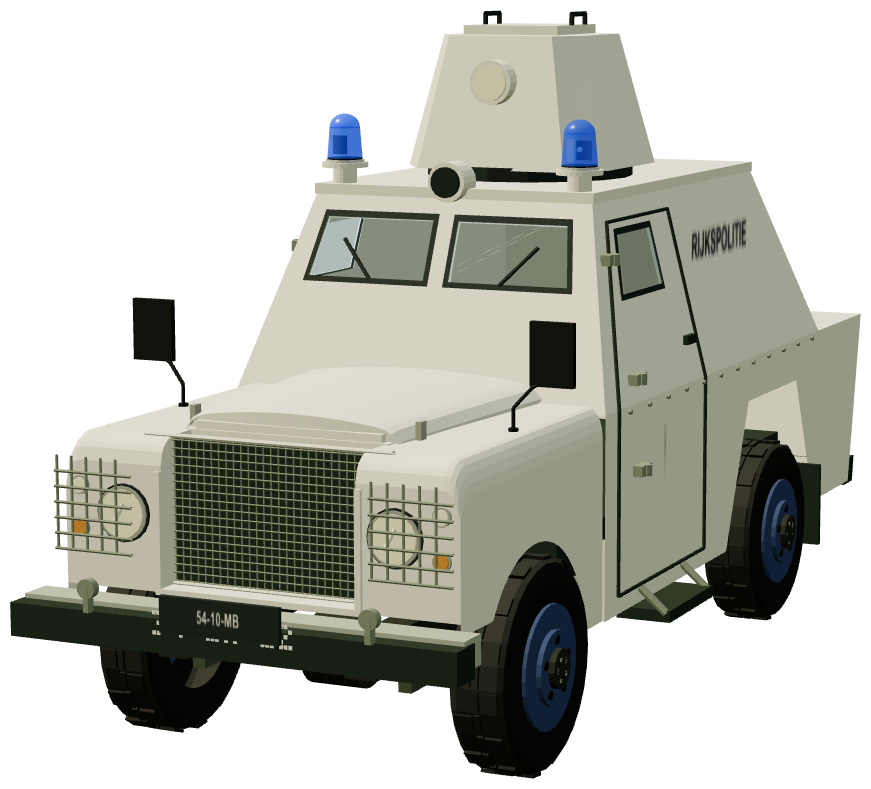
The coil-sprung One Ten, Ninety and 127 of 1983–85, badged Defender from 1990 and built at Solihull until 29 January 2016: Camel Trophy and G4 cars, the Army's Wolf and Snatch, the NAS exports and the expedition wagons.
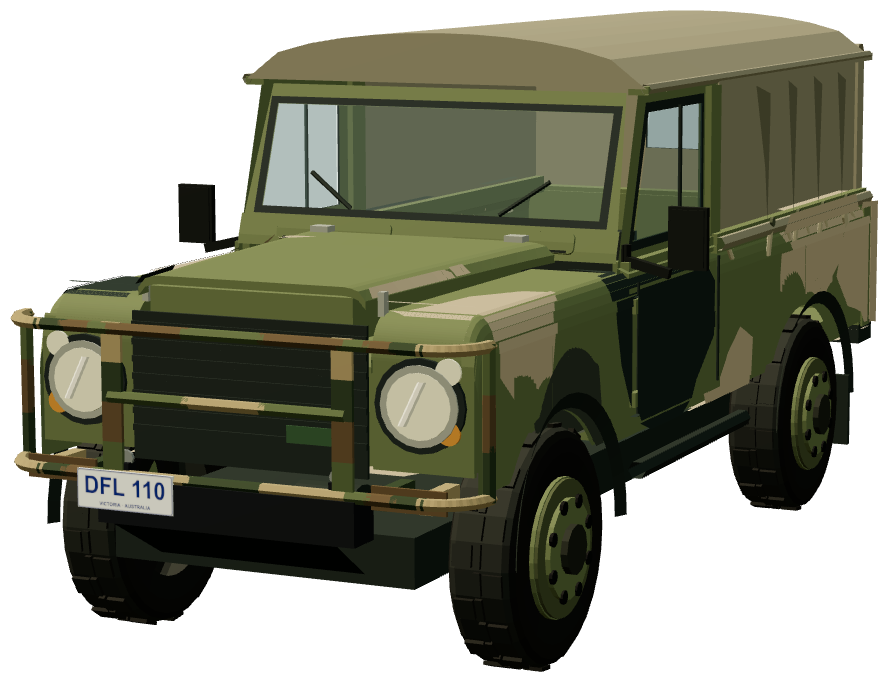
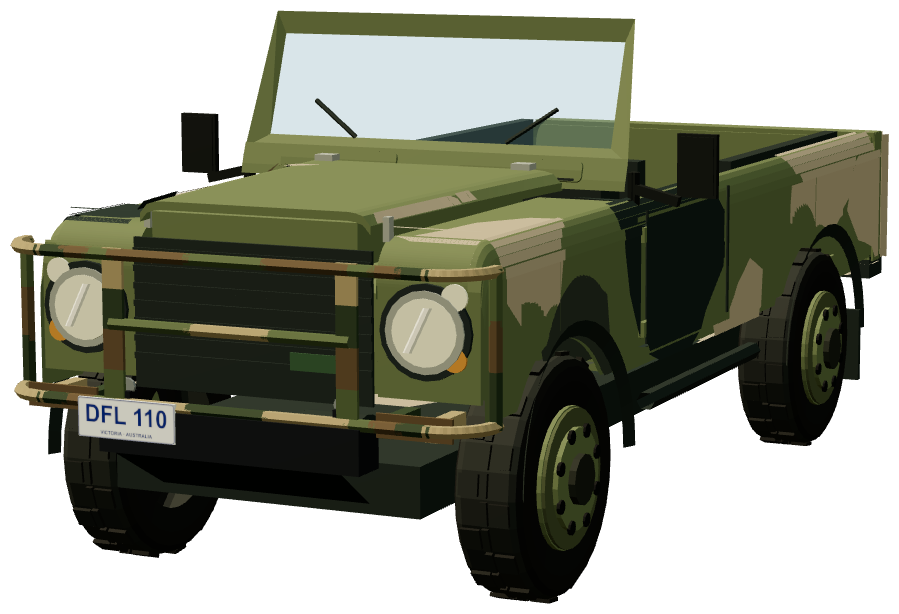
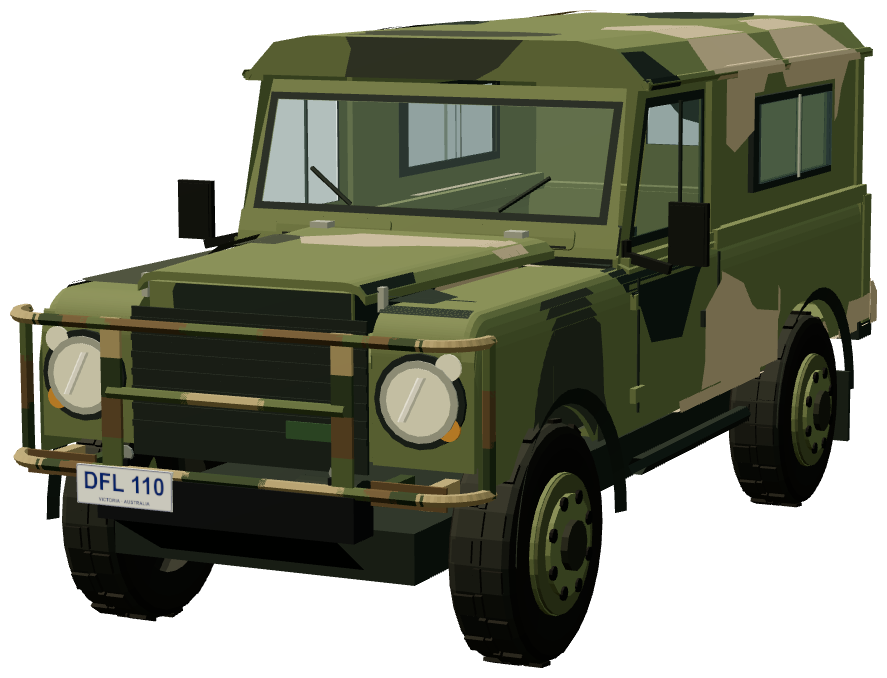
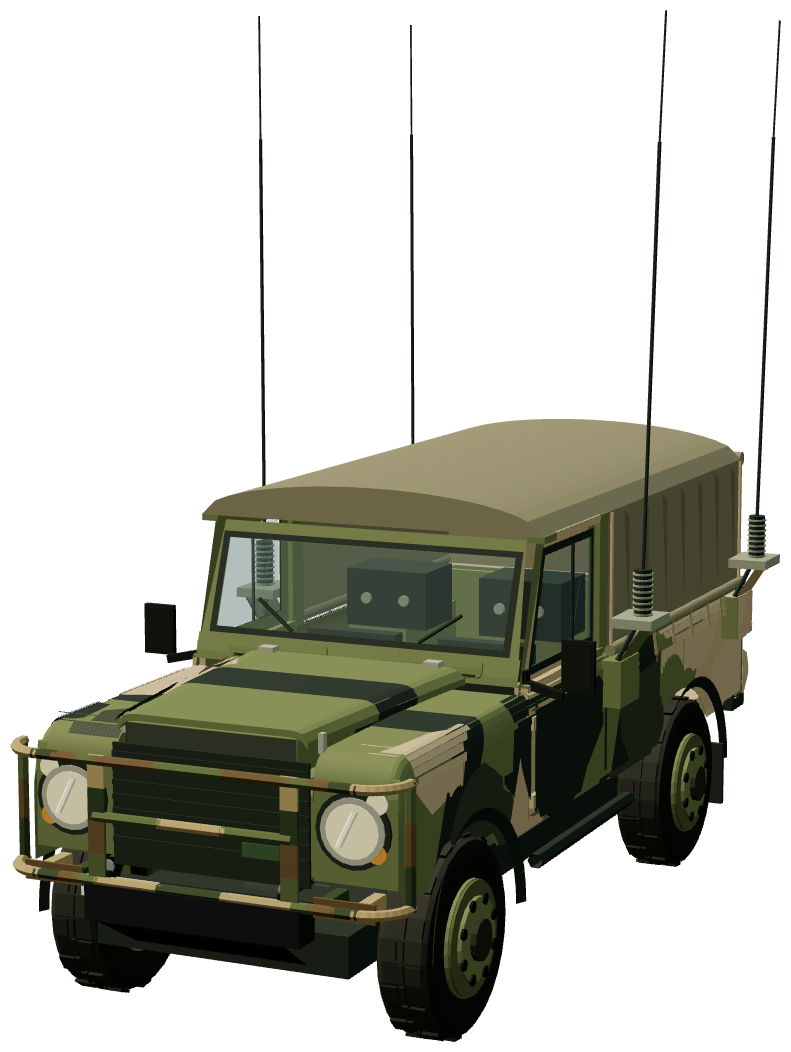
Project Perentie: the Isuzu-engined, galvanised-chassis 110 4×4 and the six-wheeled 2-tonner that Jaguar Rover Australia designed for the Australian Army, built at Moorebank from 1987 to 1992 and in service until the G-Wagon replaced them from 2012.