The Series III went on sale in September 1971 as a facelift of the Series IIA. The 88- and 109-inch leaf-sprung chassis, the Birmabright body, the 2.25-litre petrol and diesel fours and the 2.6 six for the 109 all carried straight over; the headlamps had already moved to the wings on the late IIA. What was new was the face — a one-piece moulded plastic grille in place of the wire mesh — and the cabin: a padded plastic dashboard with the instruments moved from the centre of the bulkhead to in front of the driver, an alternator in place of the dynamo, better brakes, and synchromesh on all four gears, a box the last suffix-H IIA station wagons had already used. The 2.25 petrol's compression rose from 7:1 to 8:1.
It stayed in production for fourteen years, through the British Leyland years and the creation of Land Rover Limited in 1978, and became the most numerous Series Land Rover of all. The registry's 68 Series III records run from the RAF's TACR1 crash tenders of the early 1970s to the Stage 1 V8 fire utilities of the Royal Australian Navy, by way of Camel Trophy 1983, Fred Dibnah's truck cab and the coastguard's cliff-rescue 88s. Four base models carry the marque's researched history in the collection: the 88, the 109 and the Stage 1 V8 in both wheelbases.
Launch and changes from the Series IIA (1971–1975)
6 VEHICLES IN THIS CHAPTERThe Series III launch was a matter of grille, dashboard and gearbox rather than chassis. Rover's engineers had already tried a Rover P6 2200TC engine in a 1970 Series III test car and built a pre-production long-wheelbase in 1971, both now at Dunsfold, but the production vehicle kept the IIA's running gear with the all-synchromesh box as its one real mechanical advance — a gearbox said by some owners to be weaker than the IIA's. From 1972 the Salisbury rear axle became standard on every 109, the Series III version of the Army's Lightweight replaced the IIA one, and the 1-Ton 109 continued until 1977. FXC 863L, 'the Birdcage', was a 1972 88 pick-up shown at the Motor Show and then put to work at Solihull as a winch-cable test truck. Factory sales to North America, never large, ceased in 1974.
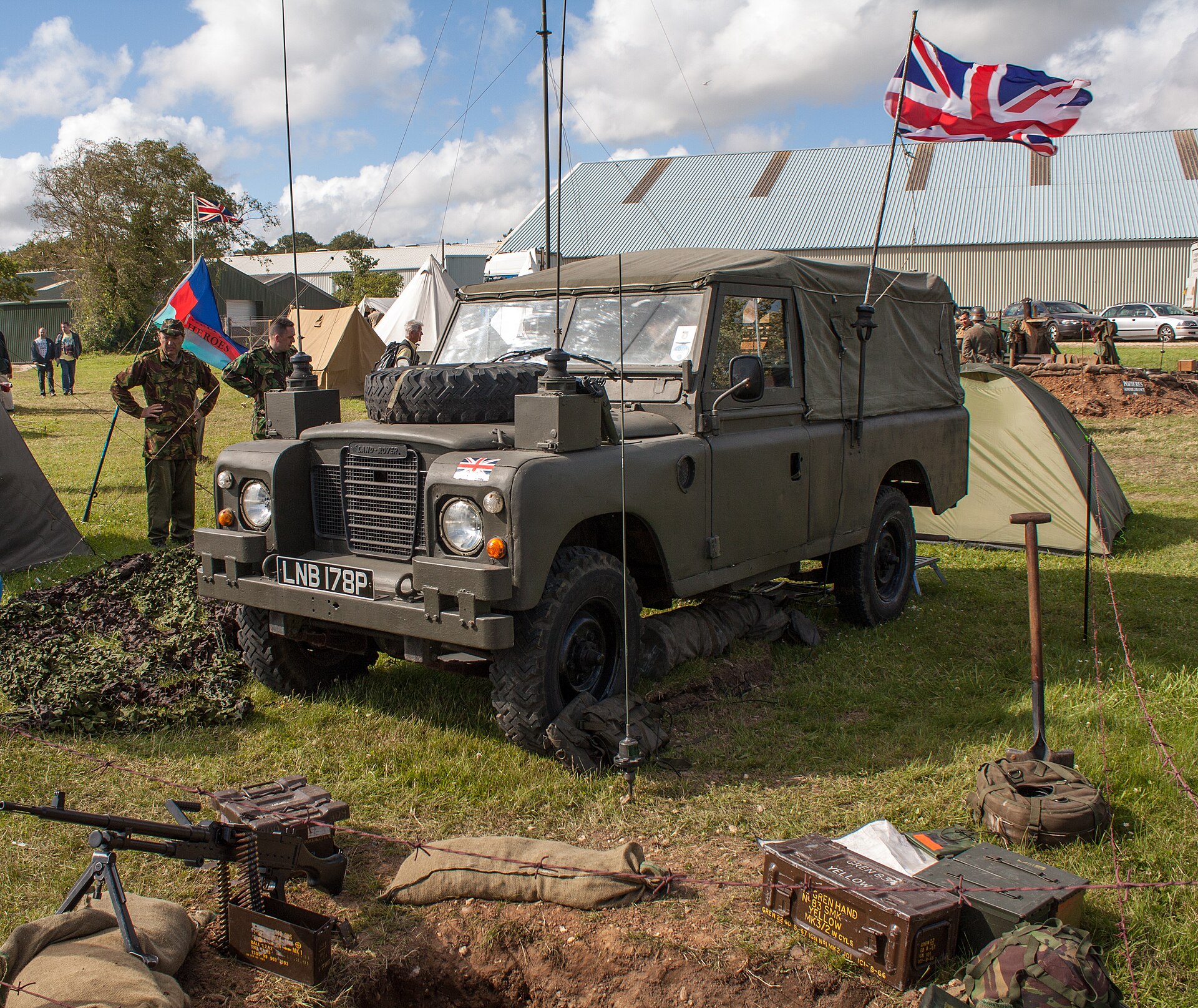
The fleets bought it as they had bought the IIA. HCB-Angus built the TACR1 rapid-intervention crash tender on uprated 1-Ton chassis for the RAF and Royal Navy from 1970 to 1976; Herbert Lomas bodied the Worcestershire Ambulance Service's HUY 944K in 1971–72; Carmichael of Worcester converted a 1975 Series III to its Redwing FT/5 fire specification; the Danish Army fitted a 1971 109 with a Sylvania telephone-exchange shelter; and the Royal Artillery ran 25 FG 73 as a photographic-interpretation vehicle. By the late 1970s the British Army had bought around 9,000 Series IIIs, mostly a heavy-duty 109 soft top with its own suspension and cross-member design in 12-volt GS and 24-volt FFR forms — the vehicle the registry lists as the UK military 109. Long-wheelbase Series IIIs also served the Royal Hong Kong Police in their hundreds, and Belgium's army took 88 staff cars in 1974–75 with 4×2 transmissions and limited-slip differentials.

_owned_by_Paul_Hazell_pic1.JPG)
.jpg)
The millionth Land Rover and Land Rover Limited (1976–1978)
6 VEHICLES IN THIS CHAPTERIn June 1976 the one-millionth Land Rover left Solihull: a Series III 88 station wagon finished in a non-standard metallic green, now on display at the British Motor Museum. The lrfaq.org tables give 1976 as a year of 48,514 Land Rovers, with Range Rover output — 12,207 that year — now a significant second line. Two years later British Leyland's restructuring hived the 4×4 business off as Land Rover Limited, the first time the vehicle had a company of its own. The registry's civilian records of these years are the Series III at its most ordinary and most recognisable: Fred Dibnah's red 1976–77 truck cab THP 36R, signwritten for the steeplejacking business; Rossi's Ice Cream's 1974 109 UPJ 934M with its tall van body; the AA's 1976 109 station wagon in all-over yellow; the 1977 blue 88 that became James Bond's Jamaican runabout in No Time To Die; ST Engineering's 1977–78 recovery truck THM 834S; and the Post Office telephones 88 of 1976–77 that ran on four triangular Snowtrac track units.
Australia had its own troubles. Land Rover had held ninety per cent of the country's four-wheel-drive market in the 1960s, but from the middle of the 1970s a coal-for-cars trade with Japan, poor-quality kits from Britain and Leyland Australia's inability to build enough vehicles at Enfield handed the fleets to Toyota and Nissan. Leyland Australia's answer in the mid-1970s was the GAME, an up-market short-wheelbase Series III for the recreational buyer with fifteen-inch white-spoke wheels, wheel-arch extensions, a swing-away spare carrier and a radio-cassette, sold only in 'Yellow Devil' with a white roof; it did not sell and was dropped in 1979. Denmark ordered 88 general-service soft tops in 1977, in service from 1978, and HM Coastguard began the run of blue-and-yellow 88s — cliff-rescue car TYO 286S of 1977–78 first — that appear throughout the rescue history.


Stage 1 V8 and permanent four-wheel drive (1979–1981)
6 VEHICLES IN THIS CHAPTERThe Stage 1 took its name from the first stage of a government-backed investment programme for Land Rover Limited, and it existed because the Toyota Land Cruiser and Nissan Patrol, with powerful six-cylinder engines, were taking Land Rover's markets in Australia and Africa. Eleven 109 prototypes were built between early 1976 and mid-1977, one of them a left-hand-drive hot-weather car in export brown that survives at Dunsfold, and the production vehicle went on sale in 1979. It combined the Range Rover's 3.5-litre aluminium V8, detuned from 135 to 91 bhp, with the Range Rover and 101 Forward Control's LT95 four-speed gearbox and lockable centre differential, so it was the only Series Land Rover with permanent four-wheel drive; the longer drivetrain pushed the radiator forward to a flush grille, the face the One Ten would inherit. The leaf springs stayed. The six-cylinder 109 was dropped in mid-1980, and in the same year the 2.25 fours were re-engineered with five main bearings and the transmission, axles and hubs strengthened, the last of a series of fixes for the 109's chronic half-shaft breakages.
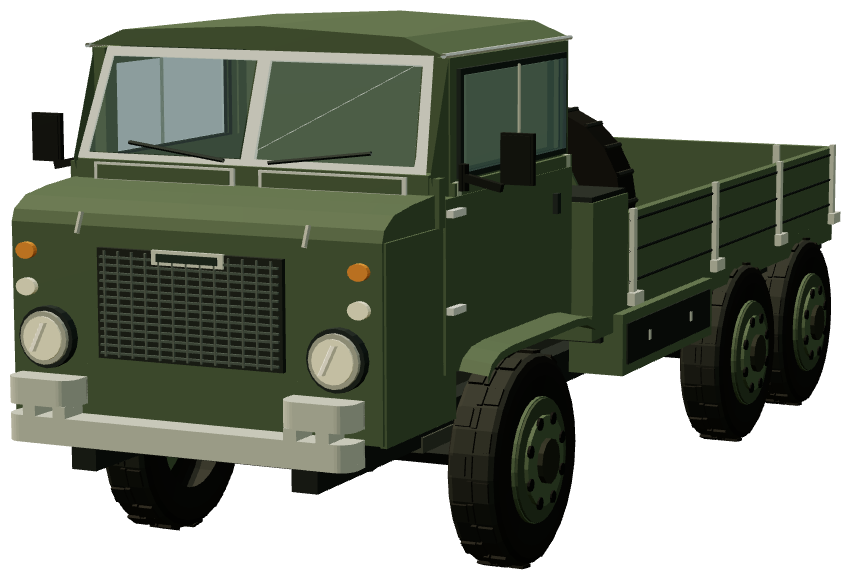
Most Stage 1s were exported. The 88-inch version was rare enough that its number is disputed: Wikipedia says 24 were built, while Dunsfold records four prototype 88s of 1981 on modified Series III chassis, two truck cabs sent to the Middle East and two station wagons, one of which, HOJ 573W, survives at the collection. New Zealand's army bought 566 Stage 1 109s, in service 1982–86, and Australia offered the same vehicle from 1982 with a 3.9-litre, 97 bhp Isuzu 4BD1 diesel in place of the V8. The Stage 1 also carried the marque's last expeditions: two Land Rovers on the Transglobe Expedition's Sahara crossing in 1979, one of them Ginny Fiennes' HF radio station, and a fleet of new Stage 1s on the Royal Geographical Society's International Karakoram Project in 1980. The V8 chassis went straight to the converters: British Gas's 109 van with a telescopic mast, the Royal Australian Navy's fire utilities, and the six-wheel Hotspur and Sandringham conversions described in the police and military histories.


.jpg)
County, High Capacity Pick-Up and the Camel Trophy (1982–1983)
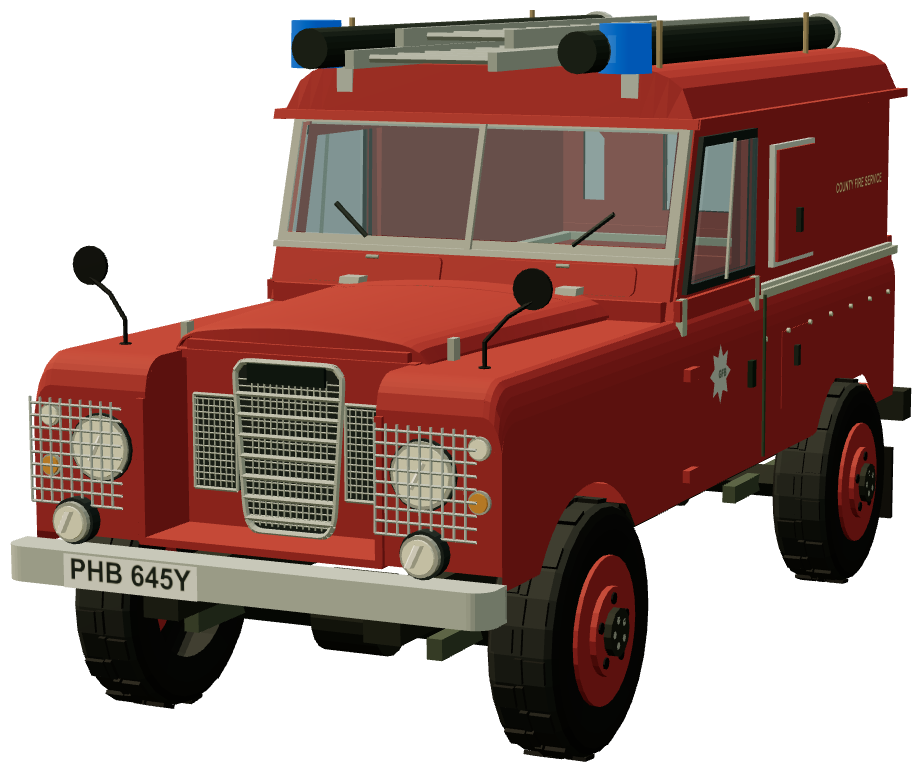
6 VEHICLES IN THIS CHAPTERIn April 1982 Land Rover introduced the County station wagon on both wheelbases — cloth seats from the Leyland T-45 lorry, soundproofing, tinted glass and side decals, the first Series Land Rover trimmed for a leisure buyer, and a name that lasted into the Defender era — together with the High Capacity Pick Up, a 109 with a load bed of 25 per cent more volume and heavy-duty suspension that utilities and builders took to at once. The same year the rear half-shafts went from 10 to 24 splines, which all but ended the breakages. Gwent Fire Brigade's PHB 645Y is a 1982 109 appliance; SEEBOARD and the Southern Electricity Board ran six-wheel Stage 1 line-tensioners and cherry-pickers rebuilt by Hotspur in 1983–84; HM Coastguard's KYU 893X of 1981–82 and A259 SYM of 1983–84 are the 88s of the marque's last years.
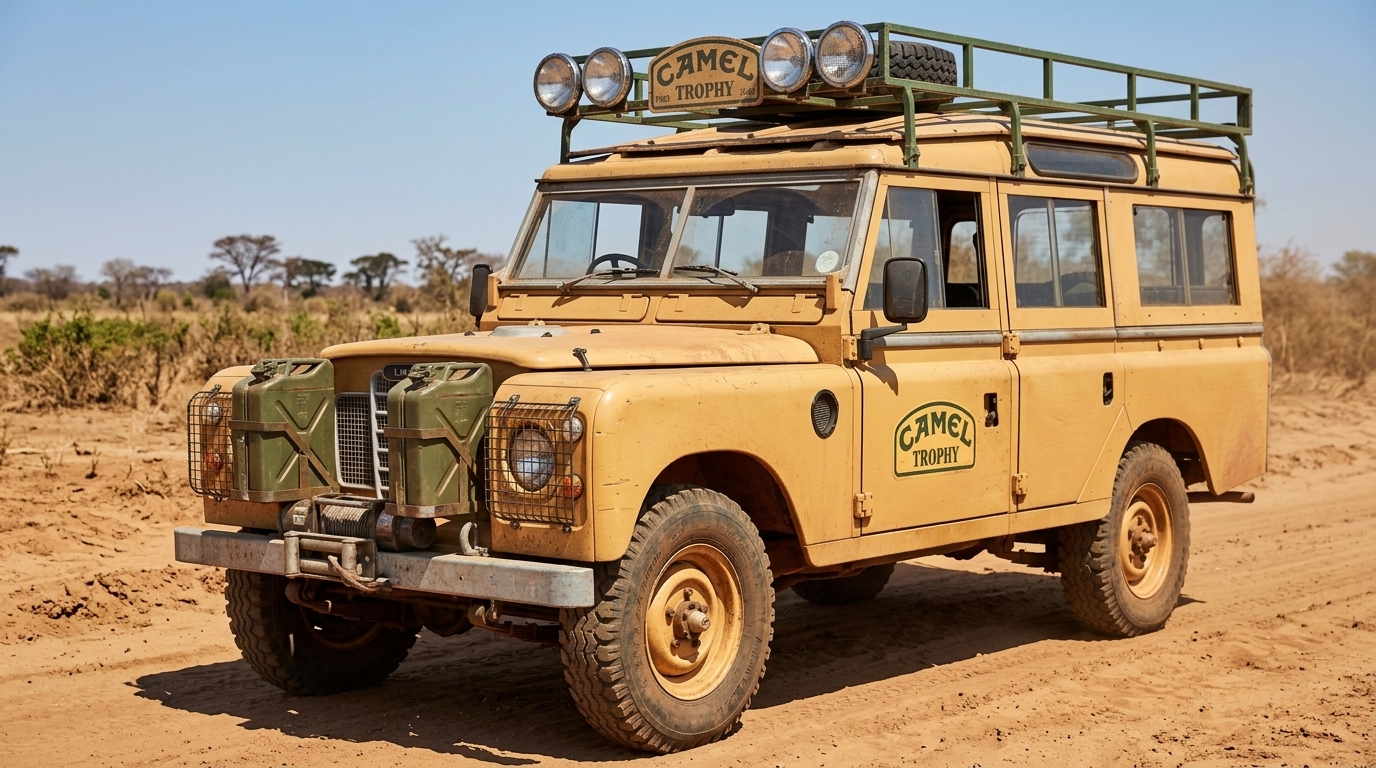
The Series III's best-known outing came at the end. For the 1983 Camel Trophy in Zaire the seven competing teams drove 2.25 diesel Series III 88 station wagons with 109 support cars, the event's first Land Rovers after two years of Range Rovers; the Dutch pair Henk Bont and Frans Heij won, and in 1984 the teams moved to the new One Ten. The One Ten itself had arrived in 1983 on coil springs, and in Australia the Toyota Land Cruiser became the best-selling 4×4 that year. In Spain, Santana's parallel line of Series-derived vehicles — entirely locally made since 1968 and, from 1977, available with the company's own 3,429 cc six-cylinder diesel, which the registry catalogues as the Santana diesel — had by now diverged far enough that Land Rover and Santana ended their non-compete agreement in 1983, though the licence itself ran to 1990.


The Ninety and the end of production (1984–1985)
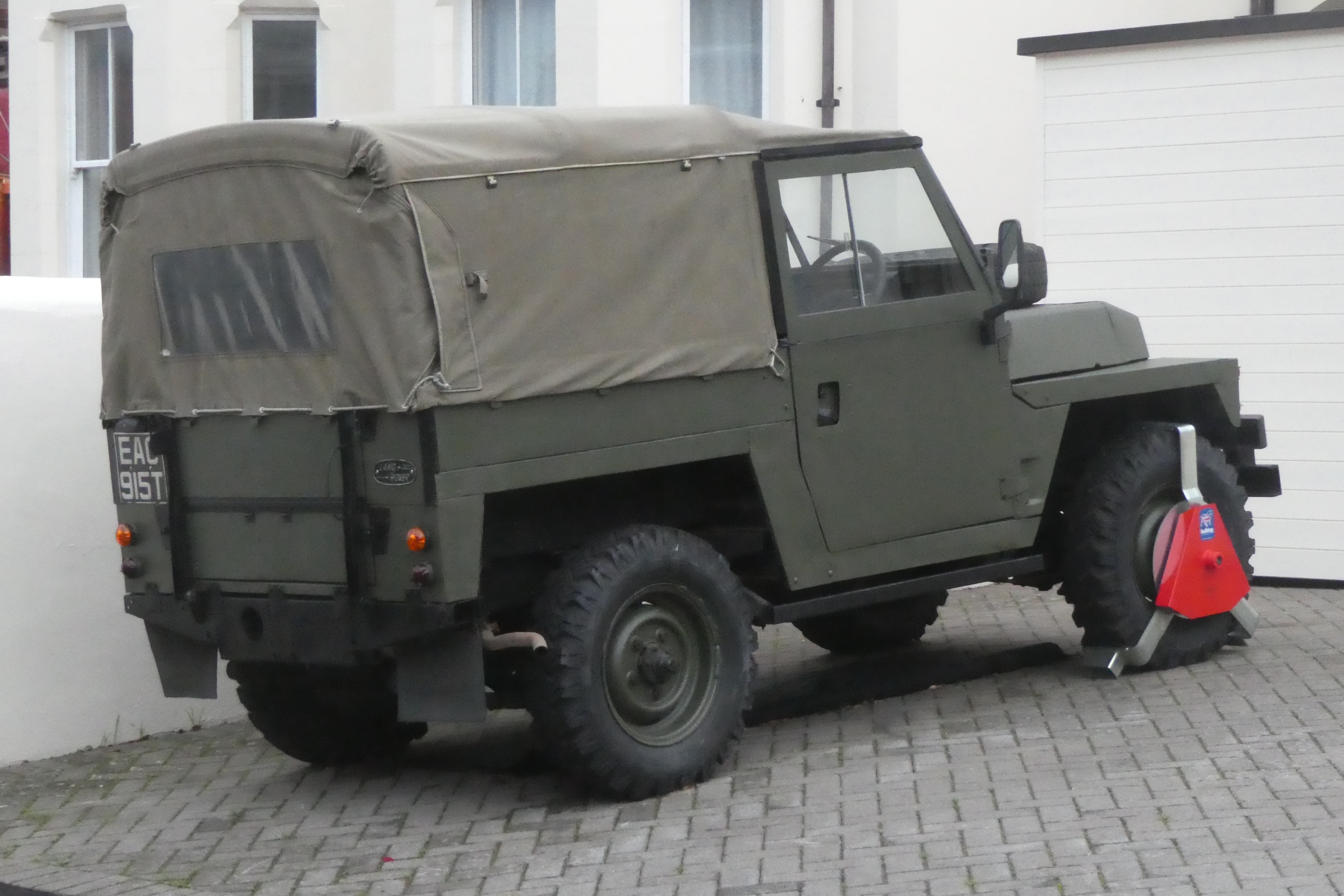
6 VEHICLES IN THIS CHAPTERThe Ninety followed the One Ten in 1984 — June, by John Brown 4x4's account — and the short Series III was effectively finished; the lrfaq.org tables put Series III output at 5,800 88s and 9,600 109s in 1983, 4,000 in 1984 and 3,000 in 1985 as remaining fleet and export orders were worked through, against 21,562 and 28,046 coil-sprung vehicles in those years. The Lightweight ended in 1984 after 37,897 of both series. Stage 1 sales are variously given as ending in 1982 (Dunsfold), 1983 (Silodrome) or 1985 (Wikipedia and the collection's base-model research); New Zealand's deliveries ran to 1986. The Danish Army was still fitting Marshall ambulance bodies and commander's caravans to Series III 109s in the 1980s and 1990s, and the Royal Navy's Portland fire and rescue truck Q877 OBP and the RAF's helicopter-servicing platforms kept 109 hard tops in service well past the end of production.
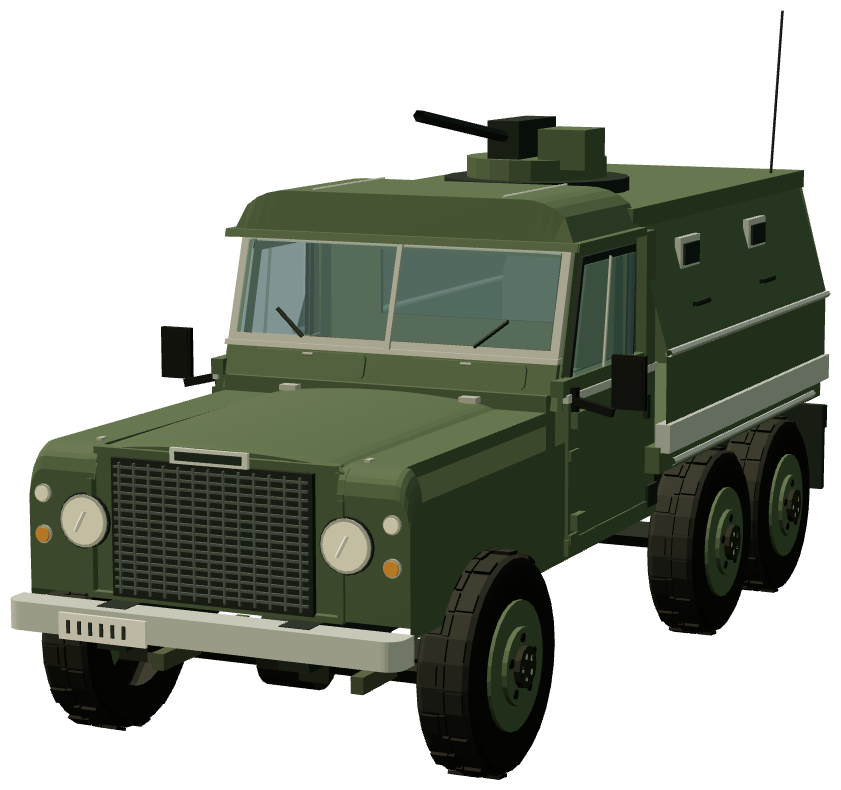
The Series III's afterlife has been long. Armoured Shorland Mk 3 and Mk 4 patrol cars and SB301 and SB401 personnel carriers stayed in production on Series III and Stage 1 chassis until 1990; Portugal's Campo de Besteiros fire brigade was still running a Series III-cabbed light appliance in 2011; the 'Beer Landy' 109 served as a mobile bar until 2015; a 1973 Shorland became Margaret, The Iron Landy in Las Vegas; and the British Army 88 soft top of The Living Daylights' Gibraltar chase was filmed in 1986–87, after the last one had been built. The type the marque handed on was not so much a vehicle as a layout: the Stage 1's permanent four-wheel drive and locking centre differential, its flush V8 front and the County's cloth seats all went straight into the Ninety, One Ten and Defender.
_(50546626261).jpg)
Base models
The structural configurations the registry and the Creator build from; each page carries the researched specification.On expedition
3 documented expeditions driven in this marque · all expeditionsIn service
Where the registry's Series III records worked; each opens the themed history.Manufacturers
Sources
- Land Rover series — Series III, Stage One V8, One-ton 109 inch, Australia, Military, Santana — Wikipedia (440,000 built 1971–1985; plastic grille, dash, all-synchro box, compression 7:1 to 8:1; Salisbury axle; North American sales ended 1974; millionth Land Rover 1976; five-bearing engines and strengthened transmission 1980; 24-spline shafts 1982; County April 1982 and HCPU; Stage 1 detuned to 91 hp, LT95, permanent 4WD, 24 88s, NZ Army 566, Isuzu 4BD1 1982; 1-Ton to 1977 with 238 SIII home-market cars; ~9,000 British Army Series IIIs; GAME dropped 1979; Toyota best-seller by 1983; Santana non-compete ended 1983; Land Rover Ltd 1978–1985)
- Land Rover Production by Year — Land Rover FAQ (Benjamin Smith, Ottawa Valley Land Rovers), from James Taylor's figures in Land Rover Owner and Land Rover World (Annual totals 1971–1985 including the 1976 figures, Lightweight and 1-Ton sub-totals, the 2,363 built in November–December 1979 after the change to VINs, and the 1983–85 run-out figures against Ninety/One Ten output)
- Series 3 Land Rover Guide — John Brown 4x4 (Introduced September 1971; six-cylinder 109 to mid-1980; five main bearings from 1980; Ninety from June 1984; production into 1985; precise per-wheelbase figures not available)
- Land-Rover Series III (1971-1983) — allisons.org (October 1971 details (plastic grille, hinges, padded dash, all-synchro box said to be weaker); Salisbury standard and SIII Lightweight 1972; US imports end 1974; 1,000,000th Land-Rover June 1976; 110 in 1983)
- The Land Rover History: Series III Land Rovers — Winwaed (Richard Marsden) (Alternator replacing dynamo, improved brakes, relocated instruments; Salisbury on all 109s from 1972; Stage 1 1979; replacement by the 110 and 90 in 1983 and 1984)
- 1977 Land Rover Stage 1 109″ Prototype — The Dunsfold Collection (Eleven known Stage 1 109 prototypes built early 1976 to mid-1977; LHD export-brown hot-weather car; Stage 1 as the replacement for the six-cylinder 109, sold 1979–1982)
- 1981 Stage 1 88-inch Prototype (HOJ 573W) — The Dunsfold Collection (Four prototype 88-inch Stage 1s built in 1981 on modified Series III chassis: two utilities delivered to the Middle East, two station wagons)
- Series III — The Dunsfold Collection — The Dunsfold Collection (1970 Series III with Rover P6 2200TC test engine; 1971 pre-production long-wheelbase; 1972 winch-cable vehicle; 1975 Carmichael Redwing FT/5; Stage 1 prototypes)
- One millionth Land-Rover (1976) — Roger Wasley, Flickr (British Motor Museum display) (The 1,000,000th Land Rover was a 1976 Series III 88 in a non-standard metallic green, displayed at the British Motor Museum)
- A Brief History of the Land Rover Series 3 — Silodrome (Millionth at Solihull 1976; Stage One 1979 to 1983; three to five main bearings 1980; HCPU and County April 1982; production 1971–1985)
- Camel Trophy — Wikipedia (1983 Zaire: team vehicles Series III 88, support Series III 109; winners Bont and Heij (Netherlands); Range Rovers in 1981–82 and the 110 from 1984)
- Land Rover 1/2 ton Lightweight — Wikipedia (Series III Lightweight 1972–1984; 37,897 built in all)
- Santana Motor — Wikipedia (100% local content by 1968; own engines and models from 1968; non-compete agreement ended 1983; licence terminated 1990)
- Land Rover Defender — Wikipedia (One Ten launched 1983, Ninety 1984, replacing the Series Land Rovers; Australian Stage 1 with Isuzu diesel)
- Land Rover Series 3 — Vehicle History — John Craddock Ltd (Five-bearing crankshafts 1980; County station wagons April 1982; 1971–1985)
Series III records in the registry
71 records, oldest first.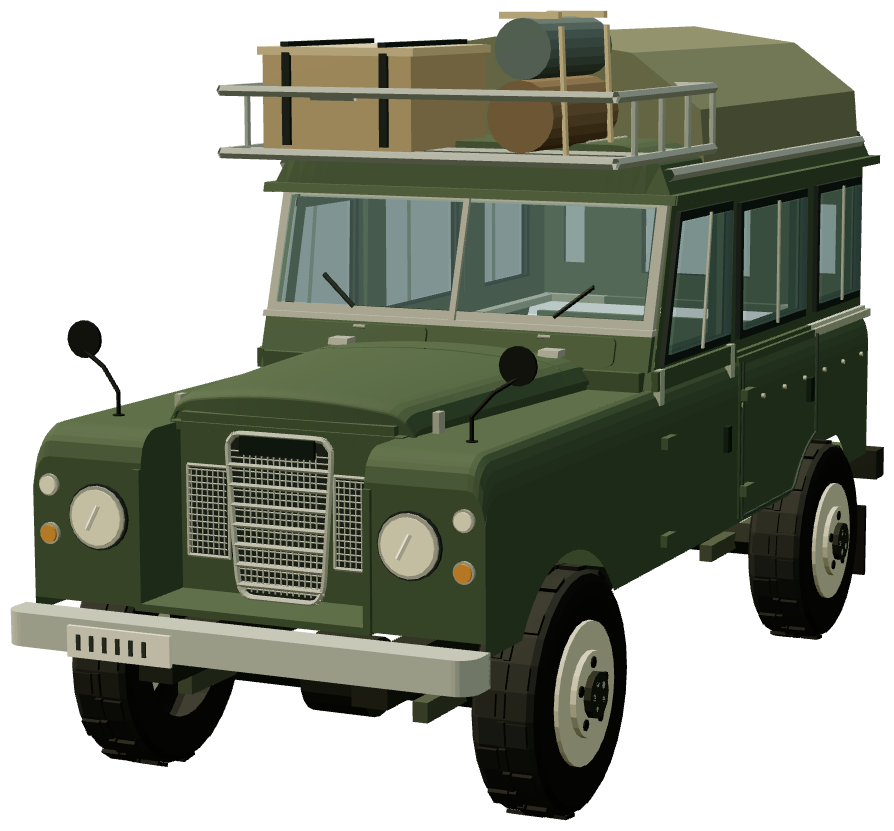 Carawagon1960–85 · United Kingdom
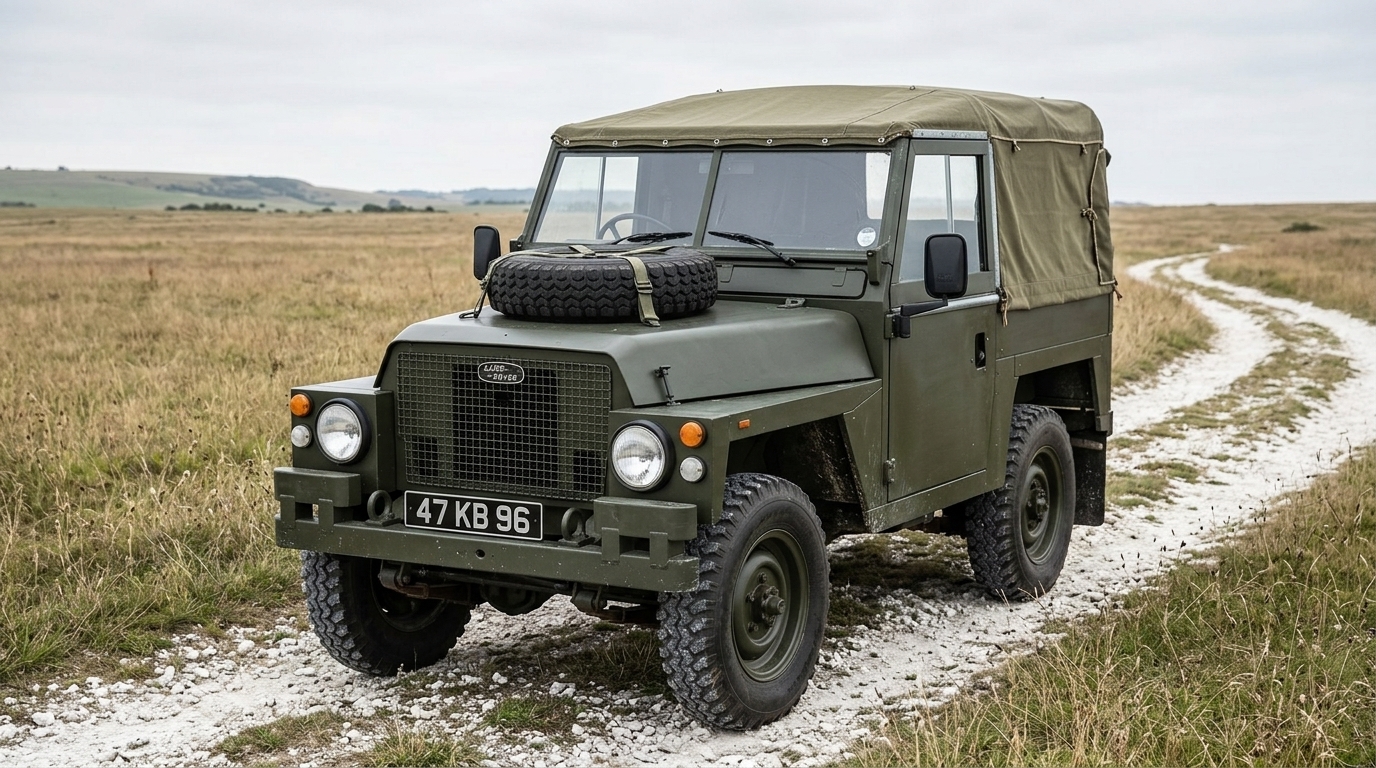 Half Ton Lightweight1968–84 · United Kingdom
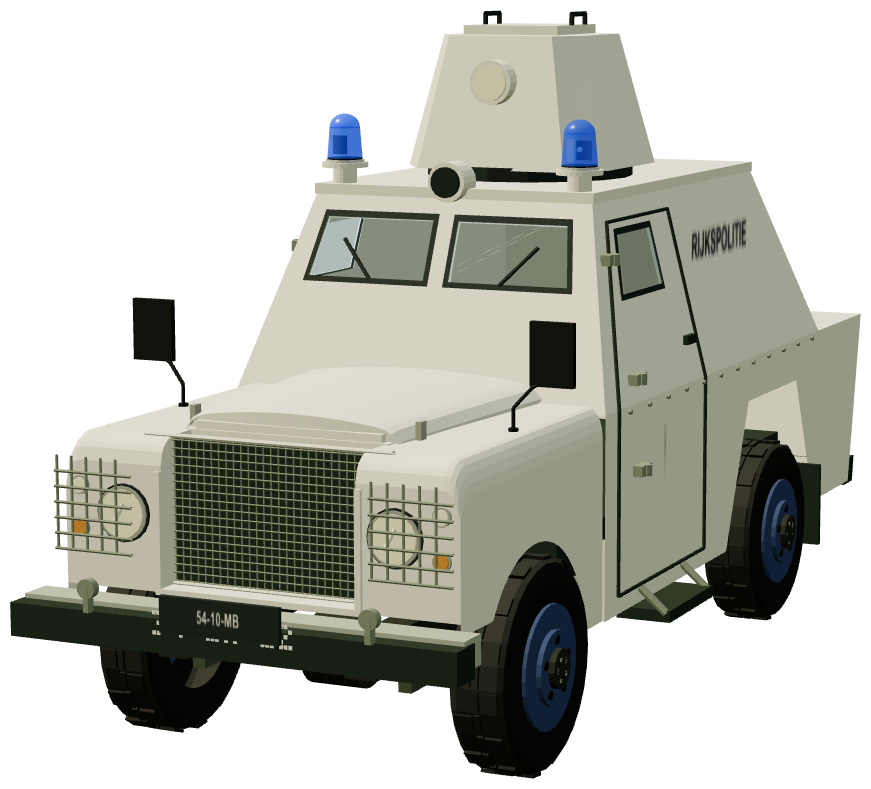 Shorland Mk 3 APC · Rijkspolitie1969–80 · United Kingdom
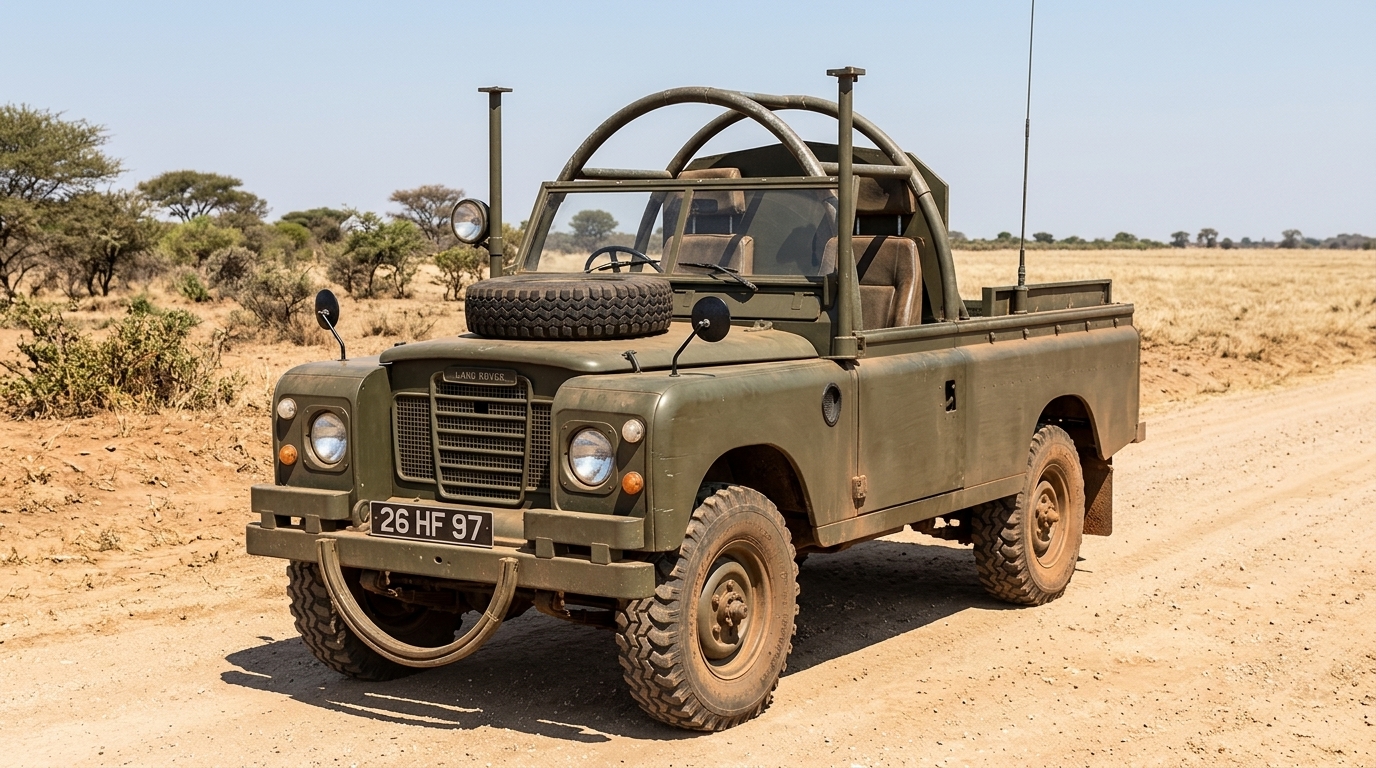 Mine Protected Land Rover1970 · United Kingdom
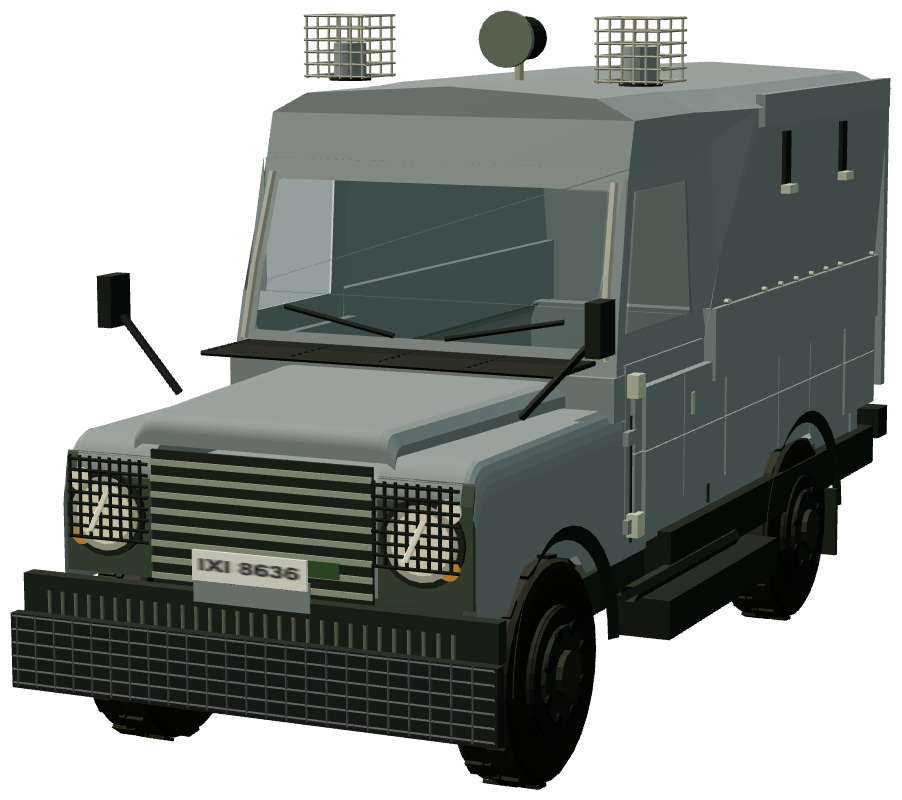 RUC Hotspur Armoured Land Rover1970 · United Kingdom
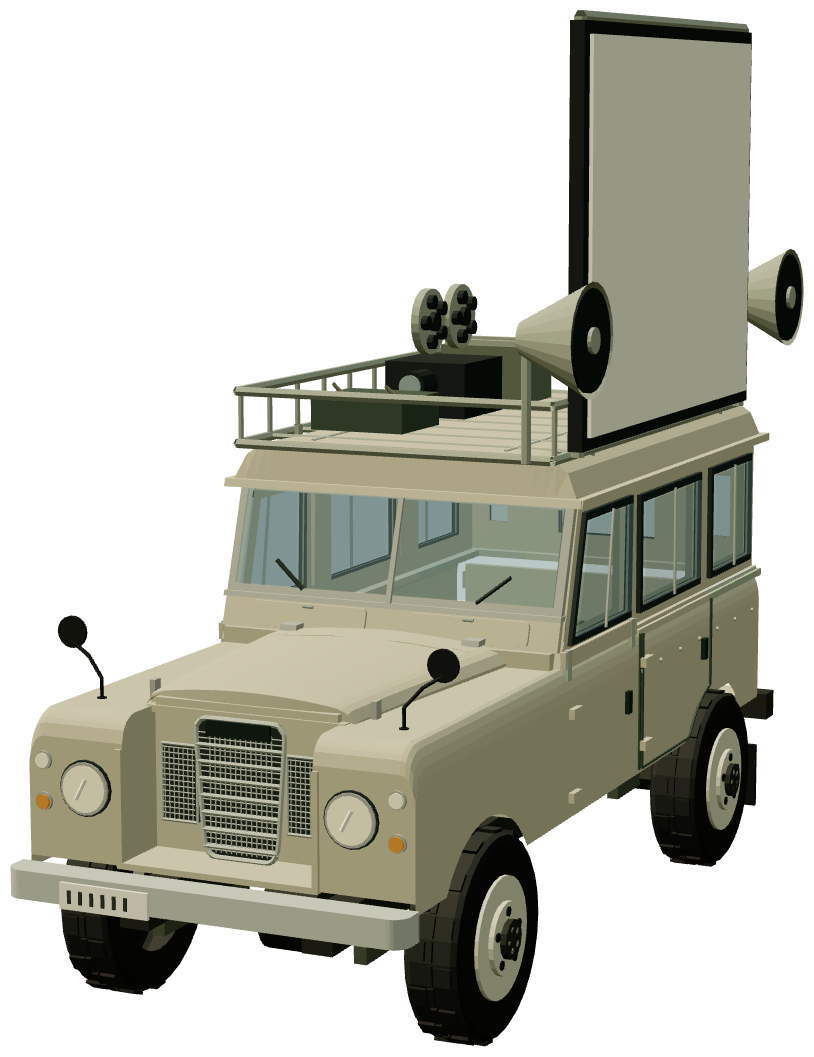 Series III Mobile Cinema1970 · United Kingdom
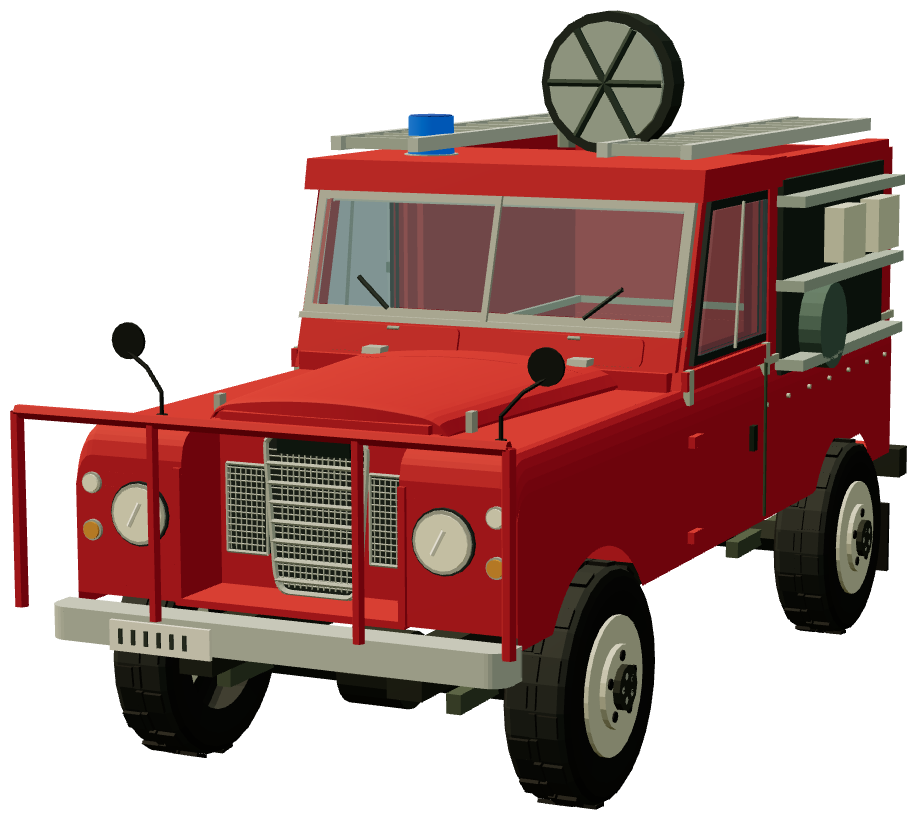 TACR11970–76 · United Kingdom
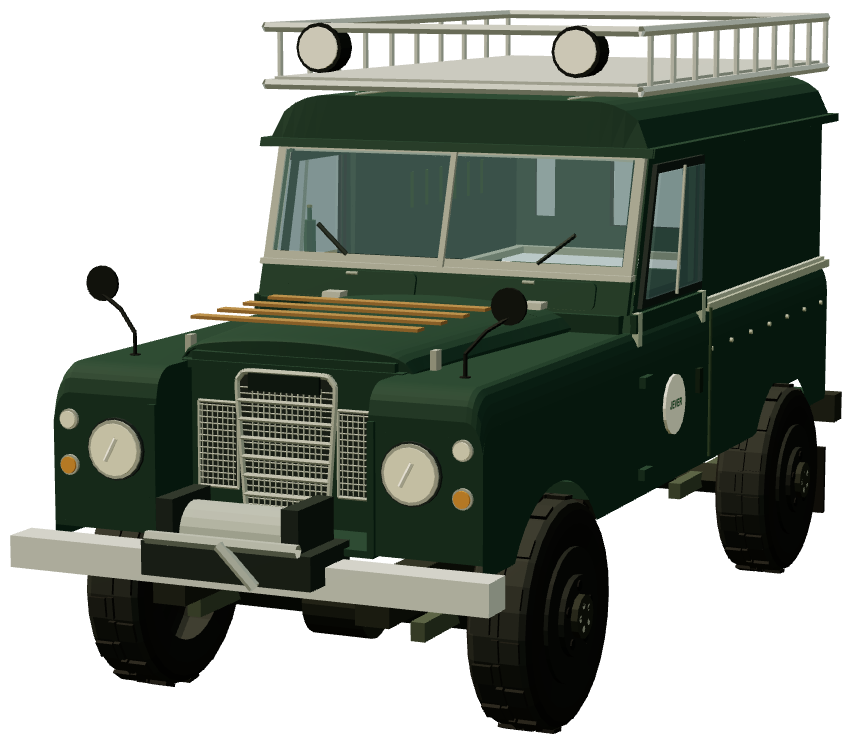 Beer Landy Series III Bar1971 · Germany
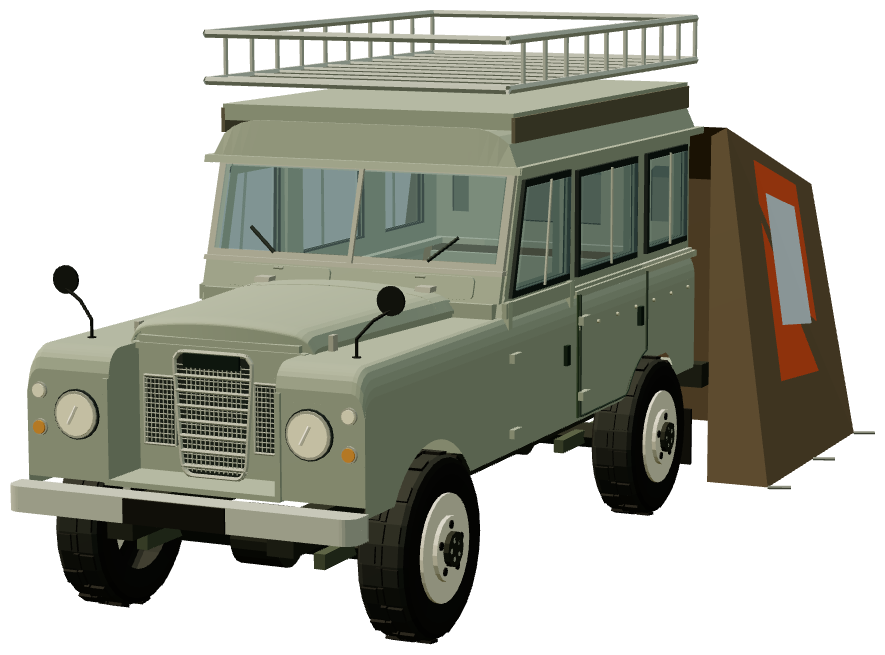 Carawagon Continental1971–85 · United Kingdom
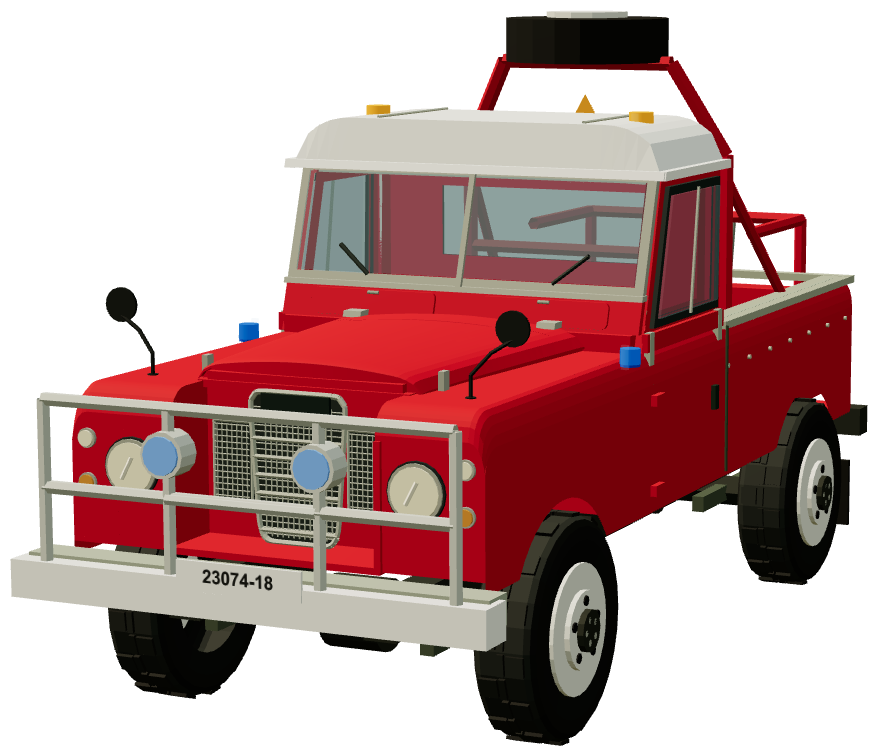 Casablanca Breakdown Series III 1091971–85 · United Kingdom
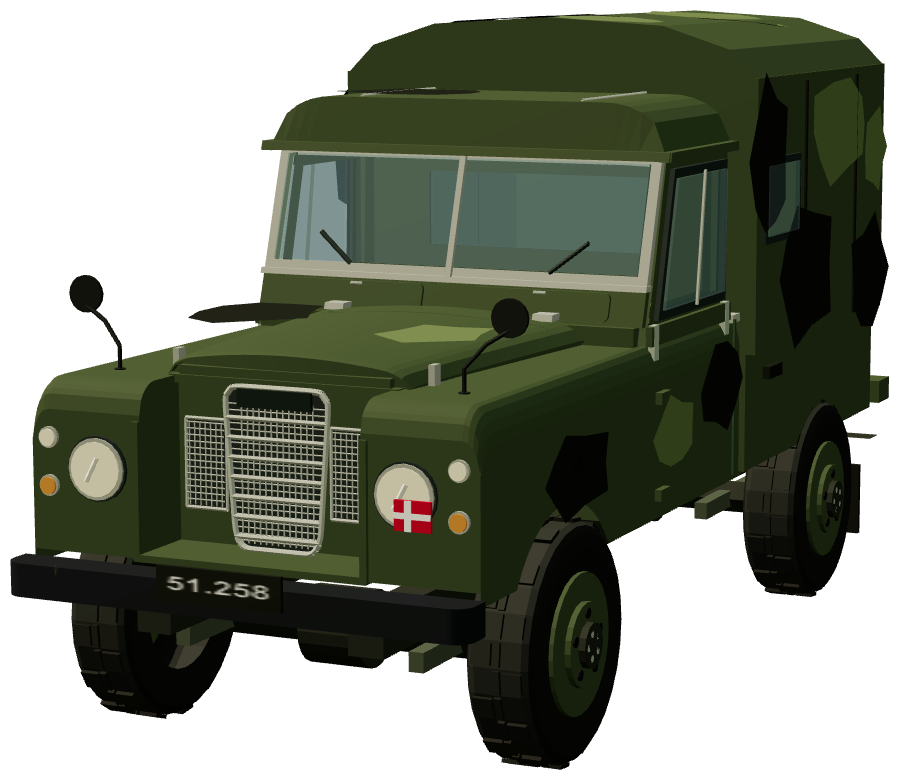 Danish Army 109 Sylvania Telephone Exchange1971 · United Kingdom / Denmark
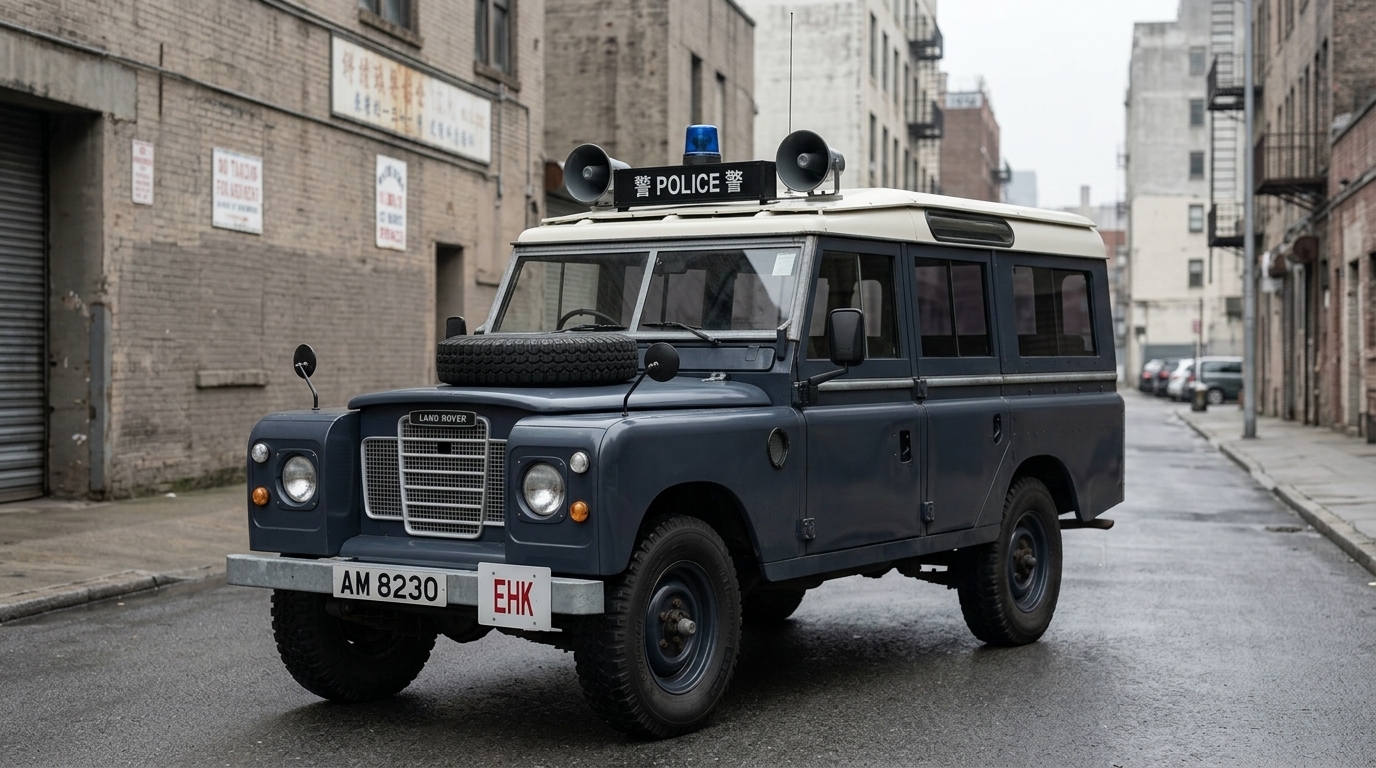 Hong Kong Police Series III1971–85 · United Kingdom
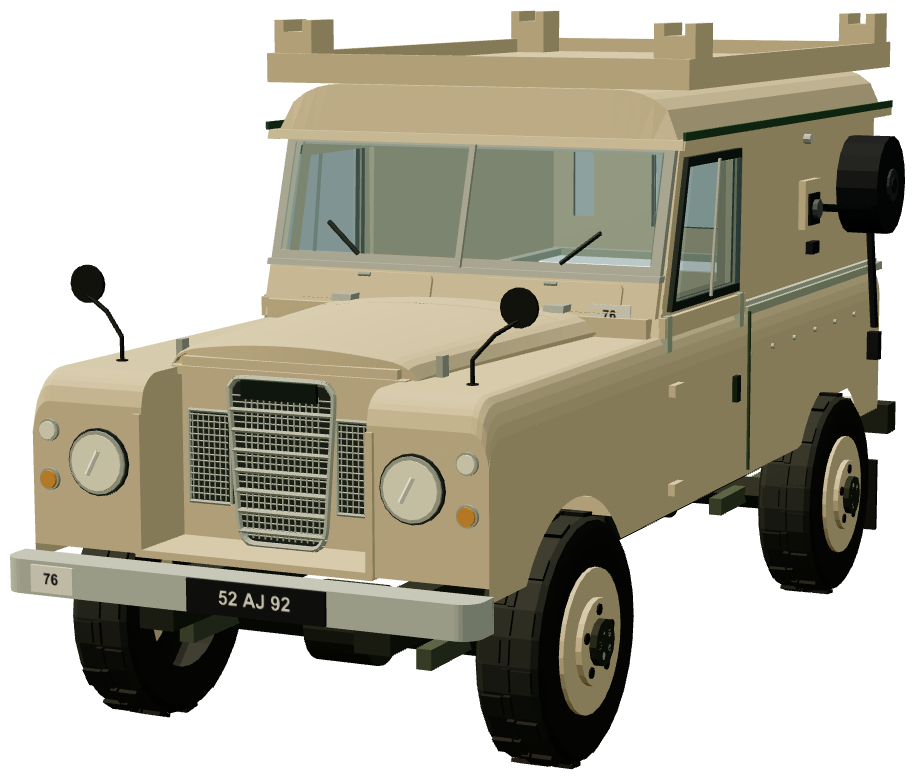 RAF Series III Helicopter Servicing Platform1971–85 · United Kingdom
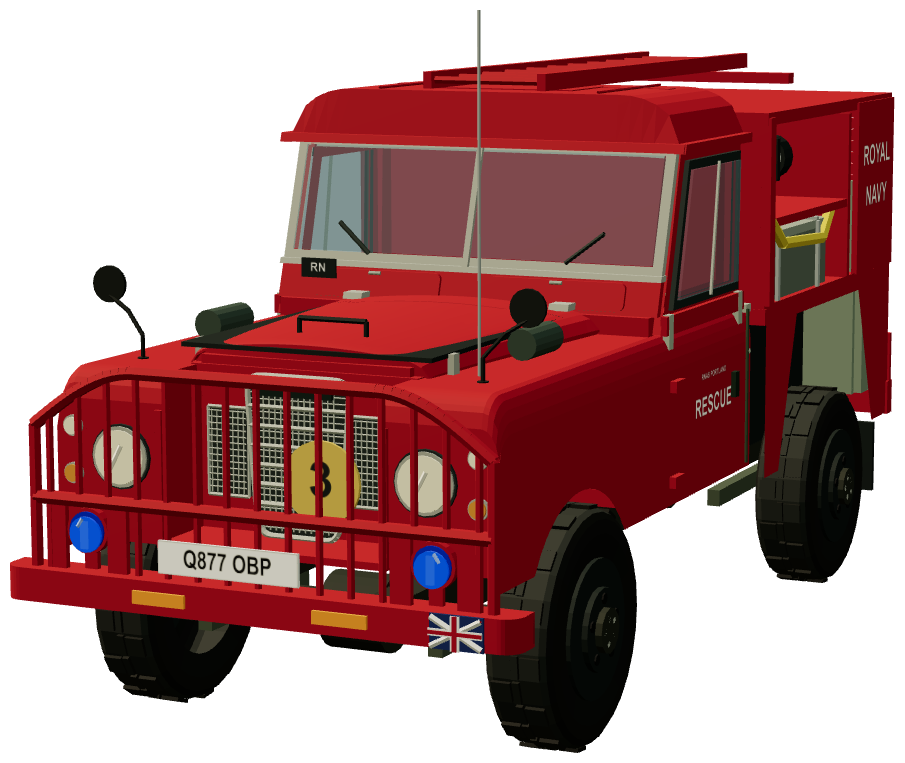 RNAS Series III Fire Rescue1971–85 · United Kingdom
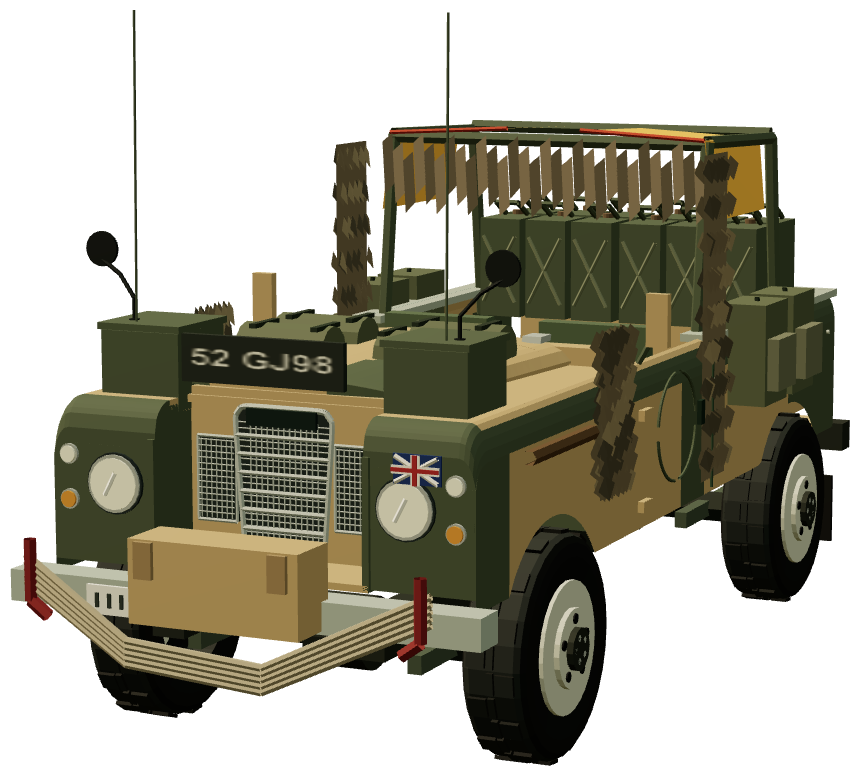 SAS Series III Patrol1971 · United Kingdom
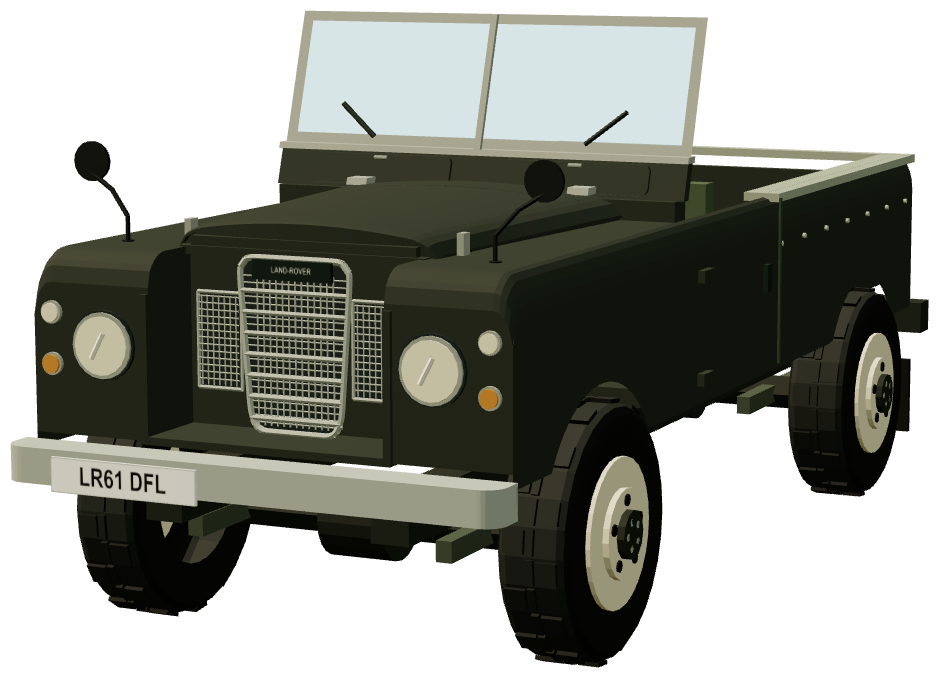 Series III 109″1971–85 · United Kingdom
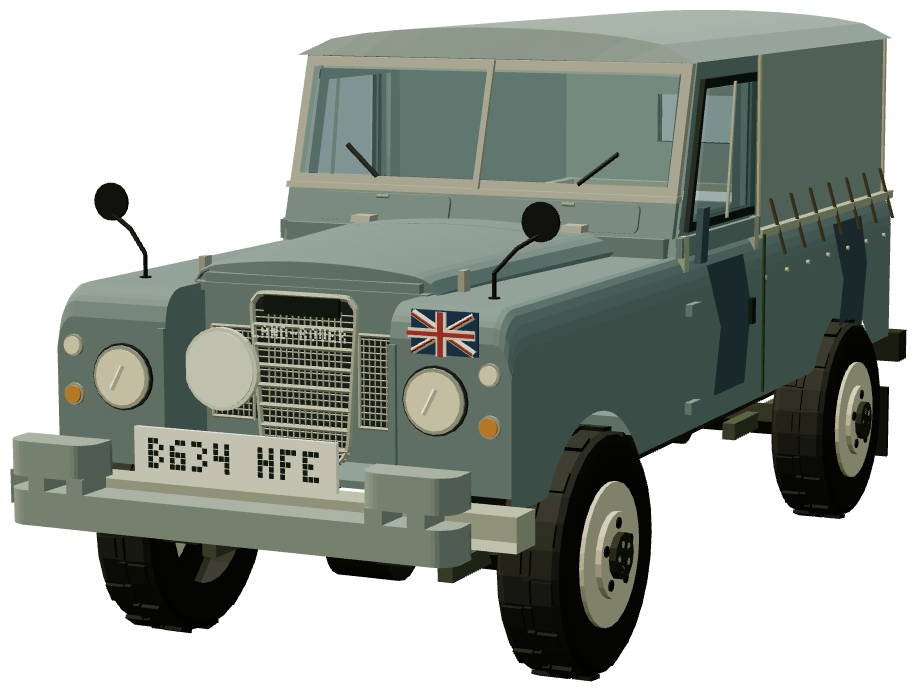 Series III 109″ · UK military1971–85 · United Kingdom
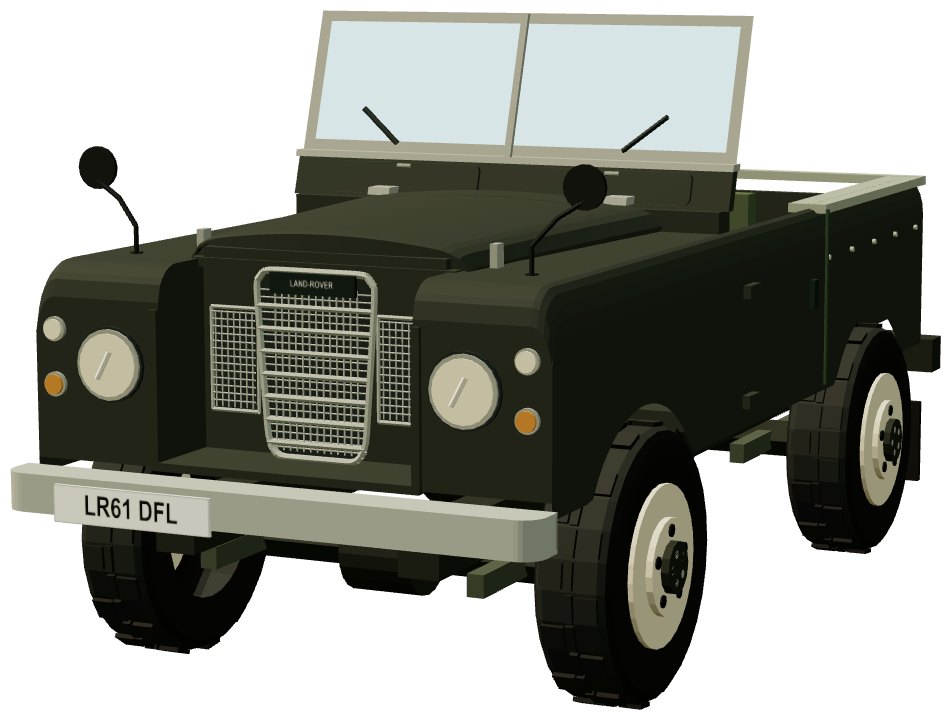 Series III 88″1971–85 · United Kingdom
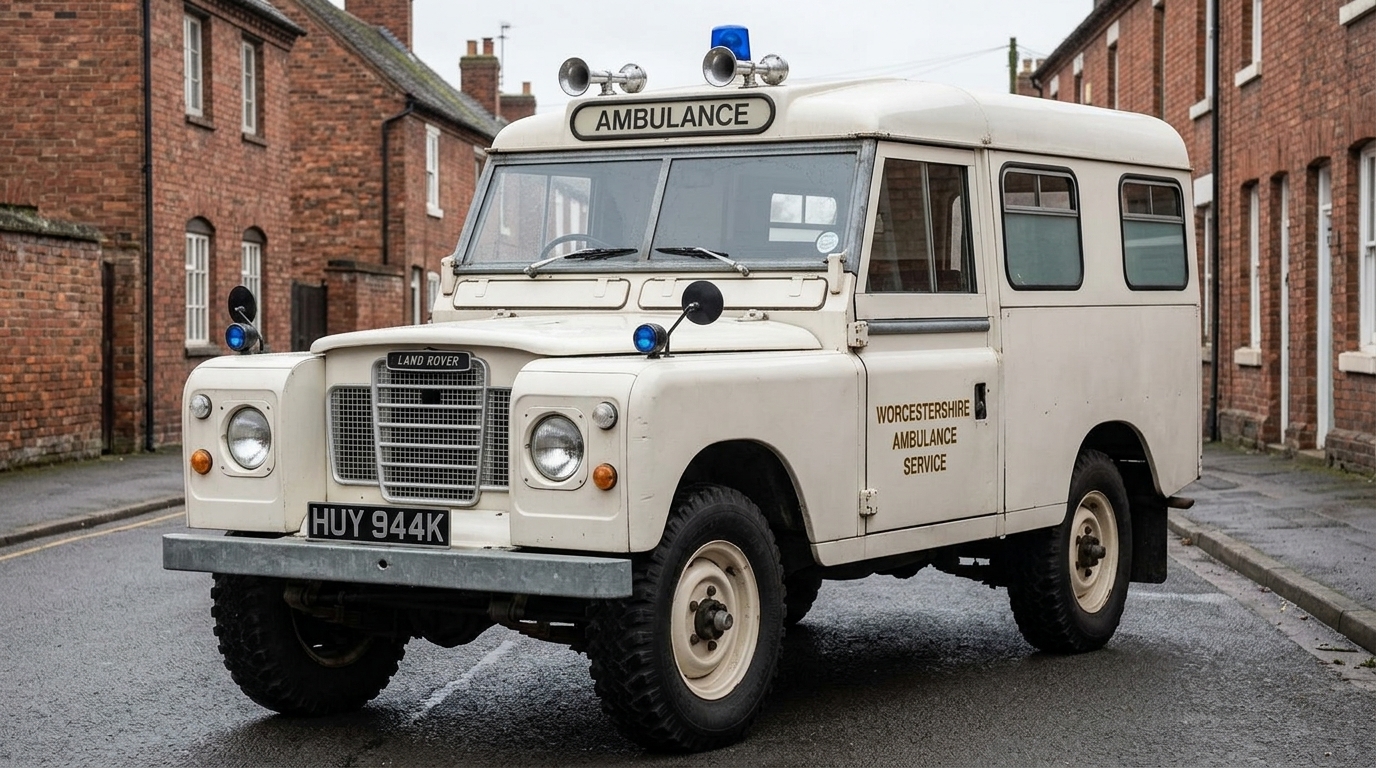 Worcestershire Ambulance Service Land Rover 1091971–72 · United Kingdom
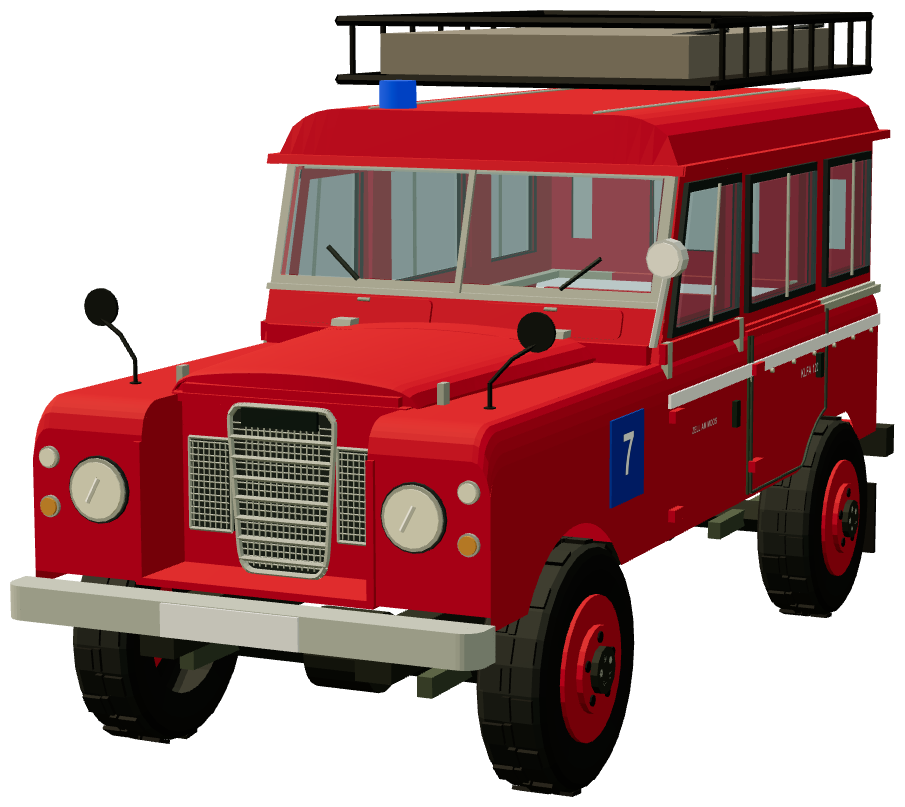 Zell am Moos Rosenbauer KLFA 1201971–85 · United Kingdom / Austria
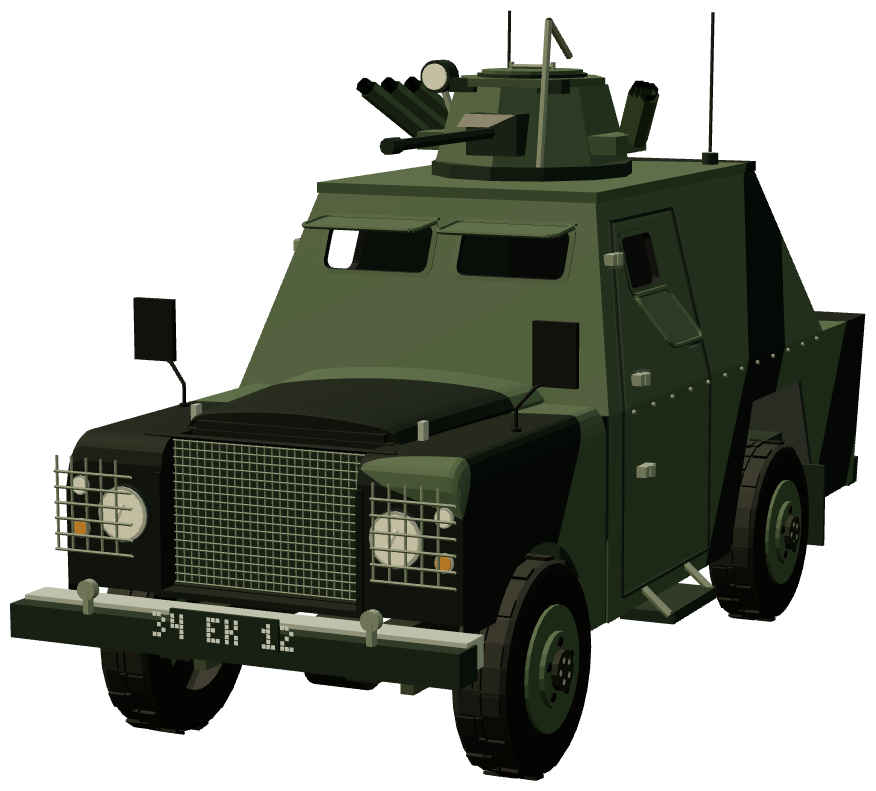 Shorland Mk 3 APC · UDR1972–80 · United Kingdom
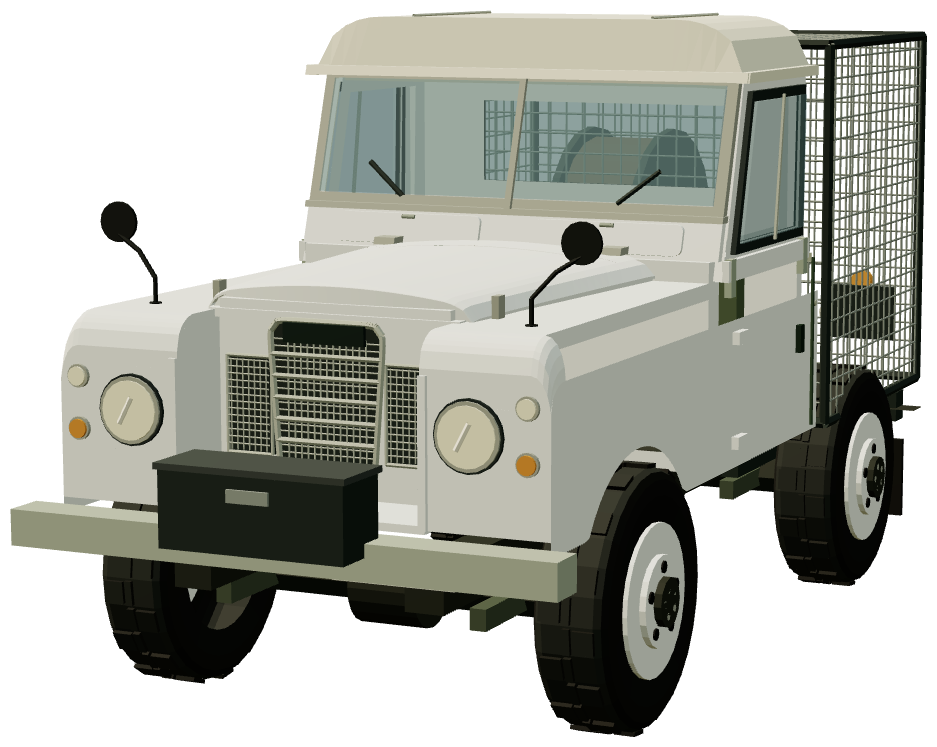 Solihull Birdcage Winch Cable Truck1972 · United Kingdom
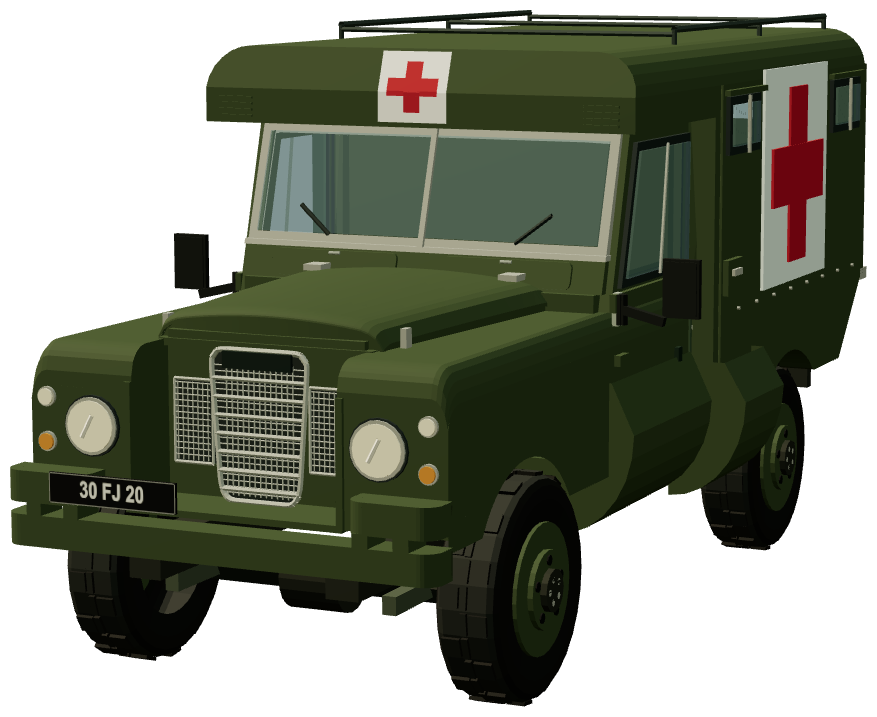 VPK Ambulance1972–85 · United Kingdom
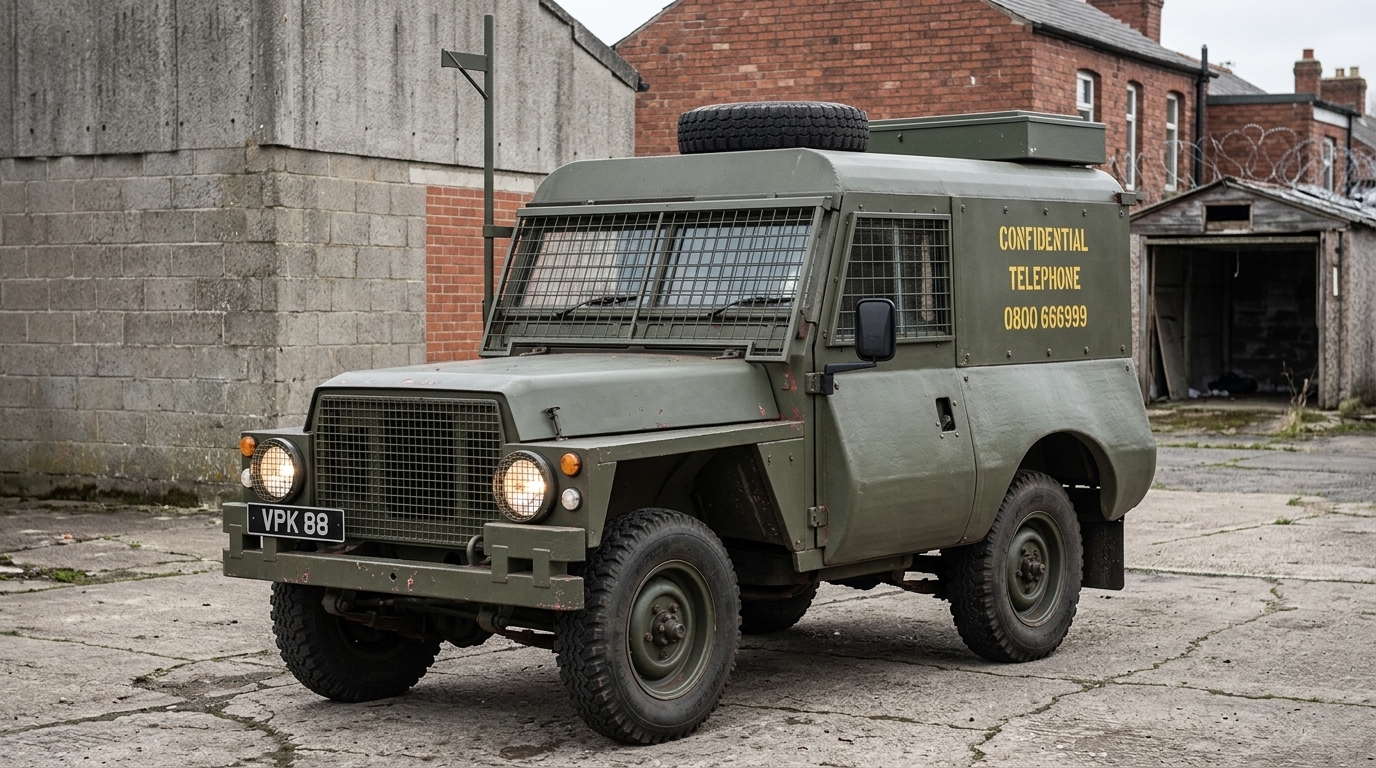 VPK Lightweight1972–86 · United Kingdom
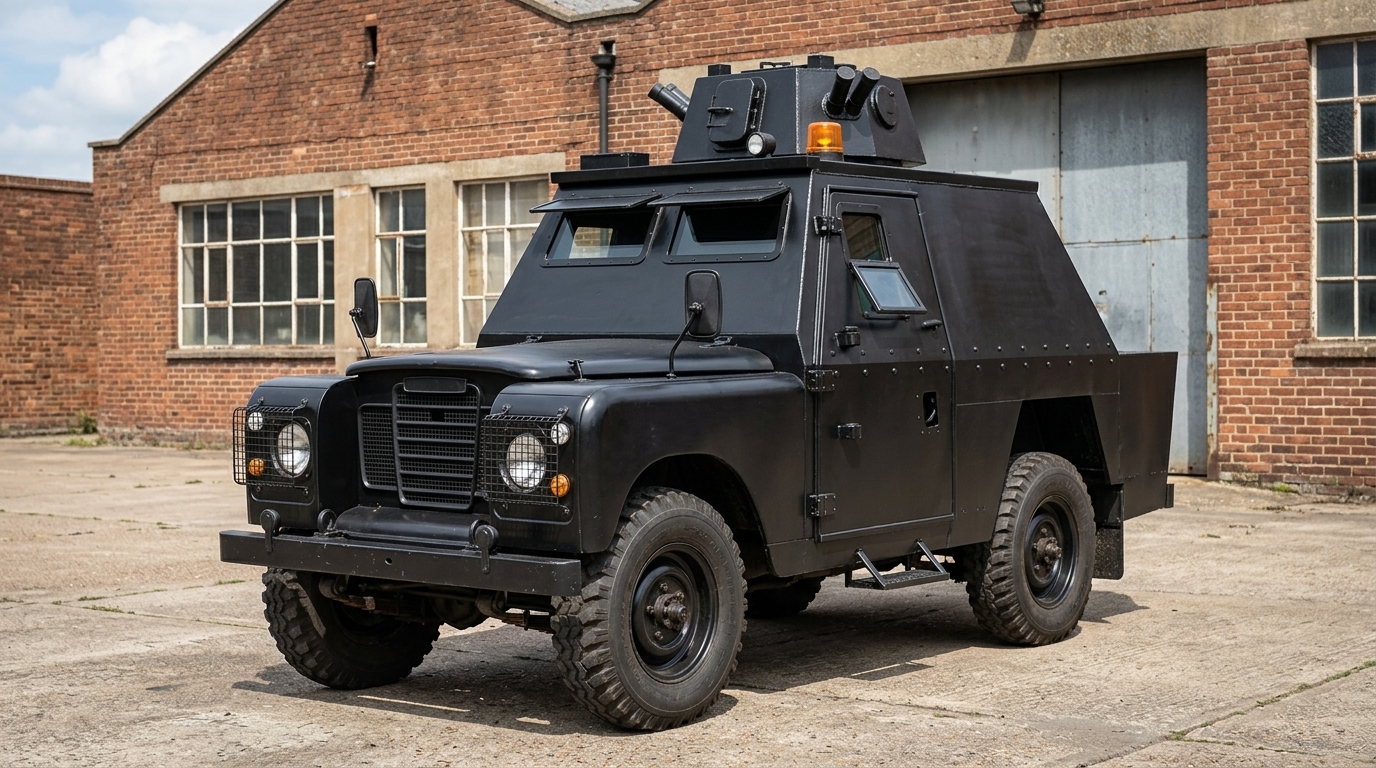 Margaret, The Iron Landy1973 · United Kingdom
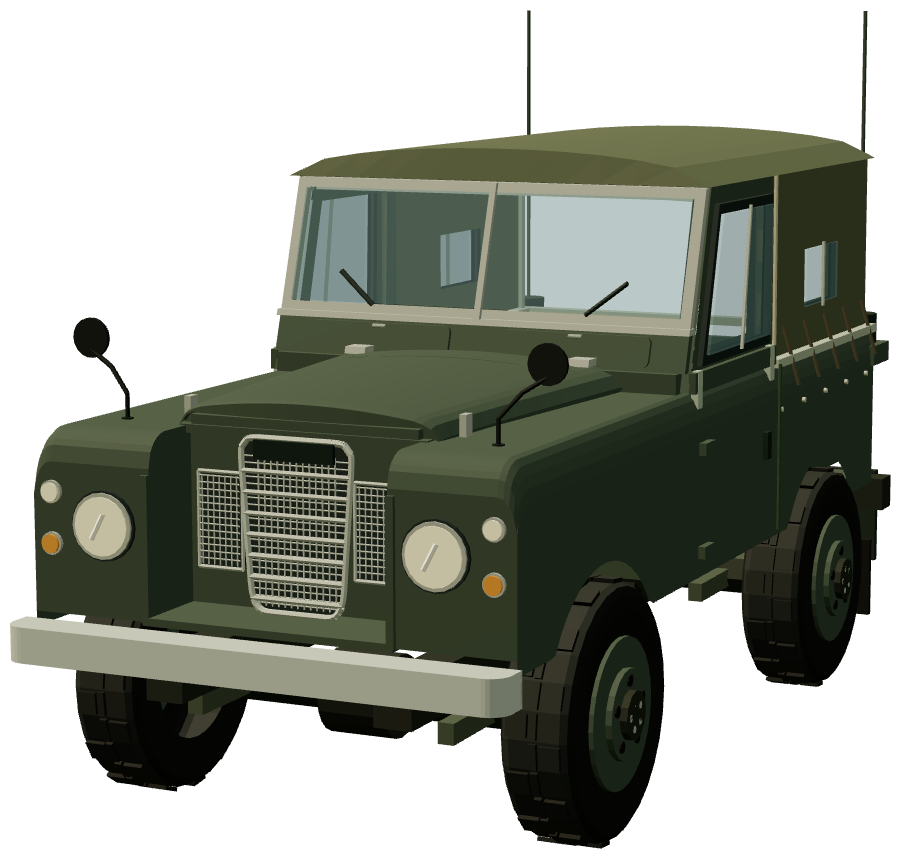 Belgian Army Series III 88 4×2 Staff Car1974–75 · United Kingdom
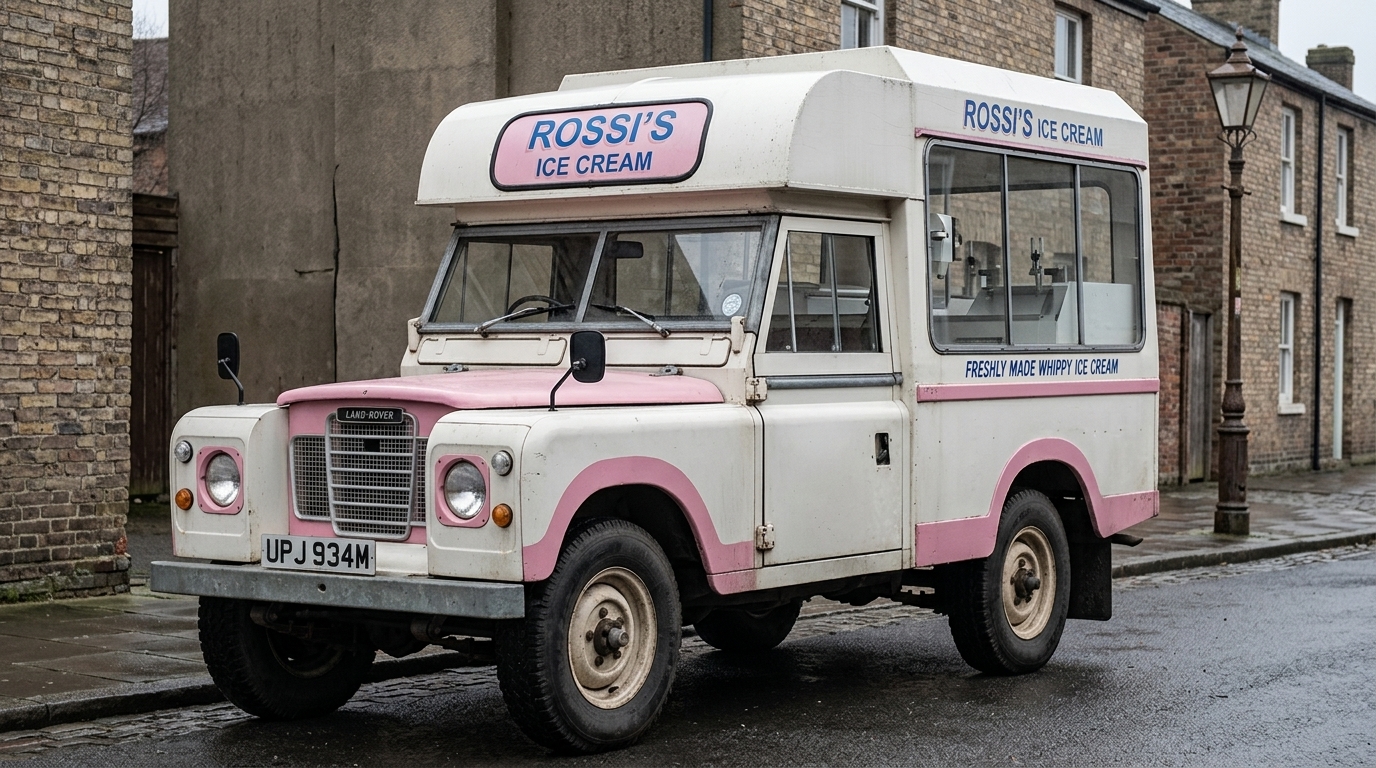 Rossi's Ice Cream Series III 1091974 · United Kingdom
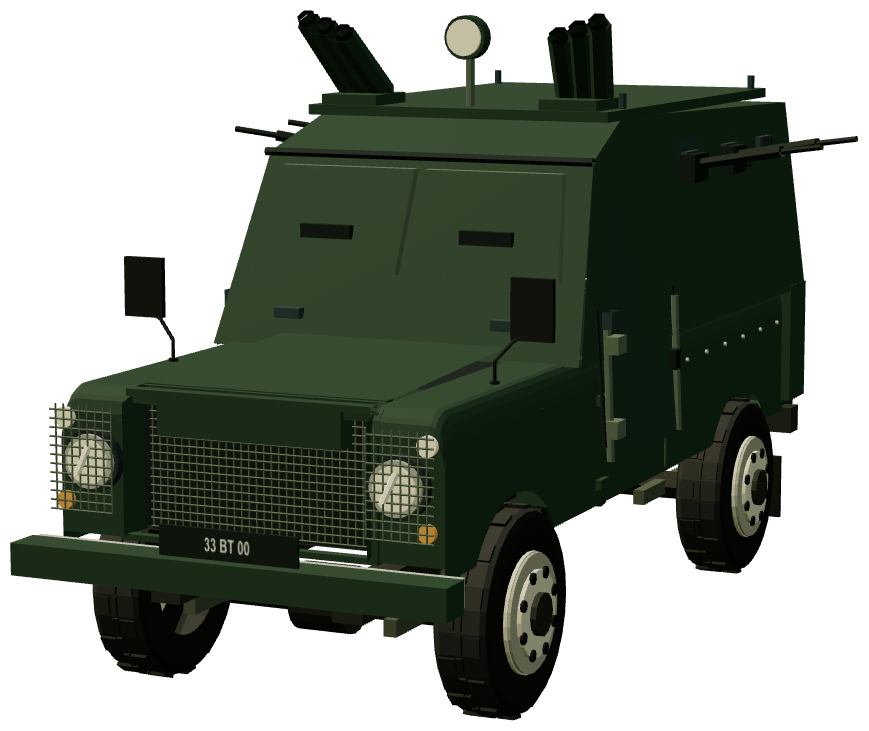 Shorland SB301 APV1974–80 · United Kingdom
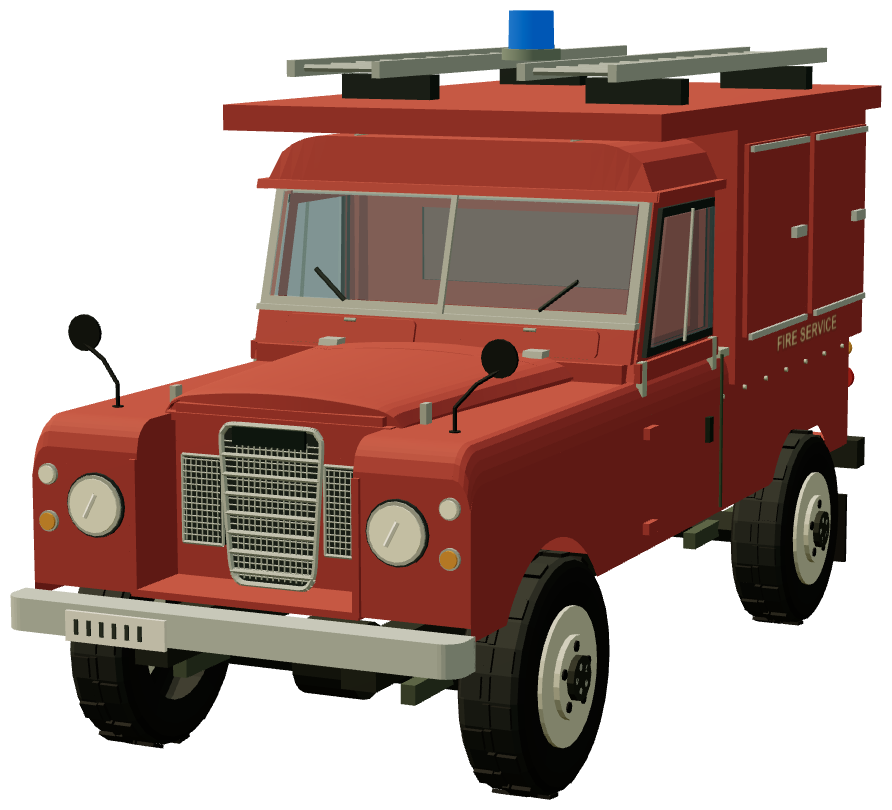 Carmichael Redwing FT/5 — Series III1975 · United Kingdom
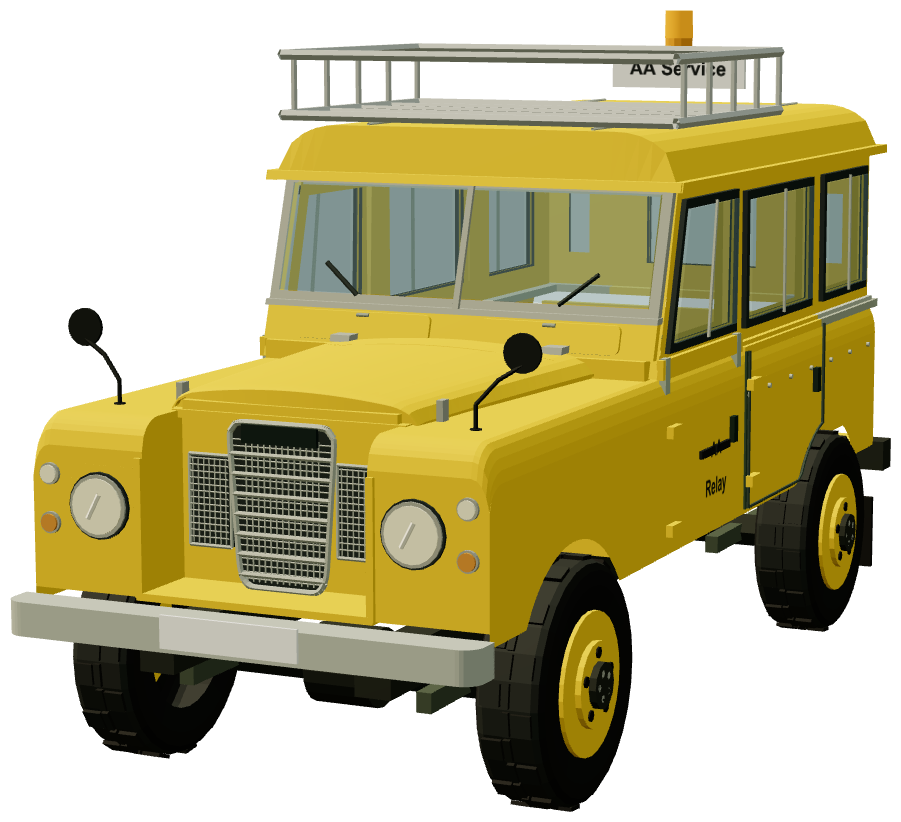 AA Relay Series III 109 Station Wagon1976 · United Kingdom
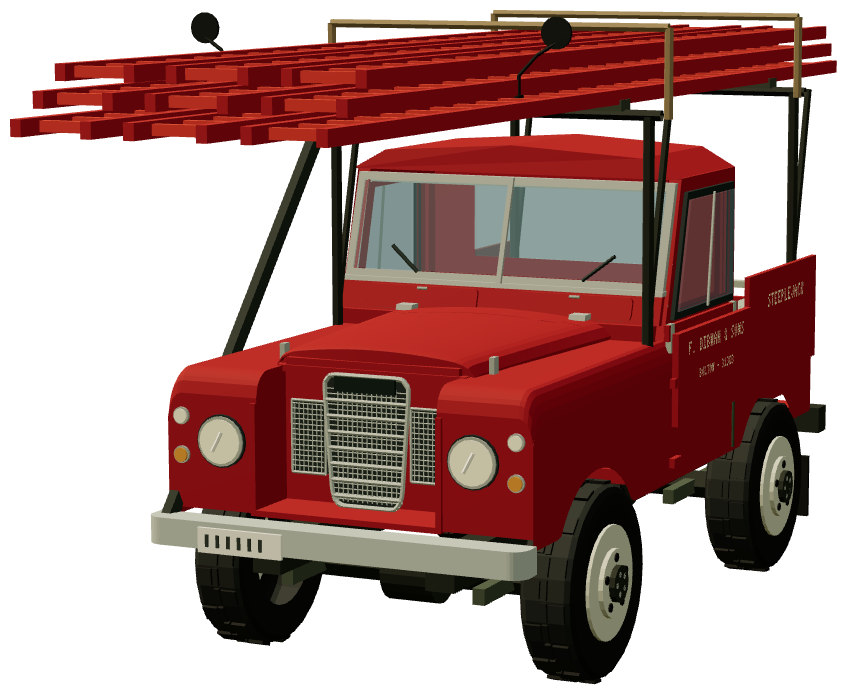 Fred Dibnah1976–77 · United Kingdom
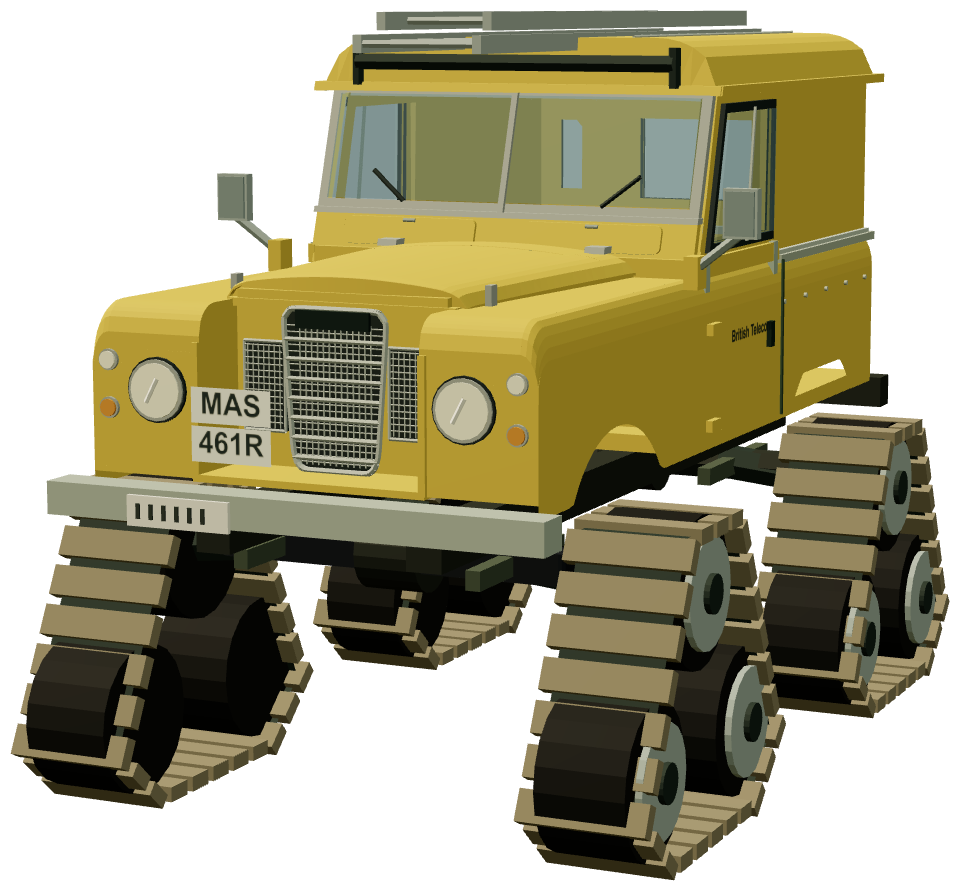 GPO Land Rover Snowtrac1976–77 · United Kingdom
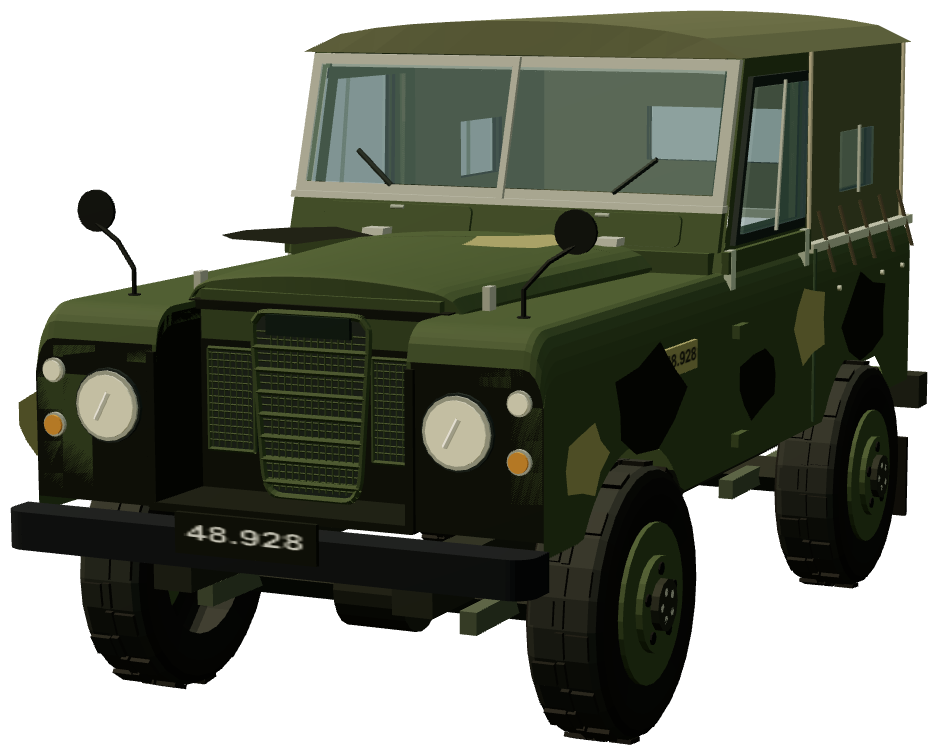 Danish Army 88 General Service1977–78 · United Kingdom
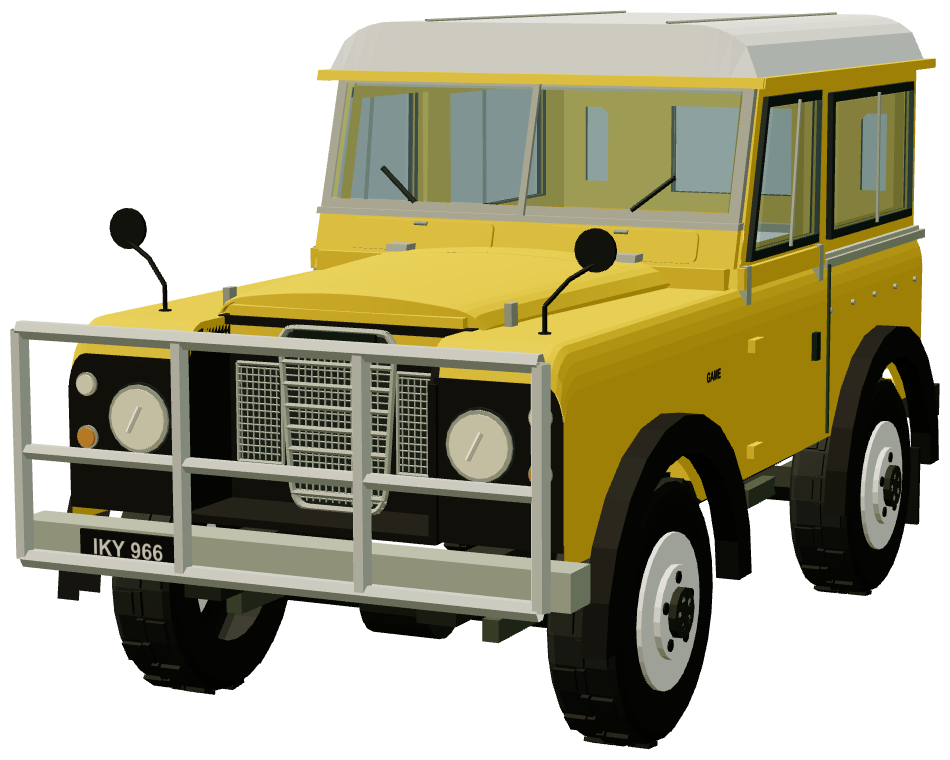 GAME Yellow Devil1977–78 · Australia
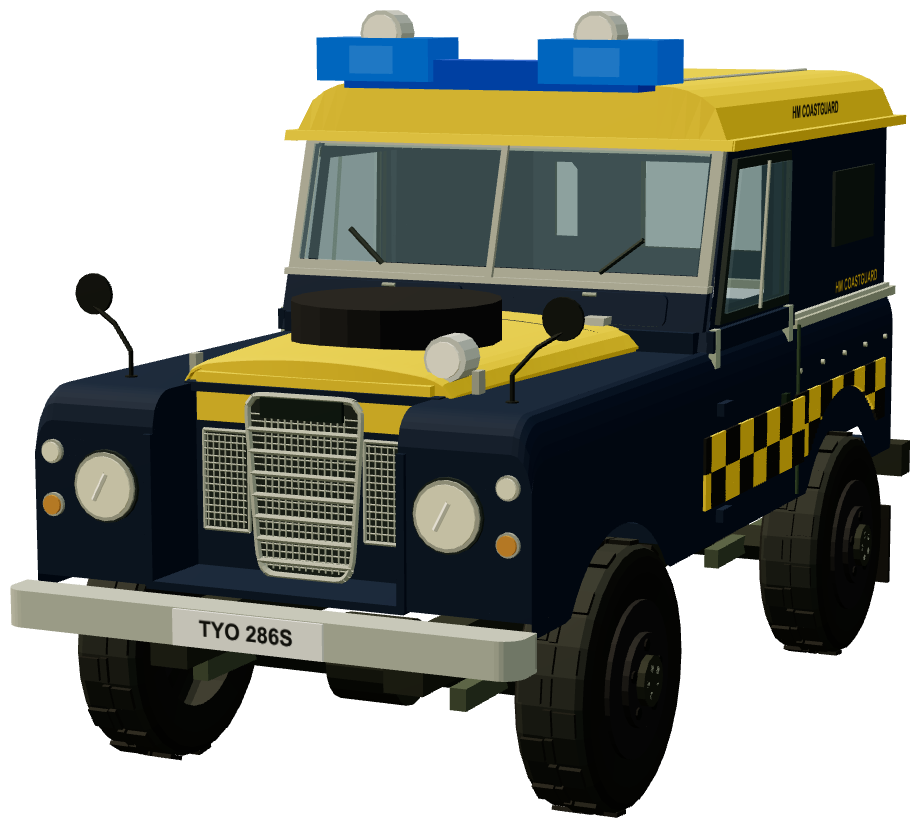 HM Coastguard Cliff Rescue Series III 881977–78 · United Kingdom
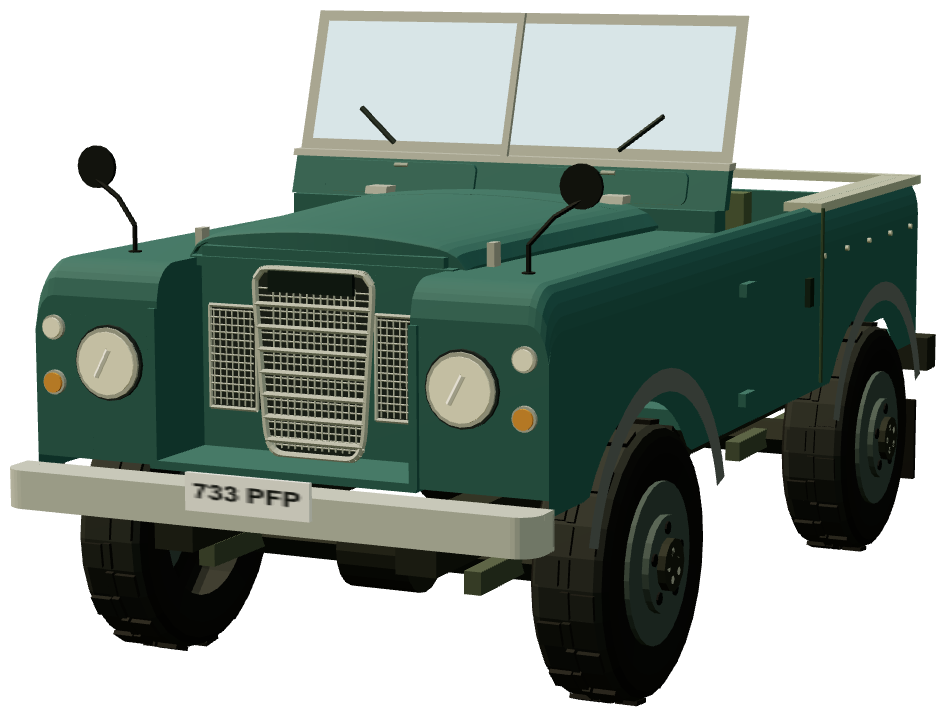 No Time To Die Series III1977 · United Kingdom
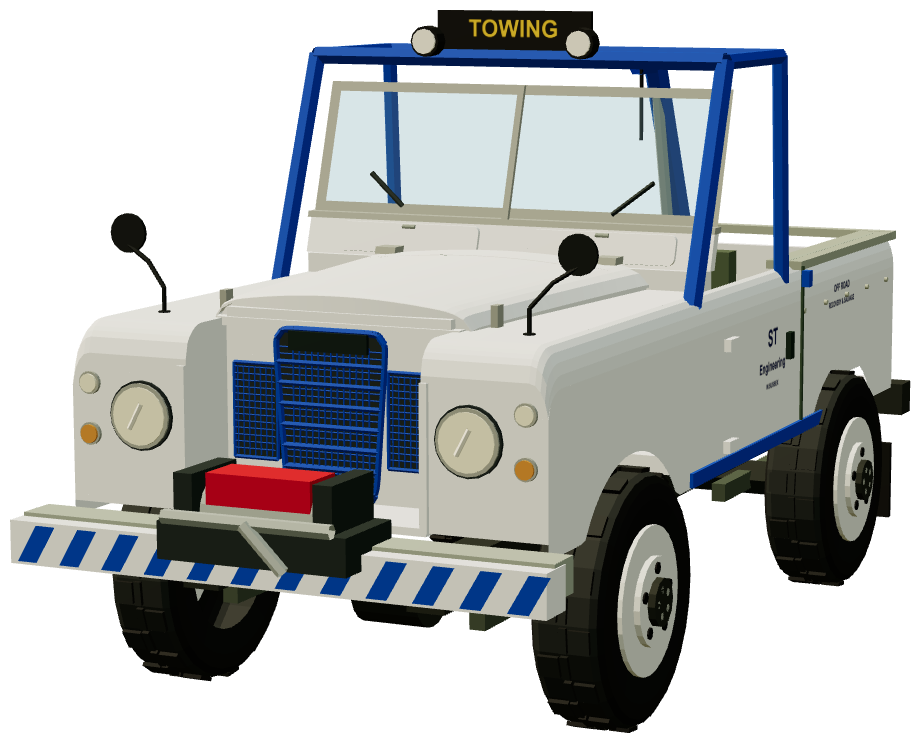 ST Engineering Recovery Series III1977–78 · United Kingdom
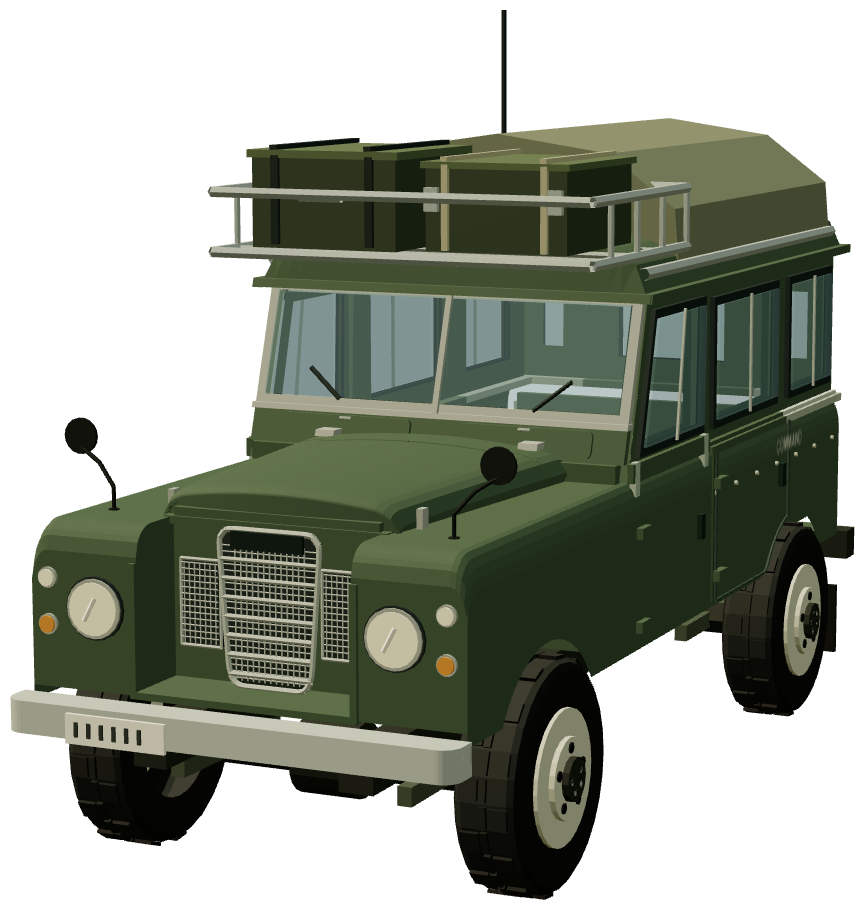 Military Carawagon command vehicle1978–84 · United Kingdom
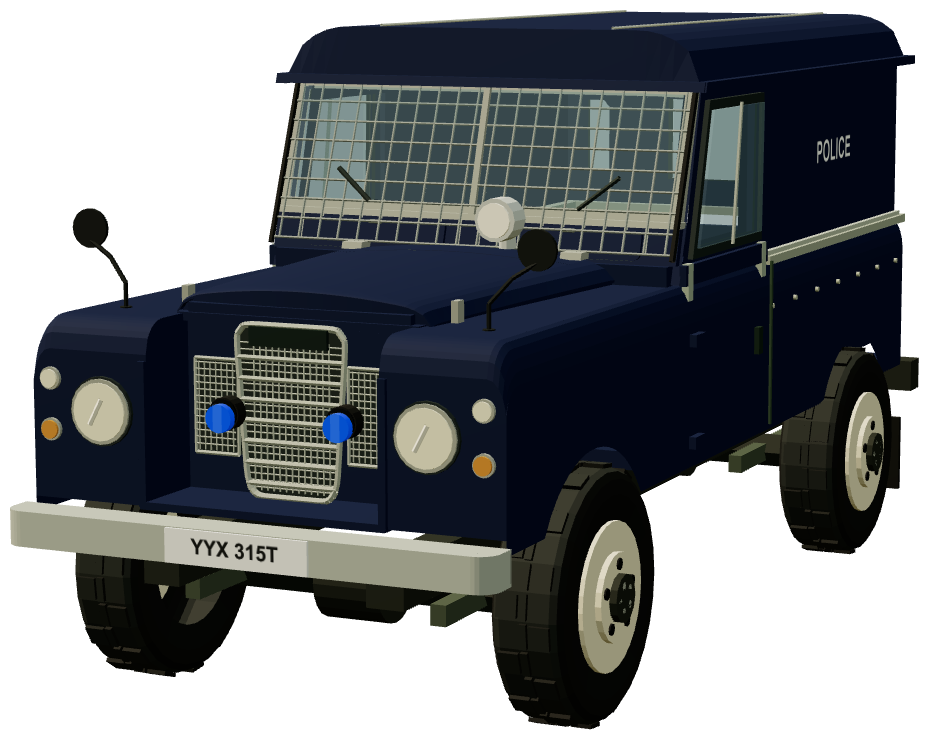 South Yorkshire Police Series III Riot Van1978 · United Kingdom
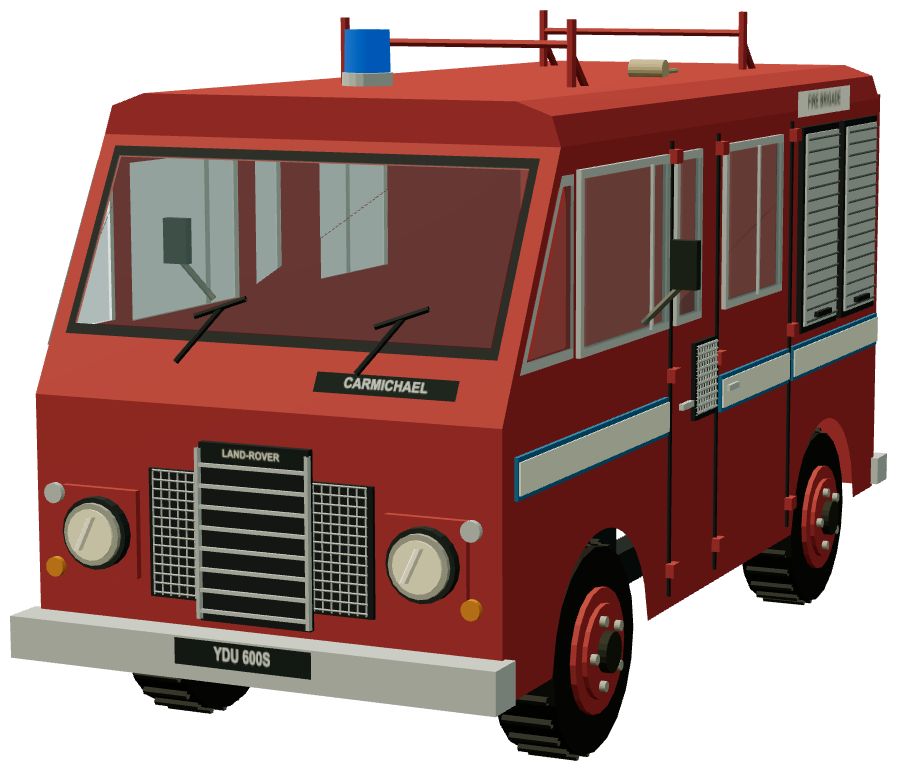 Unipart Works Fire Tender1978 · United Kingdom
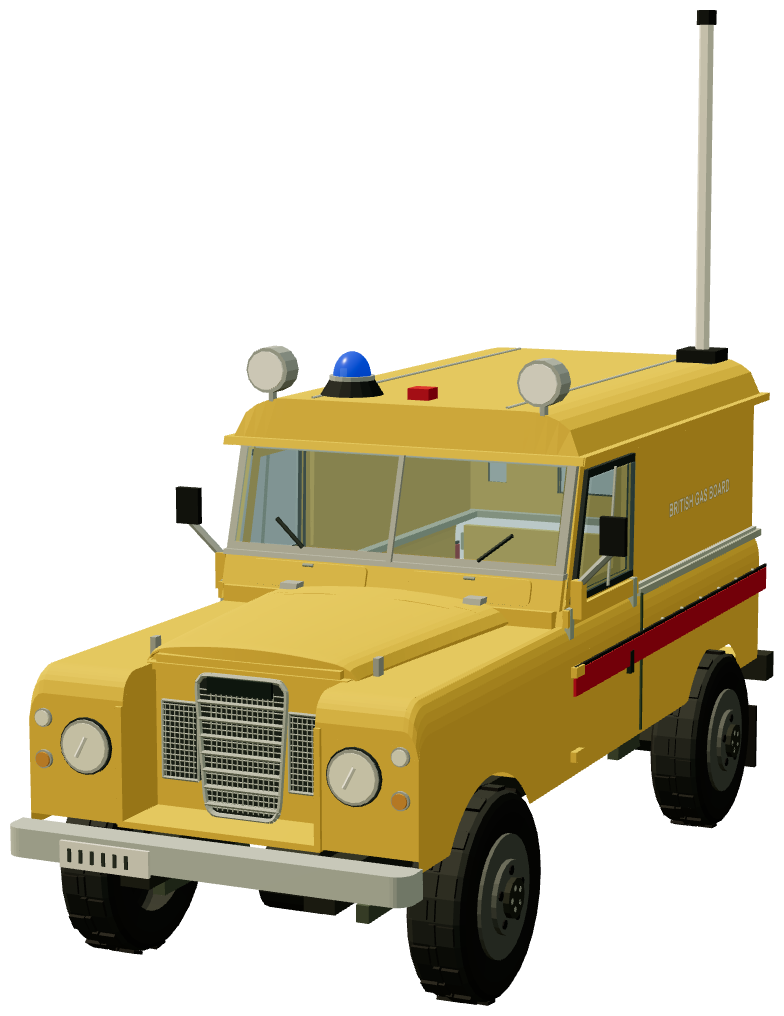 British Gas Mast-Equipped V8 Van1979–85 · United Kingdom
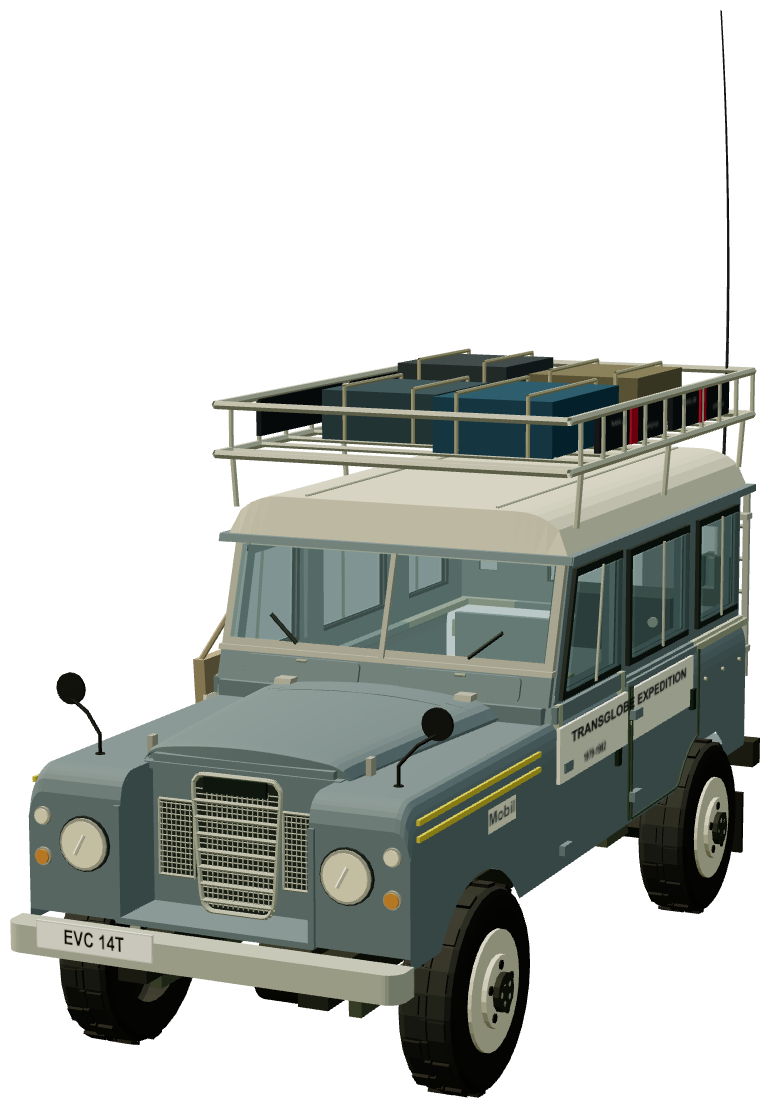 Ginny Fiennes’ Transglobe Radio Land Rover1979
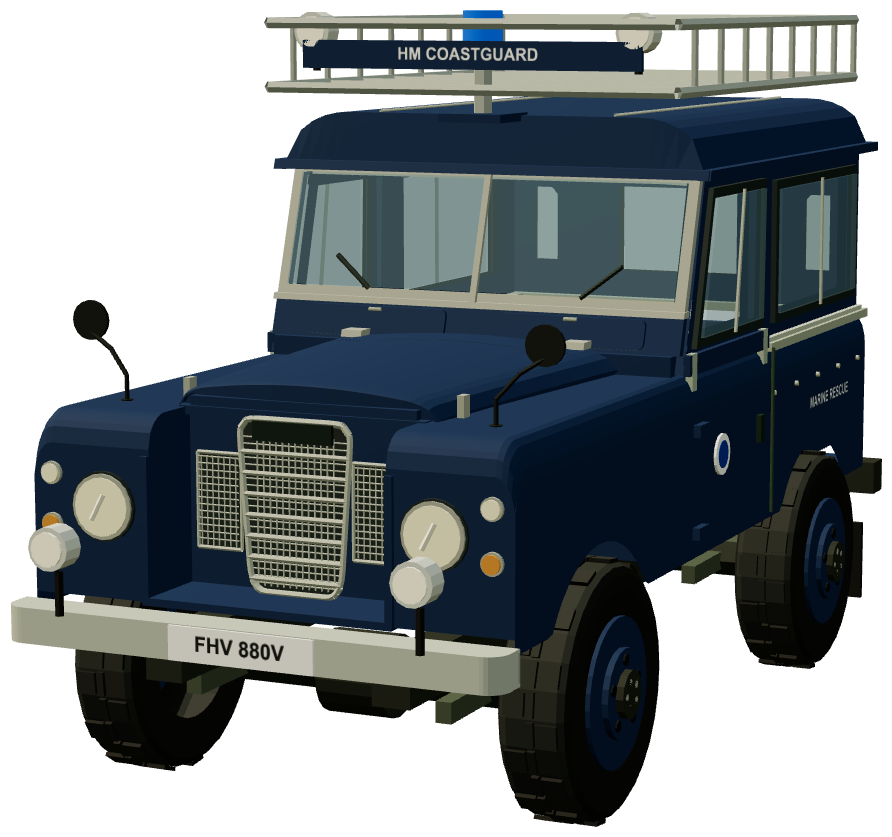 HM Coastguard Fleetwood Series III 881979–80 · United Kingdom
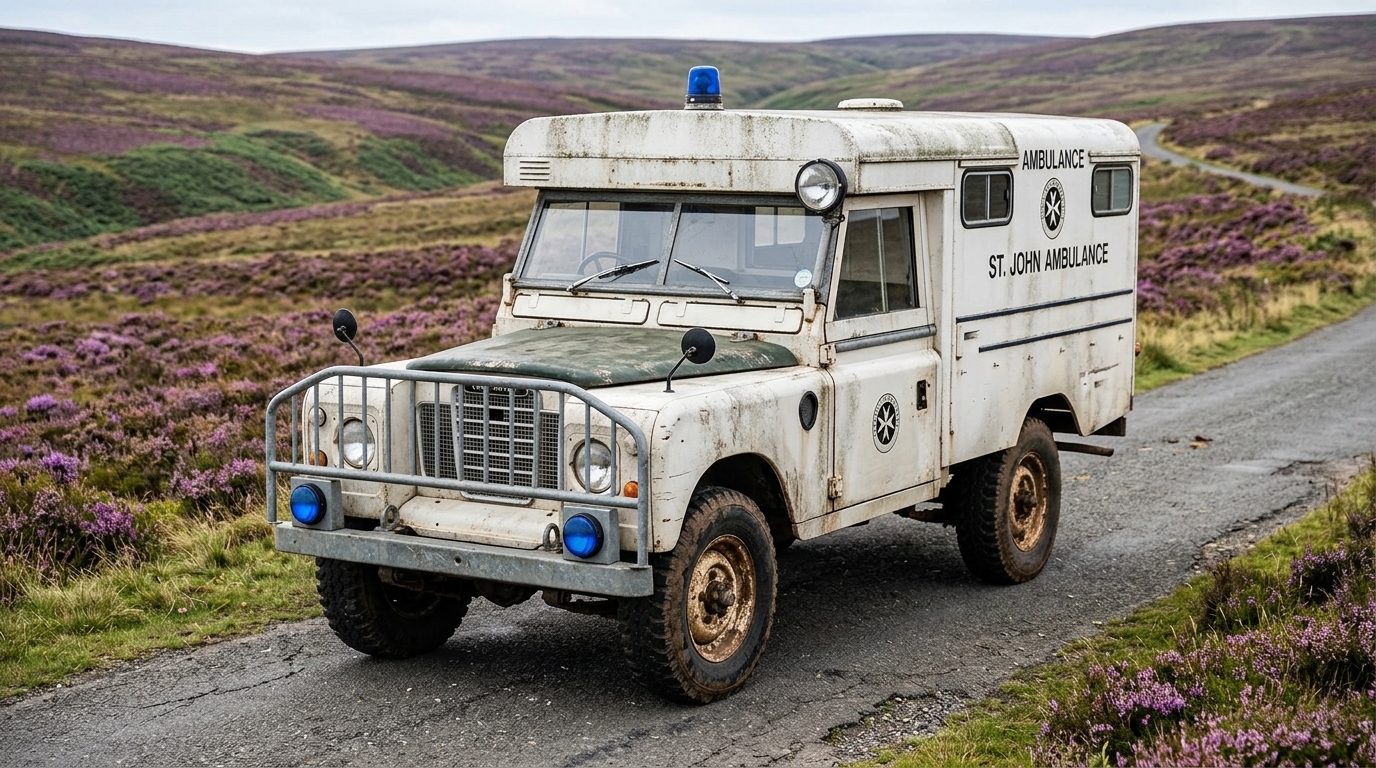 Meteor Works1979 · United Kingdom
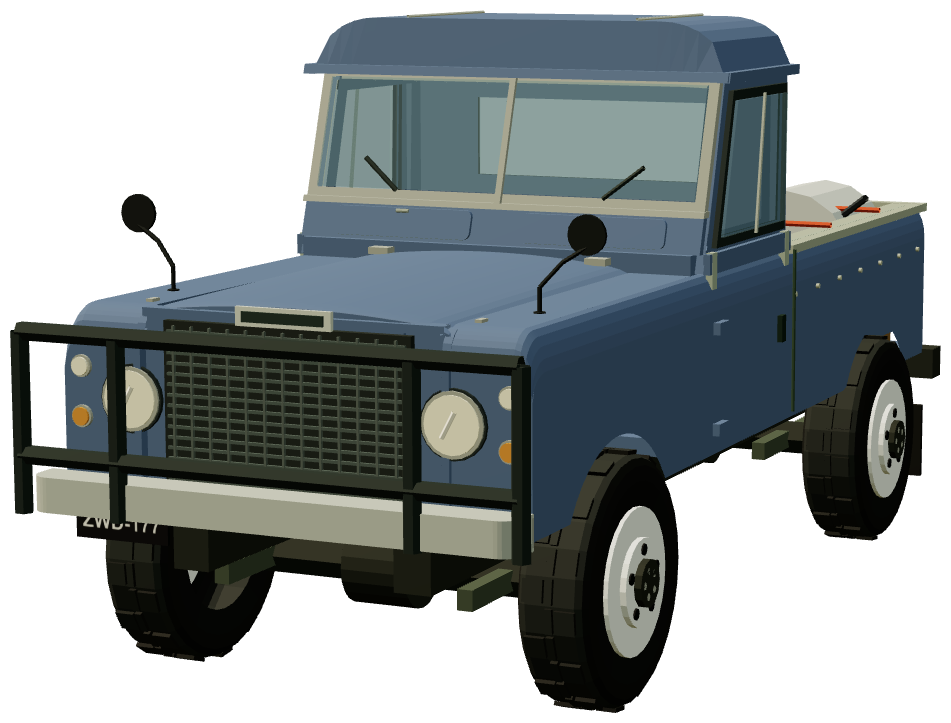 RAN Series III Stage 1 V8 Fire Ute1979–85 · United Kingdom
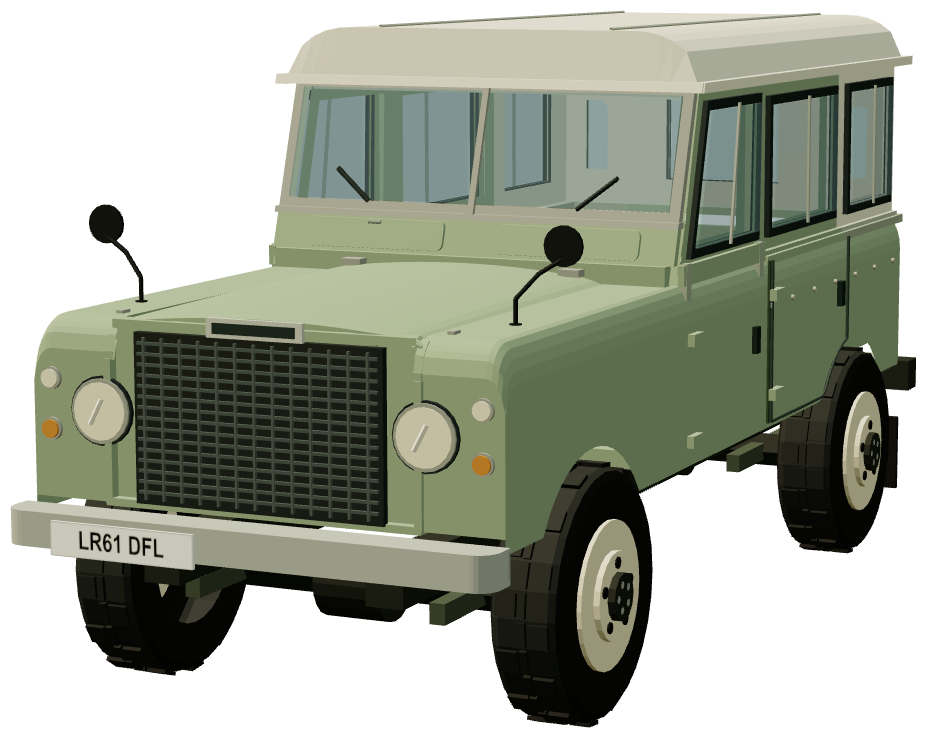 Series III Stage 1 V81979–85 · United Kingdom
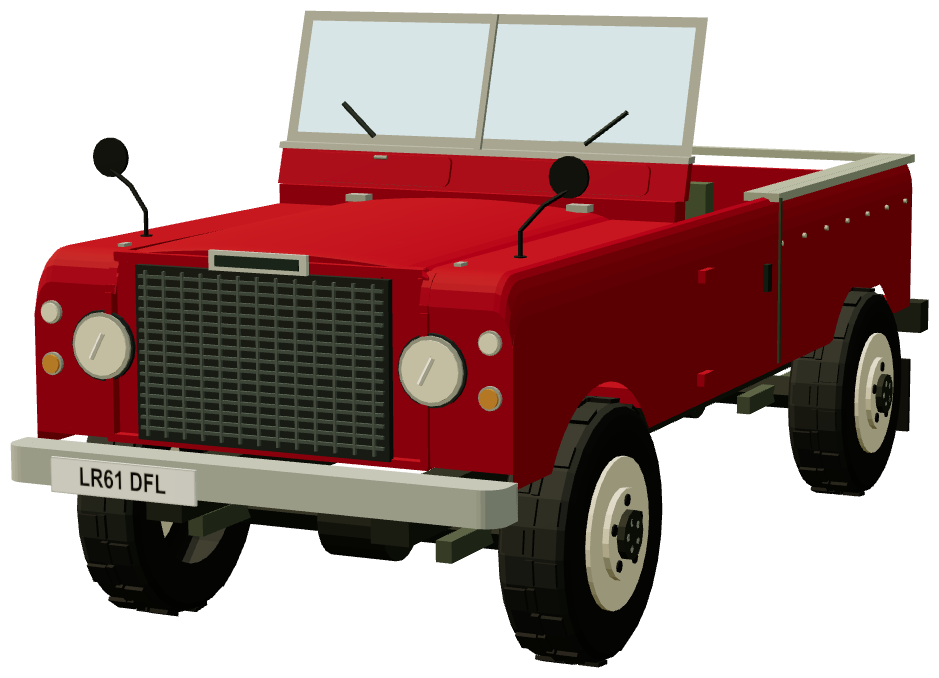 Series III Stage 1 V8 109″1979–85 · United Kingdom
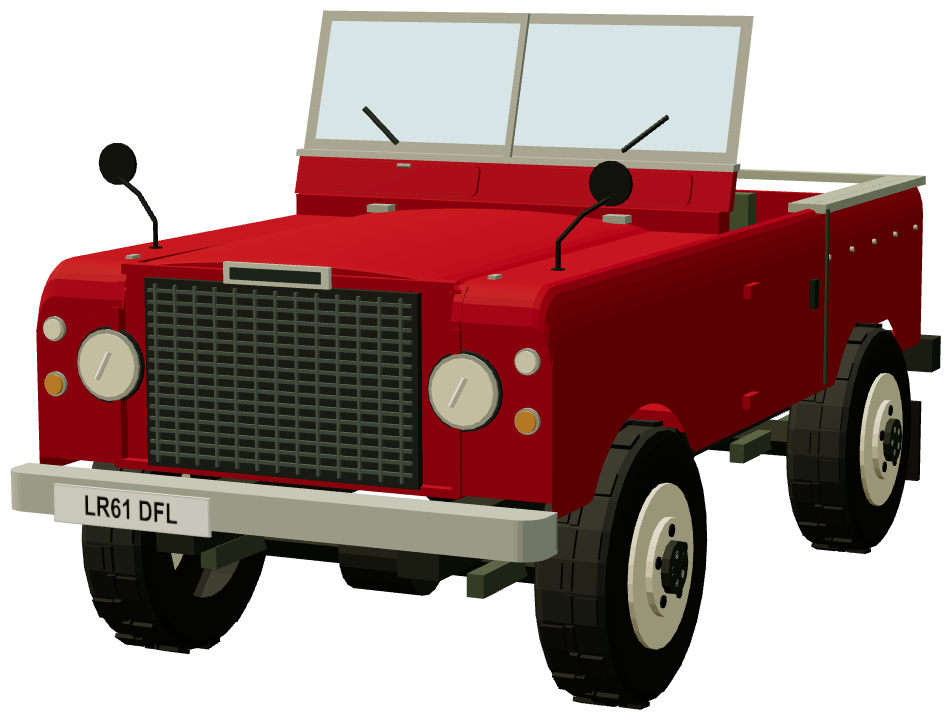 Series III Stage 1 V8 88″1979–85 · United Kingdom
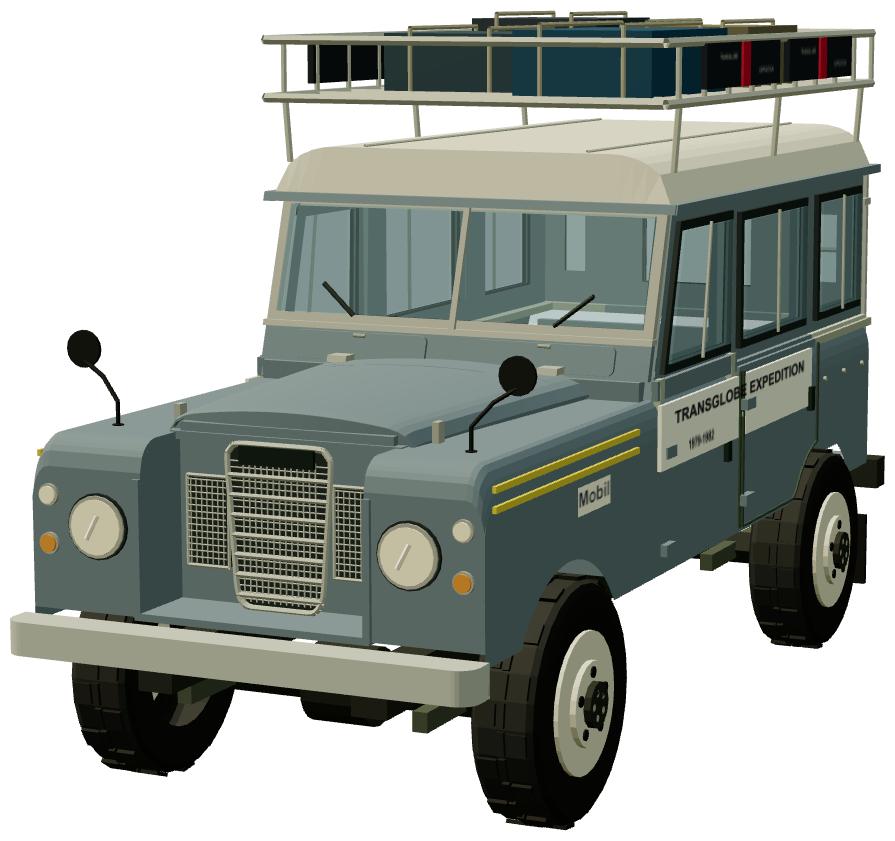 Transglobe Sahara Land Rover1979
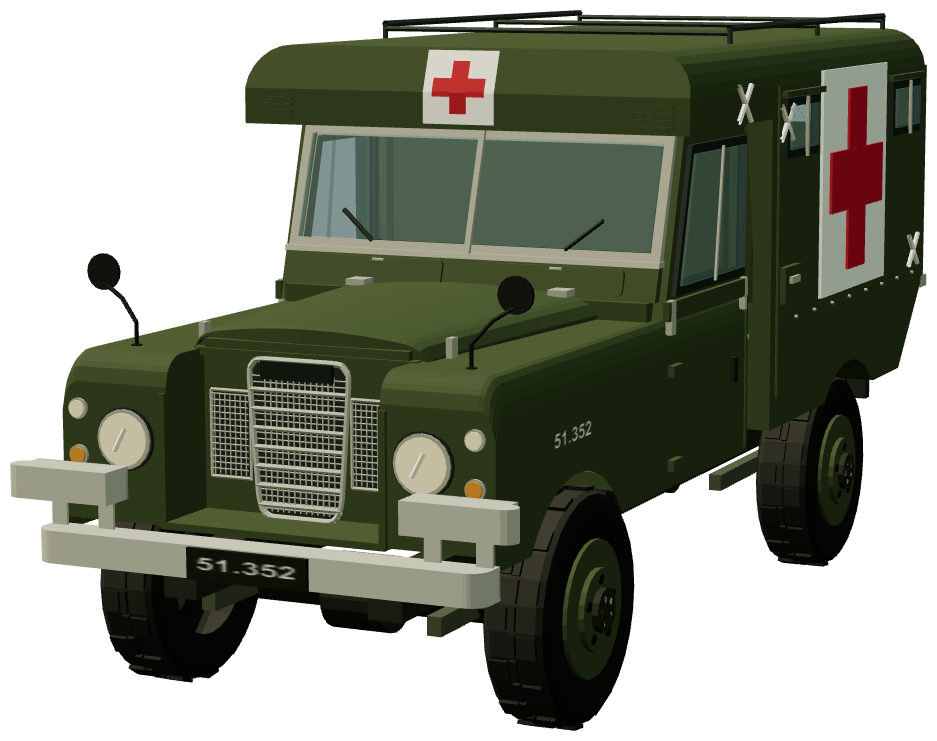 Danish Army 109 Marshall Ambulance1980 · United Kingdom
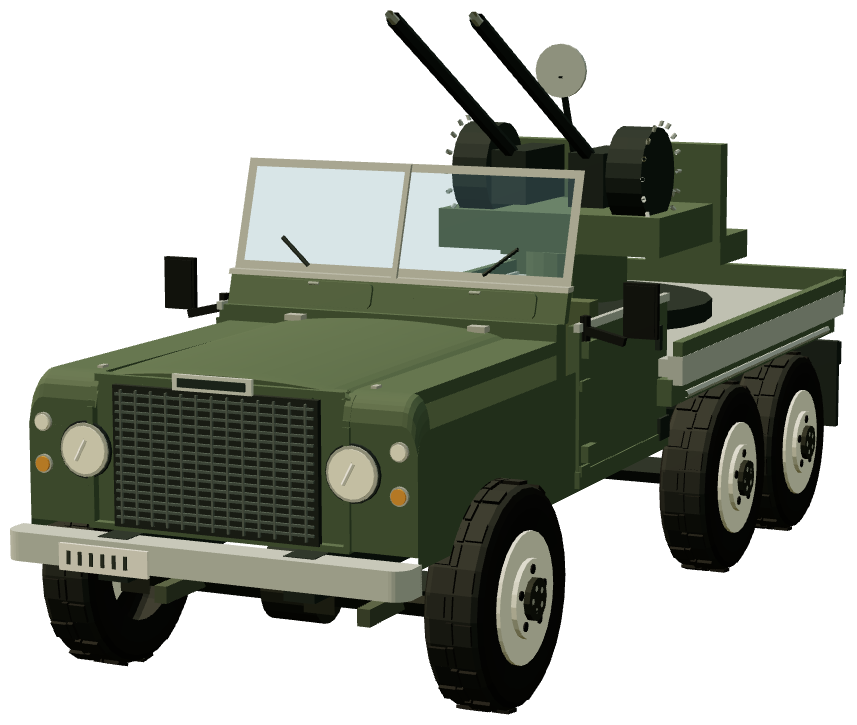 Hotspur Sandringham 139″ AA Gun Carrier1980 · United Kingdom
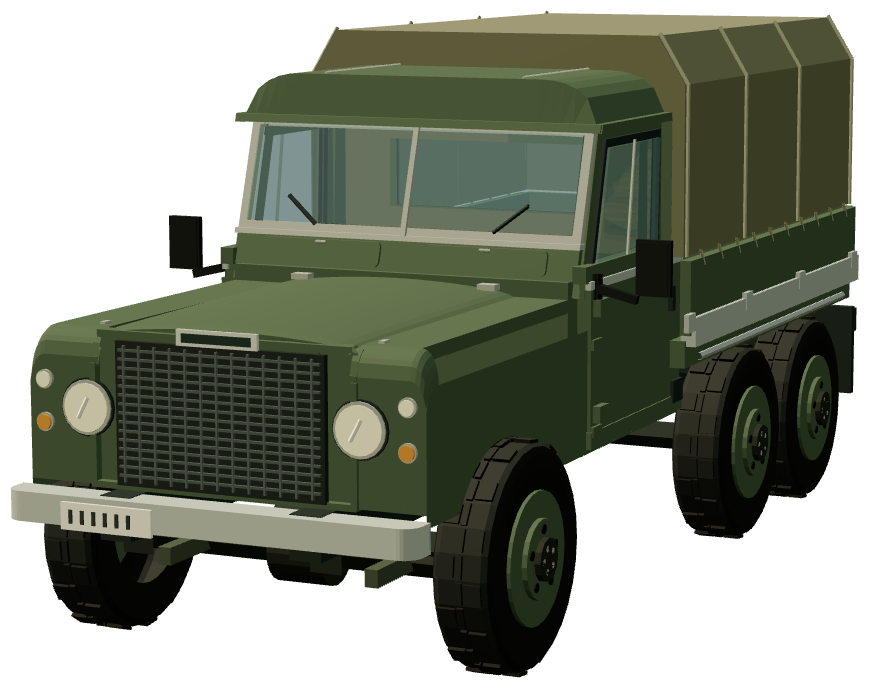 Hotspur Sandringham 139″ Canvas Cargo1980–89 · United Kingdom
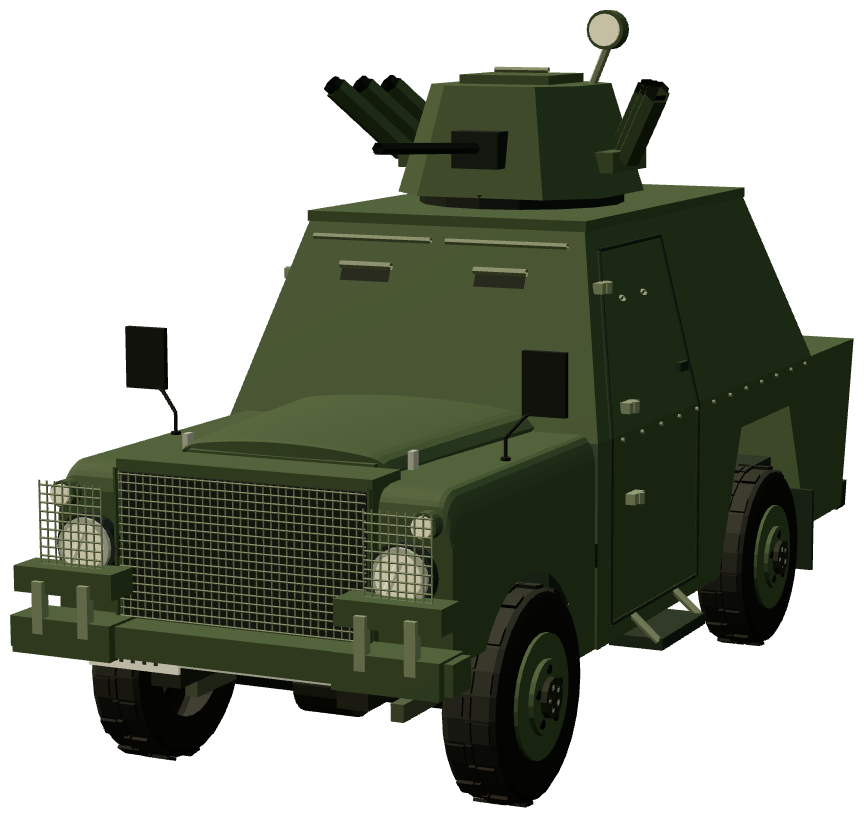 Shorland Mk 4 APC1980–90 · United Kingdom
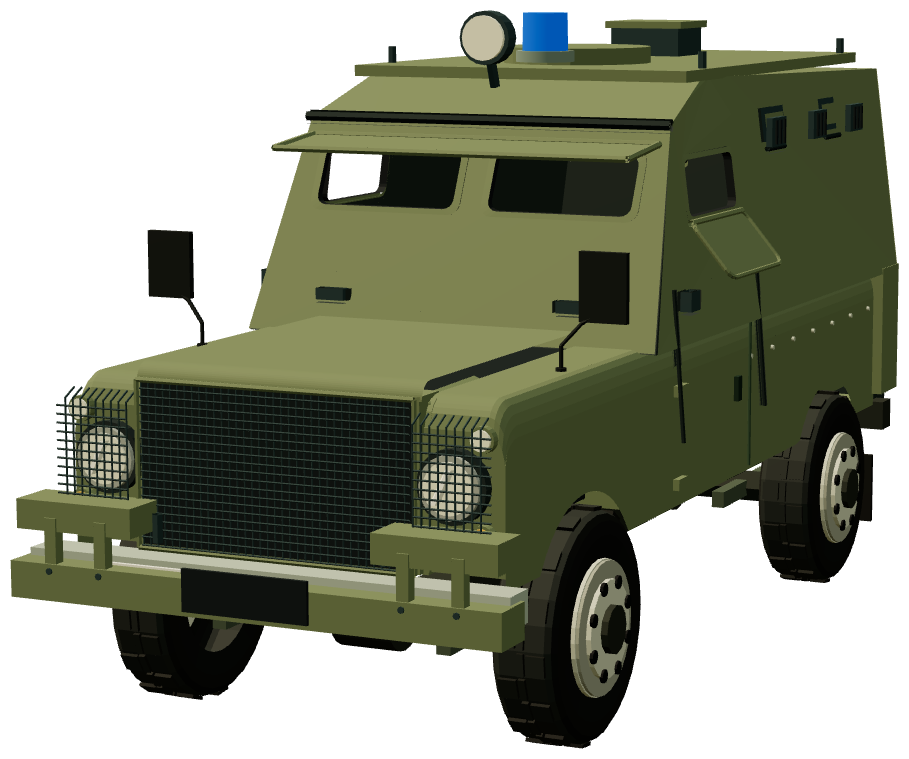 Shorland SB401 APV1980–90 · United Kingdom
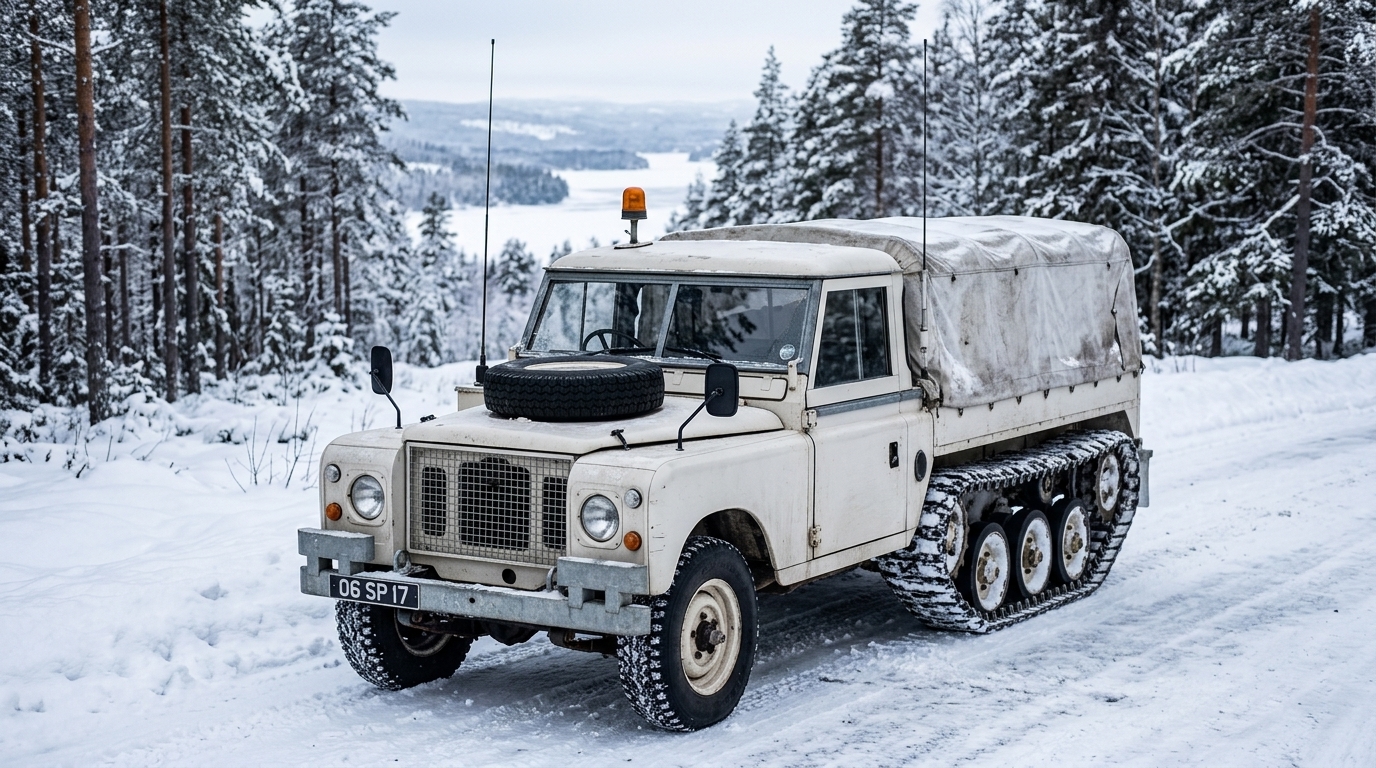 Stage 1 V8 Centaur1980 · United Kingdom
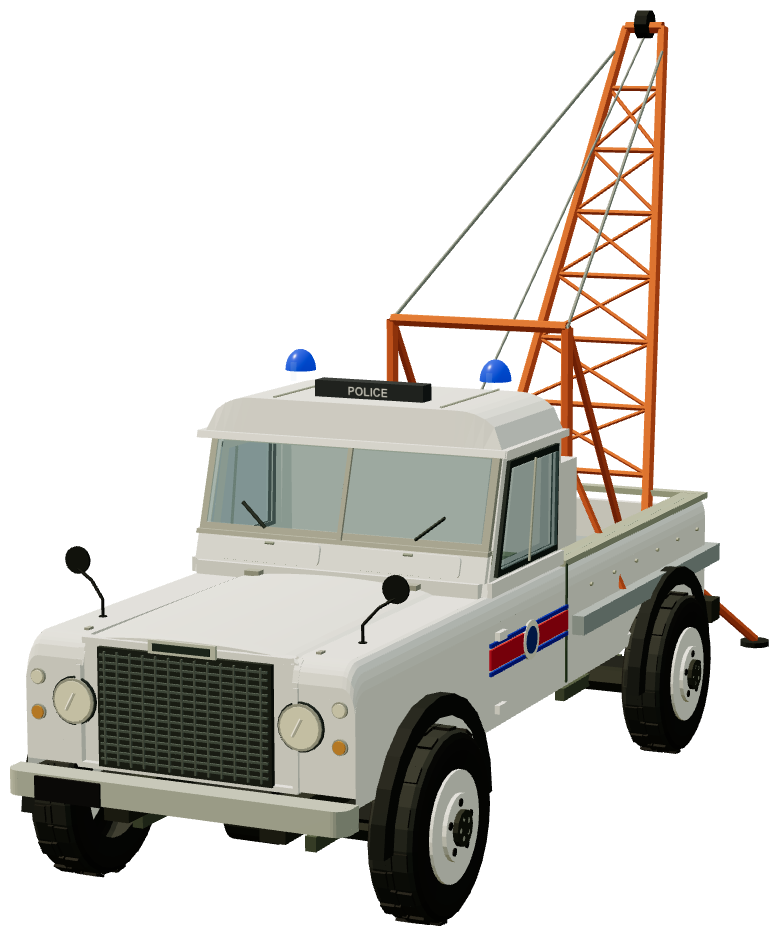 ASSAR 127 Stage 1 V8 Winch Vehicle1981–85 · United Kingdom
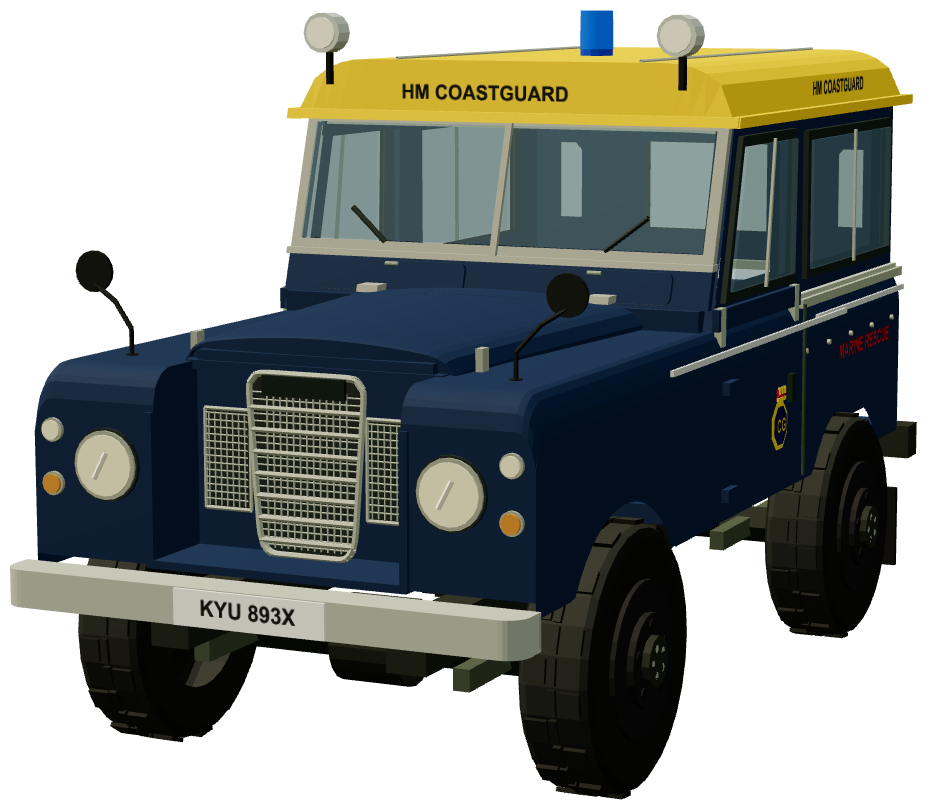 HM Coastguard Series III 88 Station Wagon1981–82 · United Kingdom
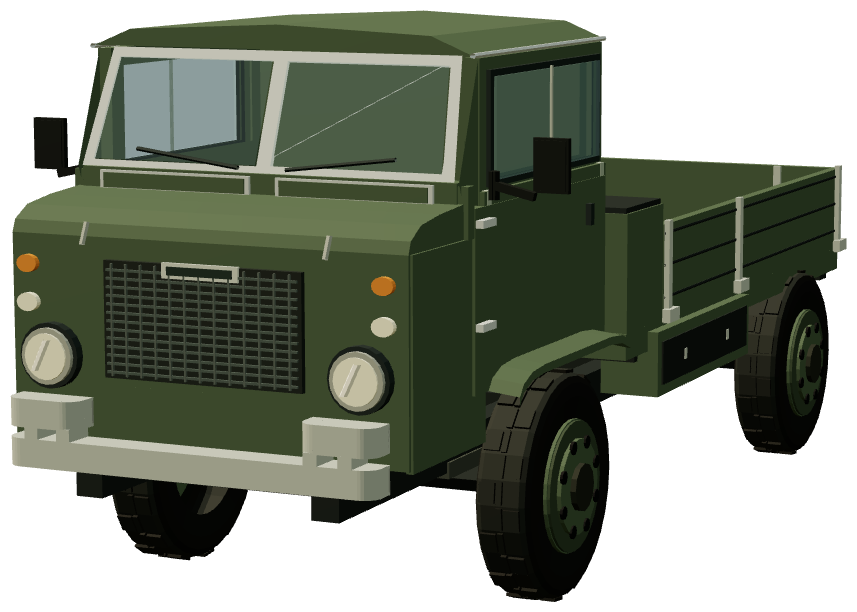 FC821982 · United Kingdom
 FC82 6×61982 · United Kingdom
 Gwent Series III Fire Appliance1982 · United Kingdom
 Hotspur Sandringham 139″ APC1982–87 · United Kingdom
 Camel Trophy 1983 — Series III 109 Support1983
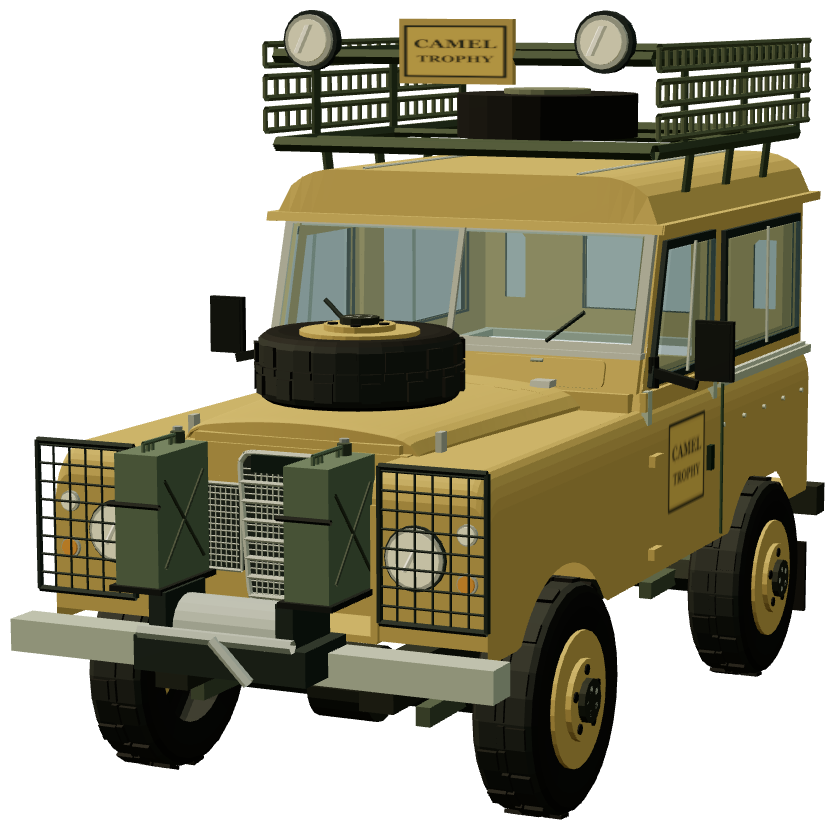 Camel Trophy 1983 — Series III 881983
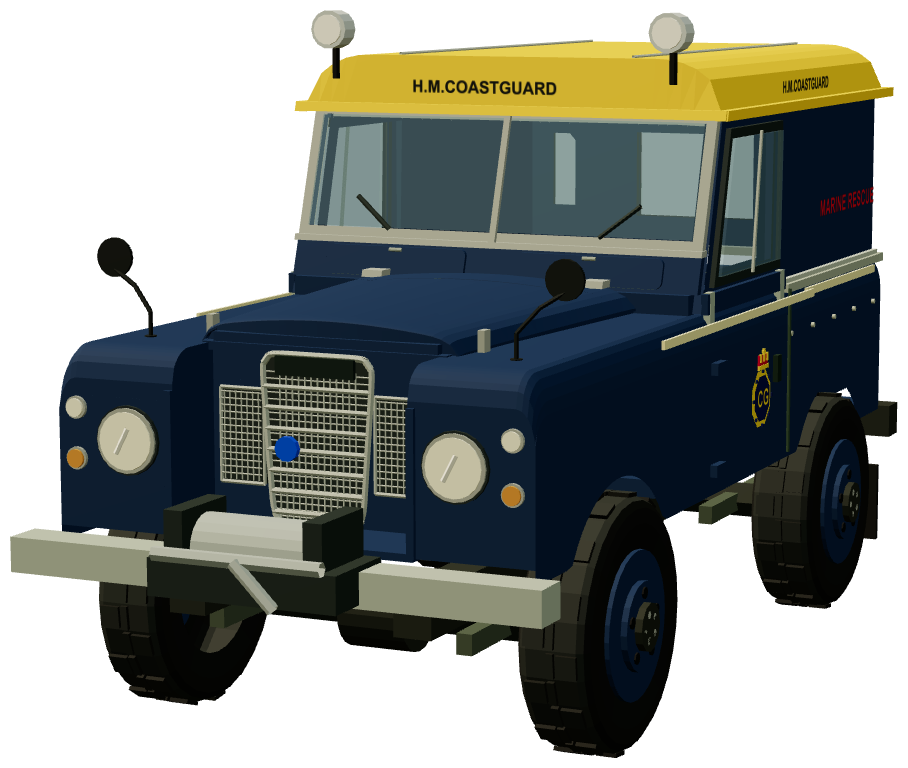 HM Coastguard Series III 88 Hard Top1983–84 · United Kingdom
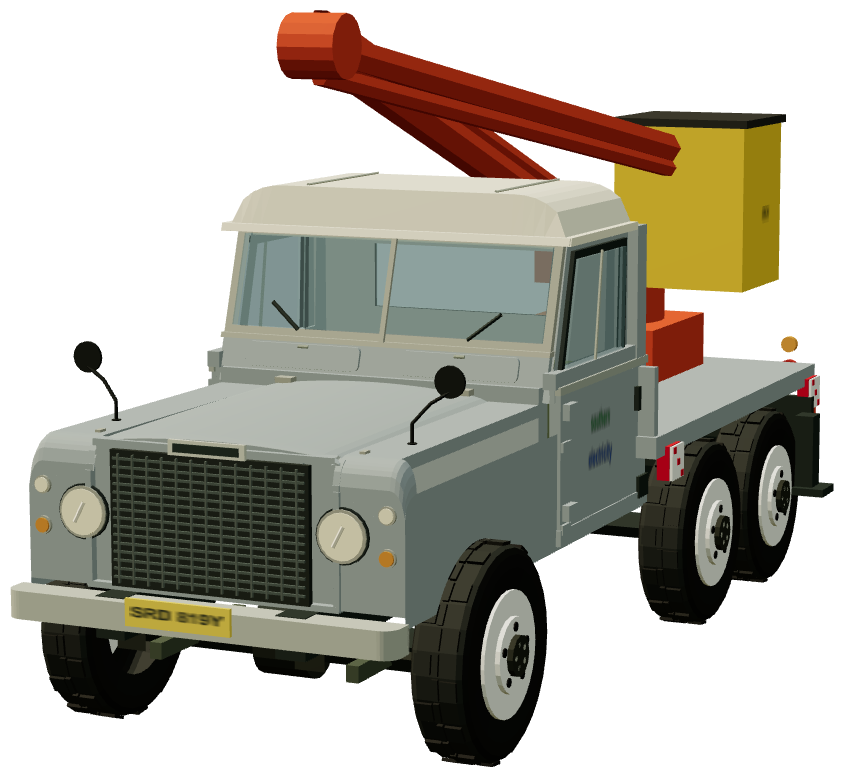 SEB Hotspur 6×6 Cherry Picker1983 · United Kingdom
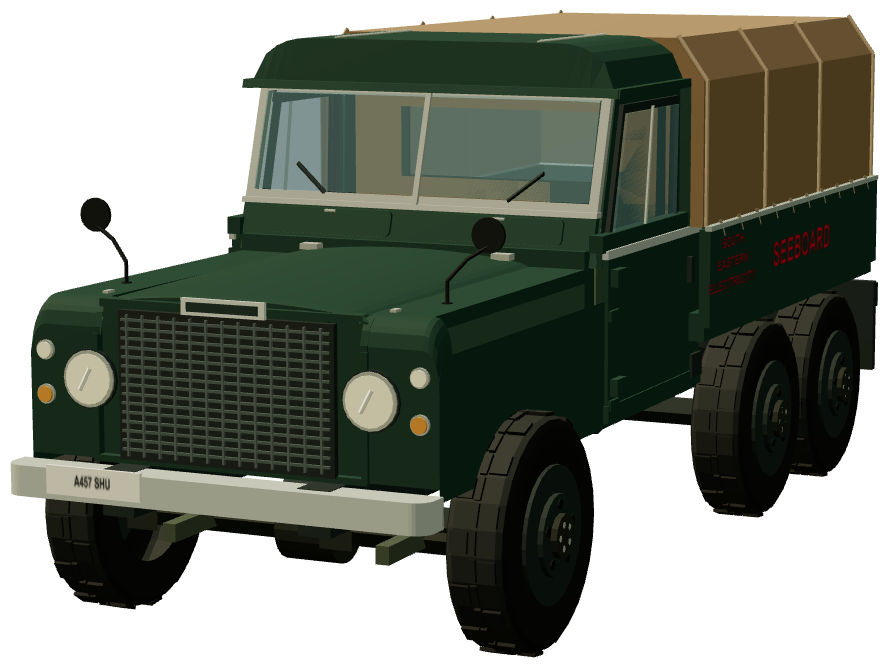 SEEBOARD 6×6 Line Tensioner1983–84 · United Kingdom
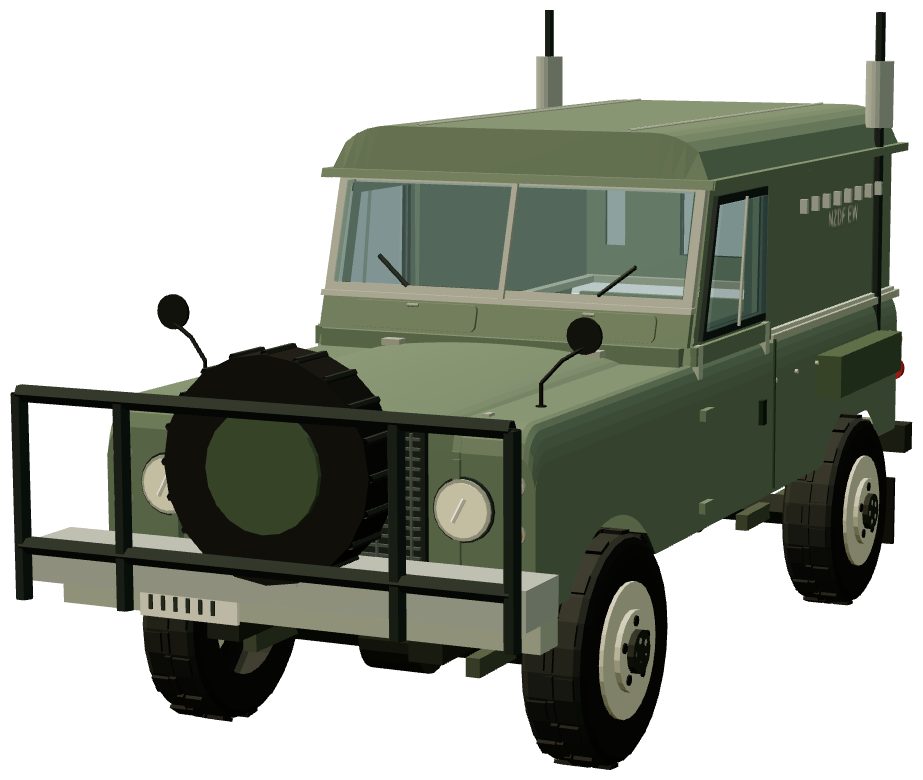 New Zealand Stage 1 electronic-warfare vehicle1985 · United Kingdom / New Zealand
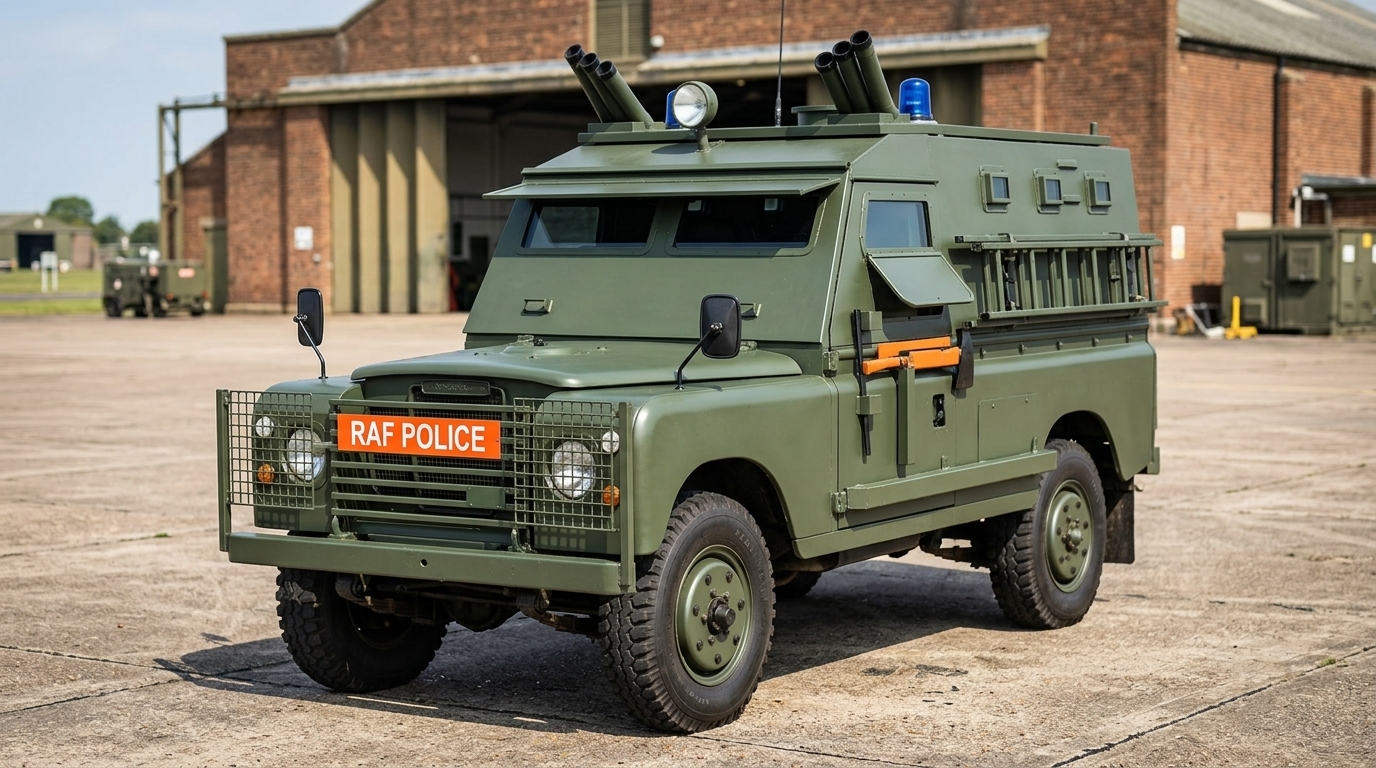 Shorland SB401 APV · RAF Police1986 · United Kingdom
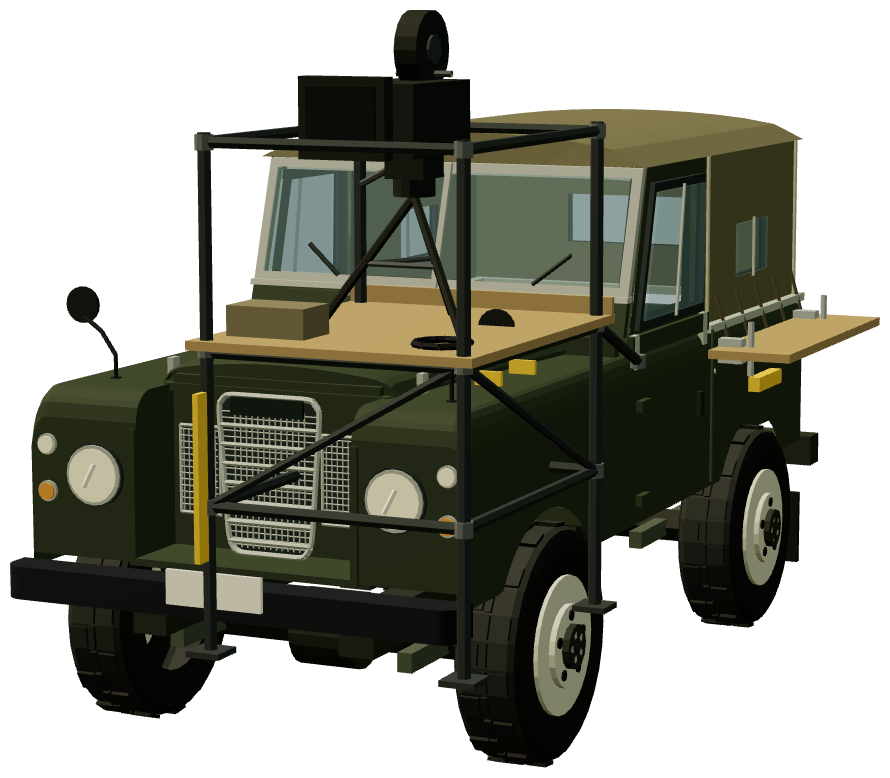 The Living Daylights Army Series III1986 · United Kingdom
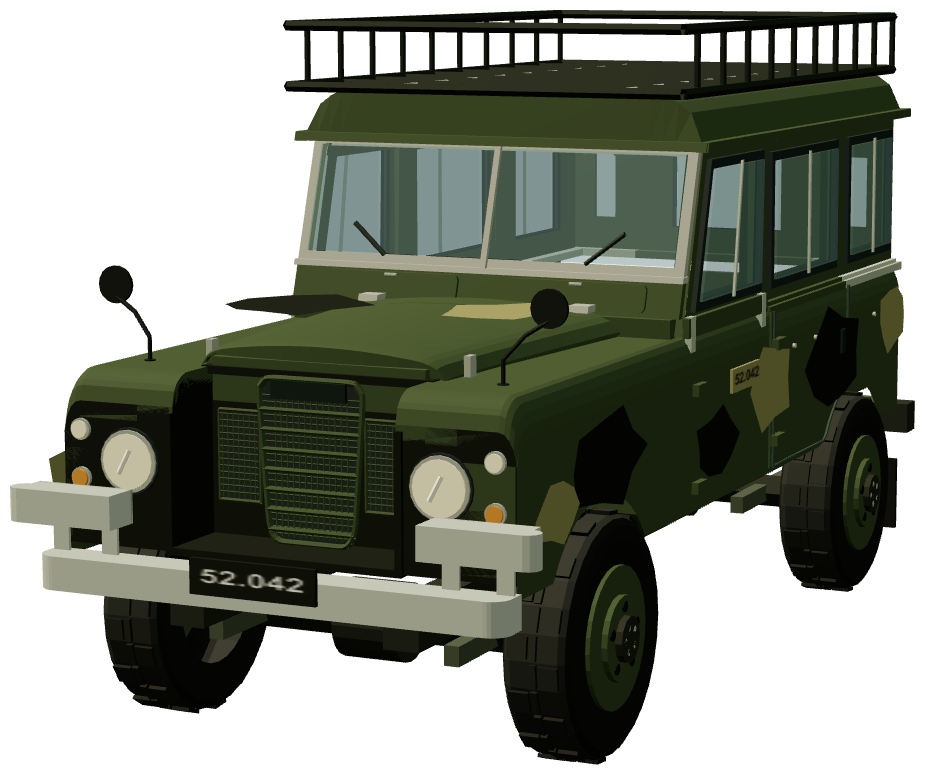 Danish Army 109 Commander’s Caravan1990 · United Kingdom
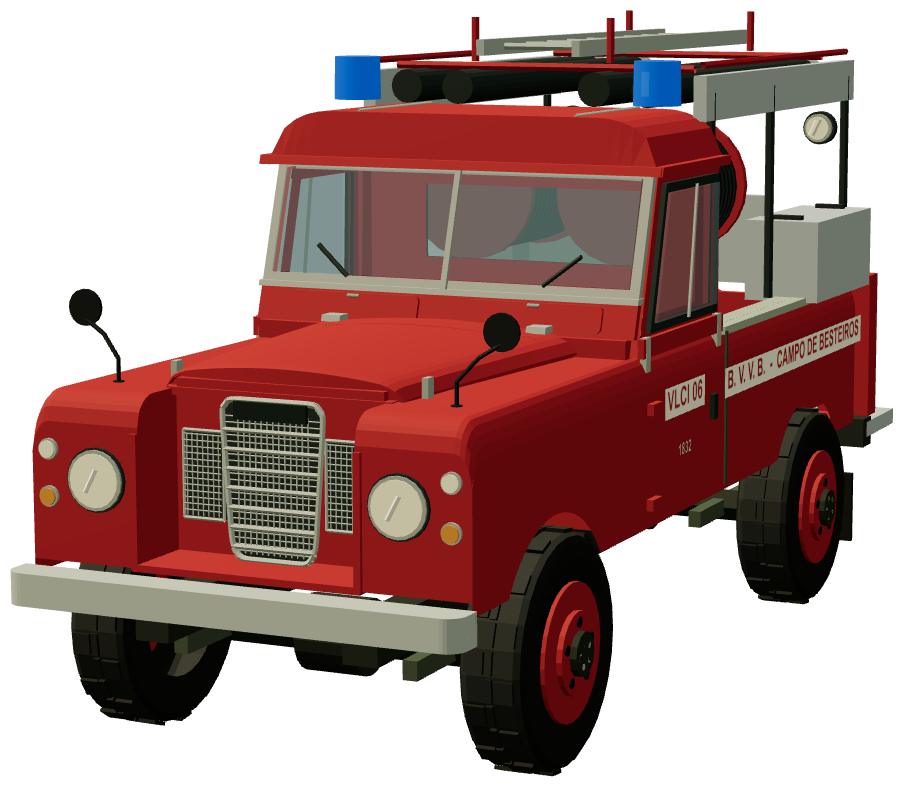 Campo de Besteiros VLCI 062011 · United Kingdom