The expedition
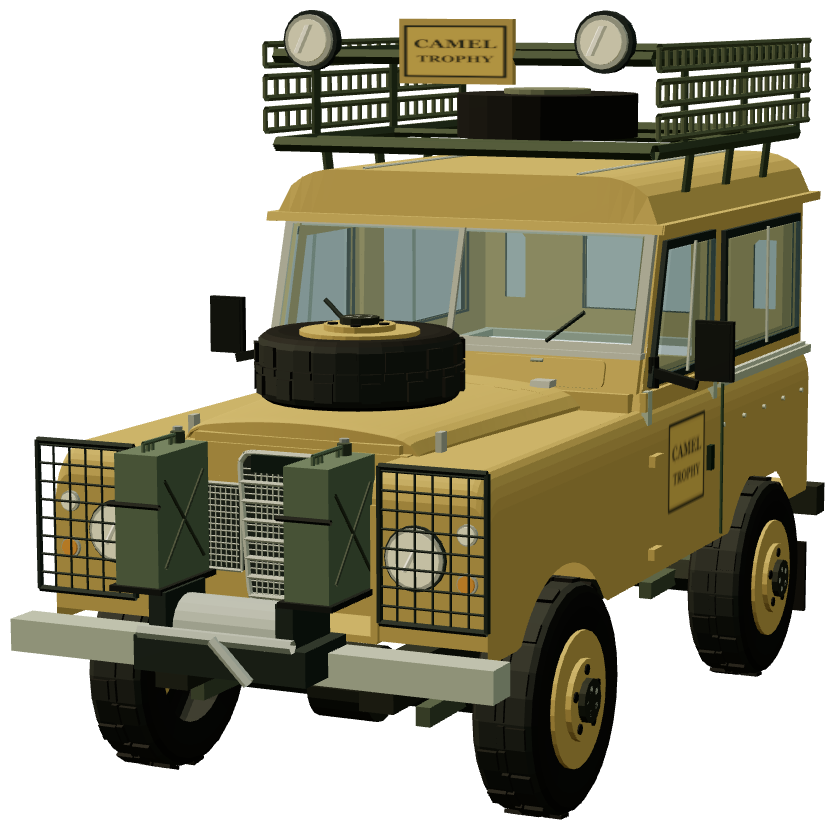
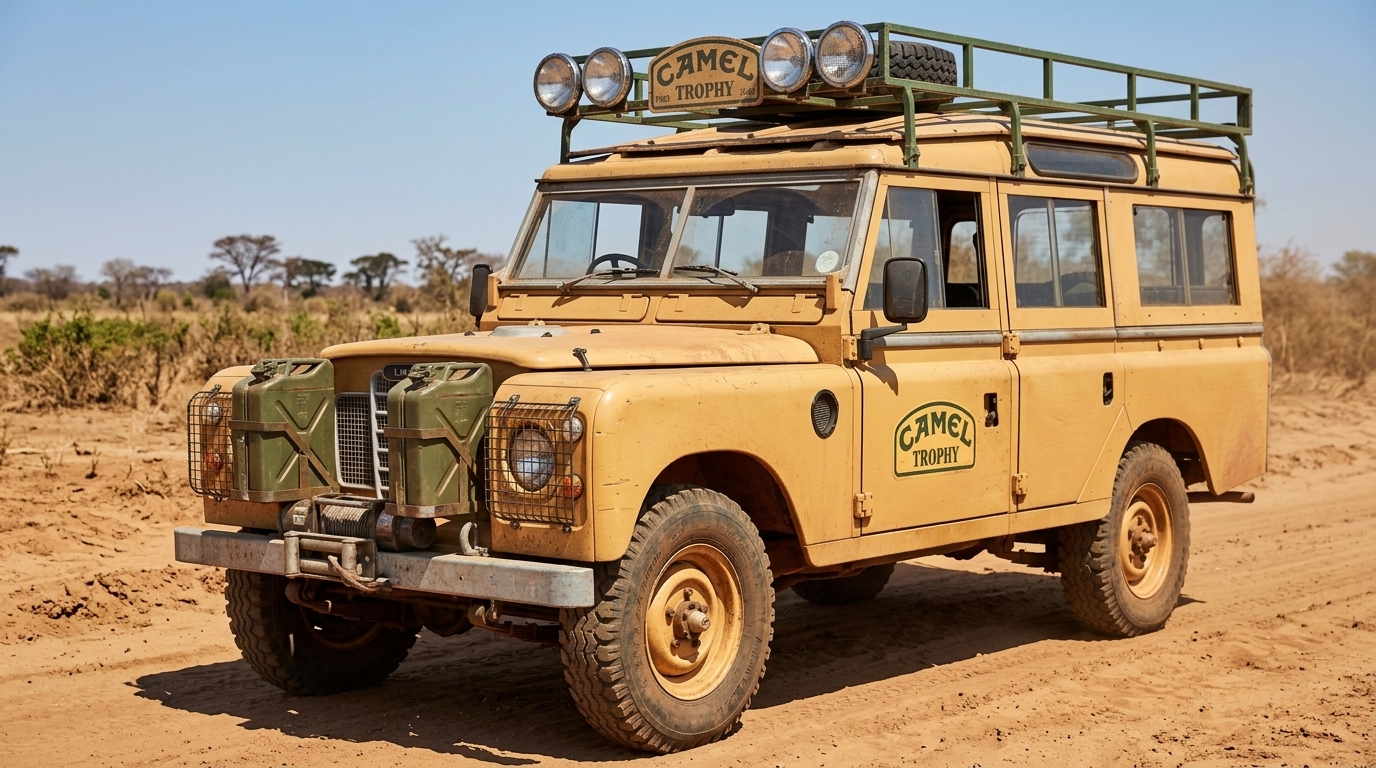
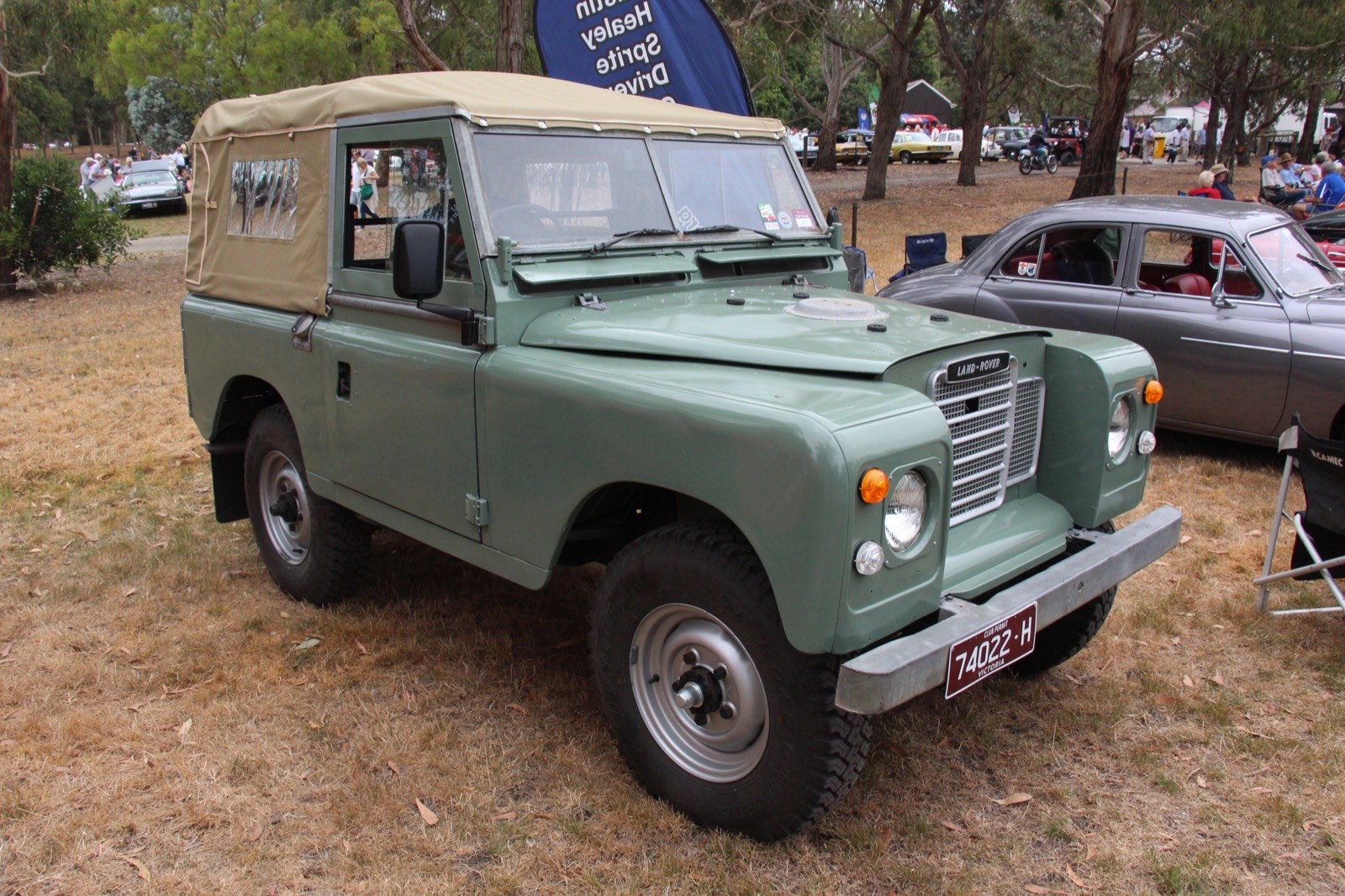
After three Camel Trophies in South America and Asia — the 1980 Transamazonica in Jeeps, then Sumatra and Papua New Guinea in Range Rovers — the event moved to Africa in 1983. Zaire's president, Mobutu Sese Seko, hosted it, hoping for attention for a beleaguered region. The change of continent brought a change of vehicle: the Range Rover gave way to the Land Rover Series III 88-inch station wagon for the competitors, with Series III 109-inch station wagons for journalists and support crews. Both were mechanically standard 2.25-litre diesels with the factory hot-climate pack — eight-blade fan, twin fan belts, oil cooler and fan shrouds — and were fitted with roof racks, winches, bridging ladders, steering guards, jerry-can mounts and extra lights.
The United States stayed away in 1983 and its place went to new entries from Portugal and Hong Kong; with more countries wanting in, entry was limited to one team per nation, so seven crews started: West Germany (Joachim Haessler and Dieter Geng), the Netherlands (Henk Bont and Franz Heij), Hong Kong (Sau-Hing Lai and Kam-Chuen Au), Italy (Paolo Contegiancomo and Aurelio Girelli), Portugal (Manuel Marques Pinto and Pedro Vilas-Boas), Spain (Juan Espinosa de los Monteros and José Manuel Rodríguez Bautista) and Switzerland (Charles Botta and Jürg Lüthi). The Spanish account records eleven vehicles in the convoy that left Kinshasa on 6 April 1983.
The first two days were easy going: 220 miles to Bandundu, where the Hong Kong team celebrated by standing the expedition a chicken feast. Then the pace fell to 40 km on some days. On the fourth day a huge fallen tree blocked the track and had to be cut through with axes and saws while three cars went six hours back down the route to dig out the twelve-tonne fuel lorry, which had to be unloaded, winched and reloaded. Around the tenth day the convoy entered the jungle of the Mai-Ndombe region, wading rivers, building bridges and crossing others on slippery logs. On the eleventh day by the Camel Trophy Club's account (the third, by the Spanish one) the Italian journalists' 109 caught fire when a petrol stove being used on or in the vehicle set off its jerry cans; the fuel tank exploded, the roof was blown off, 140 litres of reserve diesel burned and the Italians lost everything they carried, though nobody was seriously hurt and the gutted car's engine still ran. It was the only Land Rover that did not reach the finish. Later the convoy ran short of diesel and drove into the night to a refuelling point, only to find the tanker stuck fourteen miles away through the jungle; three team cars spent the night ferrying barrels. When a supply aircraft brought food and fuel from Kinshasa the strip was too short for it to take off again, so the crews felled trees and levelled ground with the Land Rovers and axes to lengthen it. The event doctors held clinics in villages along the way, the first record of what became a Camel Trophy habit.
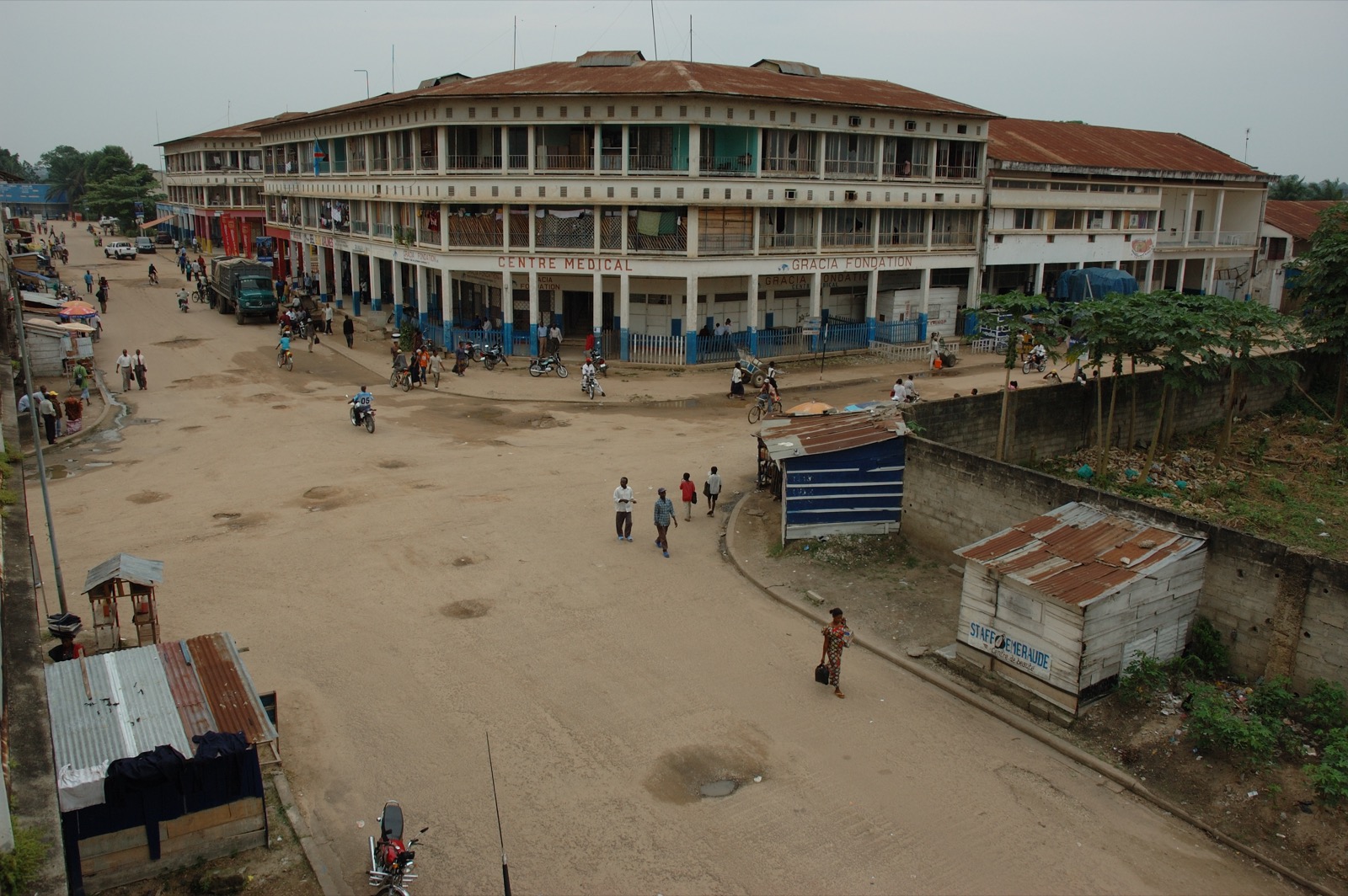
Sixteen days after leaving the capital the expedition reached Kisangani, having set up a wildlife monitoring post by headlamp that morning. The Netherlands won, with Portugal and Hong Kong runners-up; the Italians, well placed in the special tasks, had been put out by the fire. As was the practice in the early years, none of the cars came back to Britain: some were sold through African Land Rover dealers, most were given to charities and wildlife reserves, and some were broken for spares. None is known to survive. From 1984 the Camel Trophy ran in the coil-sprung One Ten, Ninety and Defender, so Zaire 1983 remains the only edition contested in Series Land Rovers.
.jpg)
