DIFFLOCKEDTHE REGISTRY RESEARCHED · UPDATED 16 SEPTEMBER 2026

Transglobe Expedition — the Sahara crossing

ALSO KNOWN AS TRANSGLOBE EXPEDITION 1979–82, OVERLAND LEG · GREENWICH TO ABIDJAN 1979

The overland opening of Sir Ranulph Fiennes' Transglobe Expedition, the first surface circumnavigation of the Earth through both Poles: in September 1979 the five-strong land party — Ran and Ginny Fiennes, Charlie Burton, Oliver Shepard and Simon Grimes — drove two Land Rovers and a Range Rover from Greenwich through France and Spain, shipped from Barcelona to Algiers in the expedition ship Benjamin Bowring, and spent eight weeks crossing the Sahara and the Niger basin by way of El Goléa and Timbuktu to rejoin the ship at Abidjan, collecting specimens for the Natural History Museum on the way, before sailing for Cape Town and Antarctica.

DAYS OUTBOUNDDISTANCE6COUNTRIES8WAYPOINTS2VEHICLES5CREW
ONLY THE PLACES THE EXPEDITION'S OWN ACCOUNT NAMES ARE PLOTTED; THE LINE BETWEEN ALGIERS, EL GOLÉA, TIMBUKTU AND ABIDJAN IS THE GENERAL TRANS-SAHARAN COURSE, NOT A TRACK. CÔTE D'IVOIRE (ABIDJAN) IS NOT IN THE REGISTRY'S COUNTRY LIST, SO THE ABIDJAN POINTS CARRY COORDINATES ONLY.
THE JOURNEY IN SIX MOMENTS
2 September 1979GreenwichThe Prince of Wales inaugurates the expeditionSeptember 1979Paris and BarcelonaTrade exhibition; the land party drives through France and SpainOctober 1979AlgiersInto the Sahara: a gallon of water a day eachNovember 1979TimbuktuThe chicken dinner; bats for the Natural History MuseumDecember 1979AbidjanEight weeks after Algiers; the vehicles 'entirely troublefree'29 August 1982Greenwich againThe circumnavigation completed via both Poles
DEPARTED2 September 1979
Greenwich, London
ARRIVEDDecember 1979
Abidjan — rejoining the Benjamin Bowring
DISTANCENot published for the overland leg; the whole expedition covered some 100,000 miles
COUNTRIES CROSSED, IN ORDER
GBUnited KingdomFRFranceESSpainDZAlgeriaMLMaliCIIvory Coast

The expedition

Ginny Fiennes conceived the idea in February 1972: a circumnavigation of the world along the Greenwich meridian, south through Europe and Africa to Antarctica, across the continent by the South Pole, north up the Pacific to Canada, through the Northwest Passage and over the Arctic Ocean by the North Pole back to Greenwich, using only surface transport. It took seven years to organise, with over 1,900 sponsoring companies and no paid staff; the ice team of Fiennes, Oliver Shepard and Charlie Burton had trained in Greenland and on a failed four-month attempt on the North Pole in 1977. The Prince of Wales, the expedition's patron, called it 'mad but marvellous'.

On 2 September 1979 the thirty-year-old ice-strengthened ship MV Benjamin Bowring sailed from Greenwich with the Prince of Wales at the inauguration, days after the death of Earl Mountbatten — 'an enterprise of which Earl Mountbatten would have thoroughly approved', the Prince said. In Paris 225 sponsors showed their goods at a trade exhibition, and the land party of Ran and Virginia Fiennes, Simon Grimes, Charlie Burton and Oliver Shepard drove the two Land Rovers and the Range Rover across France and Spain to Barcelona, where a thunderstorm had wrecked the exhibition hall roof and the show was abandoned. The vehicles and the exhibition were loaded into the Benjamin Bowring for the passage to Algiers, where the heat was in the high nineties Fahrenheit with 90 per cent humidity and the routine of repellent cream and anti-malarial tablets began.

The desert days began at five with cereal, coffee and bread — no butter in the heat — and ended at about five in the evening with tents, Shepard's meteorological observations and a hurried supper before dark at six. Water was rationed to a gallon a day each for everything; all of it had to be strained and boiled, and parasites could be seen wriggling in the gauze. Sandstorms of one to three hours were frequent. The drivers changed vehicles to break the monotony; the scientific programme took them off the beaten track, and even the Land Rovers, whose performance they praised, bogged axle-deep and had to be unloaded, dug and towed out at over 100°F. At El Goléa the thorny burrs of the wild grasses got under their clothes and a medical orderly told them three people had lately died of scorpion stings. At Timbuktu a restaurant meal went wrong when the chef plucked the chicken alive in front of them — 'our appetite flew away with the feathers', said Virginia. Shepard collected specimens for the British Museum (Natural History) throughout, spending four days in wells and caves to catch the bats they had asked for, and in the swamps of the Niger basin worked from a collapsible boat with a British Seagull outboard while Fiennes filmed. The radio in Virginia's Land Rover, with a nine-foot whip antenna at the rear, kept clear daily voice contact with the ship and with the base station in England.

After eight weeks the party reached Abidjan on the Ivory Coast, where the Benjamin Bowring was waiting; they mounted their trade exhibition, reloaded and sailed for Cape Town, and on 22 December 1979 for Antarctica. Fiennes called the Sahara 'the end of the preparation for the beginning': the vehicles had 'proved entirely troublefree' and the equipment had 'served extremely well'. The expedition went on to cross Antarctica by the South Pole on 15 December 1980, make the first west–east open-boat transit of the Northwest Passage in 1981, reach the North Pole on 10 April 1982 and return to Greenwich on 29 August 1982 — recorded by Guinness as the first surface circumnavigation via both geographical poles, and told in Fiennes' book To the Ends of the Earth and the 1983 film narrated by Richard Burton.
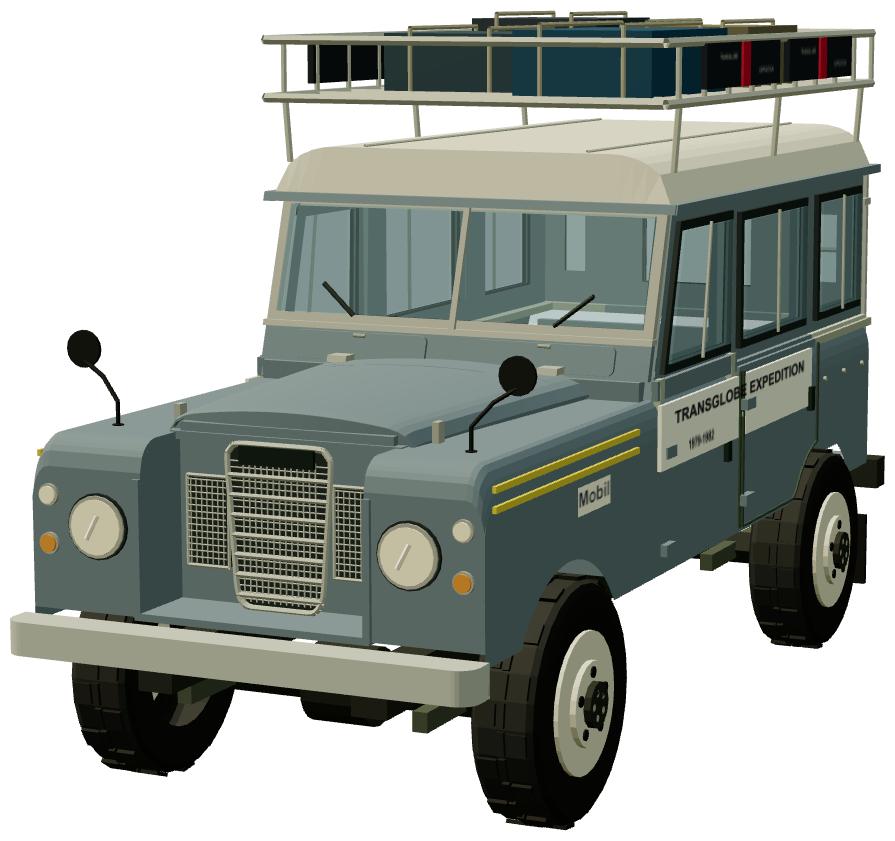
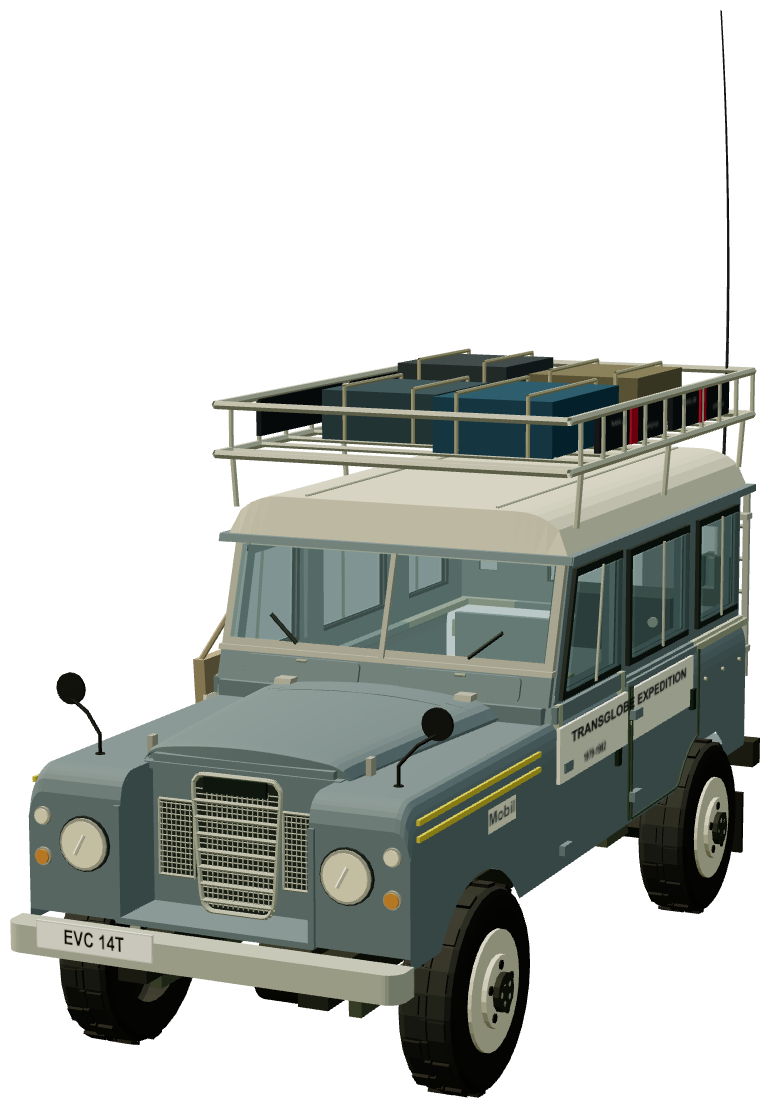
The two vehicles

Imagery

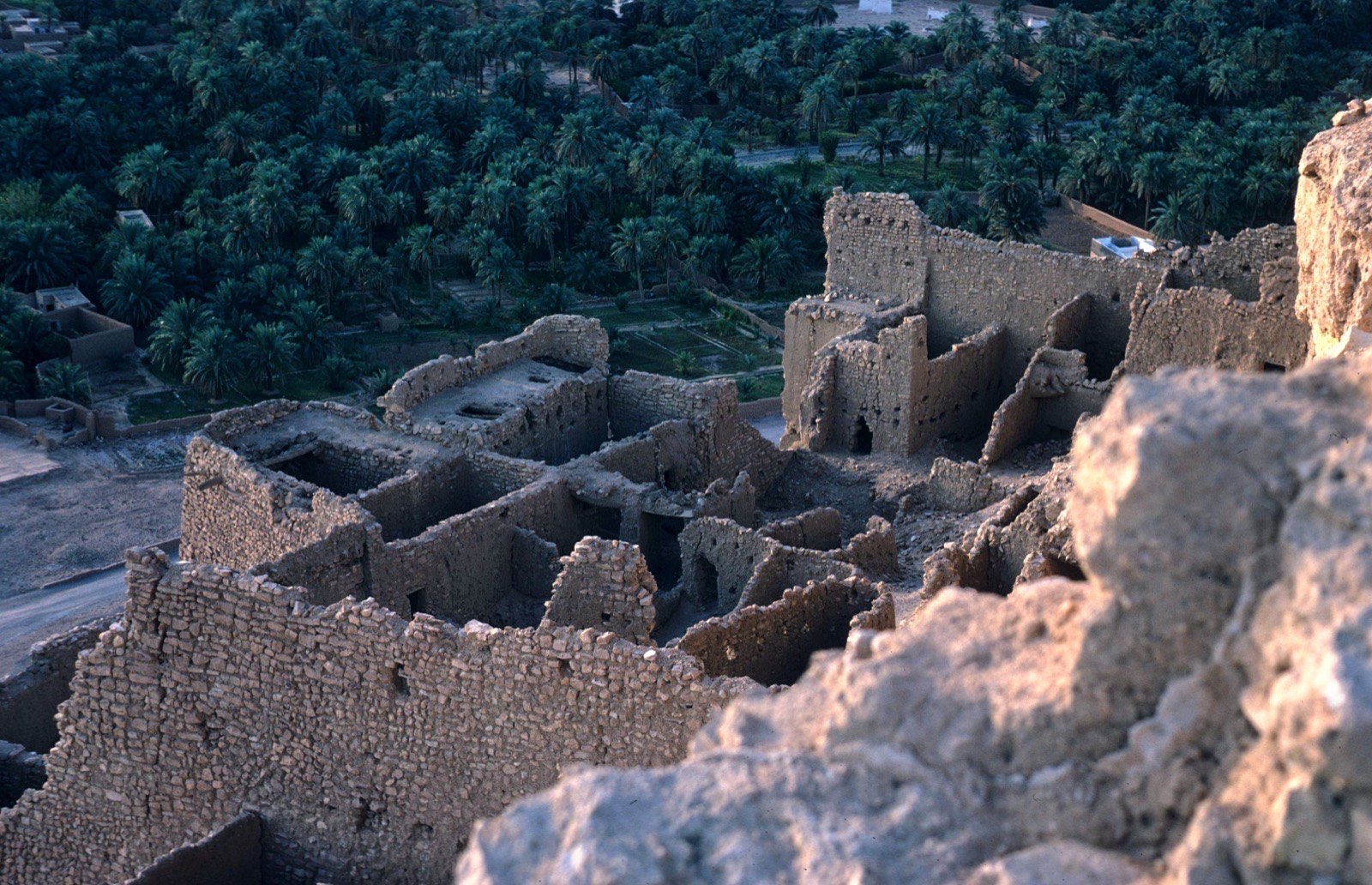
The old ksar and palm groves of El Goléa in the Algerian Sahara, photographed in 1970 — the oasis where the Transglobe land party met the thorny burrs and heard of the scorpions.
PAEBI, WIKIMEDIA COMMONS · CC BY-SA 4.0 ↗
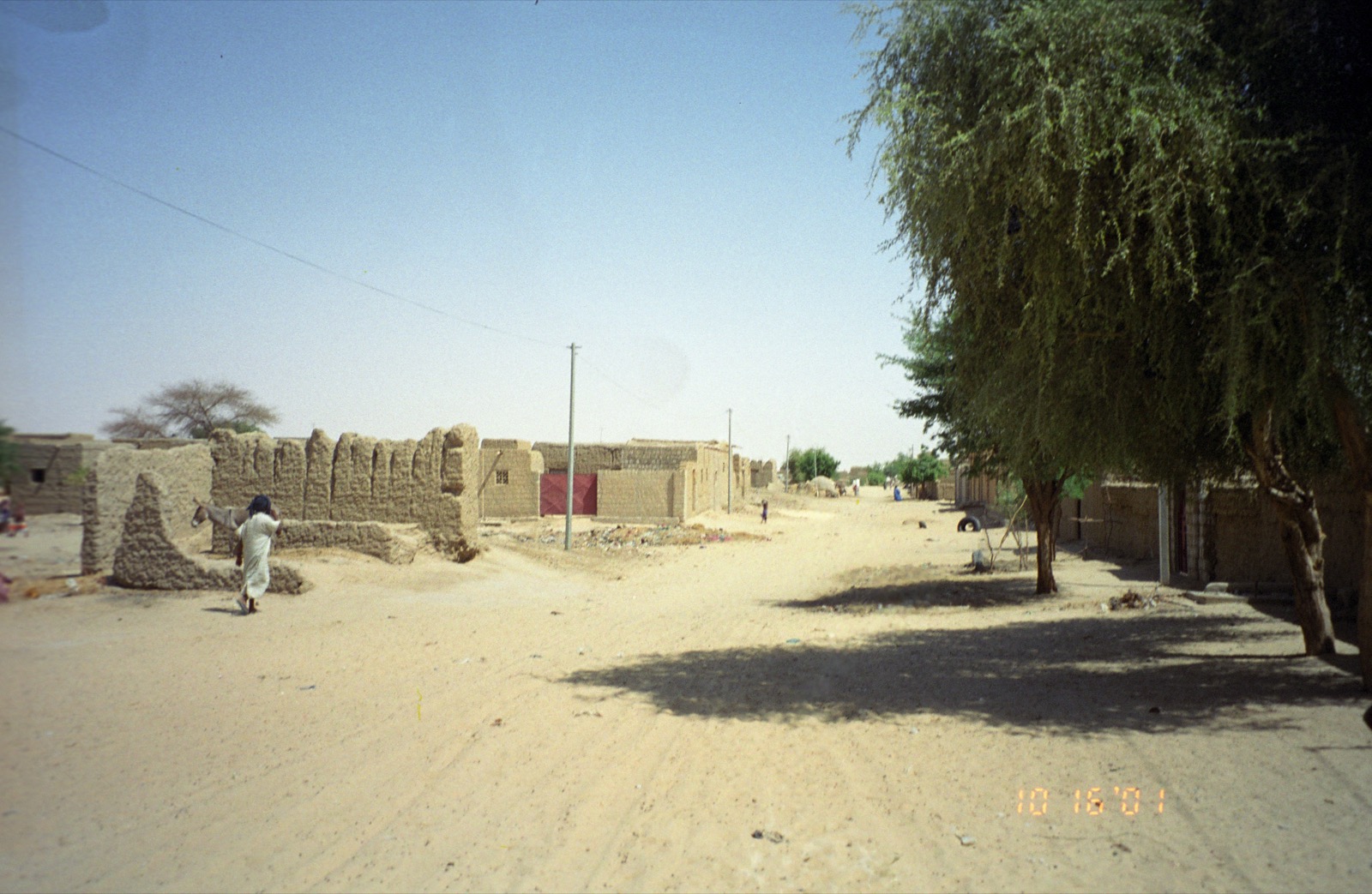
A street near the centre of Timbuktu, Mali, in 2005; the expedition's restaurant meal here in 1979 ended with the chicken plucked alive at the table.
UPYERNOZ, FLICKR VIA WIKIMEDIA COMMONS · CC BY 2.0 ↗

The team

Sir Ranulph FiennesLeaderVirginia 'Ginny' FiennesOriginator of the expedition; radio operatorCharles BurtonIce teamOliver ShepardIce team; meteorology and specimen collectingSimon GrimesCook and commissariat

Organised by Transglobe Expedition. Supported by Over 1,900 companies; the Chubb Group (Twin Otter aircraft).

Online

The expedition's own presence on the web, checked when the record was last updated.

Books & films

To the Ends of the Earth: The Transglobe Expedition, the First Pole-to-Pole Circumnavigation of the Globe
Ranulph Fiennes · 1983

To the Ends of the Earth
William Kronick, narrated by Richard Burton · 1983

Circling Earth from Pole to Pole
Ranulph Fiennes, National Geographic · 1983

Sources

1The Sahara — Part 1: September 1979 – December 1979 ↗ (accessed 2026-09-16)TRANSGLOBE EXPEDITION TRUST2Transglobe Expedition ↗ (accessed 2026-09-16)WIKIPEDIA3Transglobe Expedition 1979-82 — picture library catalogue ↗ (accessed 2026-09-16)SCOTT POLAR RESEARCH INSTITUTE4Reliving the Transglobe Expedition: a journey to the ends of the Earth ↗ (accessed 2026-09-16)GEOGRAPHICAL5Transglobe Expedition 1979-82 ↗ (accessed 2026-09-16)FREEZE FRAME, SCOTT POLAR RESEARCH INSTITUTE
RELATEDExpedition record updated 16 September 2026 · status: researched