Rover showed the Series II to the press on 16 April 1958, ten years after the original Land-Rover had appeared at Amsterdam, and the brochure for the new 88-inch Regular opened by saying so: ten years' uninterrupted operation, and now "the new, sleeker Series II". It was the first Land Rover to pass through a styling department. David Bache widened the body five inches to cover wider axle tracks and hid the extra width under a curved waistline — the barrel side — added sill panels to hide the chassis, and gave the truck cab curved side windows and a rounded roof. The shape was still recognisably Solihull's when the last Defender left the line in 2016.
Underneath, the news was an engine. The 2,286 cc overhead-valve petrol four, developed from the 1957 diesel, went into the 109-inch from the start and into the 88-inch once stocks of the old 1,997 cc unit had been used up, and it stayed in production until 1985. The 2,052 cc diesel carried over unchanged. Then, in September 1961, the diesel was enlarged to 2,286 cc as well and the car was renamed Series IIA, so the Series II proper lasted three and a half years. The registry holds 31 of them, from an early press car turned airport conveyor to the Australian Army's first Series 2s, and this page follows them through the model's short life.
The 1958 redesign
5 VEHICLES IN THIS CHAPTERRover timed the Series II as a tenth-anniversary renewal, and the changes were a stylist's rather than an engineer's. The chassis, transfer box and axles were the 88 and 109-inch layout the Series I had reached in 1956; the axles were wider, which improved the turning circle, the rear springs were repositioned, the gearbox gained synchromesh on third and top, and the window perspex became glass. Around this David Bache drew a body five inches wider, its waist barrelled out to hide the width, with deep sills below the doors and a truck cab whose curved windows and rounded roof lasted until 2016. Hard tops on the earliest cars had no rear side windows and were painted body colour. The Dunsfold Collection's RSY 211, chassis 141800002, is one of the first 88s built and still has its 2.0-litre petrol engine: Solihull used up the Series I unit in the short-wheelbase car for the first months, and the 1958 Regular brochure, Publication 552, still quotes 1,997 cc and 52 bhp beside the 2,052 cc diesel. The 109 got the 2,286 cc engine — a bored-out development of the diesel block, rated by Wikipedia at 72 bhp — from the outset, and the Series 2 Club dates its arrival in the 88 to September 1958.
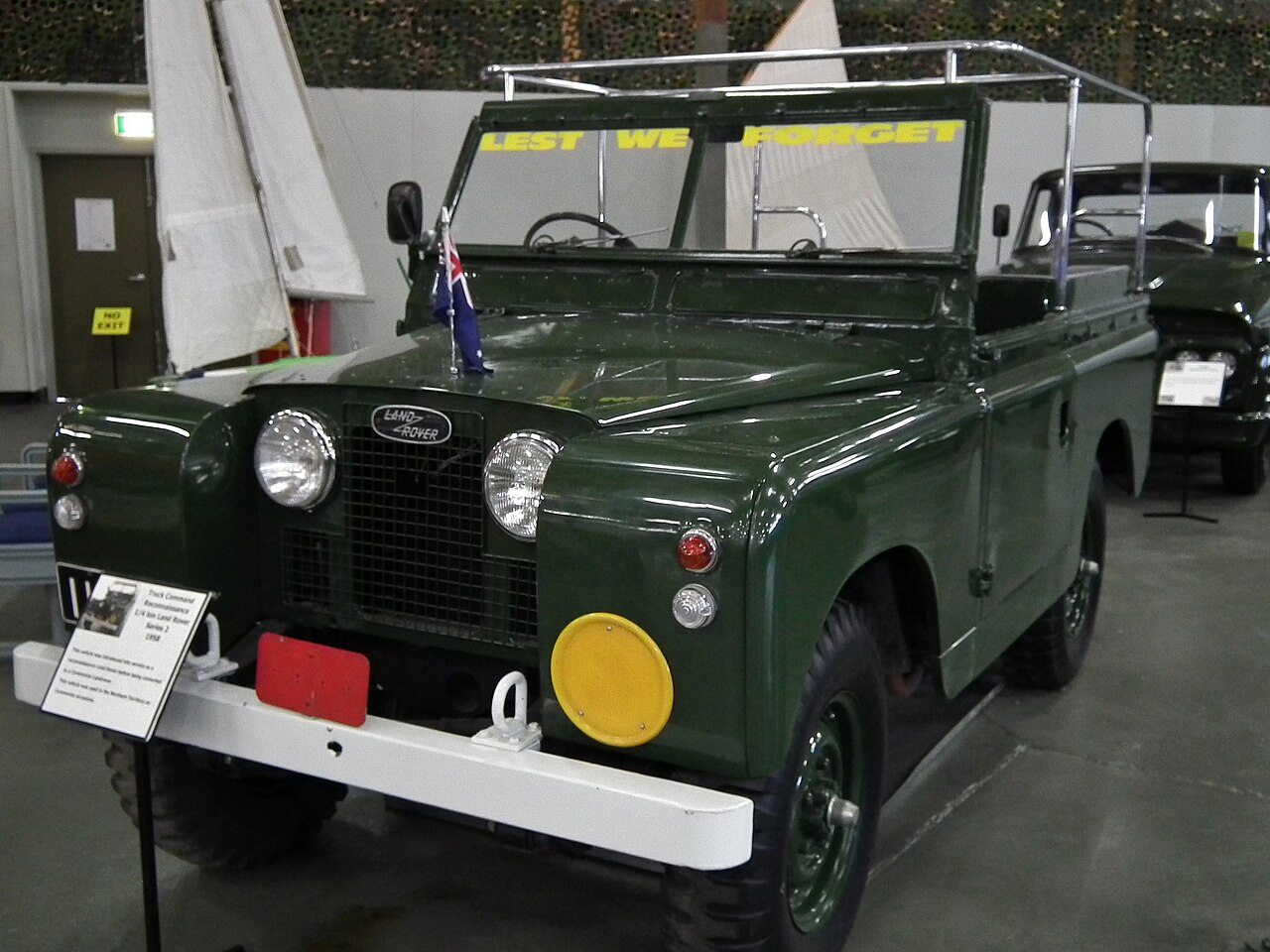
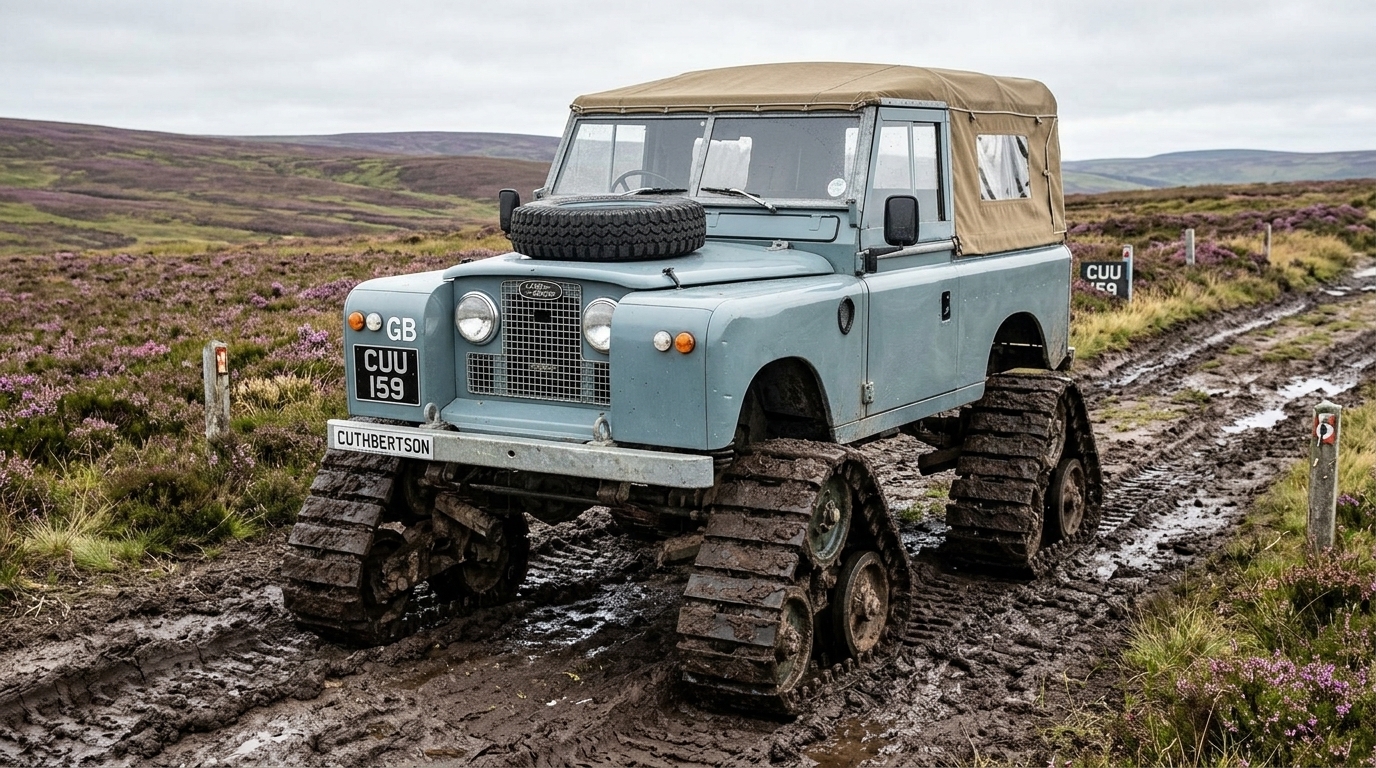
The registry's 1958 cars show how quickly the trade got hold of the new model. YAC 498, an early grey 109 press car with chassis 151800020, was sold to Peter Moy in May 1960 and became the only 109-inch Moy Conveyor, a powered luggage belt running the length of the vehicle; a Series I 80 prototype had been trialled by the Army in late 1958 and 88-inch versions went to BEA and BOAC at Heathrow. James Cuthbertson of Biggar put a complete Series II on four tracked bogies for peat and forestry work; the 1958 example RJB 102 is at the British Motor Museum. Rover's own Rail Rover put flanged wheels on an 88 hard top, and the Dale Bull-Angledozer hung a 66-inch hydraulic blade on the front. In Australia the Army's first Series 2s, 88-inch Command and Reconnaissance trucks in Deep Bronze Green, were delivered from December 1958.


.jpg)
Station wagons and the twelve-seater
4 VEHICLES IN THIS CHAPTERThe seven-seat 88-inch station wagon was in the range from April 1958; the 109-inch wagon followed in September, and the Dunsfold Collection holds the first production car, chassis 162000001, registered 8679 AC, ordered from the factory by a Northern Rhodesian forestry officer, collected in August 1959, shipped to Matadi and driven 2,000 miles through the Belgian Congo to Ndola. Its significance was fiscal as much as mechanical. Above the standard ten seats Rover offered a twelve-seat layout — six forward-facing, six on two inward-facing benches — and under British law a vehicle with twelve seats or more was a bus, exempt from purchase tax and Special Vehicle Tax. The twelve-seater was therefore cheaper than the ten-seater and cheaper than the seven-seat 88, and the layout survived on Solihull's utility station wagons until 2002. The old five-door 107 wagon, which had no Series II replacement until the new car reached full production, was kept on for export markets until late 1959; Winwaed notes that the cheaper twelve-seater then killed it.
Chassis numbers went to nine digits with the model year in the fourth position: 141 for the 88 petrol, 146 for the 88 diesel, 151 for the 109 petrol, 161 for the 109 station wagon. The new car went straight onto the expedition circuit. Three women took a 109-inch pickup — a Solihull demonstrator with 6,000 miles on it — over the Himalaya in 1958; the Toronto team's 88 station wagon La Cucaracha Cariñosa was hauled through the Darién Gap in 1959–60; a Series II 88 and a 109 pickup accompanied the Berliet trucks across the Ténéré the same winter, and Barbara Toy took a 109 in search of Sheba. A 1959 109 pickup later owned by Daniel Craig and Rachel Weisz is in the registry, as is VAA 999, the bronze-green 1959 88 soft top Brian Bashall rebuilt in 1970 with a roll cage and 6.00×16 knobblies for the first Hillrallies of 1971 — the car that started the Dunsfold Collection's competition history.
Working and service vehicles
6 VEHICLES IN THIS CHAPTERSales ran at 28,000 in the first full year and 34,000 in the next, and most of those cars went to work. In Britain the RAC put Radio Patrol 109 hard tops with roof boards and amber beacons on the road in 1959–60; Everyman's Garage of Chichester began recovering crashed racing cars at Goodwood in sky-blue 88s; Lincoln Electric hung its L.R. 150 welding generator under the tail of a 109 soft top, WAC 612, in 1960; and Trillo's of Whitby would later sell ice cream from a coachbuilt 109. The Forestry Commission's XLE 762, a 1959 109, became the first Forest Rover: Roadless Traction of Hounslow replaced the axles and fitted 10×28 tractor tyres so it could work over stumps, a fire tender for plantations. In Australia the Snowy Mountains Hydro-Electric Authority ran a 1960 109 fire truck with Firefly equipment.
Service use was heaviest of all. The Australian Army's 109-inch ¼-ton fleet, assembled from CKD kits by Pressed Metal Corporation in Sydney, entered service from 1959, and on the same chassis the Army Design Establishment drew the tall insulated "Bloodbox" ambulance; Marshall of Cambridge built the British field ambulance body on the 109, and an 88 with its floor extended past the tailgate became the two-stretcher Forward Area Ambulance. The Royal Navy ran dark-blue 88 hard tops as airfield rescue vehicles, SSK 357 among them, and 109 station wagons for bomb disposal; Denmark's UN contingent in Cyprus used 12-volt 109 soft tops. The Cambridge Trans-American and Nagir expeditions and the second Berliet mission to Chad all ran Series IIs in 1960–61.

.jpg)
.jpg)
Transition to the Series IIA
6 VEHICLES IN THIS CHAPTERIn September 1961 the diesel was bored out to match the petrol at 2,286 cc, the cooling system was revised, and the car became the Series IIA with an eight-digit chassis number beginning 2. Nothing visible changed, which is why the IIA is treated as its own marque here and why Series II records stop at the 1961 model year. The cab-over Forward Control of 1962 belongs to the IIA too: it used the 109-inch chassis and 2.25 petrol engine with the cab set over the engine, and Dunsfold's NXC 511D is the first production IIB 110 of 1966. How many Series IIs were built is not settled — see the production note — but on the annual figures the total is close to 110,000, and the model's short life makes a true 1958–61 car rarer than the IIA that followed.
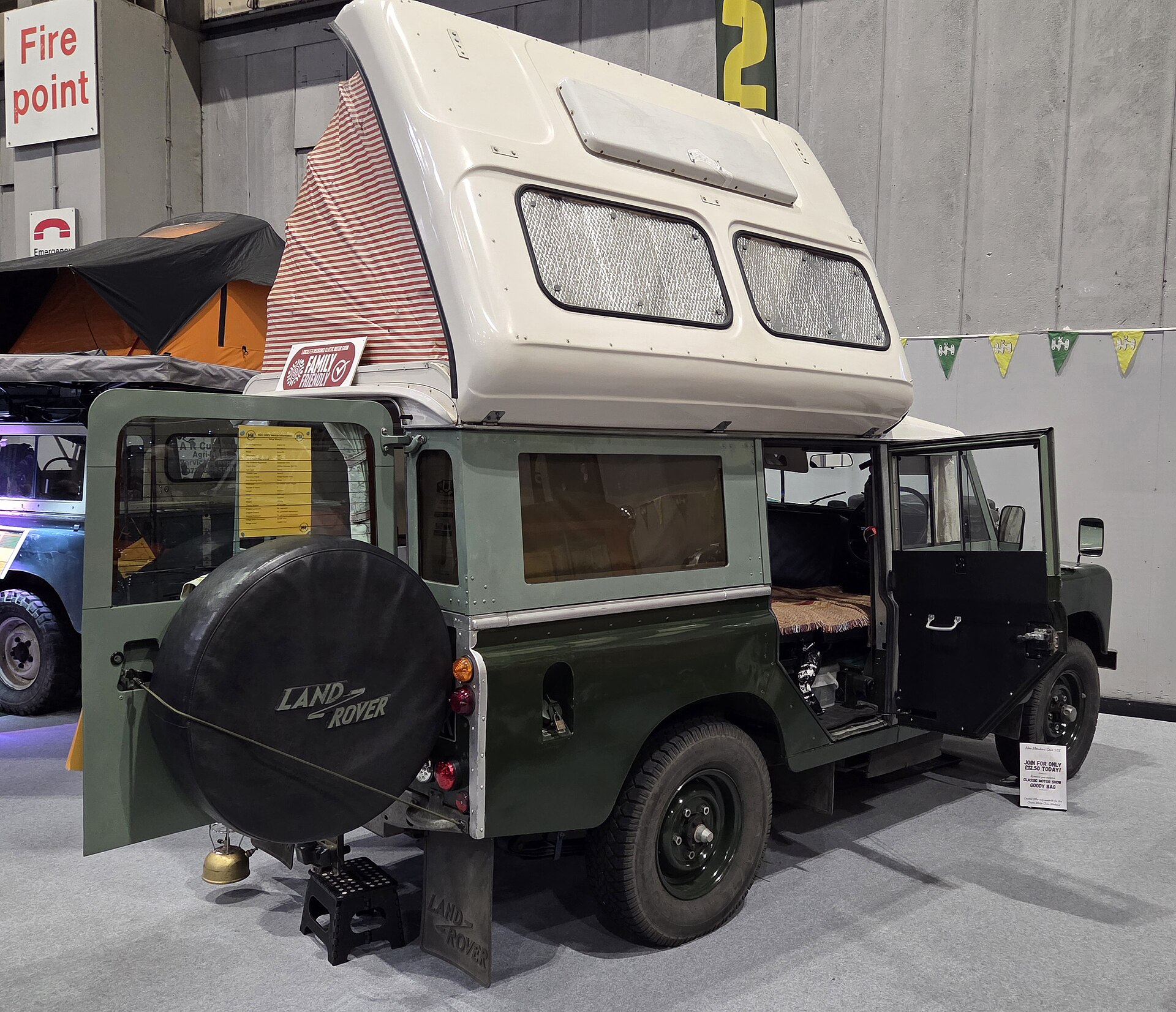
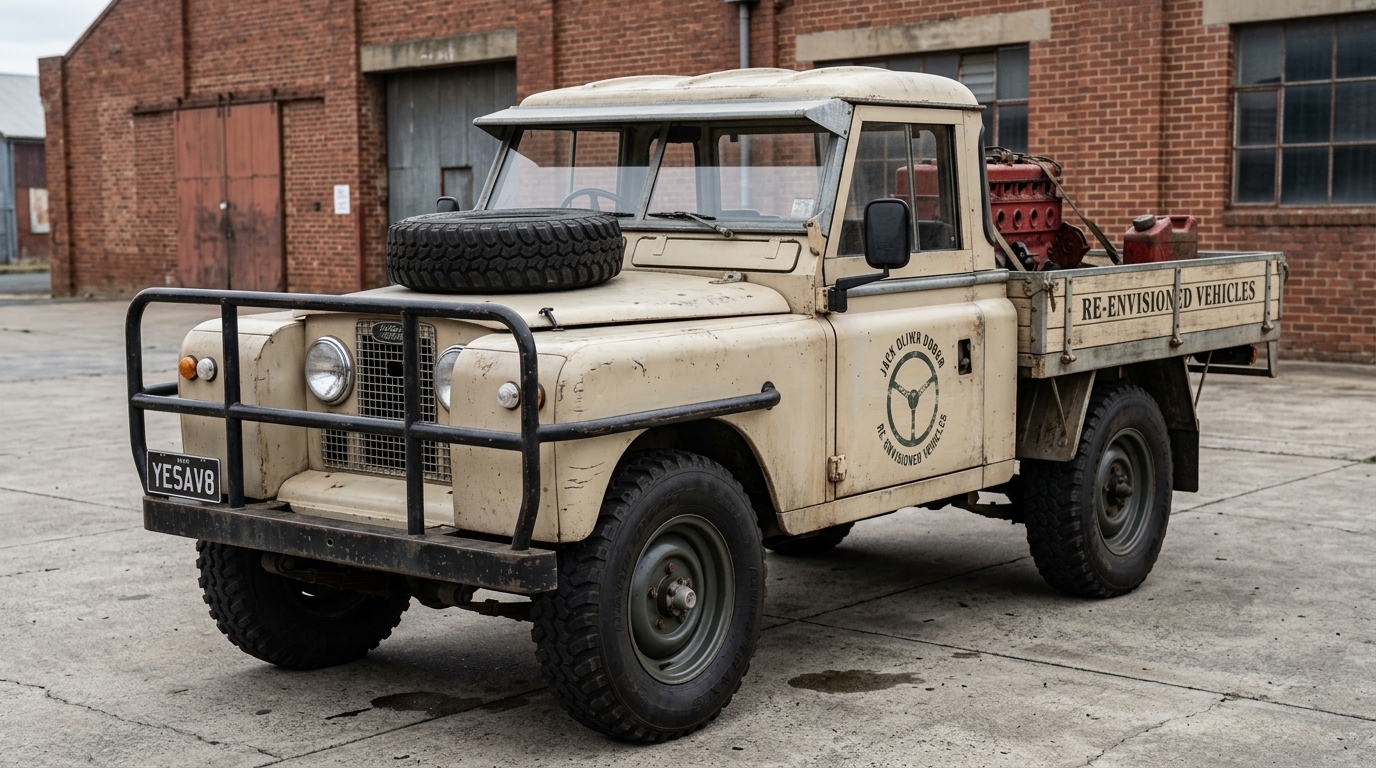
The conversions kept coming on the Series II chassis for years. Martin Walter of Folkestone offered the 109 station wagon as a Dormobile motor caravan with its side-hinged elevating roof from 1961; Cintec built a Cineroma mobile cinema on a 109 wagon in 1962; the Post Office had USi Burtonwood fit a hydraulic tail lift to a single 109 pickup in 1963; RAEME workshops stripped 88s into 106 mm recoilless-rifle Gun Buggies in 1963–64. The registry's most recent Series IIs are a tray-back 109 Shop Truck run by the Brisbane restorer Jack Oliver Dobson and the Gastrowagon HEB 170X, a 109 turned mobile kitchen for television. The military, police and ambulance histories follow the type into the 1960s.

Base models
The structural configurations the registry and the Creator build from; each page carries the researched specification.On expedition
7 documented expeditions driven in this marque · all expeditionsIn service
Where the registry's Series II records worked; each opens the themed history.Manufacturers
Sources
- Land Rover series — Series II — Wikipedia (1958–61; David Bache barrel side, 5 in wider, truck cab; first ~1,500 88s kept the 52 hp 2.0 petrol; 2.25 petrol 72 hp, standard to the mid-1980s; twelve-seater and purchase tax, retained to 2002; 107 wagon to late 1959; IIA 2.25 diesel; Forward Control 1962 on the IIA 109 chassis)
- Model History — Land Rover Series 2 Club (Released to the press 16 April 1958; 2,286 cc petrol; 88 kept 1,997 cc until September 1958; 2,052 cc diesel carried over; 88 station wagon April 1958, 109 September 1958; wider axles and turning circle; sill panels; nine-digit chassis numbers starting 1 with the year as fourth digit, IIA eight digits starting 2; IIA September 1961 with redesigned 2,286 cc diesel)
- Series II — The Dunsfold Collection — The Dunsfold Collection (Vehicle pages fetched: 1958 88 RSY 211 chassis 141800002 with 2.0 petrol, hard tops without rear windows; 1958 109 Moy Conveyor YAC 498 chassis 151800020, press car, sold May 1960, 80-inch prototype trialled late 1958, 88s to BEA and BOAC; 1959 109 station wagon 8679 AC chassis 162000001, RHD export No 1, August 1959, Congo drive; 1959 Hillrally VAA 999 chassis 141901474; 1966 IIB 110 Forward Control NXC 511D production No 1)
- 1958 Land Rover Series II Regular brochure, Publication 552 — The Rover Company, via Internet Archive (Ten years' operation; 'the new, sleeker Series II'; synchromesh on third and top; 1,997 cc 52 bhp petrol and 2,052 cc 52 bhp diesel listed; 88 in wheelbase, weight 2,856 lb)
- Series II & IIA — Land Rover Heritage Collection (Tenth anniversary of April 1948; Bache's barrelled hip replacing slab sides, recognisable until the last vehicle of 2016; lower sill; tracked, fire, One-Ton and Forward Control derivatives)
- The Land Rover History: Series II and IIA — Winwaed (2.286-litre petrol based on the diesel; synchromesh on 3rd and 4th; rear springs moved, steering lock improved; glass replacing perspex; 28,000 sold in the first full year and 34,000 the next; 1961 diesel bored to 2.286 and renamed IIA; twelve-seater undercut the 107 wagon)
- A Brief History of the Land Rover Series 2, 2A and 2B FC — Silodrome (2.25 petrol 70 bhp at 4,250 rpm and 124 lb ft; 2,052 cc diesel 51 bhp; twelve-seat layout with two side benches; Forward Control 1962–66 and IIB 1966–72)
- For Sale: Daniel Craig's 67-Year-Old Land Rover Series II — Silodrome (Roughly 110,000 Series IIs built before the IIA took over in September 1961)
- Land Rover Series IIA and II History — Caerbont Automotive Instruments (Smiths) ('Just over 42,000' Series IIs 1958–61 — the low figure in the production range; Bache updated exterior and interior; 2.25 diesel with the IIA)
- Land Rover Series II — Vehicle History — John Craddock (Three-year run; curved side windows and rounded roof on the truck cab; ten-seat wagon with twelve-seat option exempt from purchase and special vehicle tax; IIA 1961 with 2.25 diesel)
- Series 2/2a — Land Rover Heritage Society (First ~1,500 88s with the 52 hp 2.0; 72 hp 2.25; body range from soft top to five-door wagon; production just short of 600,000 by February 1968)
- Land Rover FAQ: Series chassis numbers by type — lrfaq.org (Series II prefixes 141/146 (88 petrol/diesel) and 151 (109) with year digits 8, 9, 0, 1)
- History of the Defender — One Life — Land Rover UK (Series II 1958, recognisable by deep sills and rounded shoulders; petrol enlarged to two-and-a-quarter litres)
Series II records in the registry
35 records, oldest first.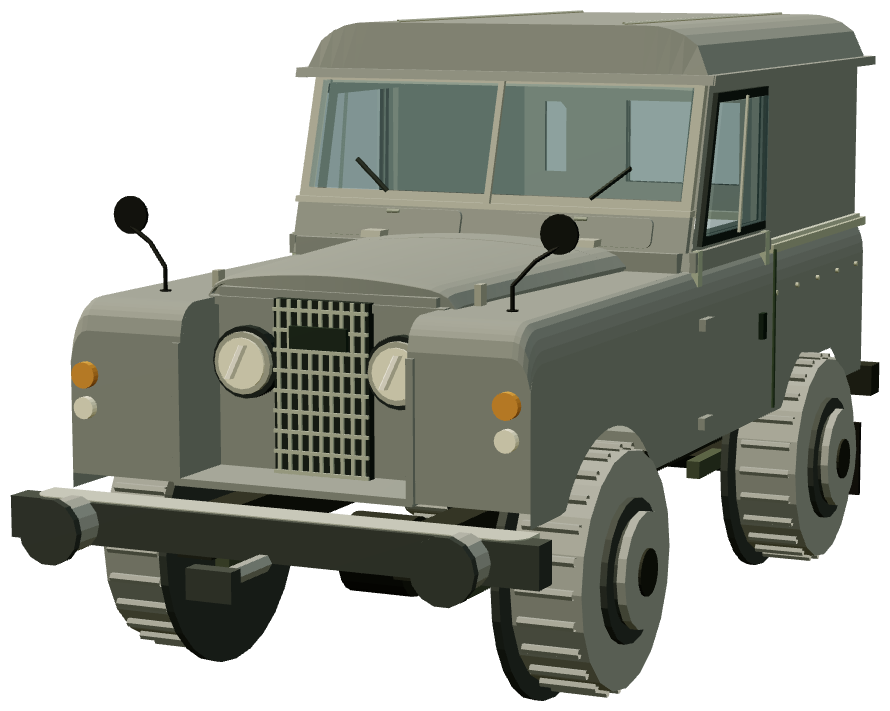 Rail Rover Series II 881950 · United Kingdom
 Cuthbertson1958 · United Kingdom
 Dale Bull-Angledozer1958 · United Kingdom
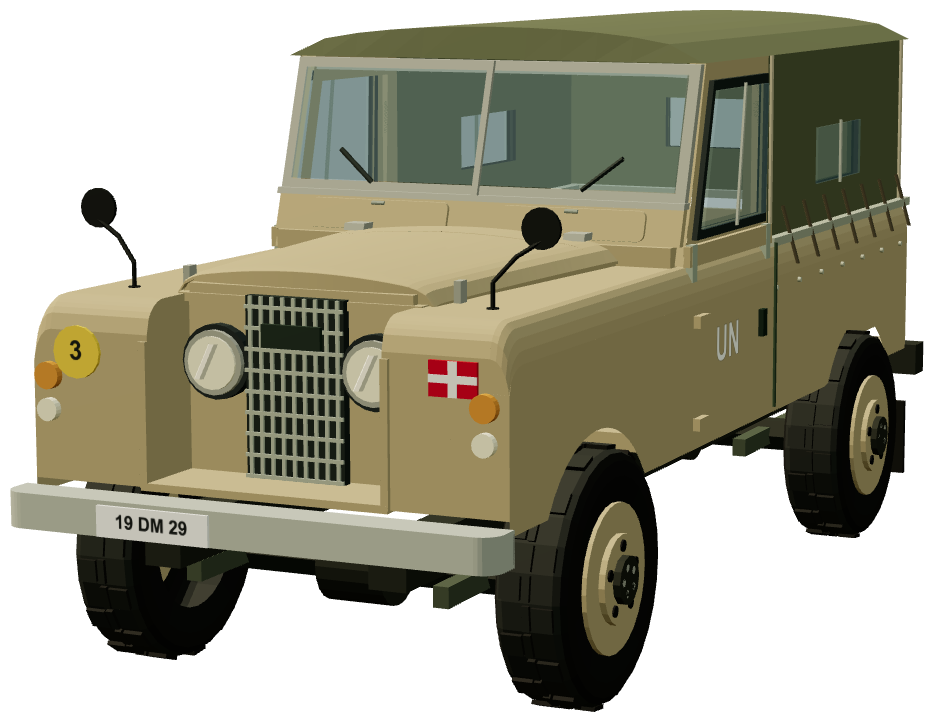 DANCON UNFICYP Series II 109 (Cyprus 1960s)1958–61 · United Kingdom
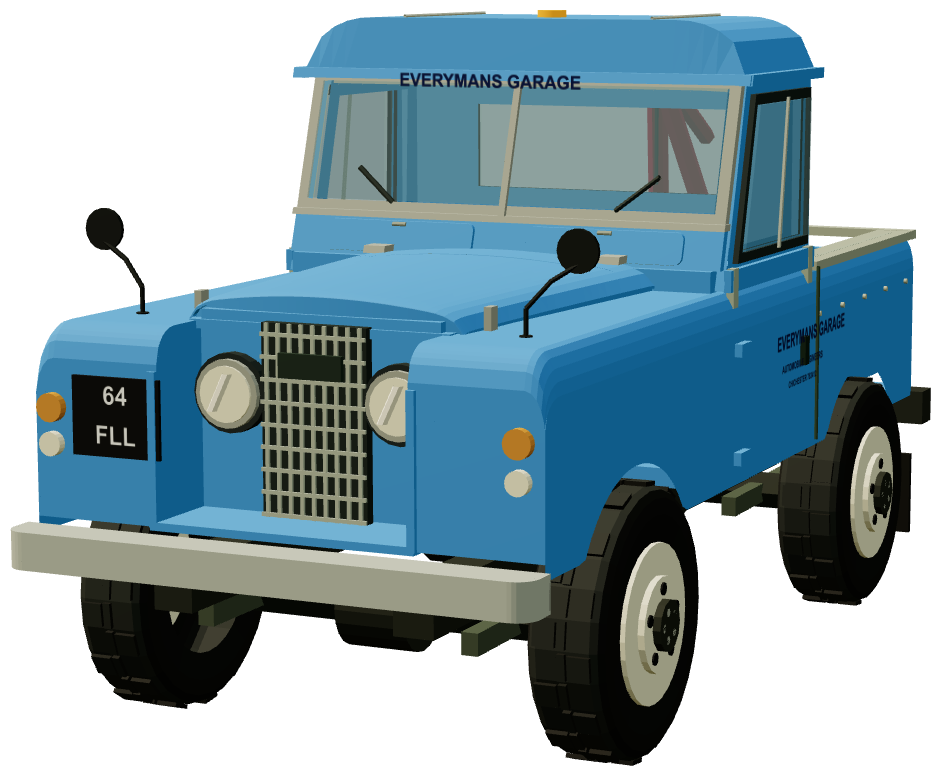 Everyman's Garage Goodwood Recovery Series II 881958–61 · United Kingdom
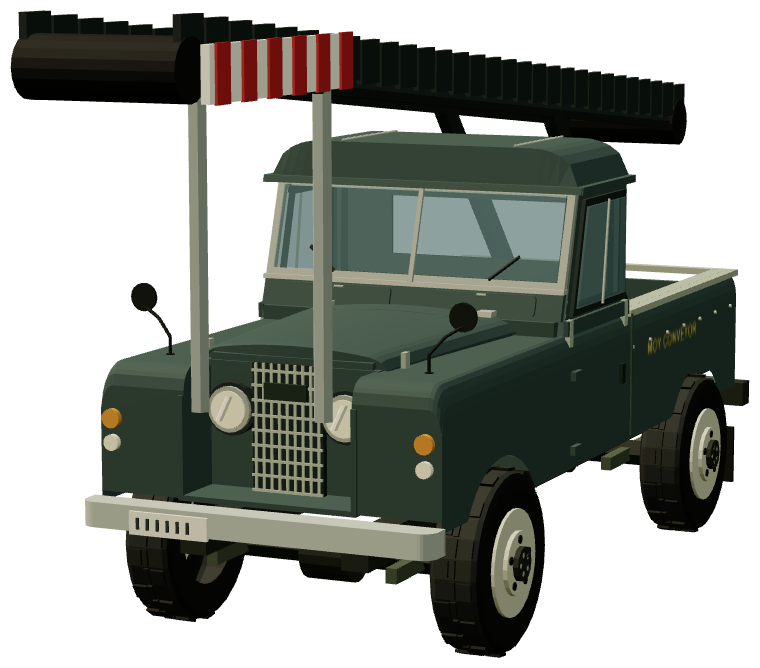 Moy 109 conveyor Land Rover1958 · United Kingdom
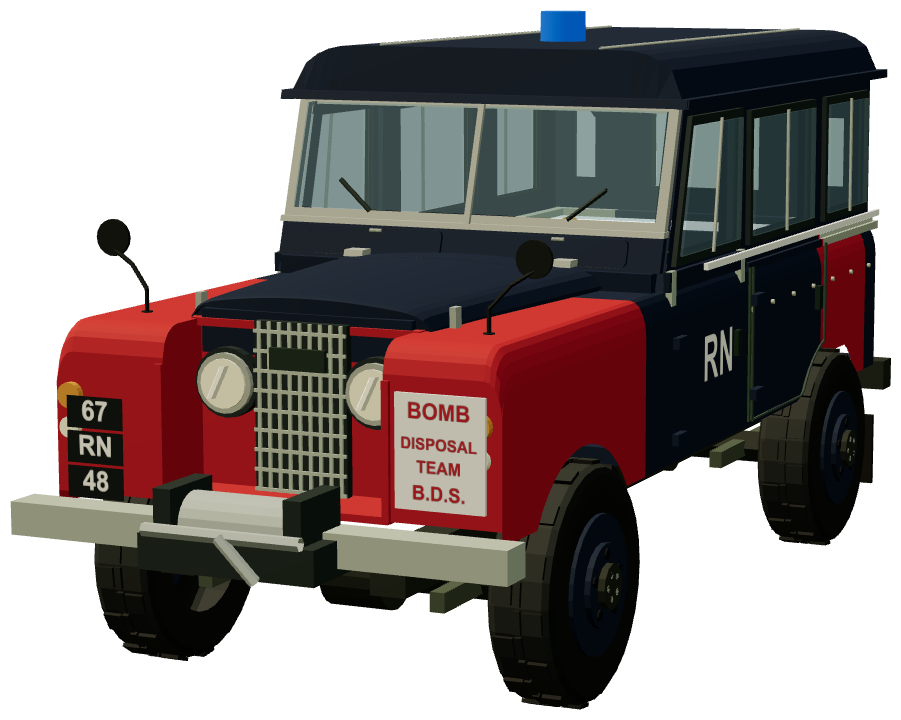 Royal Navy Bomb Disposal1958–61 · United Kingdom
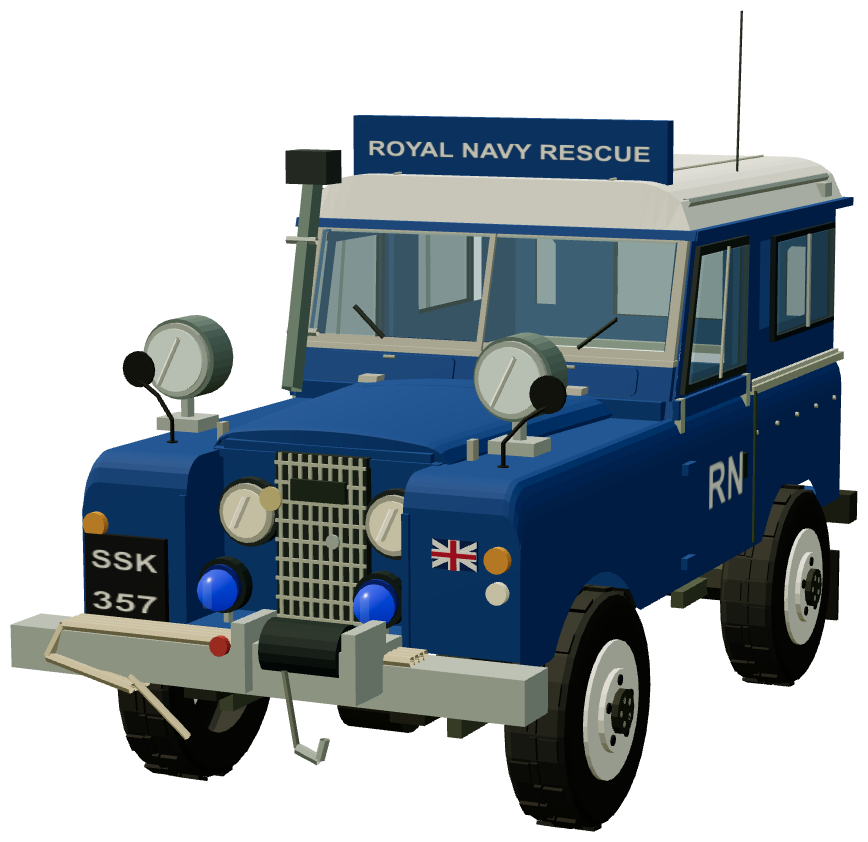 Royal Navy Rescue1958 · United Kingdom
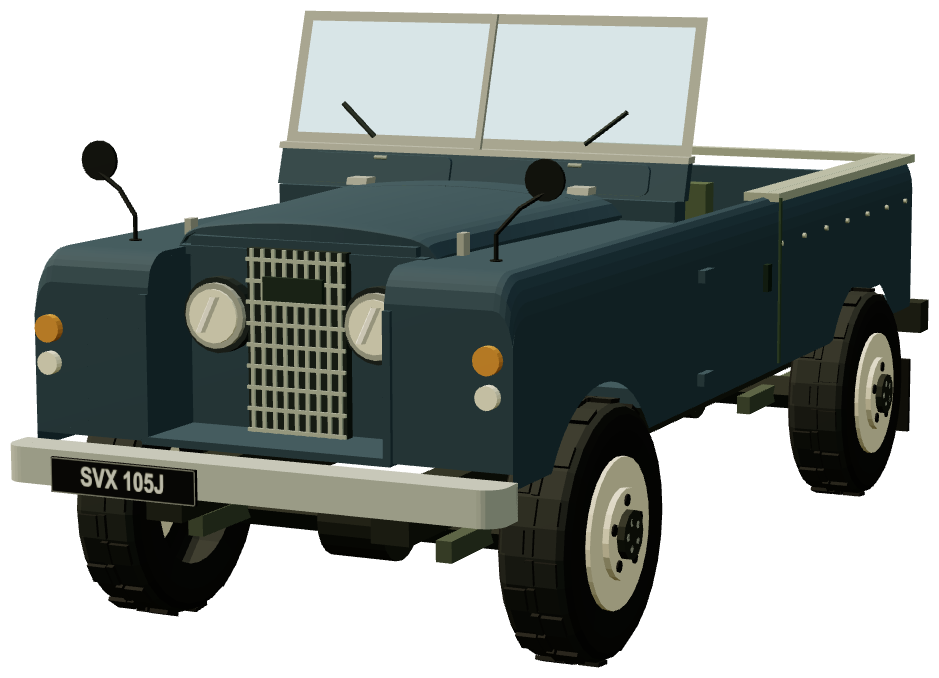 Series II 109″1958–61 · United Kingdom
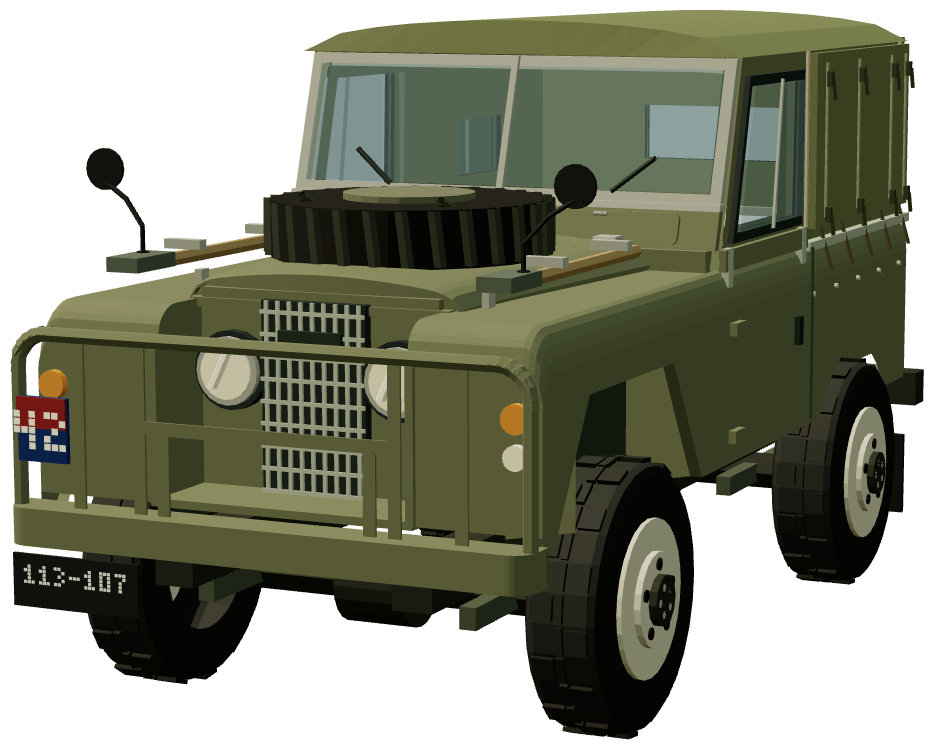 Series II 881958–64 · United Kingdom / Australia
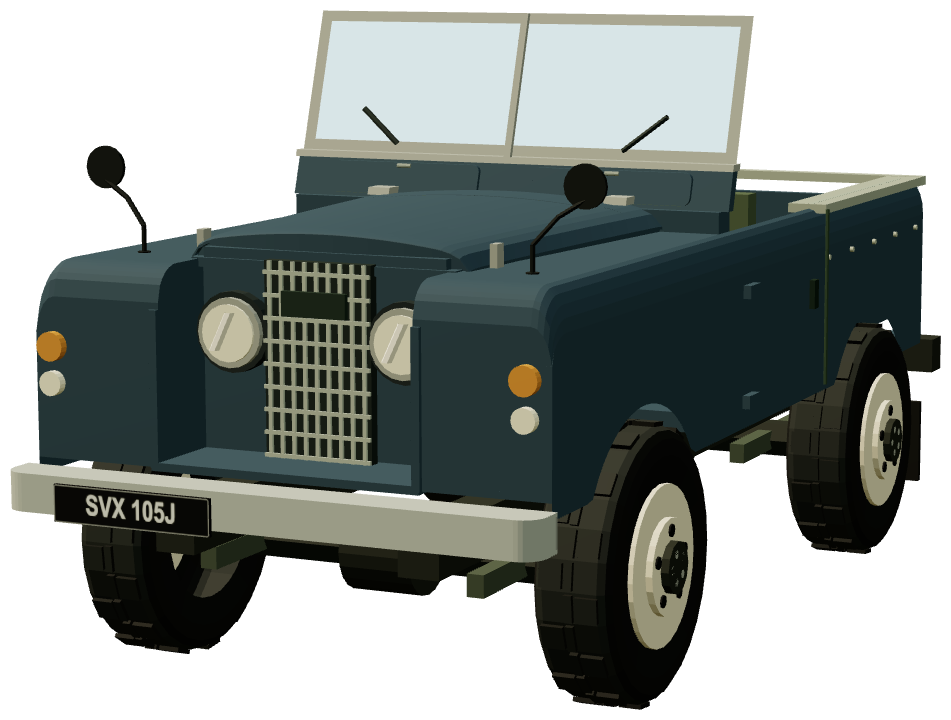 Series II 88″1958–61 · United Kingdom
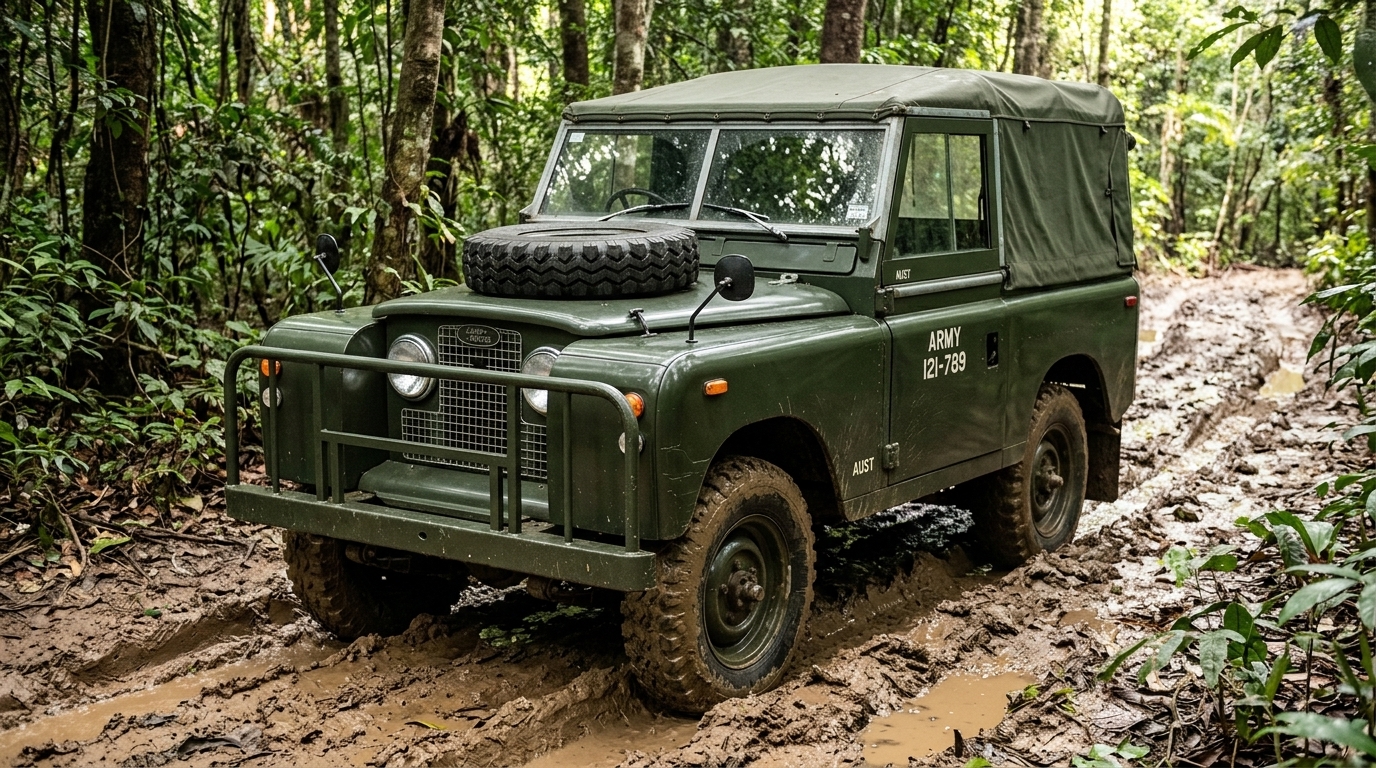 Series II Command Recon1958–59 · United Kingdom / Australia
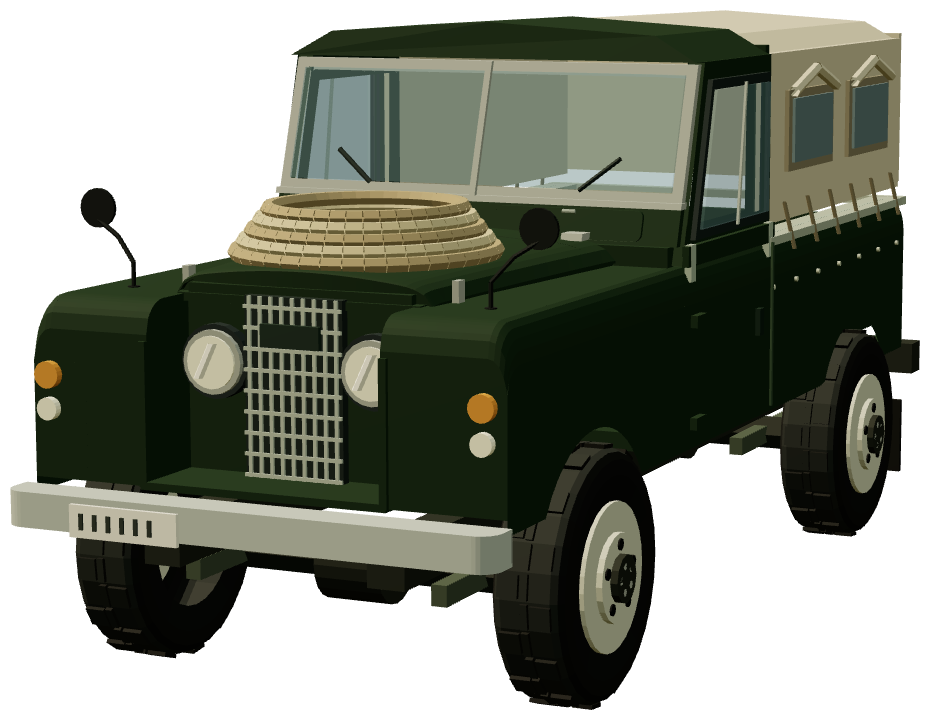 Daniel Craig & Rachel Weisz1959 · United Kingdom
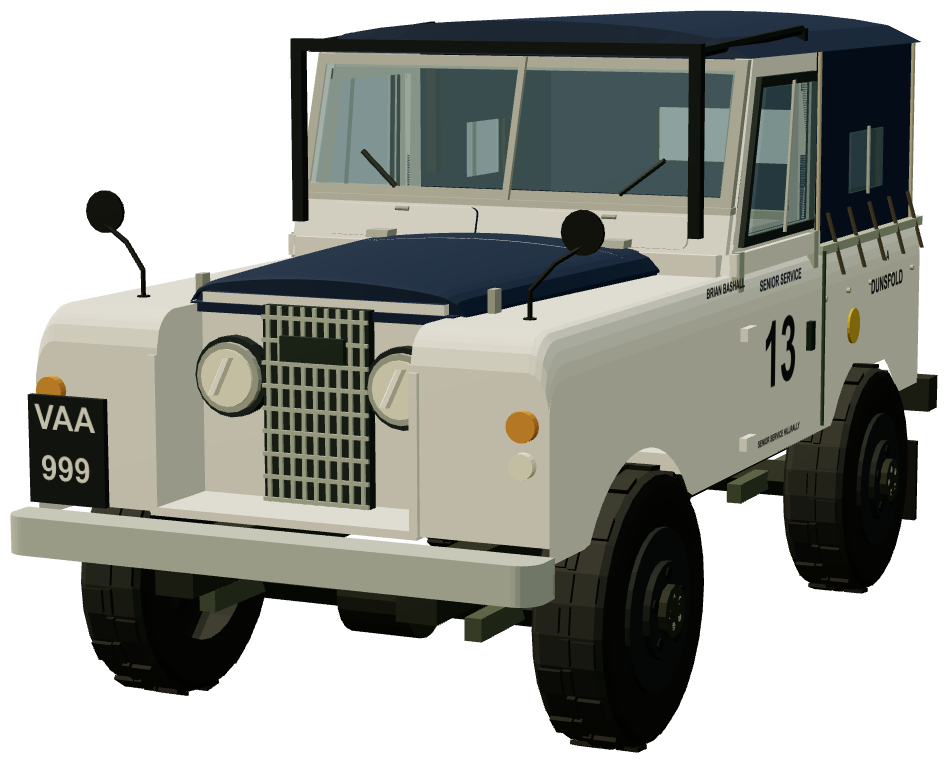 Dunsfold Hillrally Series II1959 · United Kingdom
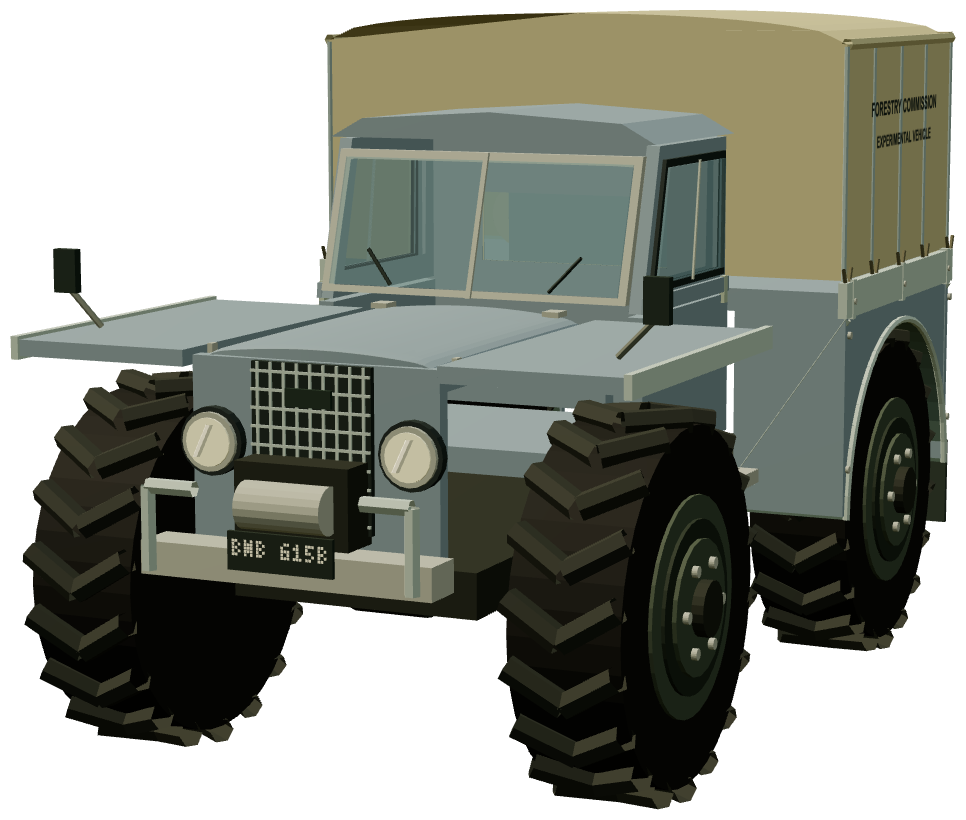 Forestry Commission Roadless Fire Tender1959 · United Kingdom
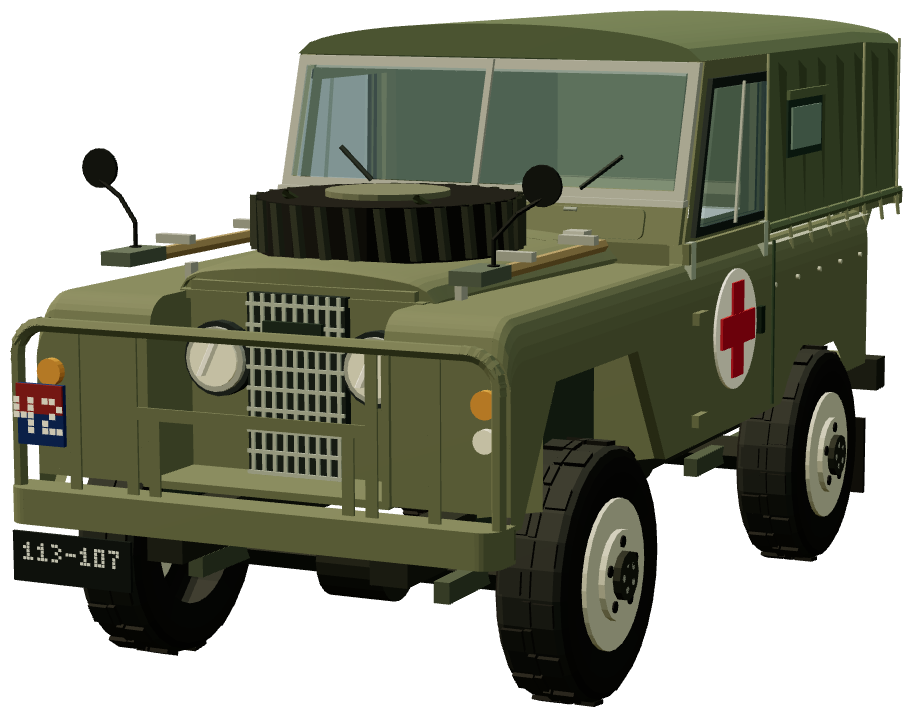 Forward Area Ambulance1959–64 · United Kingdom / Australia
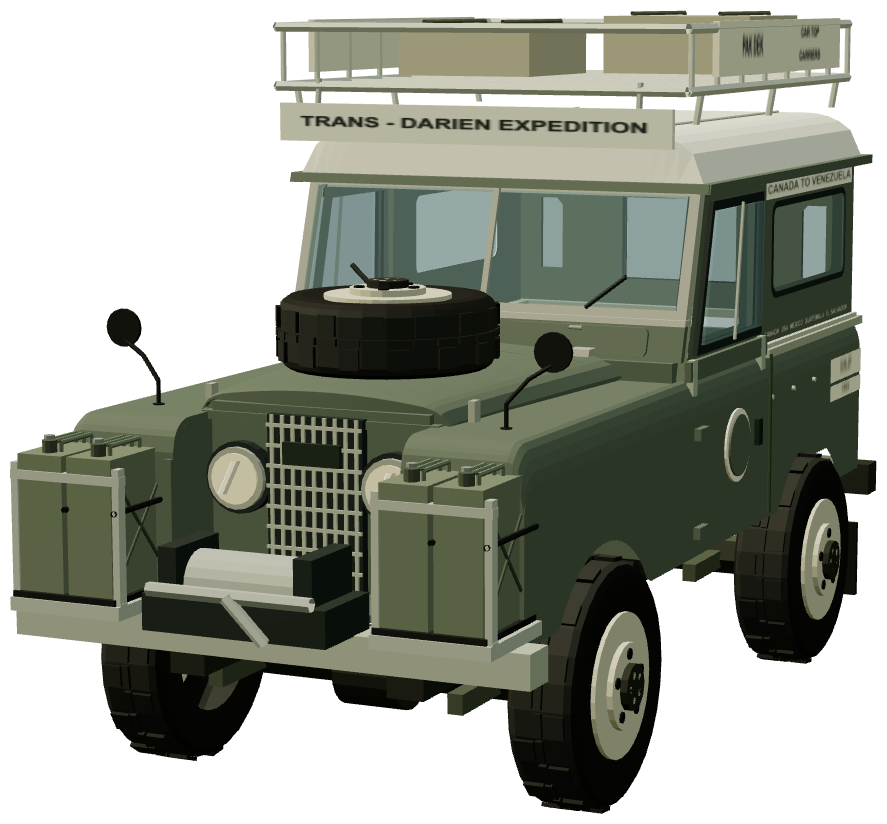 La Cucaracha Cariñosa1959
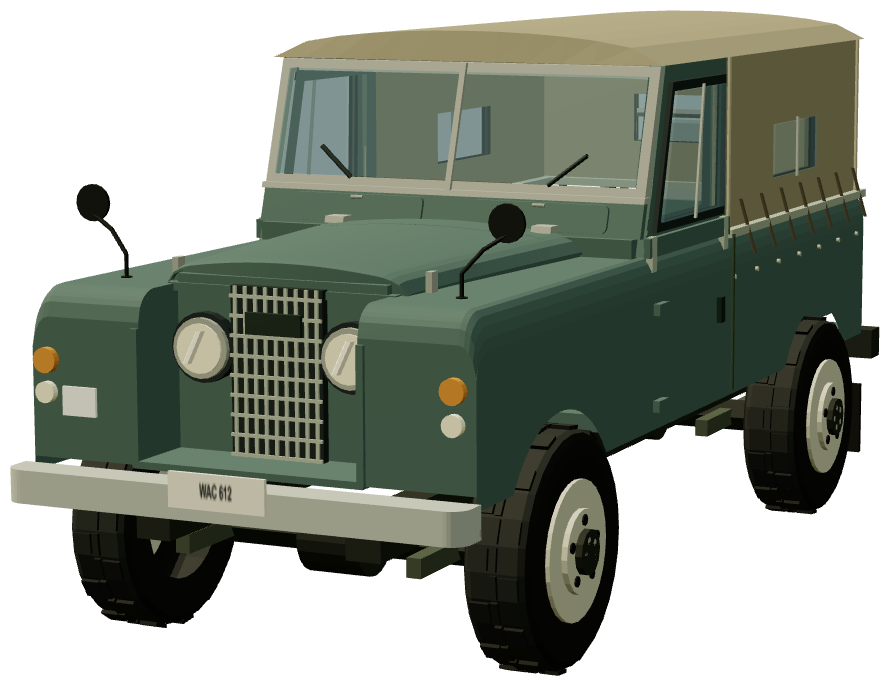 Lincoln L.R. 150 Welding Land Rover1959–60 · United Kingdom
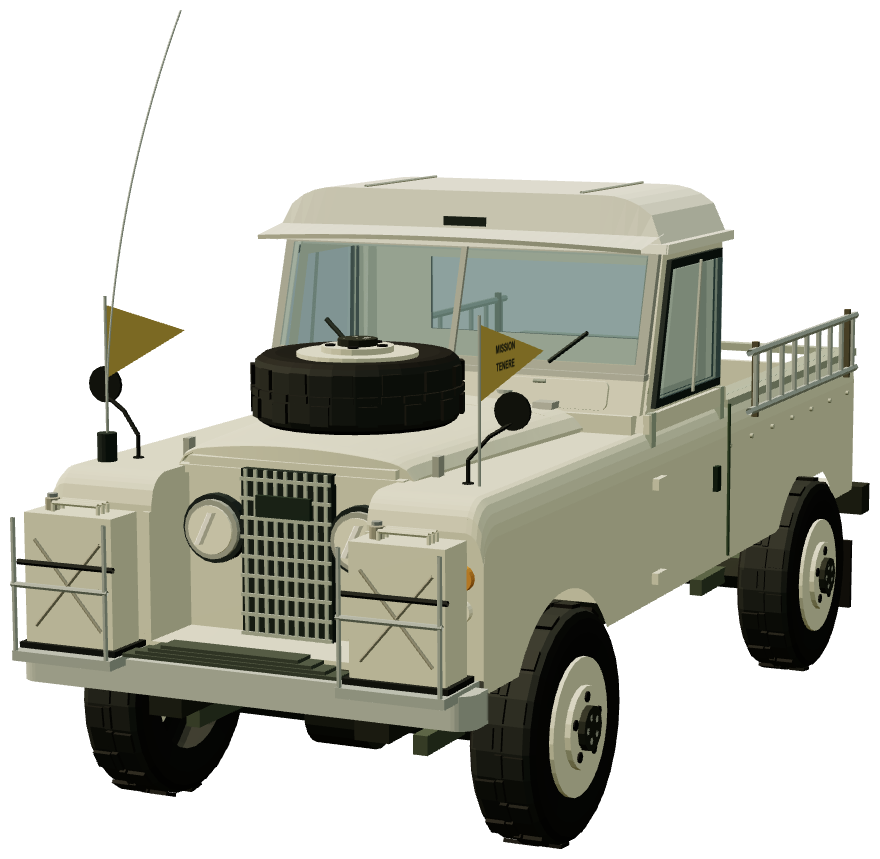 Mission Berliet-Ténéré — Series II 1091959 · United Kingdom / Algeria
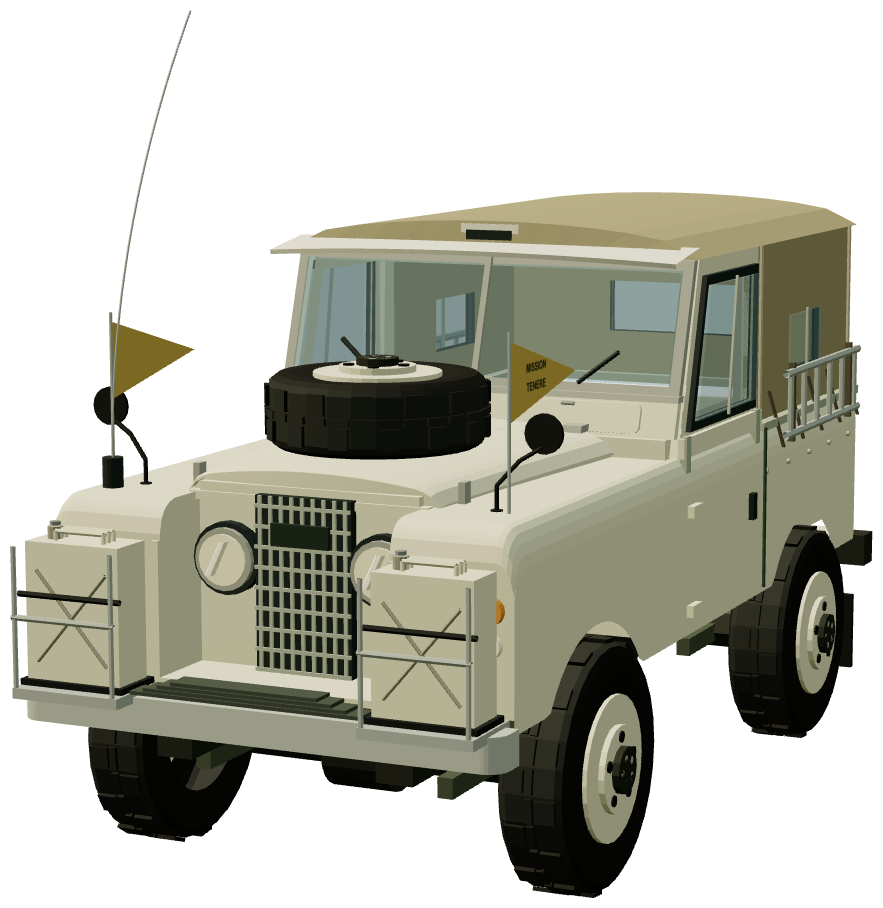 Mission Berliet-Ténéré — Series II 881959 · United Kingdom / Algeria
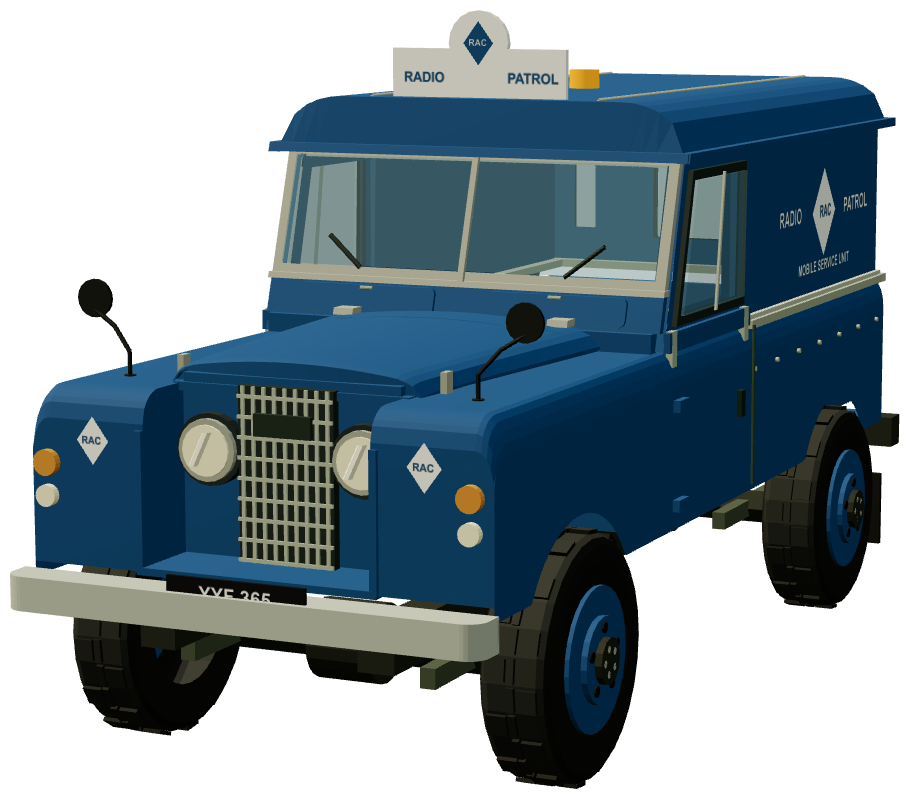 RAC Radio Patrol Series II 109 Hard Top1959–60 · United Kingdom
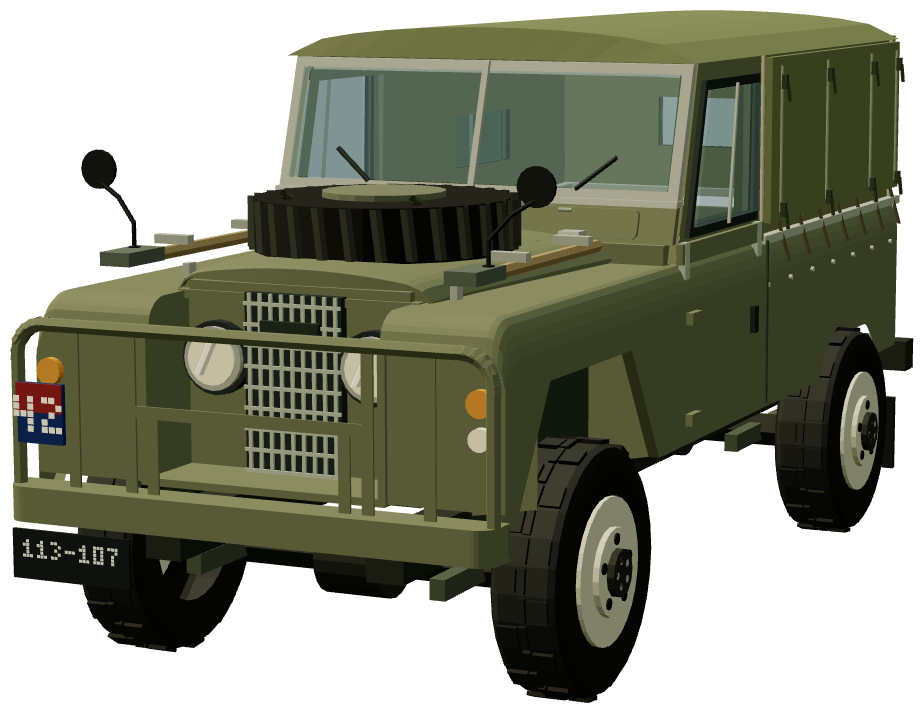 Series II 1091959–72 · United Kingdom / Australia
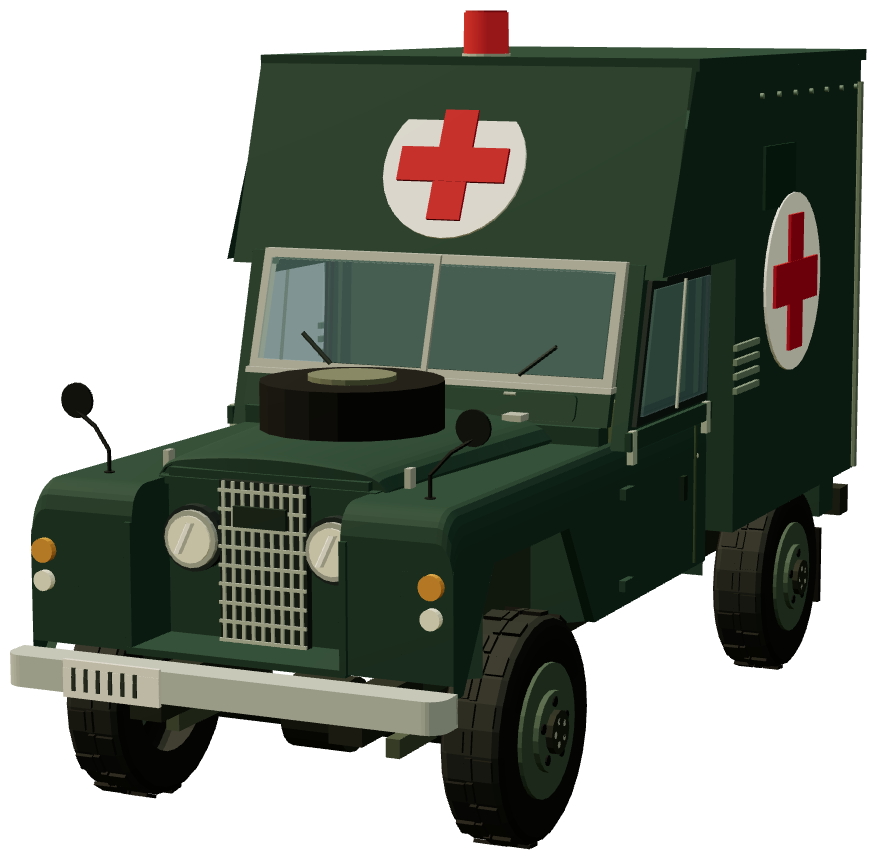 Series II Ambulance1959–67 · Australia
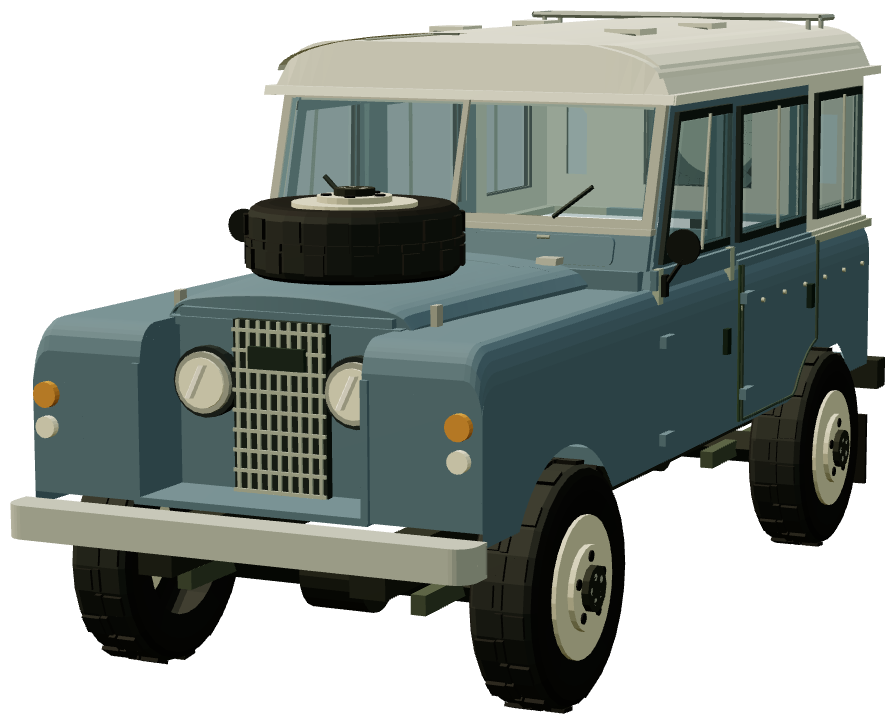 Mission Berliet-Tchad — Series II 109 Station Wagon1960 · United Kingdom
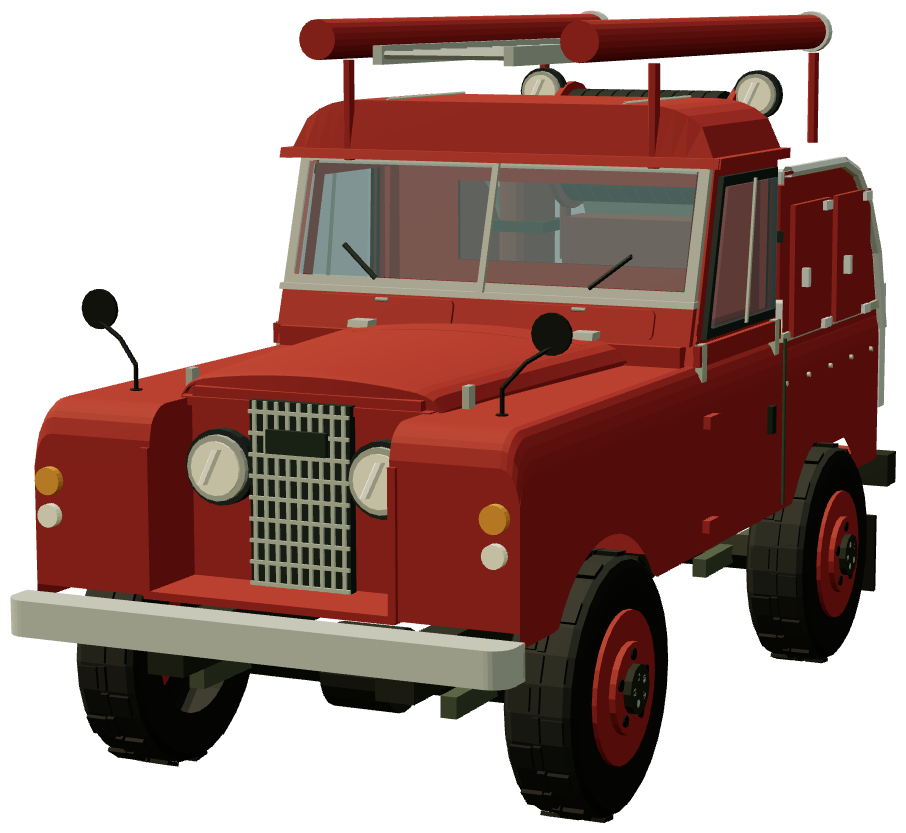 Snowy Mountains Hydro Fire Truck1960 · United Kingdom
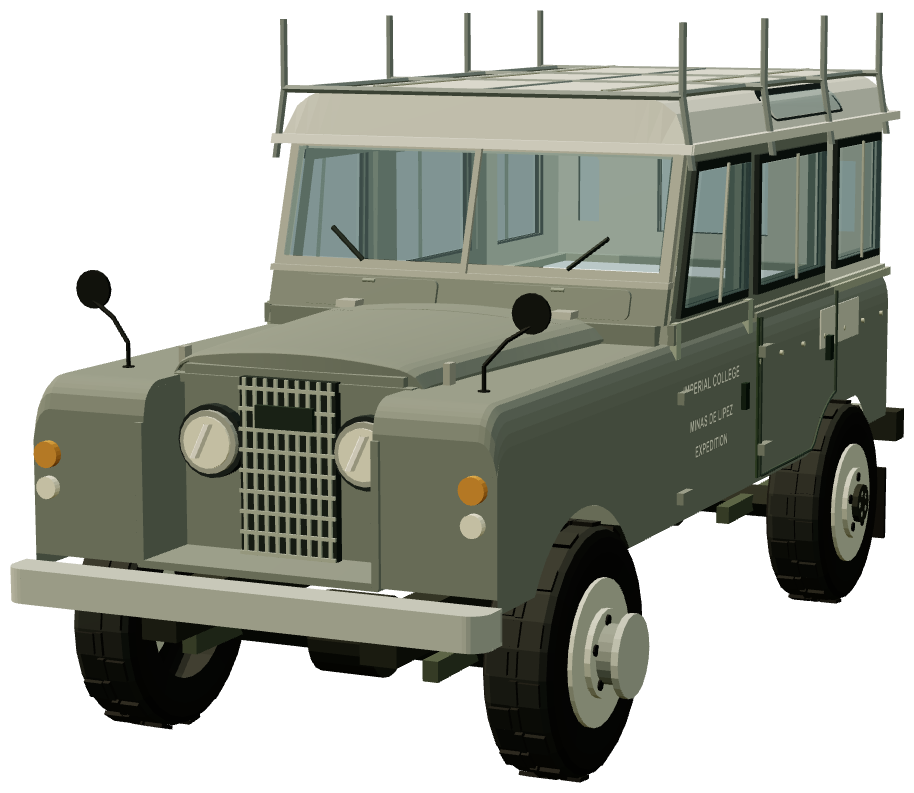 Imperial College Minas de Lípez — Series II 1091961 · United Kingdom
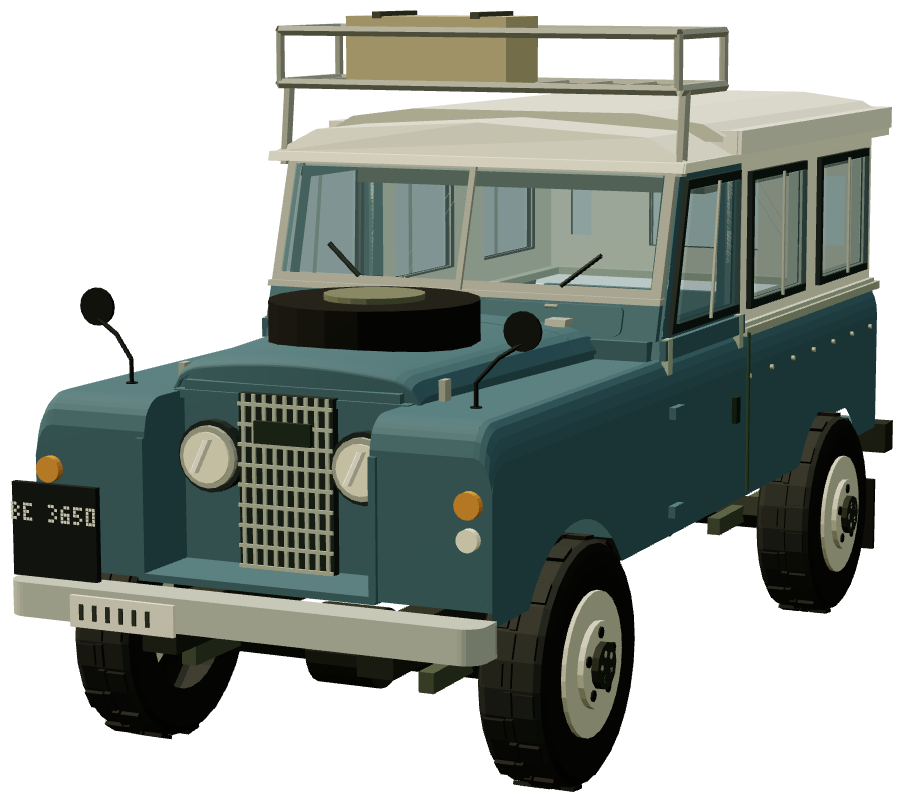 Series II 109 Dormobile1961–75 · United Kingdom
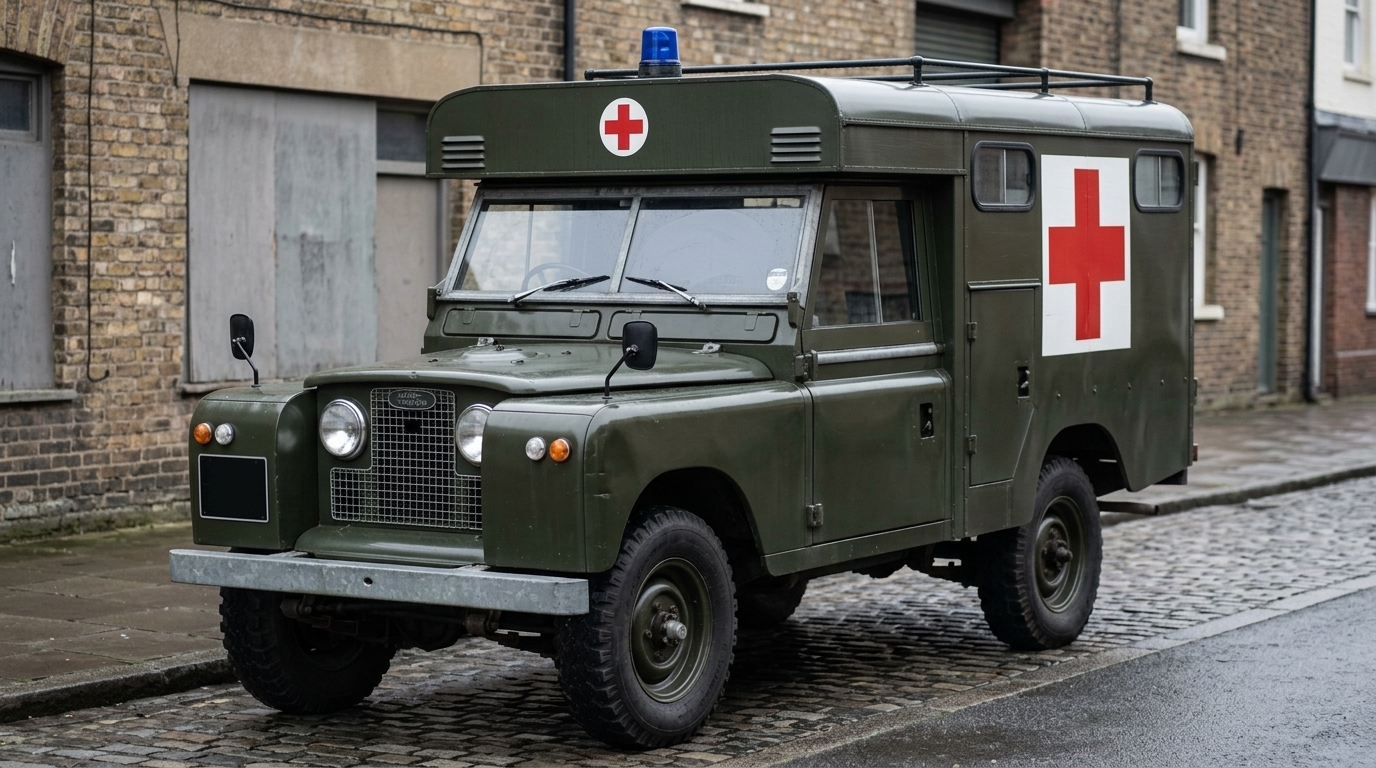 UK Marshal Body Ambulance1961–82 · United Kingdom
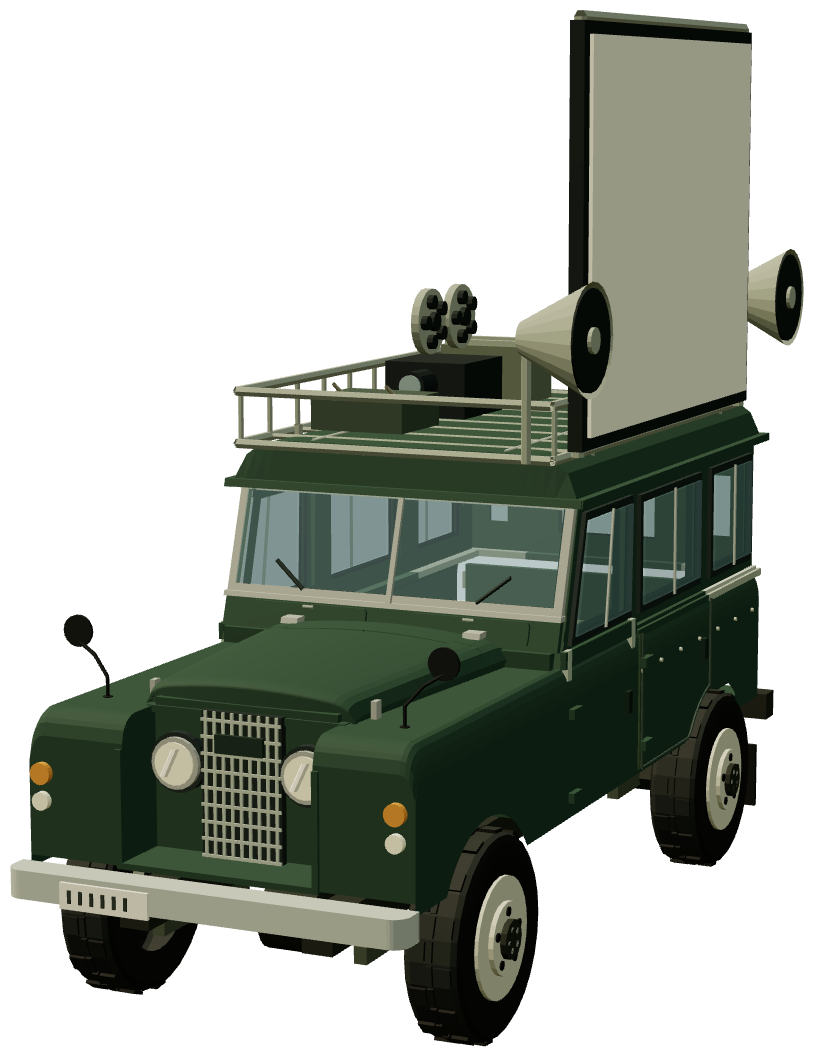 Cintec Cineroma Series II 109″1962 · United Kingdom
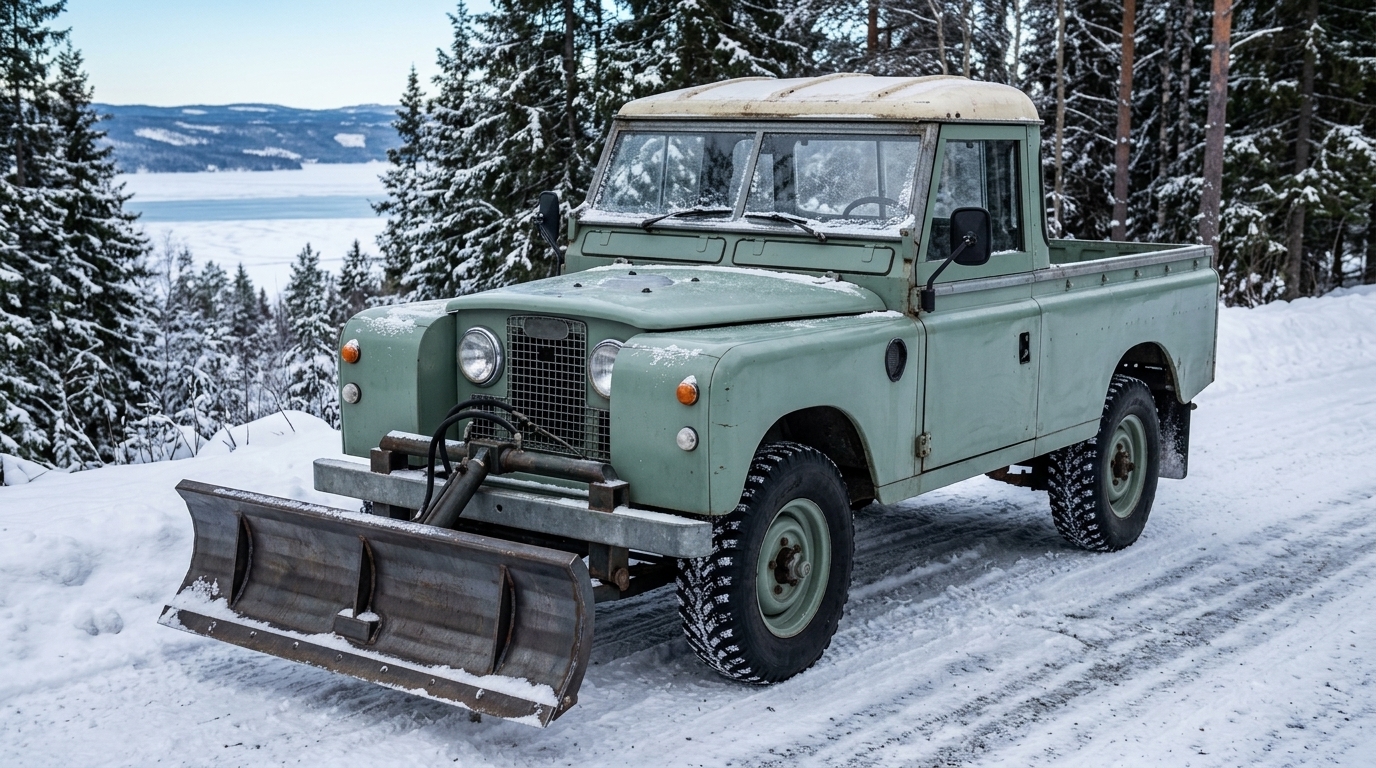
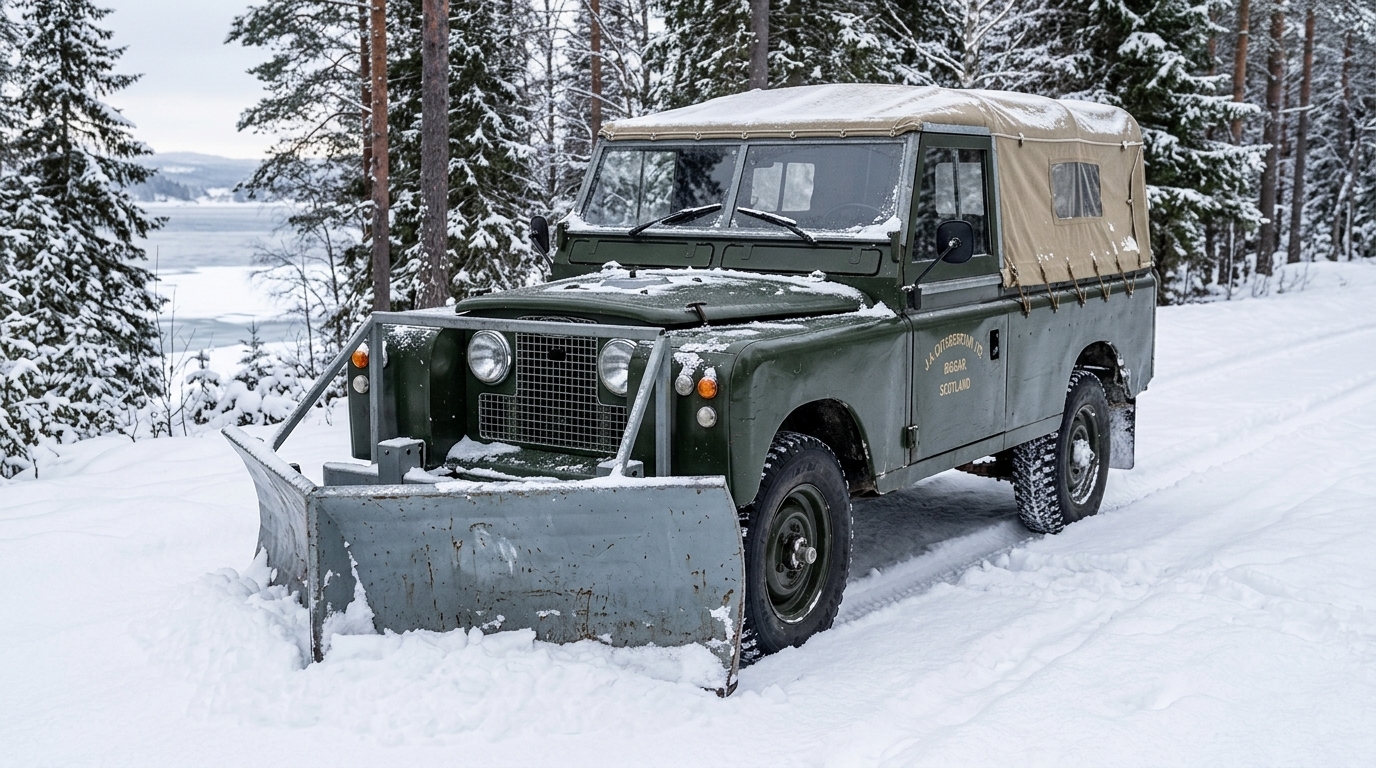 Cuthbertson Snowplough1962 · United Kingdom
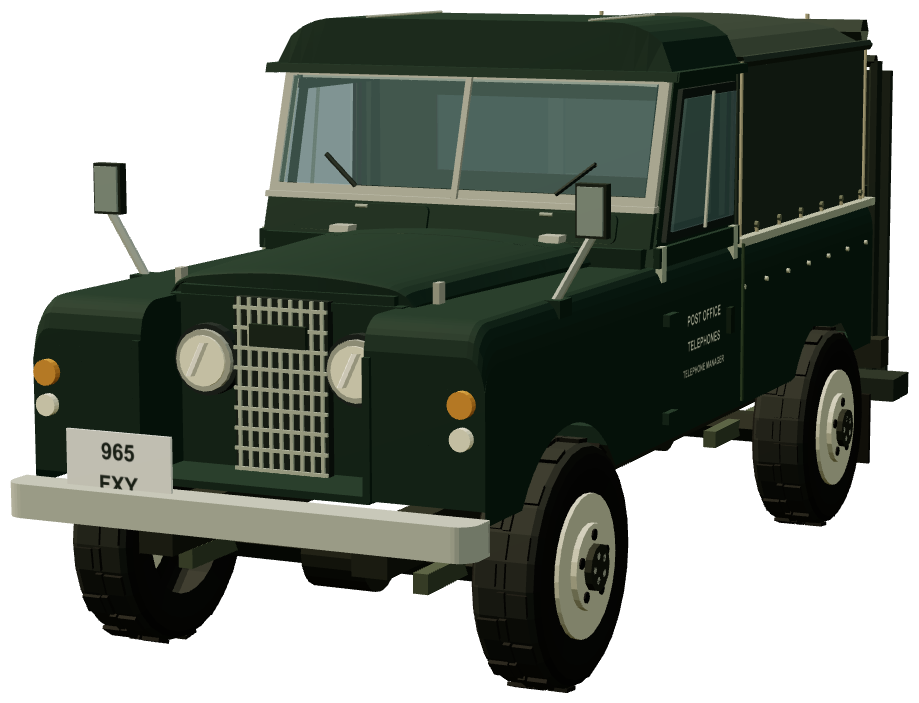 GPO USi Burtonwood Tail-Lift Pickup1963 · United Kingdom
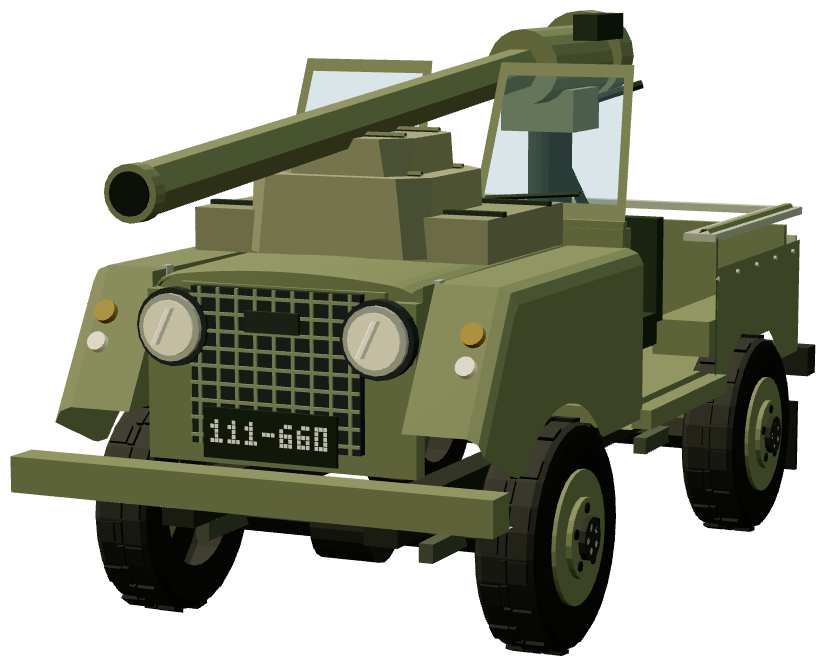 Series II Gun Buggy1963–64 · Australia / United Kingdom
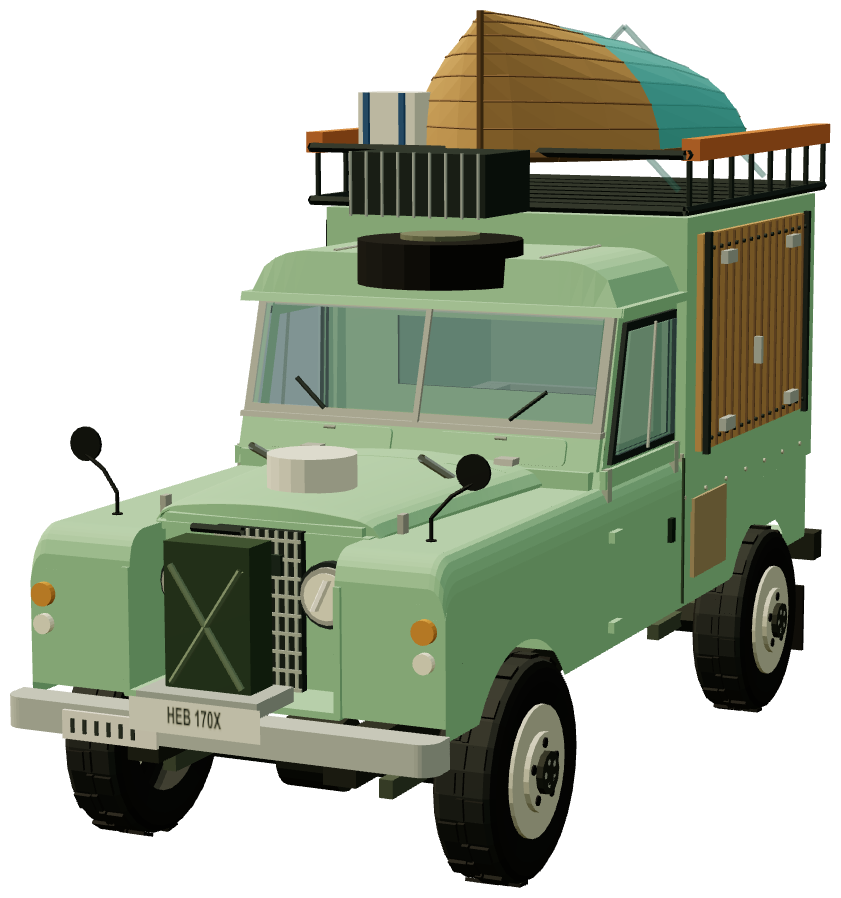 Cook on the Wild Side gastro-wagon1965 · United Kingdom
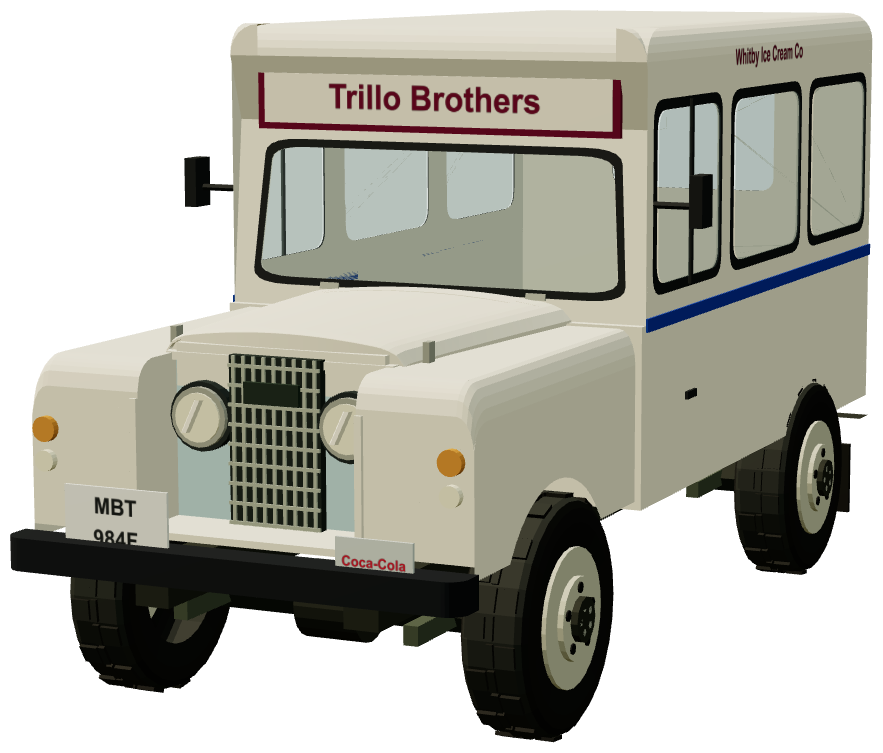 Trillo's of Whitby Ice Cream Van1968 · United Kingdom
 Shop Truck2024 · United Kingdom