The expedition
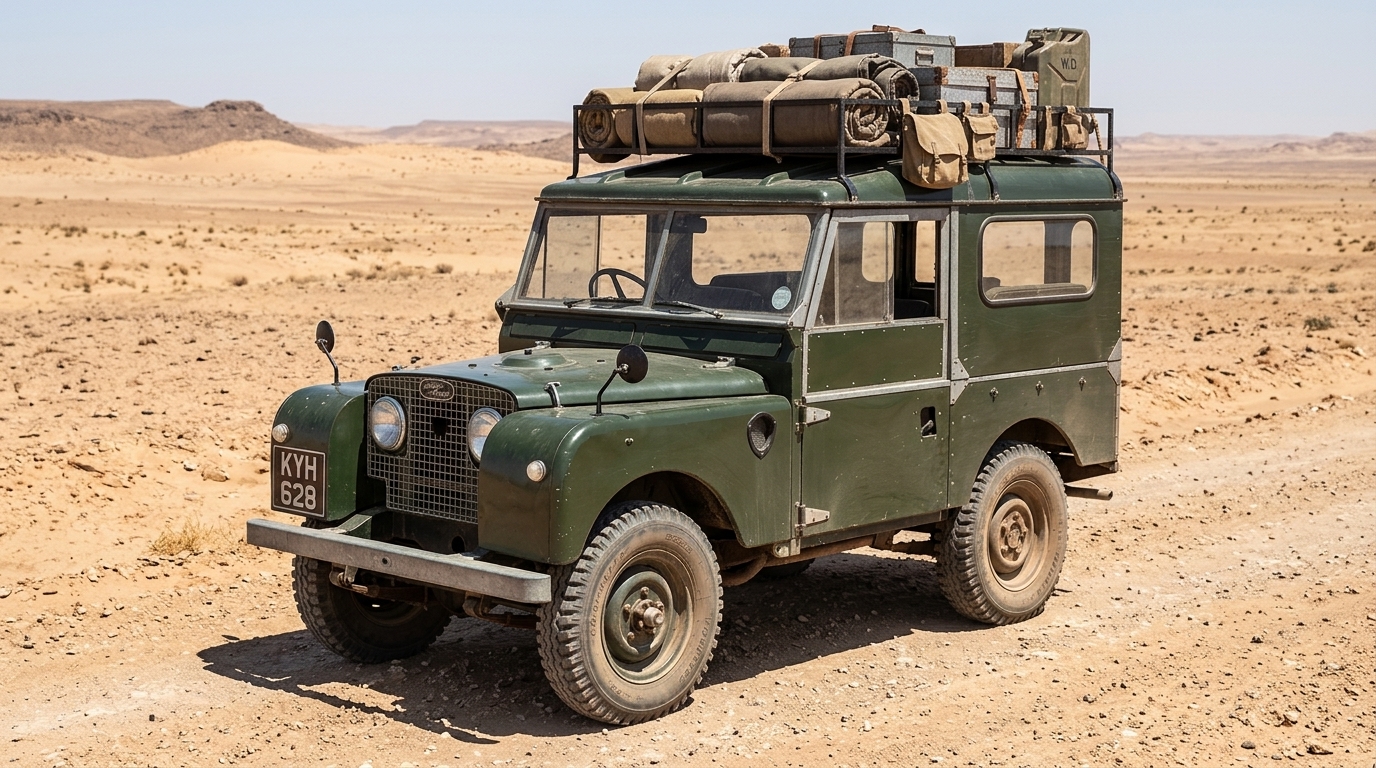
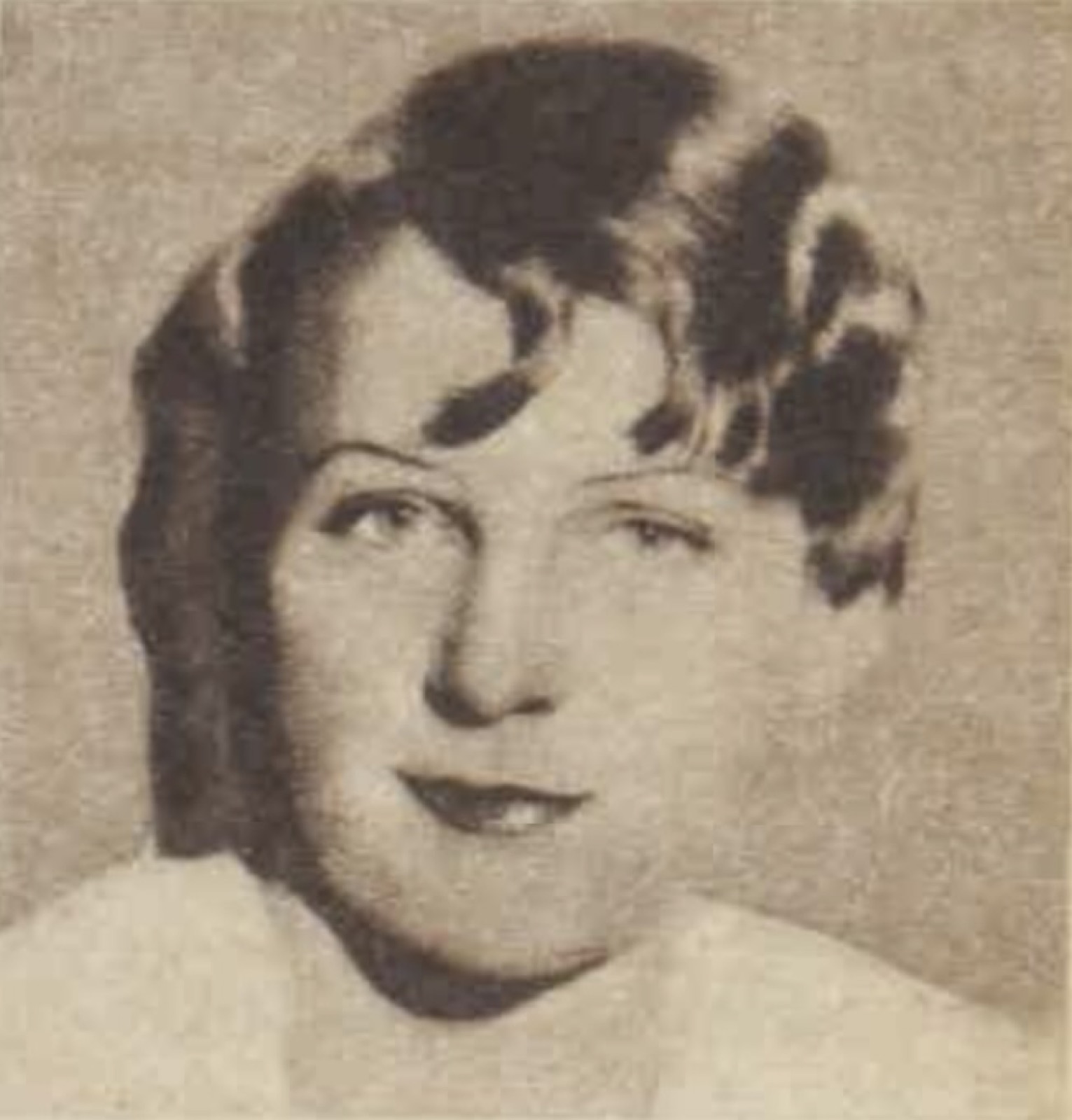
By 1959 Barbara Toy had made four solo journeys in Pollyanna, her 1950 Series I 80-inch — Tangier to Baghdad, Libya, Saudi Arabia and round the world — and had written a book about each. After nearly a decade and some 210,000 miles, the Rover Company, which sponsored her, decided that its best-known woman traveller could not go on representing the marque in a battered 1950 car and pressed her to exchange Pollyanna for a new long-wheelbase Series II. The prologue of In Search of Sheba describes the exchange: she drives the new car out of the factory gates at Solihull in the snow, noting the extra power and the two windscreen wipers, and cannot see for tears. Pollyanna went to a technical college in Chesterfield; Toy bought her back thirty years later.
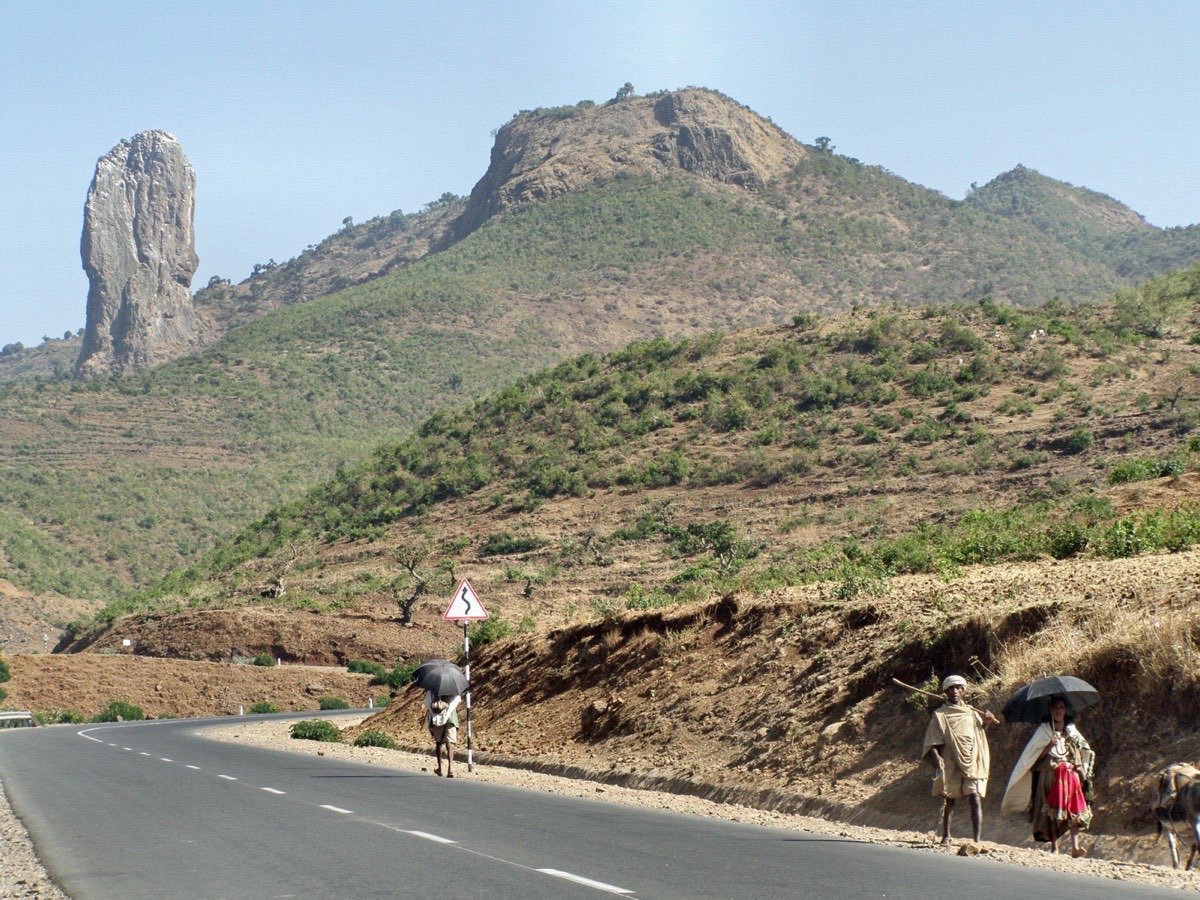
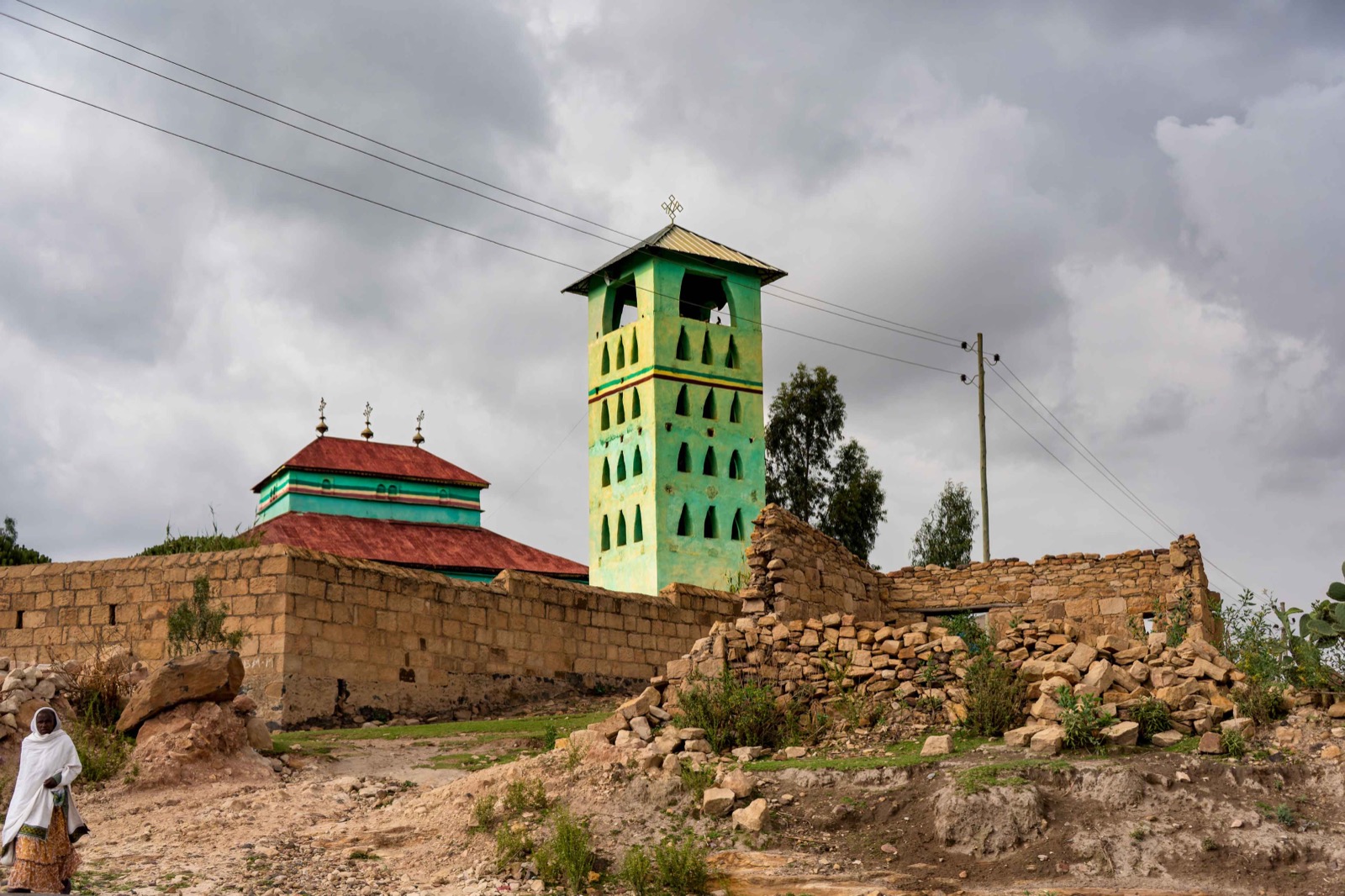
The fifth journey, which she said was when she became a real explorer, began in Libya, where her second journey had been in 1952. From there she crossed the Sahara southwards to the Central African Republic, went on south to the Congo, then east to Lake Victoria in what was then Tanganyika, and turned north to follow the Nile to Khartoum. From Sudan she went east into Ethiopia and took a wandering course through the empire of Haile Selassie: to Addis Ababa, north to the ruins and stelae of Aksum, and through country described as bandit-ridden to Mount Wehni, the amba near Gondar on which the male heirs to the Ethiopian throne had been interned, usually for life. She claimed to be the first Westerner to set foot on its summit, which she reached by helicopter. The thread of the journey was the legend of the Queen of Sheba, whom Ethiopian tradition places at Aksum. She finally crossed into Kenya at Moyale, the border post.
John Murray published In Search of Sheba: Across the Sahara to Ethiopia in London in 1961, the fifth of her travel books. The Times later called her round-the-world drive her boldest feat, but the Sheba journey was the longest of her African crossings, taking in the Sahara, the equatorial forests of the Congo and the Ethiopian highlands in one trip. The book was reissued by John Murray in 2023 in its John Murray Journeys series, which is how it came to be read by the Anglo-Ethiopian Society's book club that December. Her next journey, in 1961, was in a different car again — a Series IIA 109 Dormobile — from Timbuktu to Tripoli, for The Way of the Chariots.
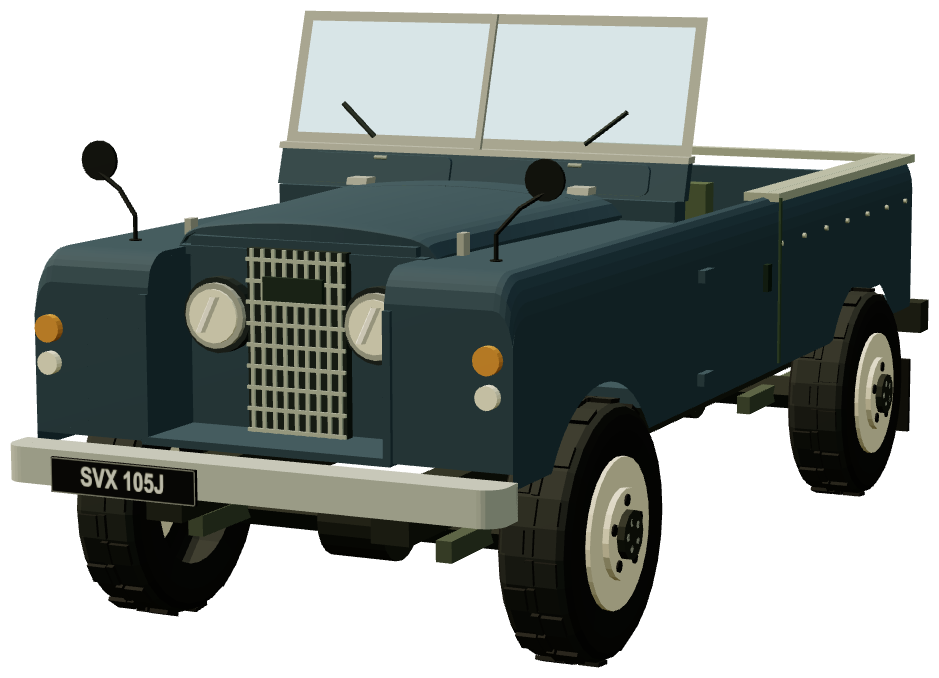
The Series II of the Sheba journey is not known to survive and its registration is not given in the sources fetched; Pollyanna, the car she was made to give up for it, survives and is modelled in this registry.