The expedition
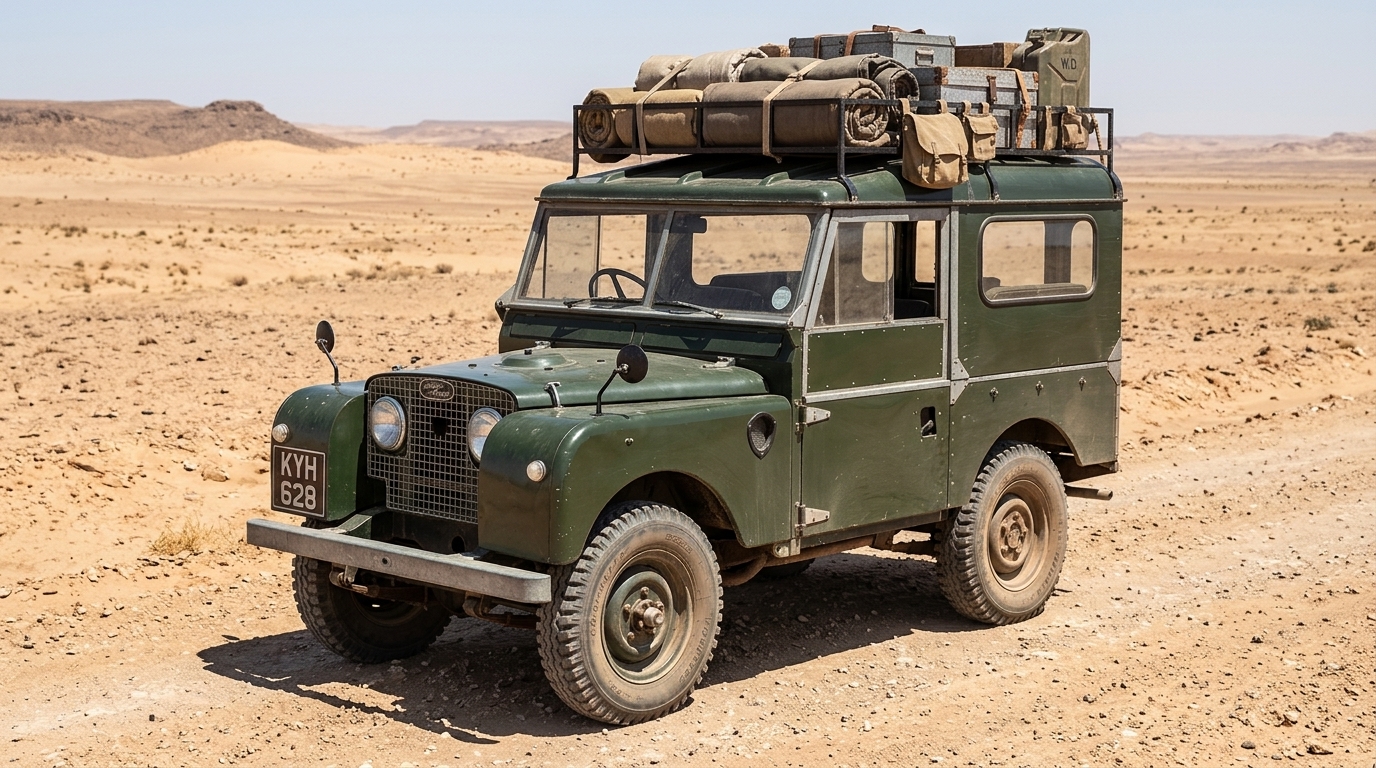
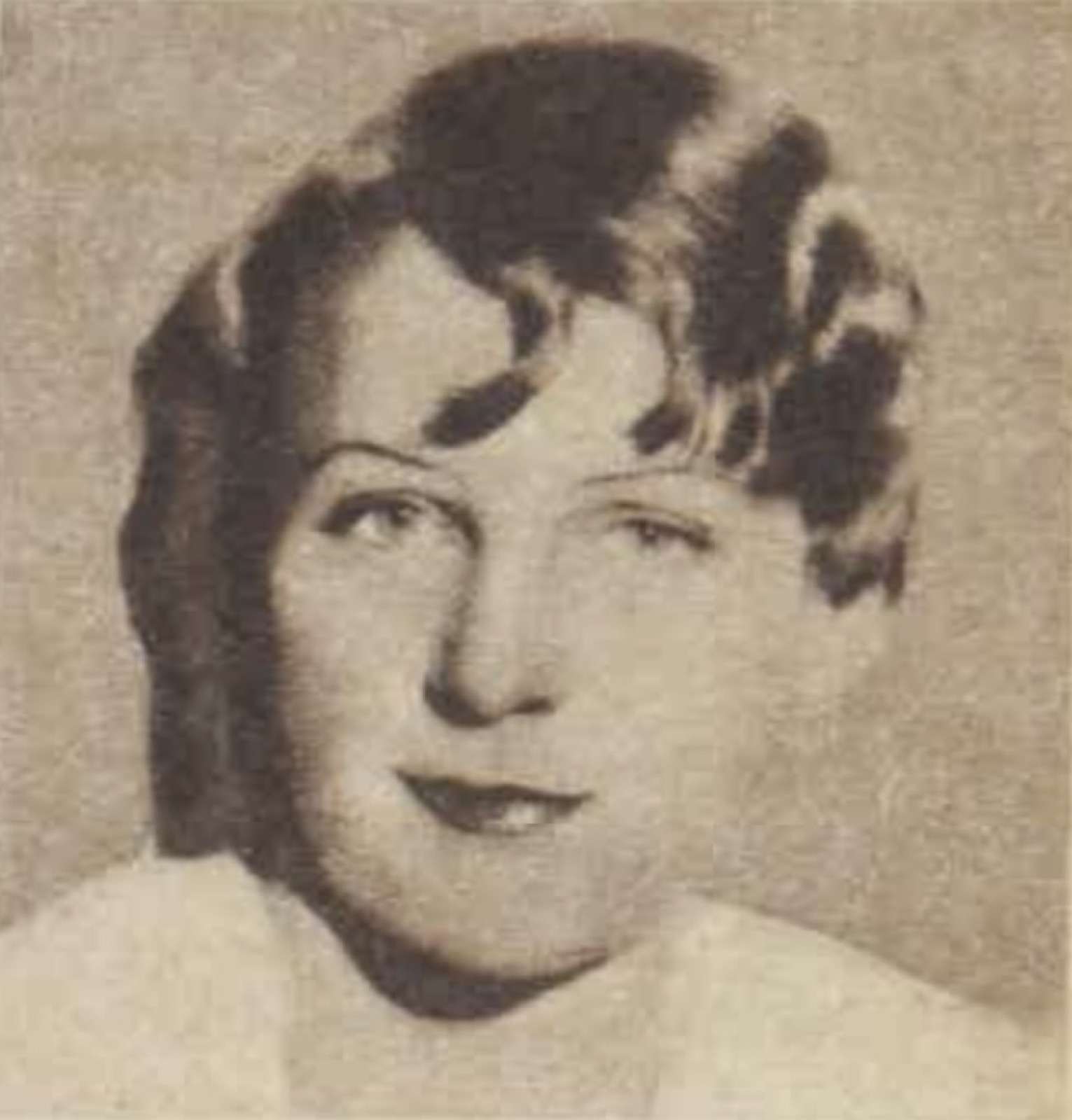
After Tangier to Baghdad in 1950–51 and six months in Libya in 1952, Barbara Toy turned to Arabia. Saudi Arabia was all but closed to Western travellers, let alone a woman travelling alone, so she wrote to King Abdulaziz ibn Saud asking permission to visit. It was granted. She and Pollyanna — the 1950 80-inch Land Rover, by now rebodied as a station wagon with its roof painted white against the sun — began in Kuwait at the north-eastern corner of the peninsula and crossed the kingdom diagonally to the south-west, finishing at the Red Sea port of Jeddah; John Hess's summary of the book has the route passing by Mecca on the way. She became one of the first Western women to explore Saudi Arabia, was received by the King and was taken into his harem, whose women she later described to an Australian interviewer as young, beautiful and seemingly very happy together, in billowing organdie skirts and sequined breastplates, their hair hidden under black scarves ending in a train. The King gave her a man's gold wristwatch bearing his standard of crossed scimitars, which she wore for the rest of her life, and two gold-threaded Arabian robes she never found an occasion grand enough to wear.
The journey did not end at Jeddah. On her way back towards London she found that bandits had cut the road routes and she was stuck in southern Arabia. 'It was the happiest time of my life,' she said in 1963. She got to the Hadhramaut, the wadi oasis of the Aden Protectorate, and rented a thirty-room house with an indoor pool the servant filled each day and a date palm, for £1 a week, and stayed for months writing and learning Arabic and French; the only other Europeans within hundreds of miles were the British District Commissioner and a German woman doctor. The Arabian material became A Fool Strikes Oil: Across Saudi Arabia, published by John Murray in 1957, her third book; she returned to the peninsula in the 1960s for The Highway of the Three Kings, a longer drive from Aden to Beirut, and a posthumous book on the incense route.
The date of the journey is given as 1953 by Wikipedia and by the book's own chronology; a 1957 Australian Women's Weekly profile placed the Saudi visit in 1955 and named the King as Saud, Abdulaziz's successor, while Toy herself in 1963 named King Abdul Aziz, who died in November 1953. The registry follows the 1953 dating. Pollyanna went on to the round-the-world drive of 1956–57 and survives.