The expedition
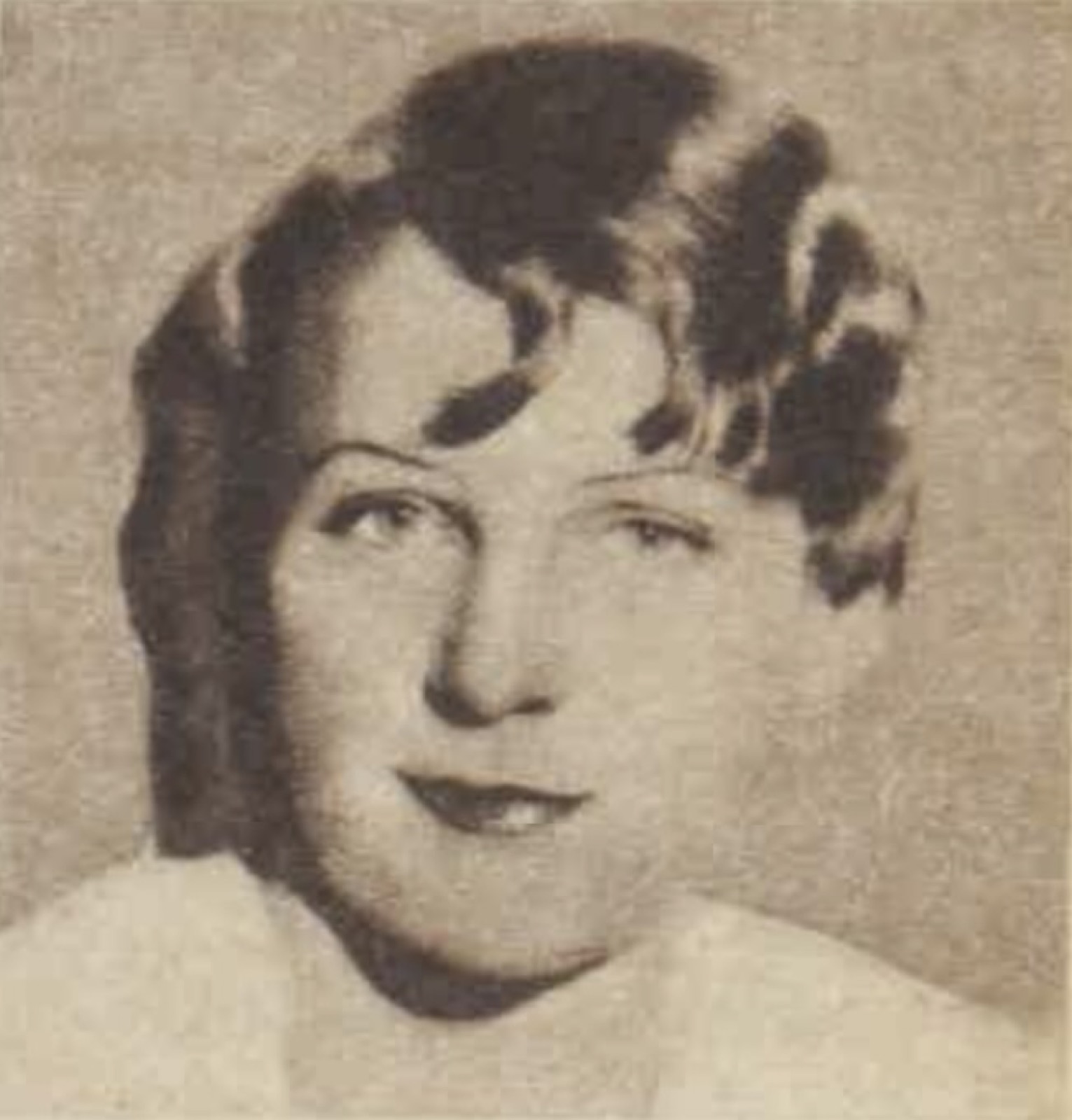
Barbara Toy was born in Sydney in 1908, the daughter of the newspaper editor Bert Toy, and moved to London in 1935 after her marriage to the American Ewing Rixson broke up. She worked as stage director at the Richmond Theatre until the bombs closed it, at Welwyn Film Studios, and as a playwright — Lifeline (1943), The Monkey's Paw screenplay (1948) and, with Moie Charles, the stage version of Agatha Christie's Murder at the Vicarage (1949) — and by 1950 was managing the Worthing Repertory Company. She had always wanted to see Baghdad. Arguing in a London pub that anyone could do anything they really wanted, she heard herself say she was off to Baghdad in a week or two, and the friends bet her she could not, given the currency and travel restrictions of the time.
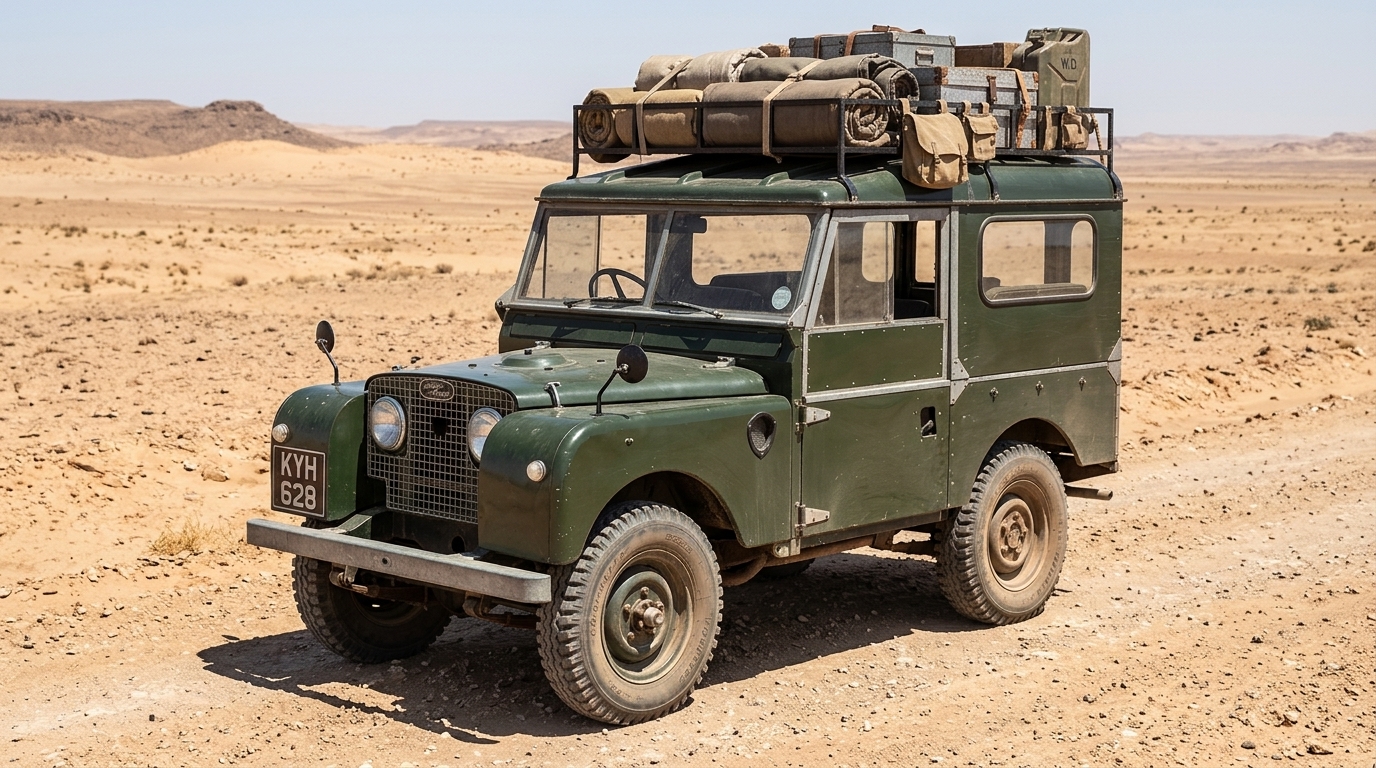
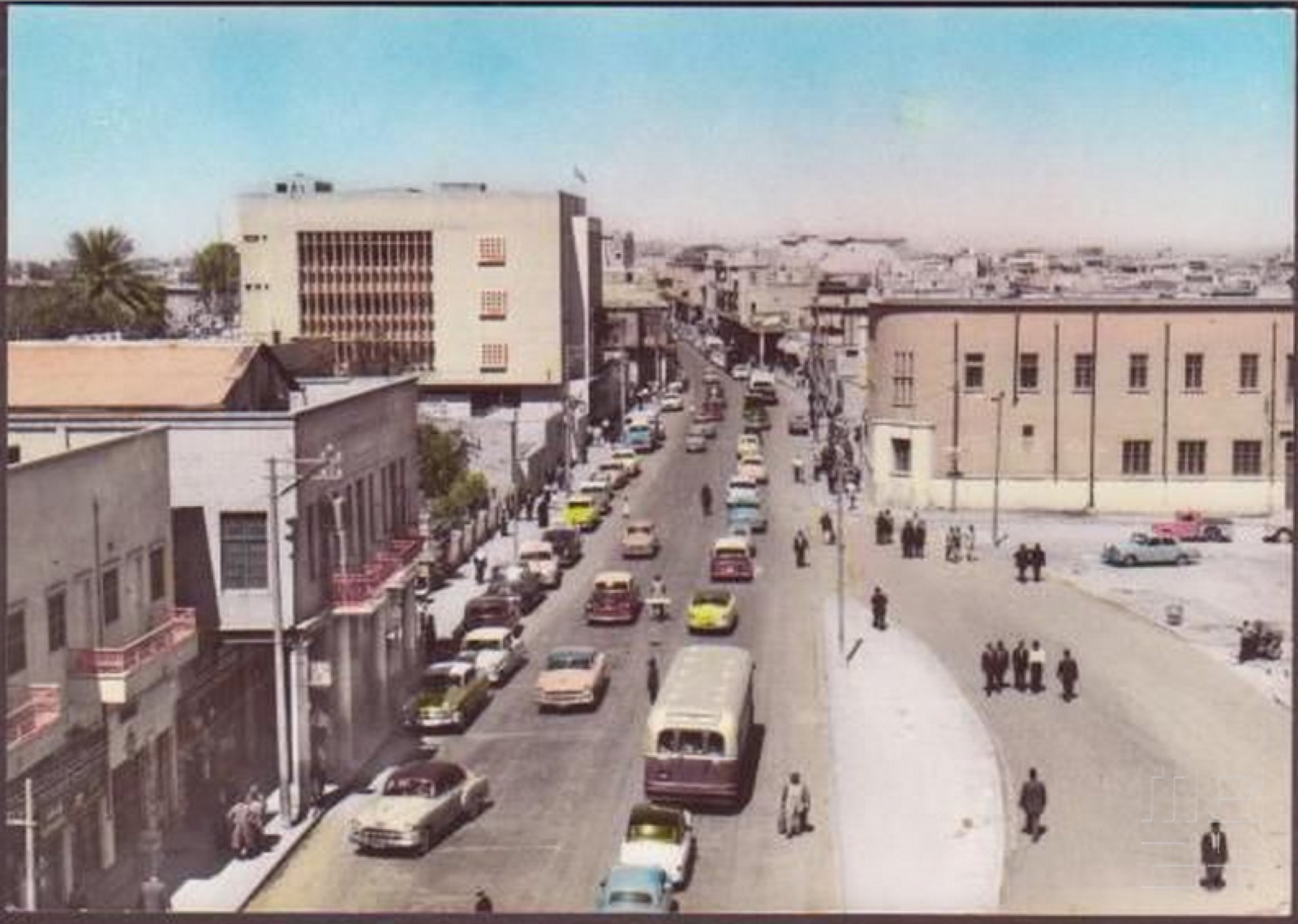
She resigned from Worthing, and bought a demonstration 1950 Land Rover 80-inch soft-top, registration KYH 628, from Henly's in Osnaburgh Street for £640, named it Pollyanna, and arranged the visas, permits and carnets. Because she already knew Europe she chose the North African route. She flew to Gibraltar, Pollyanna having been freighted ahead, and set out alone some time after Christmas 1950; a brigadier she met at Gibraltar told her she was mad even to think of it, and his phrase gave the book its title. She crossed the Straits to Tangier and followed the Mediterranean coast through French Morocco, Algeria — where a gendarme near Algiers, appalled that she carried no gun, gave her a wooden truncheon she kept for the rest of her travelling life — Tunisia, Libya and Egypt, then went by Cyprus and down through Lebanon and Syria and across Jordan into Iraq. Her only companion was the car; she slept in villages or in the desert. In Iraq she went round the archaeological sites, and in May 1951 reached Sir Max Mallowan's dig at Nimrud, where his wife Agatha Christie was processing the season's finds, which included the stele of Ashurnasirpal II. The book ends at Baghdad; she says in her next one that she drove Pollyanna back to England.
A Fool on Wheels: Tangier to Baghdad by Land-Rover was published by John Murray in 1955 and was well received — The Spectator called it 'a highly readable book about her solitary journey in a Land Rover from Tangier to Baghdad. A woman of remarkable courage'. It started a pattern of a journey and a book every second year: Libya in 1952, Saudi Arabia in 1953, round the world in 1956–57, the Sahara to Ethiopia in 1959, Timbuktu to Tripoli in 1961. Only Colonel Leblanc's 1949 drive to Abyssinia preceded her as a long-distance overland by Land Rover, and hers was the first by a woman and made alone, without support; the far better-known Oxford and Cambridge drive to Singapore came almost five years later.
Pollyanna was rebodied as a station wagon before the 1952 Libyan journey, its flat roof painted white against the sun, and served Toy for nearly a decade and about 210,000 miles until Rover, sponsoring her by then, insisted around 1959–60 that she exchange the battered 80-inch for a new long-wheelbase Series II, which she thought less reliable. Rover gave Pollyanna to a technical college in Chesterfield; a Land Rover enthusiast, Mr Shakespeare, later bought and restored it and showed it, refusing to sell it back. In 1989, after his death, Toy bought it from his estate for £3,500 — five times what she had paid — and in 1990, aged 81, drove it round the world a second time. She died at Banbury in 2001. Pollyanna passed to Tom and Guy Pickford, who had looked after it for her, and was among the expedition Land Rovers shown by Land Rover Classic at Pebble Beach in 2025.