The expedition
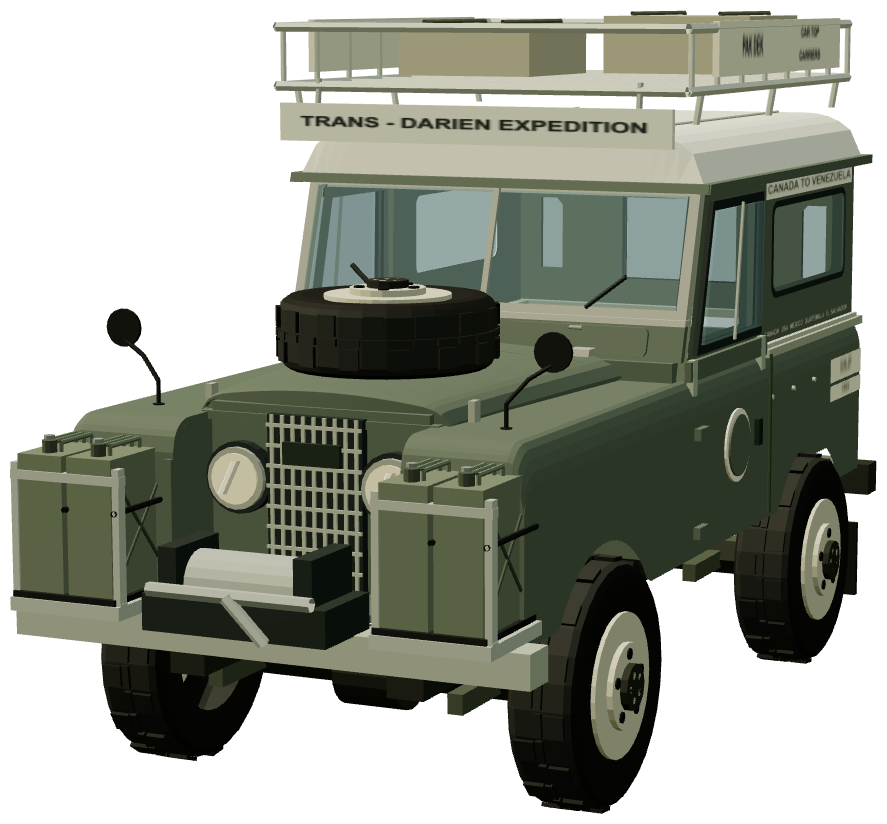
In 1958 Richard E. Bevir, born in London in April 1930, a former Special Air Service territorial who had emigrated to Canada in 1956, wrote to the International Road Federation in Washington asking whether a vehicle could be driven from North to South America. The answer was that the roadless Darién — 300 miles of jungle, hills and rivers between Chepo in Panama and Quibdó in Colombia, the 'Tapón' or Stopper that broke the Pan-American Highway — made it impossible. With Terence J. Whitfield, born in Granville, New South Wales, in October 1932, an electrical contractor and mechanic who had also emigrated to Canada, Bevir planned to try anyway. They chose a Land Rover 88-inch Station Wagon as the only vehicle they thought light and rugged enough, fitted it with a capstan winch driven from the front of the engine, a roll bar and racks for jerrycans, and named it La Cucaracha Cariñosa, the Affectionate Cockroach.
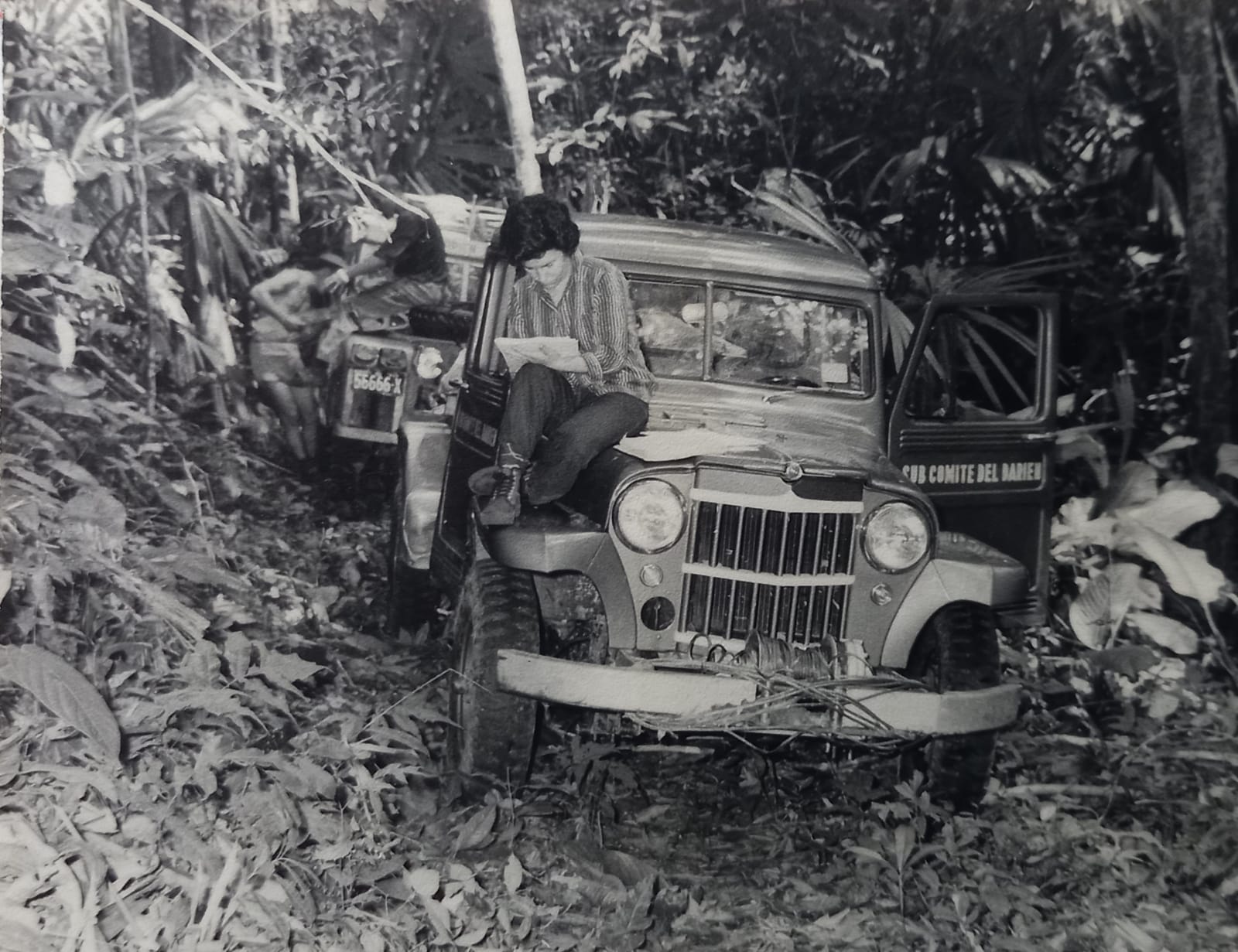
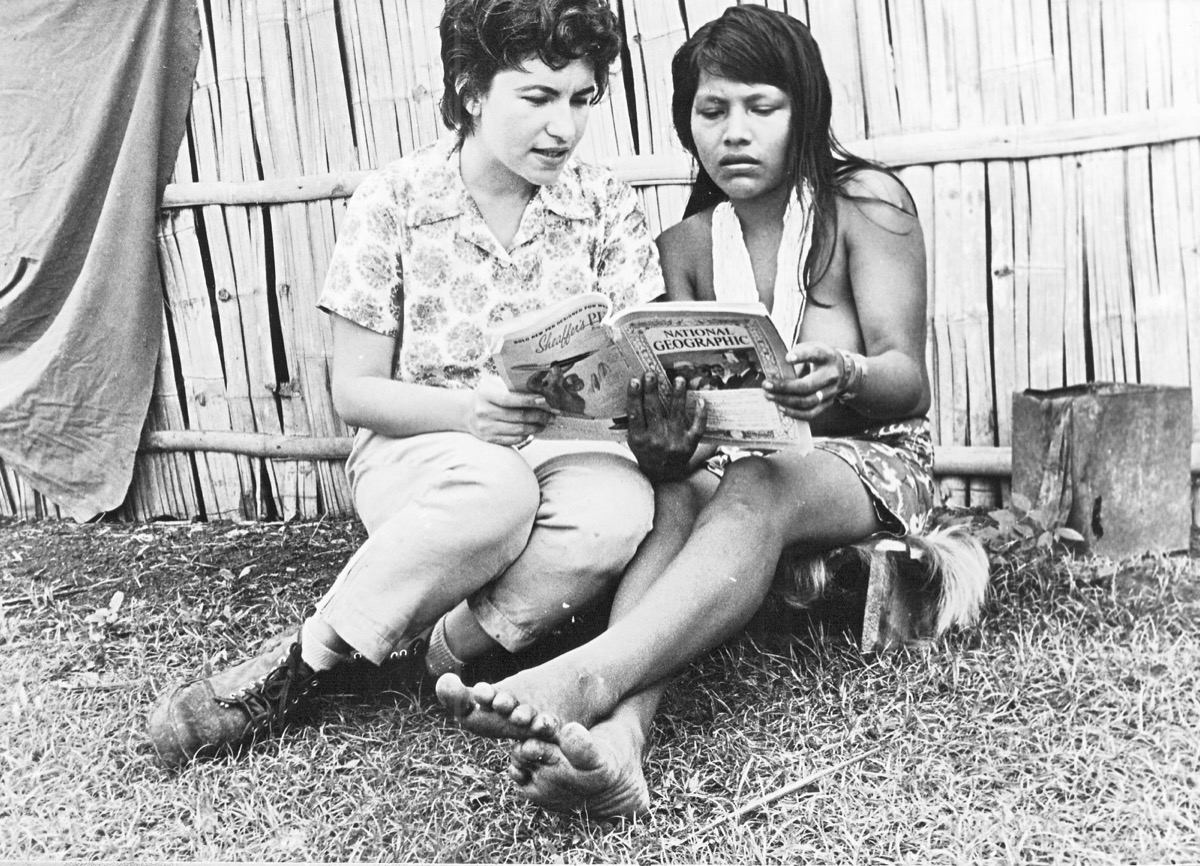
The Land Rover left Toronto fully laden on 16 October 1959 and drove south down the Pan-American Highway. In Costa Rica, 100 miles south of San José, the pair took it through the 135-mile roadless 'Costa Rica gap' in the December rains, the first vehicle to do so, and reached Panama City on Christmas Eve 1959. There they met the Darién Sub-Committee of the Pan-American Highway Congress, an international group of engineers investigating a highway route through the Gap, which had been thinking since 1957 that a successful four-wheel-drive crossing would be the best argument for financing the engineering survey. The Sub-Committee sponsored the attempt with an AN/GRC-9 'Angry Nine' radio, food and fuel; the US Army built a winch anchor and put Bevir and Whitfield through its Jungle Warfare Training Center. The Sub-Committee also joined them with a second group planning the same crossing in a Jeep pickup: Amado Araúz, cartographer and historian, and his wife Dr Reina Torres de Araúz, Panama's leading anthropologist, who would study the Indian peoples along the way. Kip Ross of National Geographic, the cameraman Otis Imboden, the German correspondent Ilse Abshagen, Eugenio Ávila, and nine Panamanian woodsmen with machetes, axes and a power saw made up the Trans-Darién Expedition.
The two vehicles left Chepo, where a rusting sign marked the end of the Pan-American Highway, on 2–3 February 1960. Winching began almost at once on the wet ground. On 3 March they reached the Ipetí river, 67 miles in, having already built 35 log bridges; the Indians of the Ipetí called a tribal conference before allowing them on. At Yaviza, where no vehicle had ever been seen, and across the Chucunaque and Tuira rivers by flat-bottomed barge, they came to El Real two months out of Chepo and were welcomed by 800 people. South of El Real the ridges began: slopes of up to 65 degrees and 600 feet, climbed by winch with the vehicles hanging in steel cable above the men. In April they made 105 miles. Near the border a pulley pin snapped while the Land Rover was being winched up a ridge and it rolled 70 feet down the slope with Whitfield inside; the seat straps and roll bar saved him, and the engine started again. Both men had malaria. On 13 May 1960 the expedition reached Palo de las Letras and the concrete monument on the Panama–Colombia border. Five miles on, at the Cacarica river, a week was spent finding balsa logs and another building rafts; two of the party went to hospital in Quibdó by canoe. The rafted vehicles ran 40 sets of rapids and two hours of whirlpools down into the Atrato system, another 19 miles had to be hacked out around a blockage of rocks and weed, and on 17 June 1960 the expedition reached Quibdó, where the Pan-American Highway began again. A week later it was in Bogotá for the Eighth Pan-American Highway Congress, the journey's official end.
The figures Amado Araúz recorded were 134 days for 310 miles, 180 rivers and streams crossed, 125 palm-log bridges built, three rafts, three vehicle roll-overs, 90 punctures, 544 kilos of cargo, and a 52 hp engine fed from a 47-litre tank and three jerrycans. Kip Ross's account appeared in National Geographic in March 1961 and Bevir wrote it up for Popular Mechanics and The Autocar the same year; the Land Rover Company used the crossing in its 1961 sales brochure. The border monument records that Bevir and Whitfield in La Cucaracha Cariñosa were the first ever vehicle to drive overland from North to South America, the Jeep having started only from Panama. Reina Torres de Araúz went on to found Panama's anthropological museum and took part in the British Trans-Americas Expedition of 1971–72 that took two Range Rovers through the same jungle. The fate of the Land Rover, battered to near unrecognisability by Quibdó, is not recorded in the sources found.