The expedition
Anne Davies, a mother of three in her mid-thirties who spoke Urdu and Hindi, and Eve Sims and Antonia Deacock, both in their mid-twenties, were married to servicemen — Squadron Leader Lester Davies, Flight Lieutenant John Sims and Warwick Deacock — who were planning their own Himalayan expedition. The three women decided in the autumn of 1957 to mount one of their own, to Zanskar, a province of Ladakh whose capital Padam lay beyond the old 'Inner Line' across which British subjects could expect no protection. Lady Hunt lent her name; a friend, Betty, joined as fourth member and quartermaster. Press coverage opened doors: through an oil-company contact the Rover Company, 'fairy godfathers to many expeditions before us', offered a long-wheelbase Land Rover that had been a demonstrator with 6,000 miles on it at half price, fitted extras at its own suggestion, and put the women through a week's maintenance course at Solihull from 21 April 1958. Brooke Bond, Illustrated magazine, John Player and Max Factor sponsored them; the Ministry of Agriculture supplied dehydrated rations; Lester Davies lent the money for the vehicle and the film. The expedition cost about £1,100 in all.
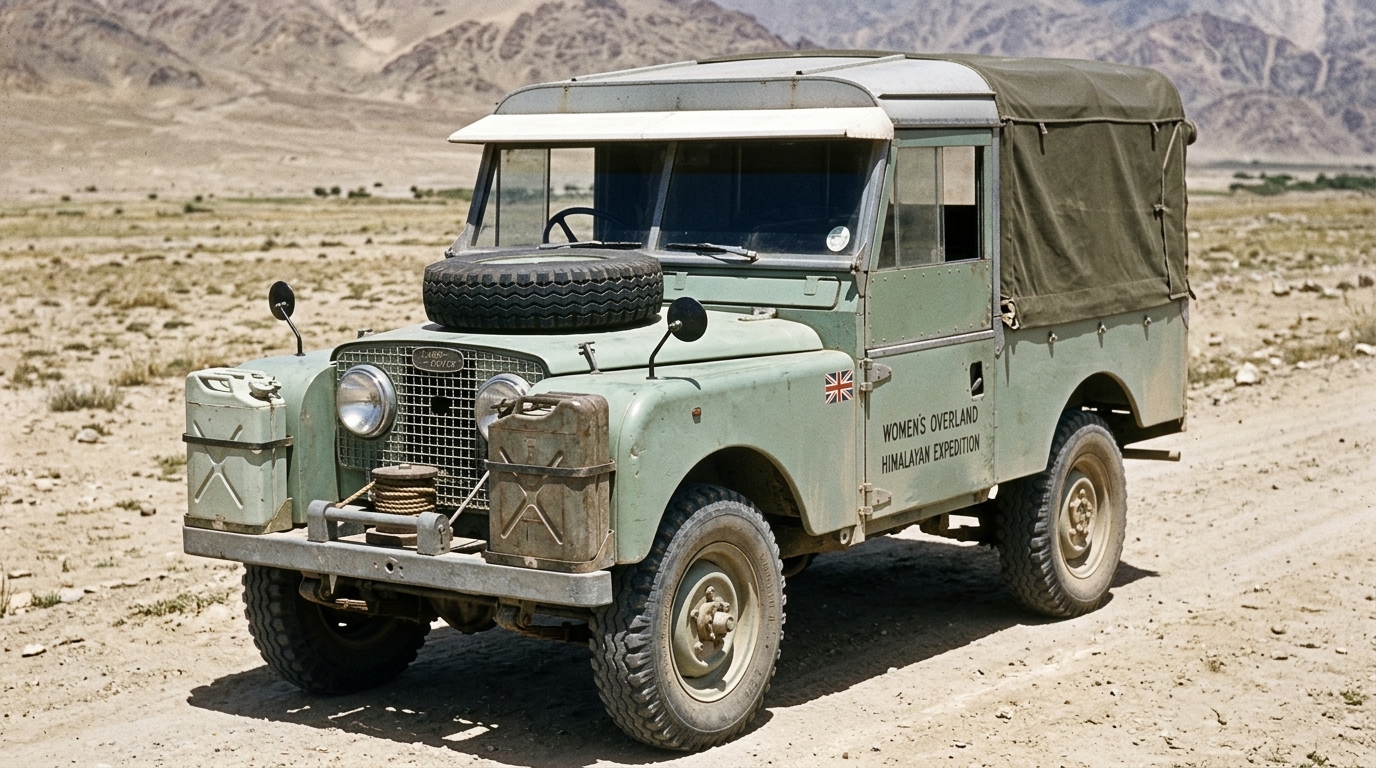
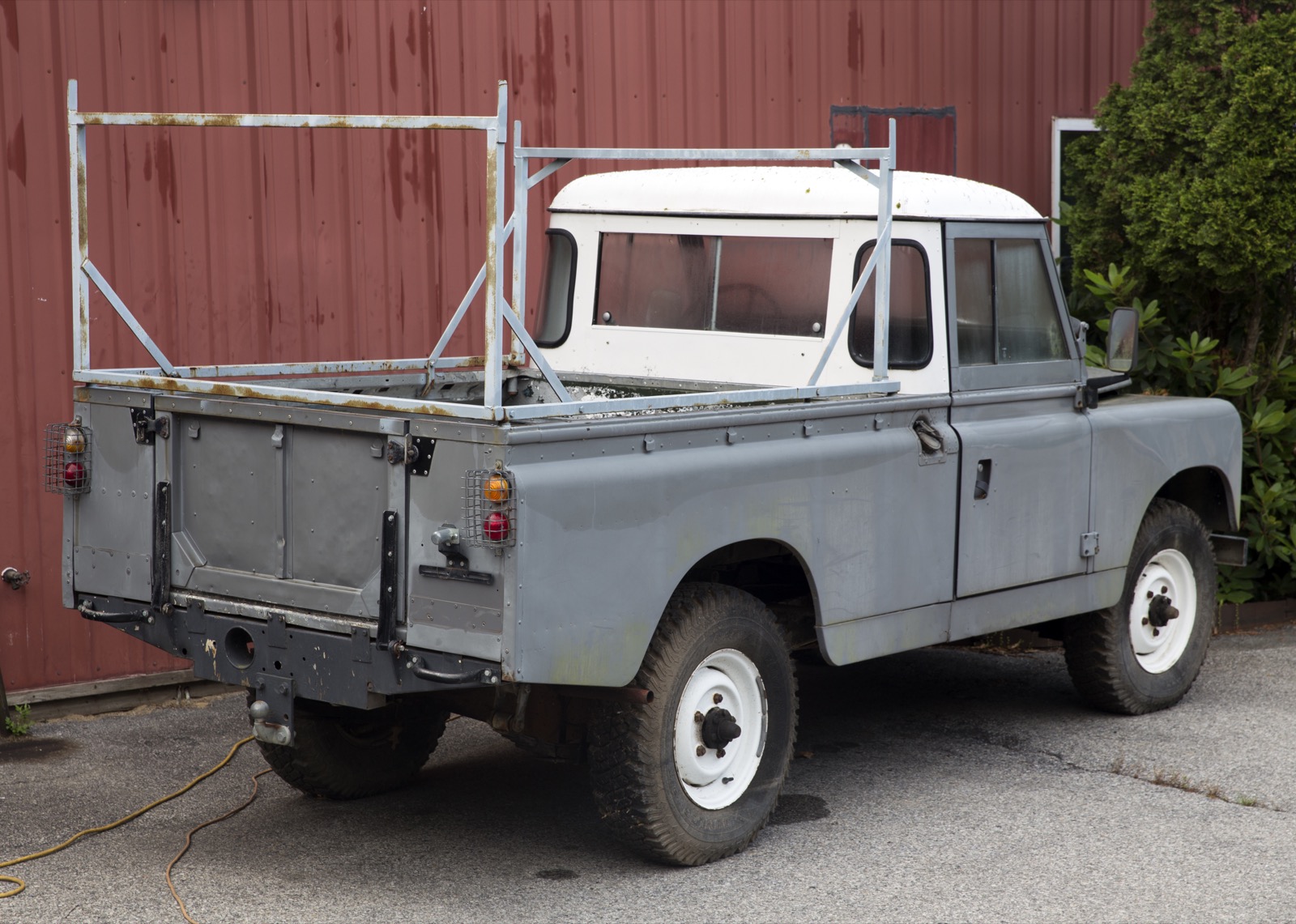
The Land Rover was a standard long-wheelbase pick-up with a canvas cover, a winch on the front bumper, a trailer bar, a double roof on the cab to keep it cool, two jerricans on the bumper, one spare on the bonnet and one behind the cab, giving 27 gallons of petrol; Union Jack transfers and the expedition's name went on the doors. Betty had to withdraw on 1 May, pregnant, and the three set out from Ullswater on 5 May 1958 — a week later than planned, the vehicle not having been ready — loaded, by Deacock's guess, with two tons of kit. They flew the Land Rover from Lydd to Le Touquet by Silver City Airways, went by Strasbourg, Munich, Salzburg, the Tauern tunnel and the Seeberg Pass into Yugoslavia, with Lester Davies and his son following in a car and caravette to the border to teach them cine photography, and on through Belgrade, Skopje, Salonica, Edirne and Istanbul. Across the Bosphorus the road ran by Ankara, Kayseri, Sivas, Erzincan and Erzurum to Dogubayazit and the Iranian border at Maku — the longest stretch without petrol, 200 miles — then Tabriz, Tehran, Qum, Isfahan, Yezd, Kerman and Zahedan, the desert road south of Tehran drifted with sand where four-wheel drive earned its keep, and through Baluchistan by Dalbandin, Quetta, Sukkur, Multan and Lahore to Amritsar and Delhi, which they entered on 16 June, six weeks to the day after leaving England. Servicing was done by Rover agents along the way, who doubled as hosts. The 'shake barrier' on the corrugations was about 40 mph.
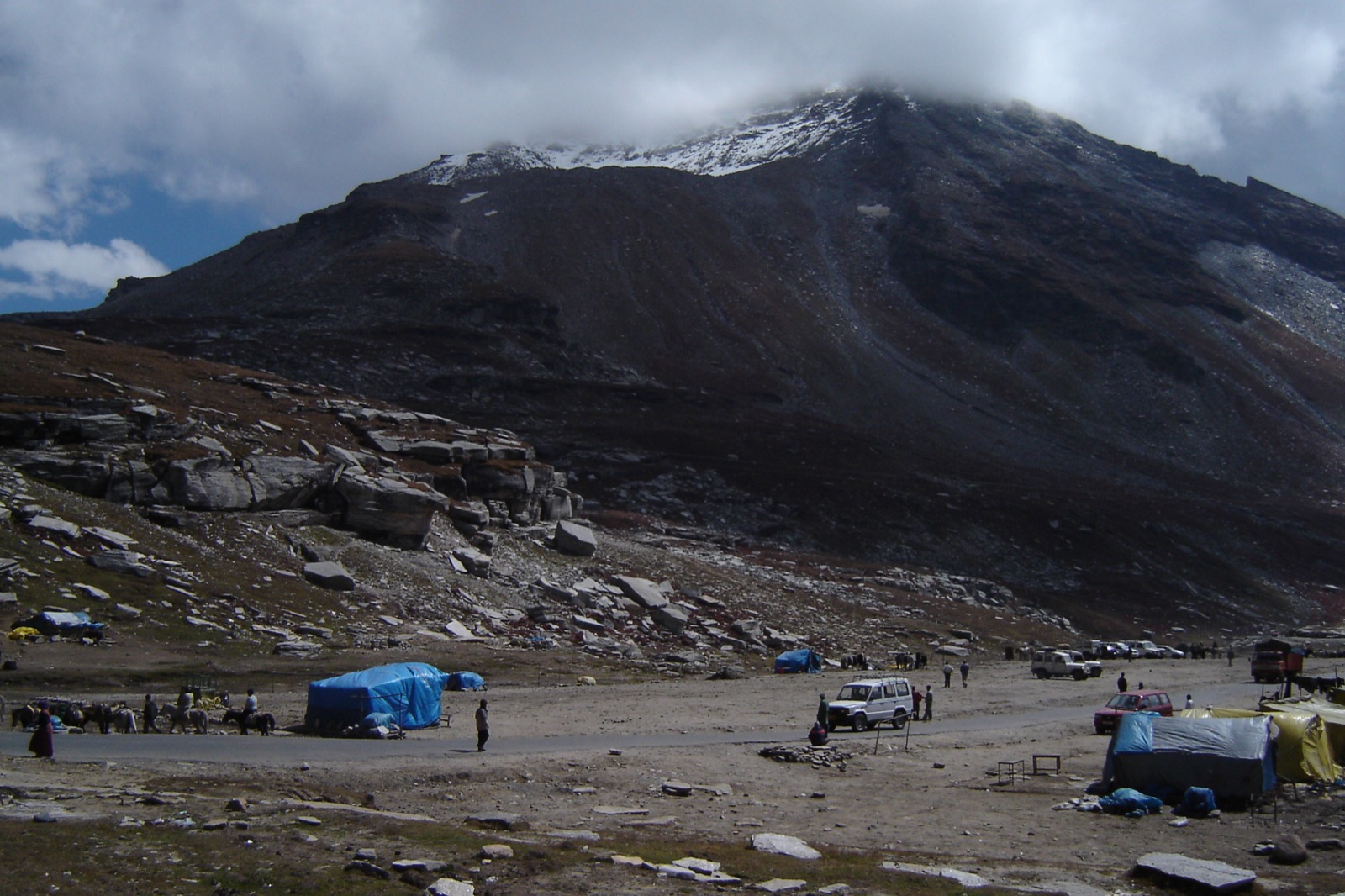
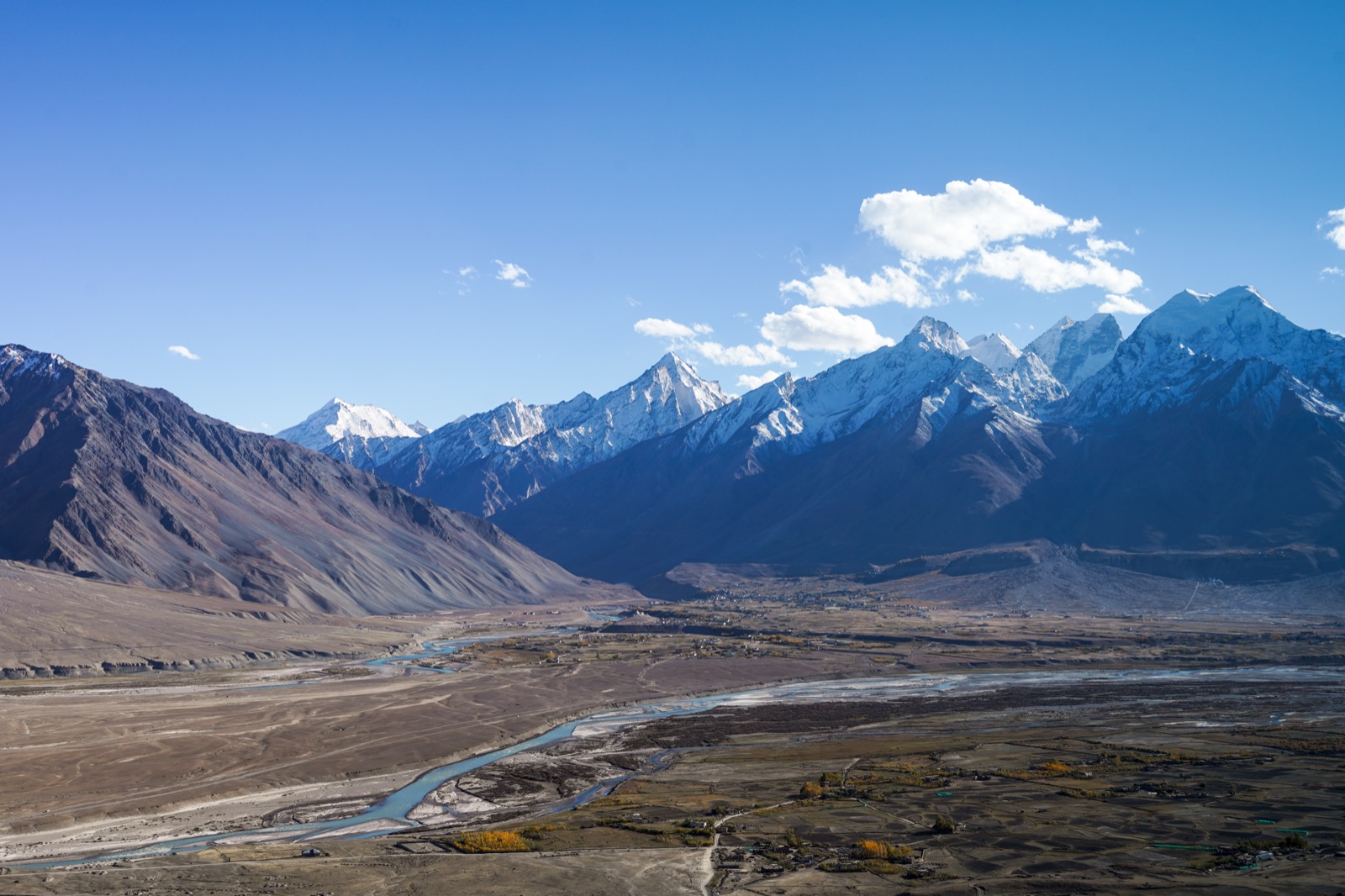
Three weeks in Delhi were spent fighting for permission to cross the Inner Line, which came after an audience with Nehru. They drove north by Pathankot, Palampur, Mandi and Kulu to Manali, where the Land Rover was garaged, and on 10 July, after Deacock had recovered from illness, set off on foot with ponies and two porters over the Rohtang La into Lahaul, over the Bara Lacha La and the Shingo La into Zanskar and down to Padam, the first European women to reach it; on the way they climbed an unclimbed 18,700 ft peak and called it Biwi Giri, Wives' Peak. The men's expedition, which had crossed from Ladakh by the Bara Lacha, met them in the hills. Five weeks behind schedule they were back at the Land Rover in Manali and at Pathankot on 25 August collecting stored boxes, the vehicle 'fairly groaning under the load'.
The 45-day return ran from Lahore by Rawalpindi, Peshawar and the Khyber Pass to Jalalabad, Kabul, Ghazni, Kandahar, Farah and Herat — Afghanistan crossed unescorted, which they believed no European women had done — then Meshed, Semnan and Tehran, a detour to the Caspian that flooding turned back at Astara so that they returned by Resht to Kazvin, Tabriz and Maku, and the familiar road through Turkey, Greece and Yugoslavia to Graz, Salzburg, the German autobahns, Arnhem and the Hook of Holland, crossing to Harwich on the night ferry of 8 October 1958 to a programme of press, radio and television. The mileometer showed over 16,000 miles. The Land Rover was resold to recover part of the cost. Deacock's No Purdah in Padam was published by Harrap in 1960; she later emigrated to Australia, founded an Outward Bound school and an adventure travel company, and Eve Sims and Anne Davies both went on to run Outward Bound centres.