DIFFLOCKEDTHE REGISTRY RESEARCHED · UPDATED 16 SEPTEMBER 2026

Camel Trophy 1986 Australia

ALSO KNOWN AS CAMEL TROPHY COOKTOWN TO DARWIN

The seventh Camel Trophy and the first in a developed country: in March 1986 fourteen national teams in Land Rover Ninetys, with One Tens in support, drove 3,218 km across the wet-season north of Australia from Cooktown on the Queensland coast to Darwin in thirteen days — at about 250 km a day the longest and fastest event yet. France's Jacques Mambre and Michel Courvallet won; the Australians Glenn Jones and Ron Begg took the Team Spirit Award. It was the first Camel Trophy for teams from the United Kingdom, Australia, the United States, France and Malaysia.

13DAYS OUTBOUND3,218 kmDISTANCE1COUNTRIES19WAYPOINTS2VEHICLES9CREW
THE NAMED PLACES COME FROM THE ORGANISERS' SUMMARIES AND FROM THE 2011 LAND ROVER OWNERS' CLUB OF SYDNEY RE-RUN, WHICH RECONSTRUCTED THE 1986 ROUTE WITH THE ORIGINAL ORGANISERS; BETWEEN THE TERRITORY BORDER AND BORROLOOLA THE 1986 CONVOY USED PRIVATE STATION TRACKS THAT ARE NOT MAPPED HERE. THE LINE BETWEEN POINTS IS THE GENERAL COURSE, NOT A GPS TRACK.
THE JOURNEY IN FIVE MOMENTS
March 1986CooktownFourteen Ninetys start for Darwin after the town's feast.March 1986MaytownOld Coach Road blocked by protesters; river-crossing stage abandoned after the Australians alone get through.March 1986Mitchell River at DunbarRafts built for a river low enough to wade.March 1986Normanton to the Territory borderWheel tracks in the sand, the wrecked lawn at Hells Gate, then station tracks west.March 1986Darwin3,218 km in thirteen days; France wins, Australia takes Team Spirit.
DEPARTEDMarch 1986
Cooktown
ARRIVEDMarch 1986
Darwin
DISTANCE3,218 km (2,000 miles) Cooktown to Darwin as published by the organisers; some accounts round to 3,200 km
COUNTRIES CROSSED, IN ORDER
AUAustralia

The expedition

After the mud and airlift of Borneo in 1985 the Camel Trophy went to Australia, its first event outside the tropics' poorer countries and its first in a developed one. Applications had grown to about half a million; the fourteen teams that came through the national selections represented Australia, Belgium, Brazil, the Canary Islands, France, West Germany, the Netherlands, Italy, Japan, Malaysia, Spain, Switzerland, the United Kingdom and the United States, the British, Australian, American, French and Malaysian teams all newcomers. Each pair drove a Land Rover Ninety prepared and equipped identically by the organisers; the One Ten again served the support crew. The full fleet was twenty-four vehicles and seventy-three people — twenty-eight competitors plus mechanics, judges, journalists and cooks — flagged off by the president of R. J. Reynolds.

The route ran from the Pacific to the Indian Ocean across the far north. The convoy assembled at Cairns and went north over the Daintree River and up the Bloomfield Track, opened only months earlier amid protests, to the Aboriginal community of Wujal Wujal and on to Cooktown, the historic settlement overlooking the Great Barrier Reef where the whole town turned out with a spit-roast feast. The official start was at Cooktown. From there the route followed the old railway line through the hills to Laura, and was meant to take the Old Coach Road to the gold-rush ghost town of Maytown; environmental protesters, incensed by the Bloomfield Track, had felled trees across it, so the convoy went north to Fairview and back down through Palmerville to Maytown. A special stage there involved a deep river crossing which the Australian team drove first and cleared; the next two cars could not, the test was abandoned and Jones and Begg's points were struck out. The route crossed the wide Palmer River, went through private station country to an overnight camp at King Junction Station, crossed the Mitchell River at Dunbar — where a raft-building stage became a formality because the river was so low the crews walked the rafts across — and reached Normanton, camping at the airfield, in the height of the wet season.

West of Normanton the road to Burketown and the Northern Territory border was two wheel tracks in the sand. At Hells Gate the roadhouse had just opened; the teams wrecked its new lawn. At the border the convoy turned north on station tracks and worked west through a series of properties, past creek after creek — one is named Camel Creek — to rejoin the road near Borroloola, then ran on via Roper Bar to Darwin, where the final group photograph was taken in the casino car park. Twenty-four hours were spent at one flooded river where the teams built rafts to ferry the cars across. More special stages were run than in any previous event: winching every vehicle out of the water, crossing ditches, ferrying the cars on inflatable boats — the water stages worrying the organisers most because of saltwater crocodiles.

The convoy averaged about 250 km a day and finished at Darwin thirteen days after Cooktown; at 3,218 km it was the longest Camel Trophy to that date and, as one history puts it, the quickest. Jacques Mambre and Michel Courvallet won for France, with the Italians Daniele Terzi and Giorgio Albiero second, and Glenn Jones and Ron Begg of Australia were voted the Team Spirit Award. The Ninety was retired after this event; the 1987 Madagascar Camel Trophy used Range Rover Turbo Ds and the One Ten returned for Sulawesi in 1988. In July 2011 members of the Land Rover Owners' Club of Sydney, helped by the Cooktown Historical Society and by John Ayre, Geoff Stubbs and Derek Stringfellow of the original organisation, re-drove the 1986 route from Cairns to Darwin in seven Defenders over fourteen days.
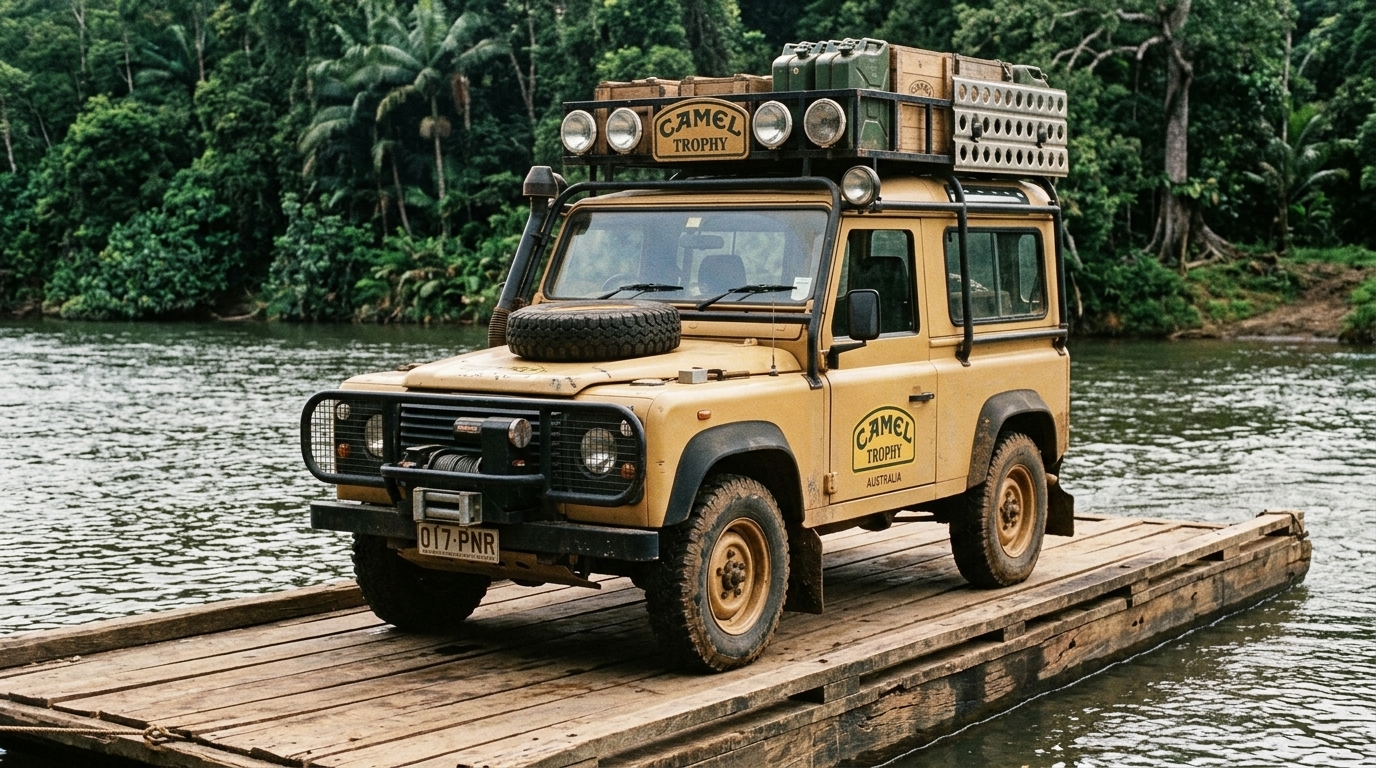
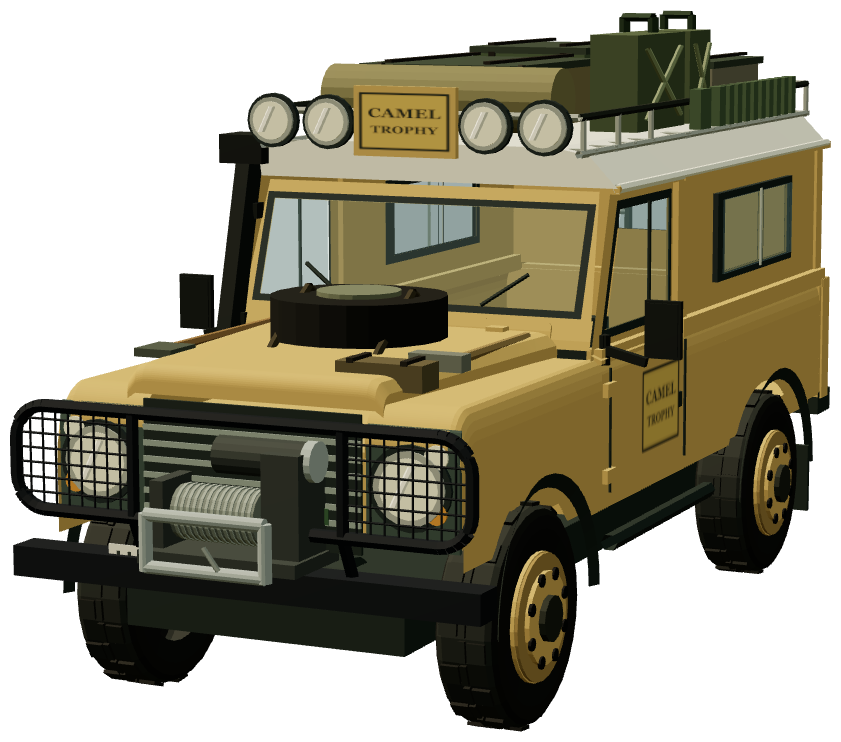
The two vehicles

Imagery

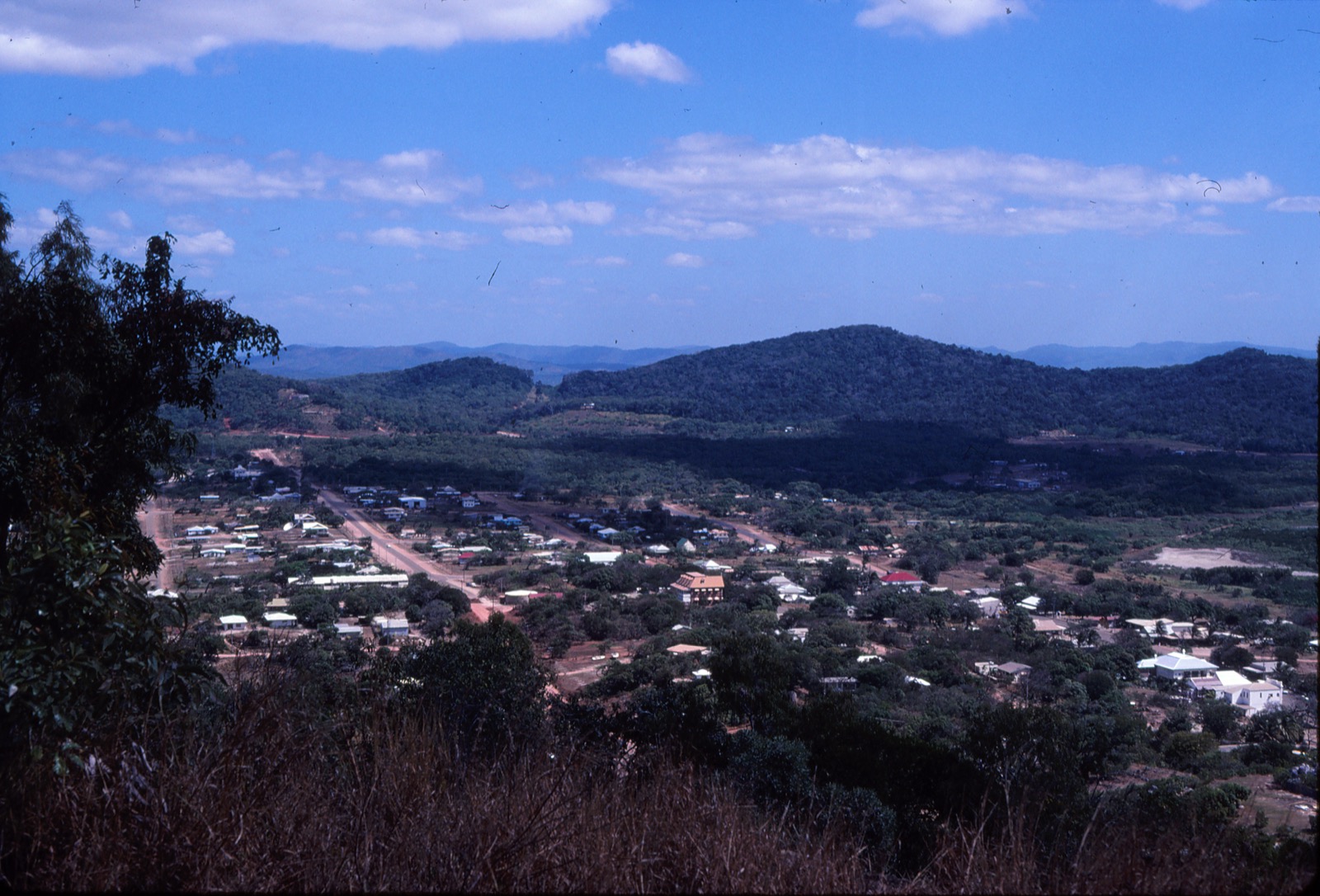
Cooktown from the lookout in 1986, the year the Camel Trophy started from the town.
JOHN ROBERT MCPHERSON, WIKIMEDIA COMMONS · CC BY-SA 4.0 ↗
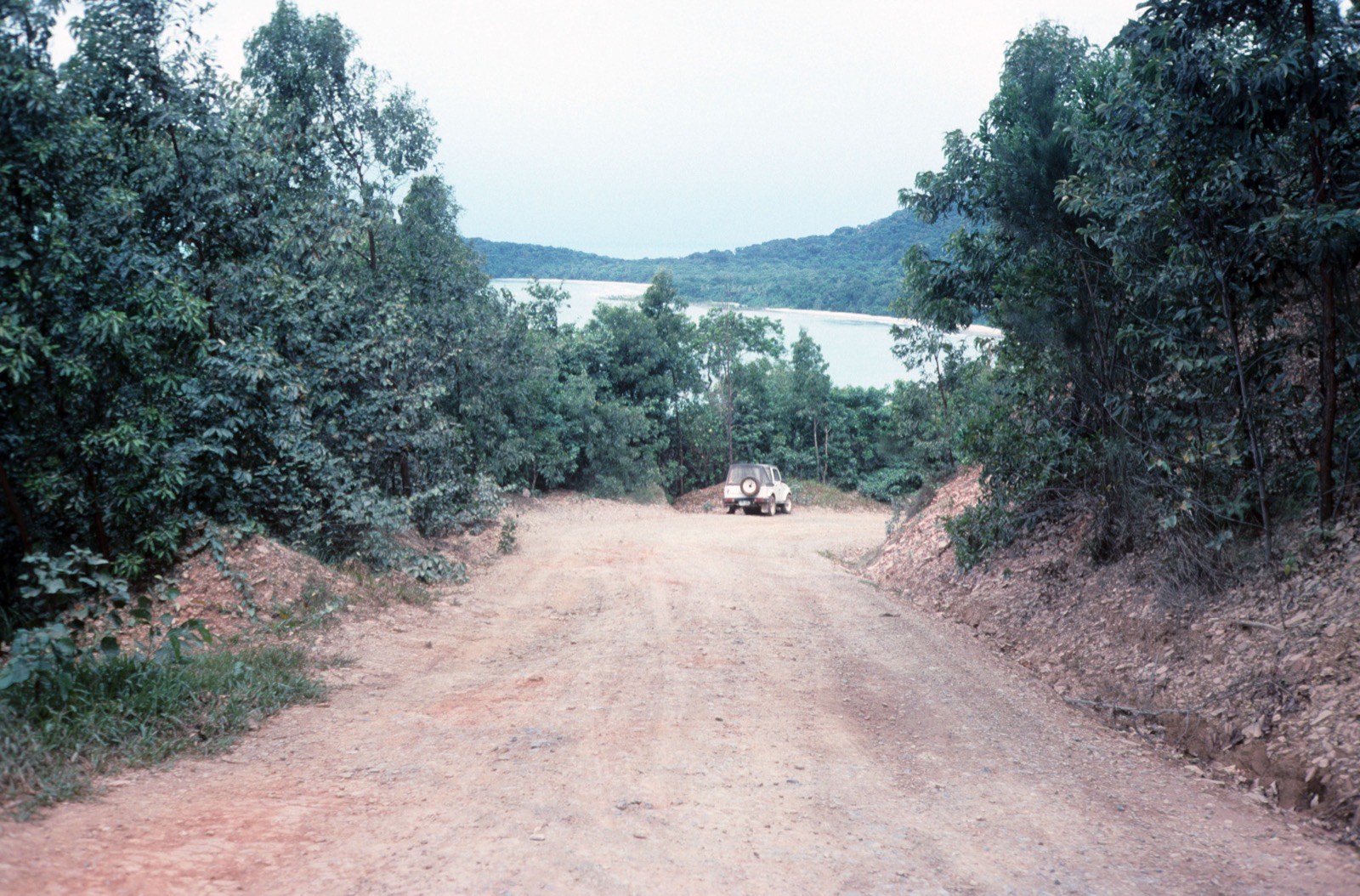
The Bloomfield Track near Cape Tribulation in 1989, three years after the convoy drove it north to Cooktown; its opening had provoked the protests that blocked the Old Coach Road.
IRAPHNE R. CHILDS, QUT DIGITAL COLLECTIONS · CC BY 4.0 ↗

The team

Jacques MambreFrance — winnerMichel CourvalletFrance — winnerGlenn JonesAustralia — Team Spirit AwardRon BeggAustralia — Team Spirit AwardDaniele TerziItaly — secondGiorgio AlbieroItaly — secondGeoff StubbsJudge, Land Rover AustraliaJohn AyrePre-scout and event organisationDerek StringfellowMechanic

Organised by Camel Trophy (R. J. Reynolds Tobacco) and Land Rover and Land Rover Australia. Supported by Camel (R. J. Reynolds Tobacco) and Land Rover.

Online

The expedition's own presence on the web, checked when the record was last updated.

Books & films

Camel Trophy 86
Teleimagen S.A. · 1986 · Spanish television coverage of the event

4x4 Event: The Camel Trophy — 25 years on
Patrick Sutcliffe, 4X4 Australia · 2011 · Account of the 1986 route and its 2011 re-run

Sources

1Camel Trophy ↗ (accessed 2026-09-16)WIKIPEDIA2Camel Trophy Club — Australia 1986 ↗ (accessed 2026-09-16)CAMEL TROPHY CLUB34x4 Event: The Camel Trophy ↗ (accessed 2026-09-16)4X4 AUSTRALIA4History of the CT by LRO ↗ (accessed 2026-09-16)LAND ROVER OWNER, MIRRORED BY CAMEL TROPHY PORTUGAL5Camel Trophy (Spanish Wikipedia) ↗ (accessed 2026-09-16)WIKIPEDIA6Camel Trophy (Italian Wikipedia) ↗ (accessed 2026-09-16)WIKIPEDIA7Land Rover FAQ — Camel Trophy ↗ (accessed 2026-09-16)LRFAQ.ORG
RELATEDExpedition record updated 16 September 2026 · status: researched