The expedition
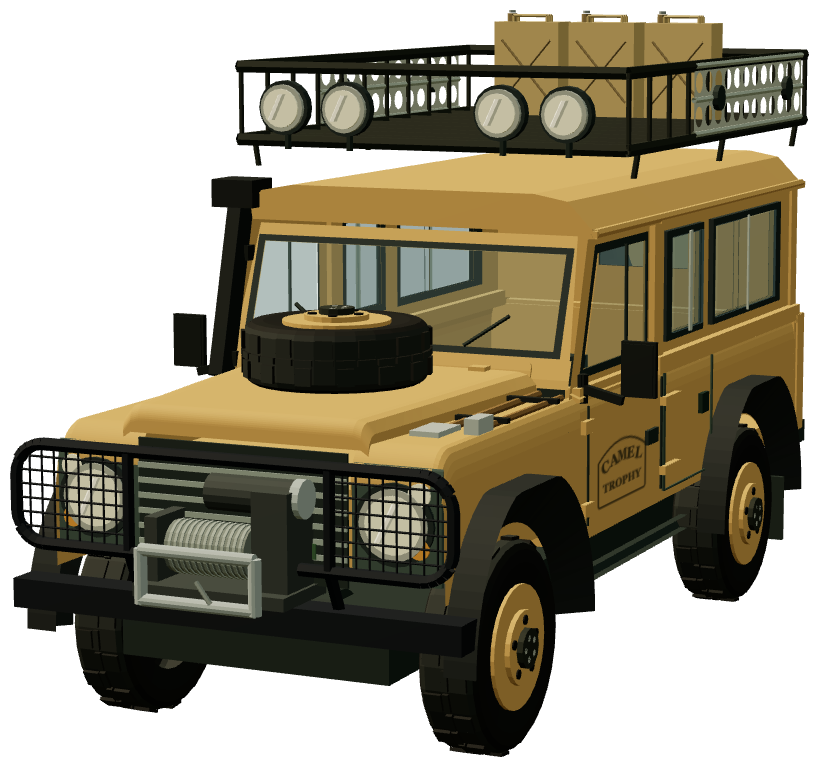
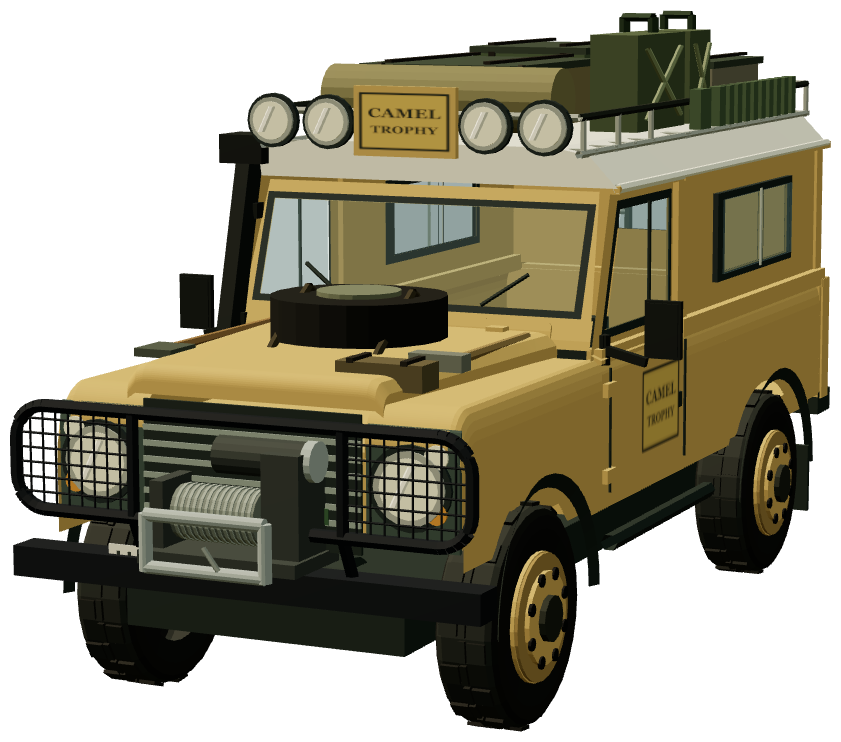
The Camel Trophy began in 1980 with three German crews in licence-built Jeeps on the Transamazônica; for its fifth anniversary the organisers took the event back to the Amazon basin, and for the first time Land Rover's new coil-sprung One Ten carried the Solihull flag, one per team and more in support, all in the sandglow yellow that became the event's trademark. Twelve teams was a record: with Portugal and Hong Kong absent, Belgium came in as a newcomer and each of the six nations — Belgium, West Germany, the Netherlands, Italy, Spain and Switzerland — fielded two cars. Selection was already a mass phenomenon: the Italian pair, Alfredo Redaelli of Lecco and the photographer Maurizio Levi, came through trials that began with 15,000 Italian applicants and included a night's orienteering in the Umbrian woods with a torch, a map and a compass.
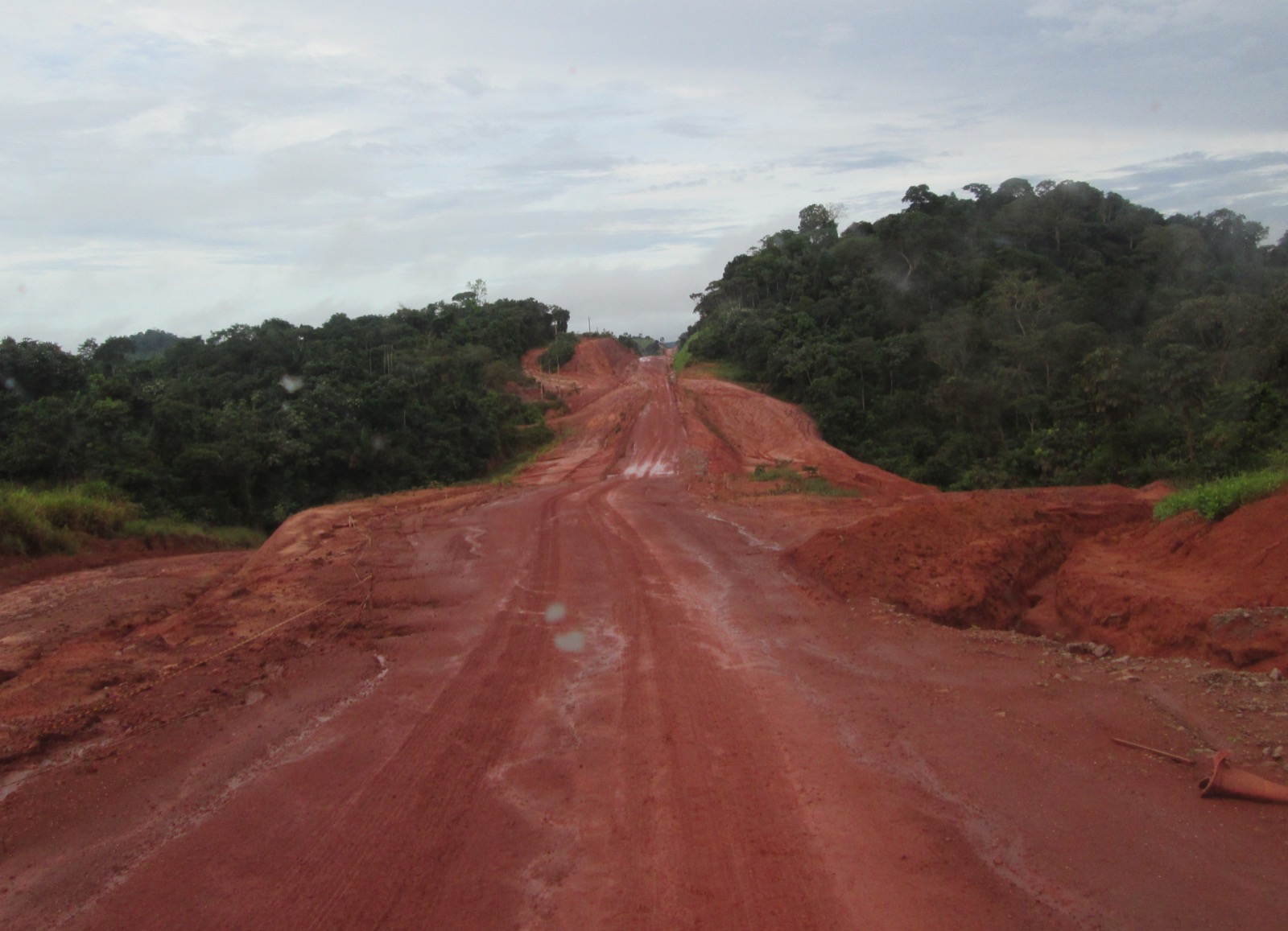
The route picked up the Transamazônica at Santarém on the Tapajós, where the 1980 event had ended, and was to run inland to Manaus at the meeting of the Amazon and the Rio Negro. The 1984 wet season was exceptionally severe. The road the organisers had chosen went under water and mud and proved impossible, so an alternative was substituted, and that proved little better: the teams slogged through what the Camel Trophy Club's history calls seemingly endless mud, some days advancing only a few hundred metres, sleeping in the cars, on the roofs or in hammocks under local shelters and waking covered in mosquito bites. Four days in, a bridge carried away by a flooded river had to be rebuilt by all the crews together; three times in all the convoy was stopped by damaged or broken bridges, each with a gap of more than twelve metres, and the teams cut trees, stripped them and dragged them to the bank, working through the night to bridge the gap. Jacek Pałkiewicz, following the event as a journalist, records a helicopter being used to lift vehicles past ground that could not be driven. Special tests, including reversing, were run along the way, and after a great deal of toil all twelve teams reached Manaus. Levi and Redaelli took the trophy for Italy, the second Italian win in three years, which turned the Camel Trophy into a media event at home.
The distance is given differently by different accounts: 900 km in the Camel Trophy Club's own history, 2,000 km in Land Rover Owner's chronology and 2,500 km in the Italian winners' recollection; the discrepancy is probably between the competitive sections and the whole drive. The One Tens were left-hand-drive station wagons prepared at Lode Lane, originally built with the 2.25-litre diesel and upgraded there to the 2.5-litre naturally aspirated unit, with twin fuel tanks under the passenger seat, a Warn 8274 winch, brush guard, roof rack and Michelin XCL tyres; no roll cages were fitted until 1985. After the event the cars went back to the factory and were dispatched to R. J. Reynolds Tobacco in Brazil; at least one, the car of the German crew Volker Lapp and Dr Ulrich Schum, survives with its event stickers and dents and was sold in the United States in 2018. The support One Tens were carried over to Borneo in 1985.