The expedition
After the 2003 event was criticised as too much adventure race and too little driving, Land Rover made the 2006 Challenge more vehicle-based, with 4x4 competitions alongside the kayaking, mountain biking, running, abseiling, jumaring and orienteering, and with the daily Strategy Pit Competition now deciding which team left camp first. Eighteen nations sent one competitor each — three of them women — after International Selections at Eastnor Castle in the winter, when a Lake View camp in sight of the castle gave the field its first taste of cold camping. Recce teams had spent months in Laos, one of the least developed countries in the world and still littered with unexploded ordnance from the 1960s–70s bombing, checking and where necessary clearing every campsite and competition site; blue flags marked the safe perimeter of each camp.
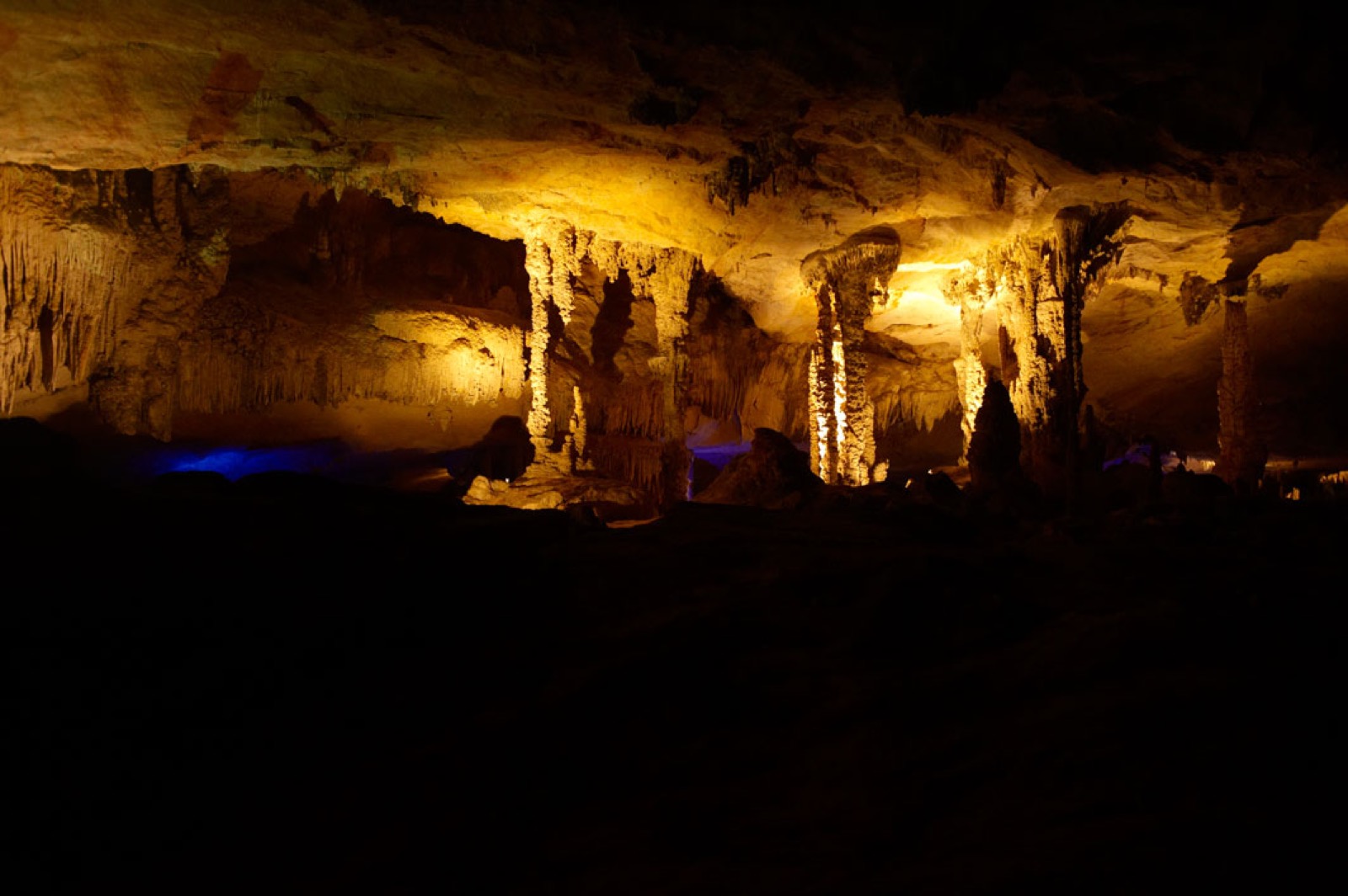
Stage 1 opened on 23 April 2006 in Sanam Luang Park in the heart of Bangkok with an urban start competition that included hand-winching a 600 kg tuk-tuk off the ground, won by Russia's Dmitry Timokhin. On day two the 60-strong convoy drove east through Thailand's 'Jurassic' region of pineapple fields and forested hills to the Mekong, where the Range Rover Sports were ferried across the chocolate-coloured river into Laos under lightning and a hot wind to a camp on the Lao bank. Day three began with a Buddhist blessing at the sixth-century Sikhottabong stupa near Thakhek before the first remote competitions among the limestone pinnacles, paddy fields, log bridges and ruts of central Laos; the ruined town of Mahaxai, 400 km south of Vientiane, lay on the route. On day five came the event's most spectacular test, a head-to-head kayak race through seven kilometres of the Nam Hinboun River underground in the Kong Lor cave, watched by villagers in boats made from old B-52 fuel tanks. The stage ended in Vientiane on 28 April with Martin Dreyer in the leader's yellow jersey, after the field had finished renovating the Ban Nahai primary school half an hour from the capital.
Stage 2 left Vientiane on 30 April for the karst around Vang Vieng, with a steep rutted 4x4 hill climb, up into the mountains to Luang Prabang, where on 4 May Timokhin took the individual lead; Russia and Belgium, paired as Timokhin and Kris Janssens, won almost everything that week. The convoy flew from Bangkok to Rio de Janeiro for the Stage 3 start on Copacabana Beach on 7 May, the Freelanders driven on the sand with Sugarloaf behind, then sixteen hours later flew again to Santa Cruz in Bolivia, where a brass band met them at Viru Viru airport. In Discovery 3s the route ran from Terevinto to the colonial farming town of Samaipata and down the Ruta del Che to La Higuera, the village where Che Guevara was captured and executed, ending on a river beach below the Santa Rosa bridge on 12 May and with a rest in the whitewashed colonial city of Sucre, where the teams repaired a 1938 school at Tarabuco.
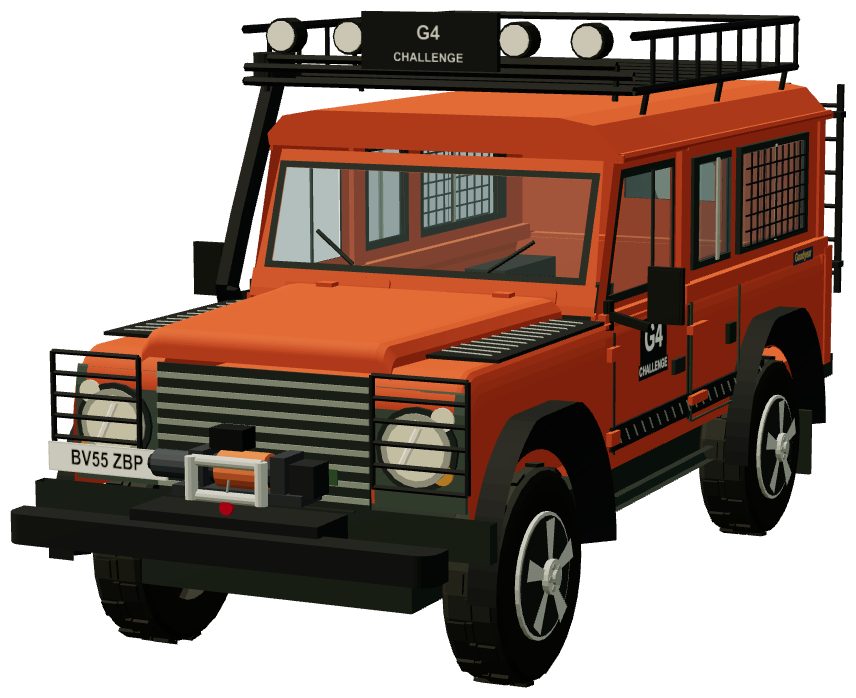
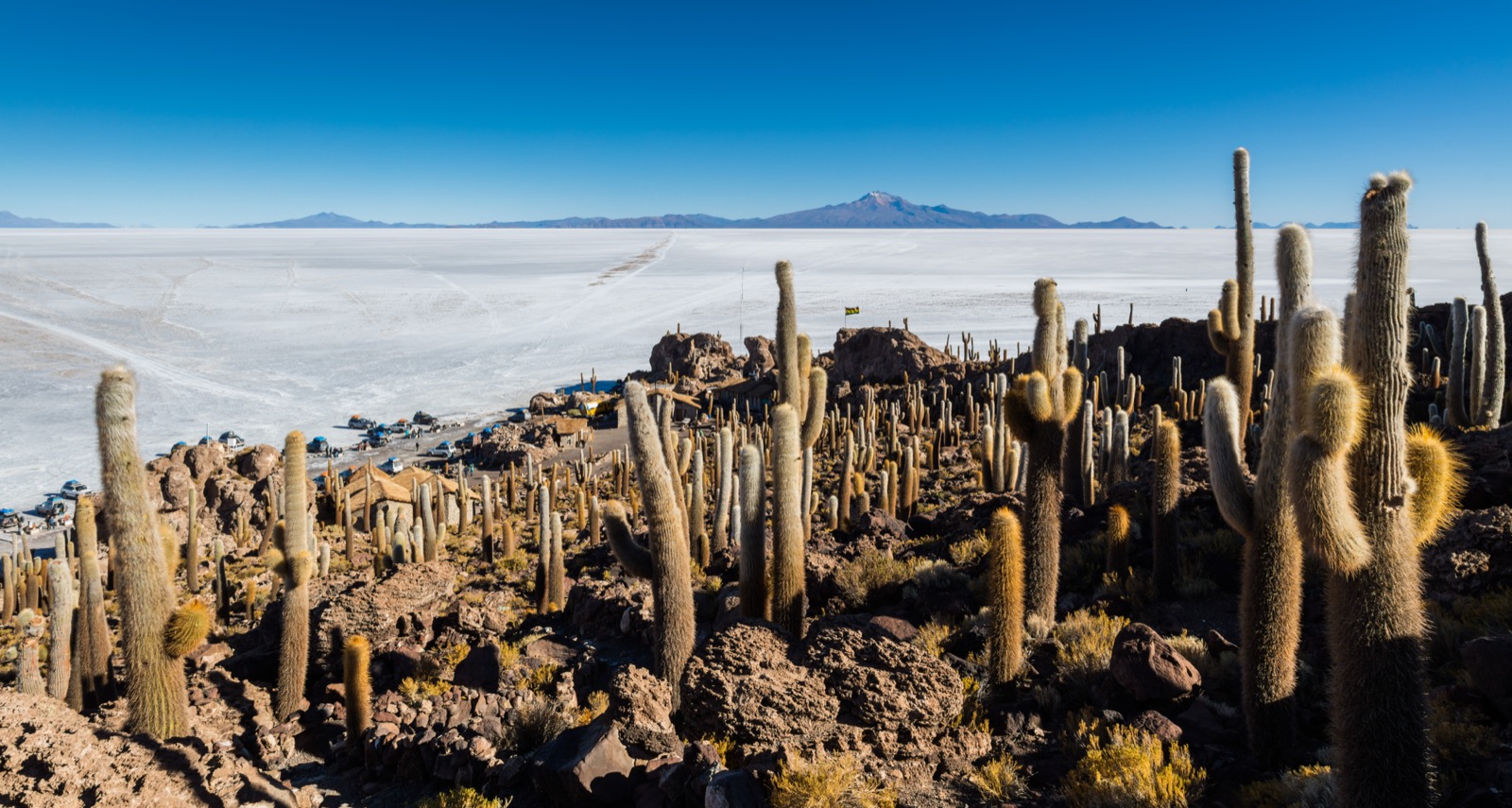
Stage 4 began on 14 May with a transit over a mountain road to Potosí at 4,100 m and out onto the altiplano; two competitors were pulled out of the Stage Start Competition on the Salar de Uyuni by altitude sickness, and flooding at the salt lake's southern end forced changes. Timokhin lost a whole day's score for losing his electronic dibber. In a gorge outside Tupiza on 19 May the top four — Dreyer, Janssens, Jean-Baptiste Calais of France and Timokhin — qualified for a 25-minute Challenge Final in a river bed near the Argentine border, which Dreyer won on 20 May; the awards were given in Tarija, where the UK's Brian Reynolds, a train engineer from Chesterfield, took the Team Spirit Award. All 134 Range Rover, Range Rover Sport, Discovery 3, Freelander and Defender vehicles were standard cars fitted with Land Rover accessories, roof racks and underbody protection, and a workshop team travelled with them. The Defender 110 Td5 station wagons — 31 prepared, 29 used — never carried competitors but ran on every stage as recce, communications, film, photography and medical cars, the doctors working from a fleet of specially adapted Defenders; in October 2006 one of them was donated to Earthwatch for its field research centre at Wamba in Kenya's Samburu region. A 2009 edition in Mongolia was cancelled in December 2008.

.jpg)