The expedition
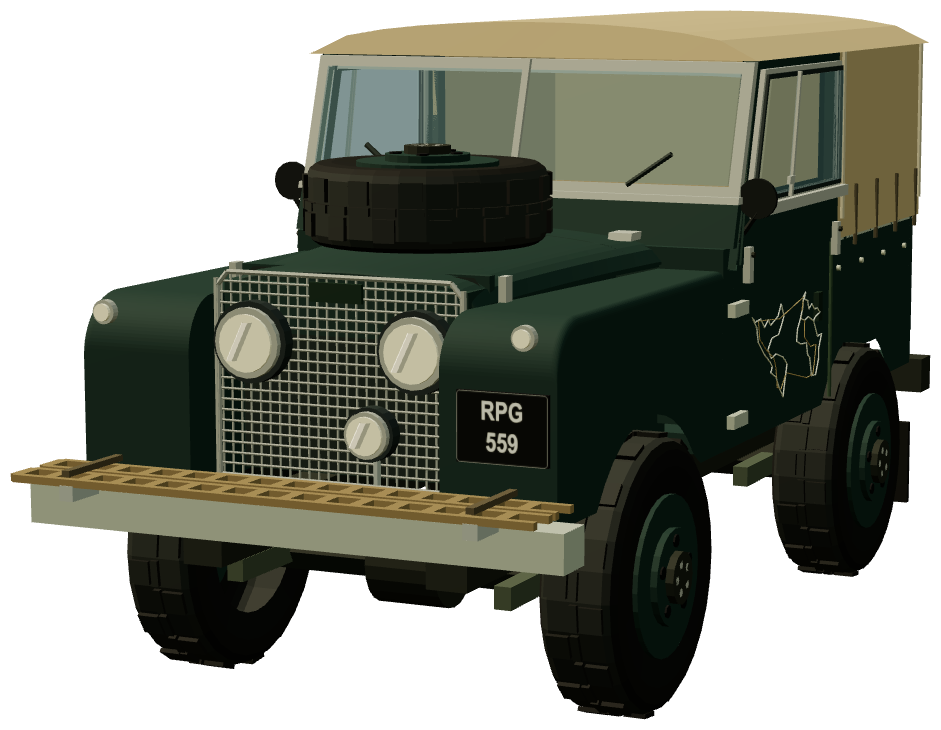
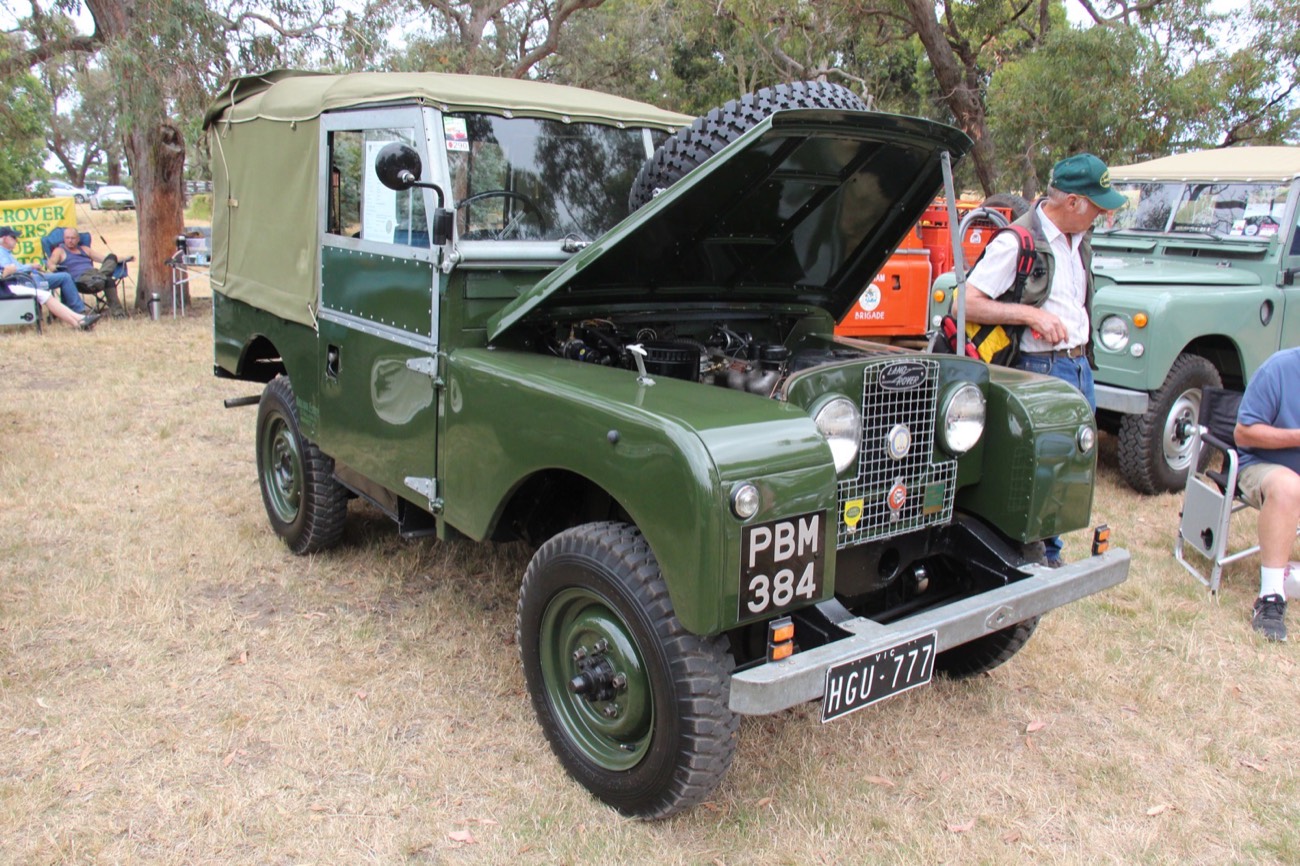
In January 1959 three research students in the aeronautics department of Imperial College decided to investigate a survey of aviation activity in Africa and South America. In March Hyde applied for the John de Havilland Award — a £400 grant administered by the Society of British Aircraft Constructors in memory of Sir Geoffrey de Havilland's third son — and won it with a proposal to study airline operations in primitive and isolated areas; the same month Melbourne bought a 1952 Land Rover for the journey. The British Council and the Board of Trade put the team in touch with United Kingdom Trade Commissioners along the whole route, the Ministry of Aviation and de Havilland's market-research group helped Hyde map the airfields, and in November 1959 the Imperial College Exploration Board adopted the venture as the Imperial College Africa and Americas Expedition. Rover's North American company, Dunlop, Shell-Mex and BP, the RAC and two dozen other firms helped. The short-wheelbase Land Rover, which had already done 90,000 miles, was completely overhauled in London, fitted with a factory-reconditioned engine and lean carburettor jets for altitude, and given six Dunlop RS3 tyres; the route maps painted on its doors later did much to soften suspicious customs men.
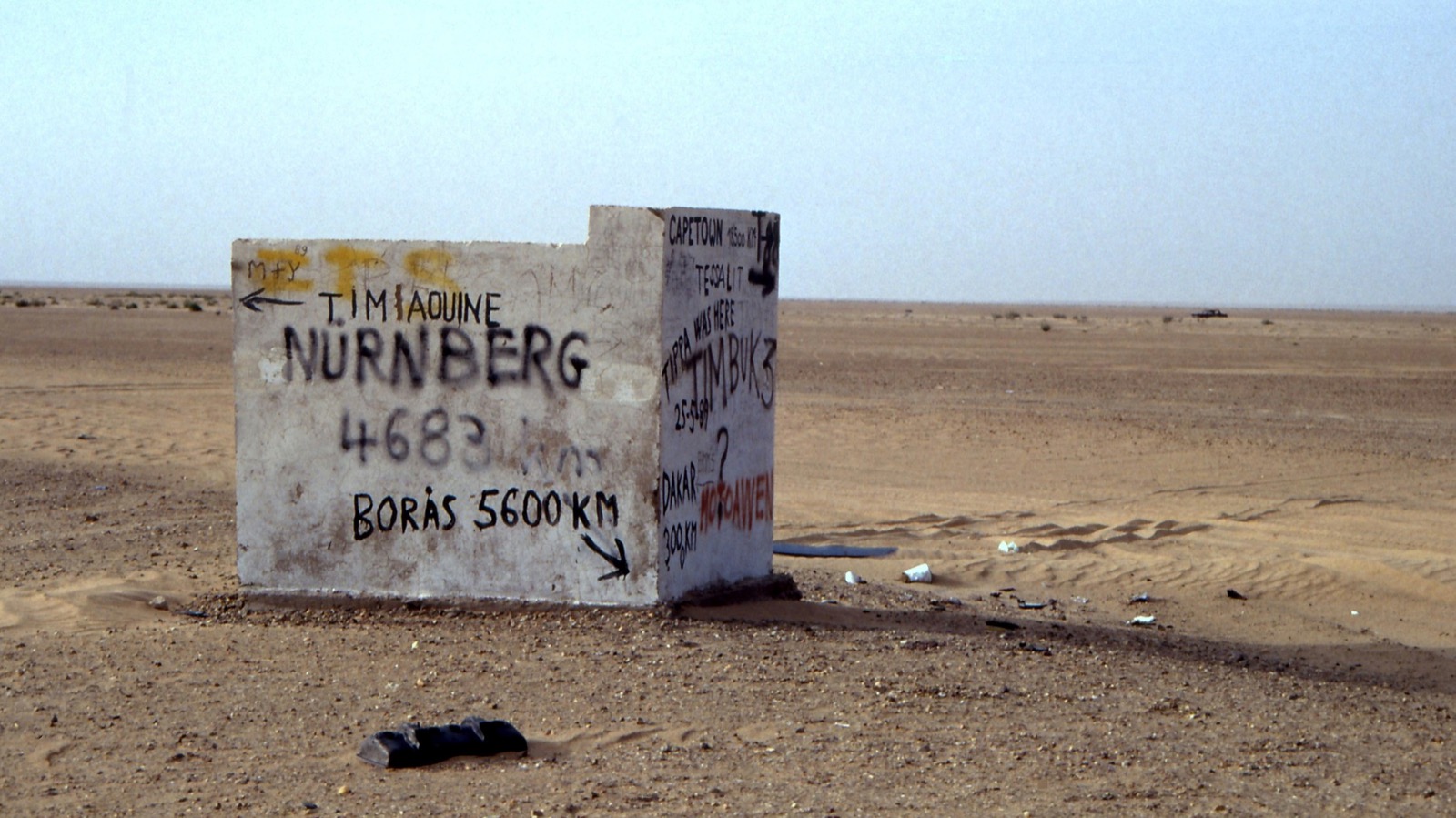
The expedition left London on 16 March 1960, reached Gibraltar in a week and crossed to Tangier. Morocco was under a state of emergency with fourteen police barriers on the road; Algeria at war, with a night curfew that forced the team into hotels, and a two-hour search at Tlemcen. From Colomb-Béchar, where the French Army had taken over control of Sahara traffic from the old SATT company, a long detour brought them to Adrar, where they waited three days to join a convoy of four vehicles with a compulsory escort of two armoured cars past the atomic test centre at Reggane. The Tanezrouft crossing of 7–10 April, Adrar–Reggane–Tessalit–Gao, 935 miles, was marked by 20-litre drums every five kilometres and fuel dumps at Balise, Bidon V, Tessalit and Anéfis run by the Méditerranée-Niger company; the surface was rarely soft enough to need four-wheel drive, and the truck convoy did the thousand miles in eighty hours of near-continuous driving. Unchlorinated Niger water at Gao gave all three dysentery. Niamey came on 13 April, Kaduna and Kano in Nigeria, then the very bad roads of the former French Equatorial Africa through Fort-Lamy and Fort-Archambault to Bangassou, ferries in place of bridges, and a tropical storm at Bondo during which the ferry crew abandoned their posts and the barge ran aground. In the Congo, weeks before independence, a felled tree and a crowd blocked the road outside Stanleyville, where the team camped behind a Catholic school and heard of a demonstration after Lumumba's visit; every Sabena flight out was booked for five months. Through Uganda and up to 10,000 feet before Nakuru, they reached Nairobi on 15 May, having by then broken and replaced ten rear-spring leaves; a complete new rear spring went on at Lake Naivasha. Then Arusha, Mbeya, the Kariba dam, Victoria Falls, eighty miles through the Wankie game reserve, Bulawayo, Salisbury's municipal camp site and its five-shilling hot showers, Beit Bridge, Johannesburg, Durban and the Garden Route to Cape Town on 26 June: 14,830 miles from London at 20.9 mpg.
The Royal Interocean liner Tjisadane, five days late, sailed on 5 July with 200 Japanese emigrants aboard; Hyde and Gartshore got off at Rio, since Brazil would not admit the car without a cash deposit of five times its value, and Melbourne took the Land Rover on to Buenos Aires, where it cleared customs in a record 26 working hours. From 30 July the three drove the pampas to Mendoza, waited four days for the first train through the Andes tunnel in two weeks and rode a flat-car under the 12,500-foot pass to Santiago, then up the Atacama — forty miles of fine dust north of Antofagasta the worst road of the whole trip — to Arica, La Paz at 13,000 feet, Cuzco, Nazca, Lima, a forty-yard river ford into Ecuador at Macará, Quito and the mountain roads of Colombia to Bogotá, where at last an extra full-length third leaf cured the springs, and Cartagena on 15 September. Shipped to Puntarenas in Costa Rica to avoid the Darién Gap — which, they noted, had been driven for the first time that year in a Land Rover with air drops — the car ran through Nicaragua, El Salvador, Guatemala and, by railway flat-car again from Tapachula to Tonalá, into Mexico, then Mexico City, El Paso, the Grand Canyon, Las Vegas, Los Angeles, San Francisco, Vancouver, Calgary, Winnipeg, Chicago, Ottawa and New York, lecturing to engineering departments in Canada on the way. The vehicle went home by freighter to Southampton and the team returned in November 1960.
The survey filled 119 pages: American Cessnas, Pipers and Beavers dominated because of their hot-and-high performance, agricultural and charter flying was growing fast where roads and railways were absent, and South America still depended on DC-3s and C-46s; two articles appeared in Flight in August and October 1960. The Land Rover section of the report records thirteen fatigued rear-spring leaves, a slipping clutch at 28,000 miles, front-wheel shimmy, cracked wings and radiator support, twenty punctures and not a single delay longer than the two hours it took to change a spring leaf — and the advice that a long-wheelbase Land Rover would be better for the sleeping space. The report is published online by the Imperial College Exploration Board.
.jpg)
.jpg)