The expedition
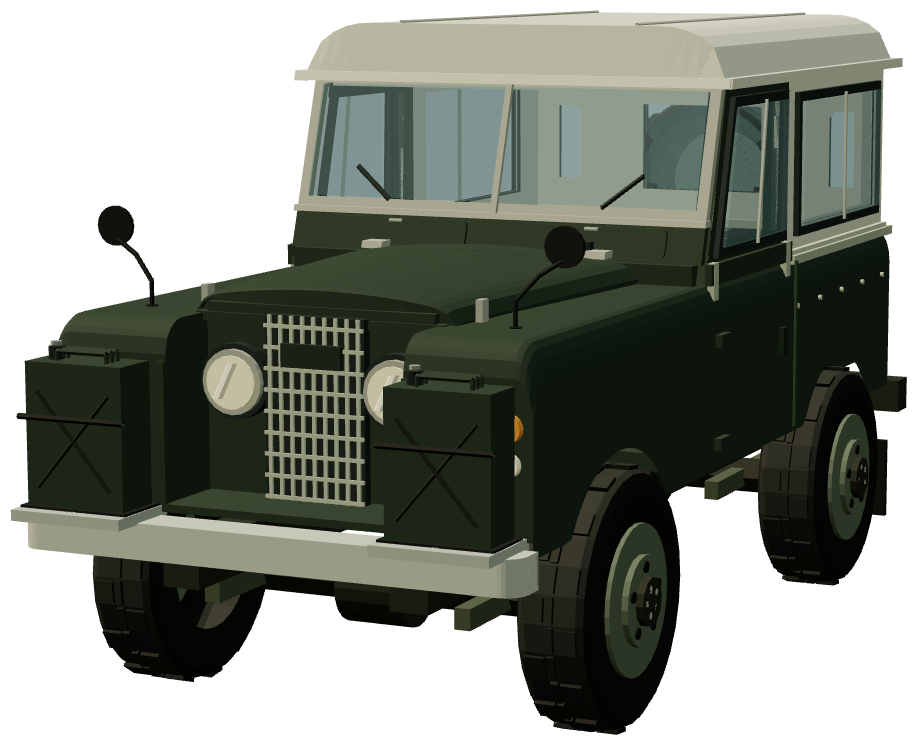
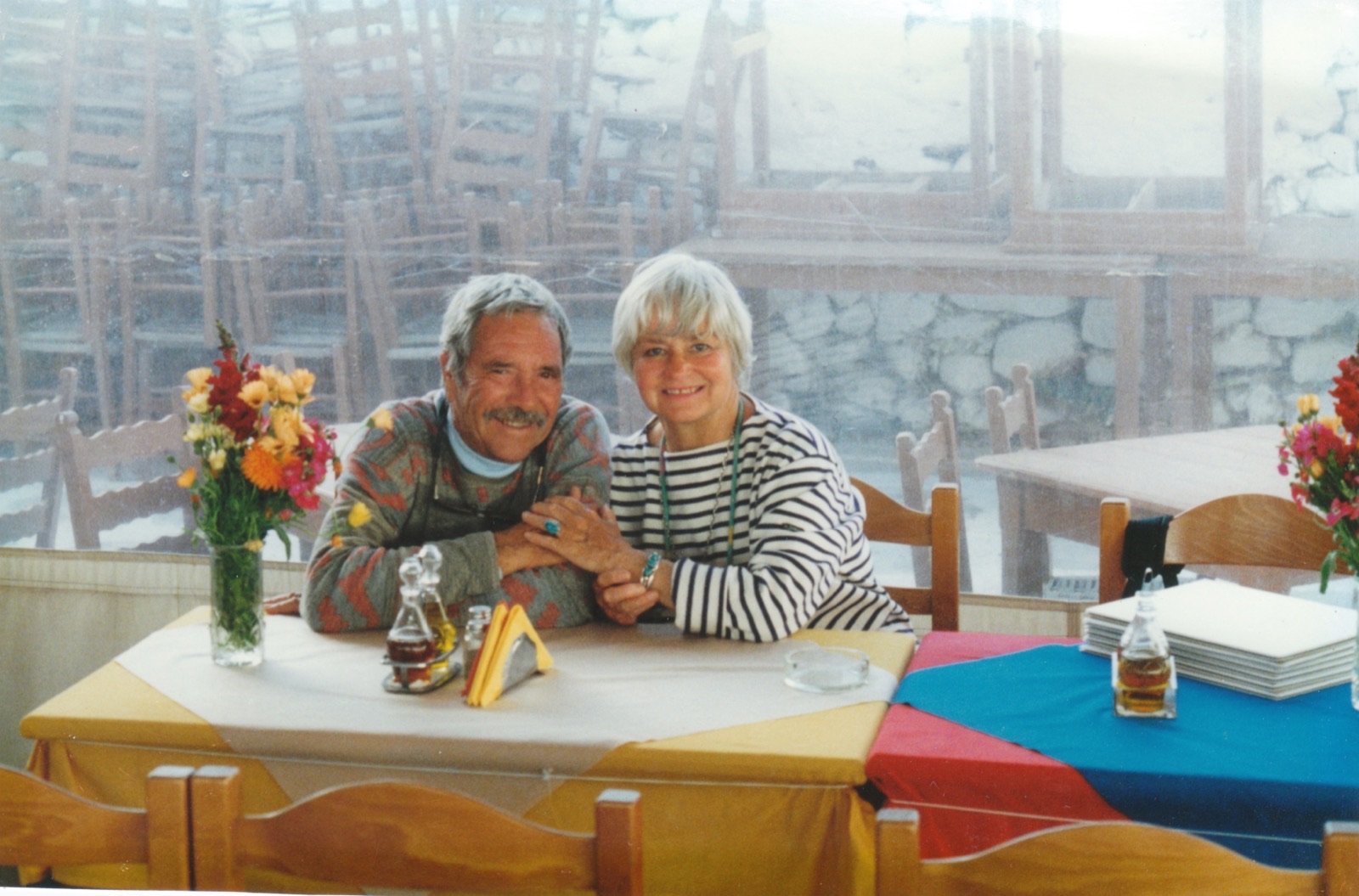
Helen and Frank Schreider had made their name driving an amphibious jeep from Alaska to Tierra del Fuego in 1954–56 and through Indonesia in 1962–63, freelancing for National Geographic. After the Indonesian journey the Society hired them as full-time staff and gave them the Great Rift Valley: the 'gash' that, as they wrote, spans a fifth of the earth's circumference and is in places more than fifty miles wide, from the Bible lands in the north deep into Africa where the fossils of earliest man had just been found — Louis Leakey's Homo habilis at Olduvai Gorge had been announced in 1964. Their vehicle this time was a Land Rover, fitted with bunks, an altimeter on the dashboard and a big fuel capacity: the main tank, two jerrycans on the bumper and seven five-gallon tins stacked inside gave almost seventy gallons. The same Land Rover, or its successor, carried them straight on from the Rift to their next assignment, 24,000 miles in the footsteps of Alexander the Great from Greece to India.
The published northern half opens in Lebanon, at Baalbek and on the Beirut beaches, and moves to Jordan, where King Hussein received the couple with his young sons, urged them to see the East Ghor Canal that runs through the Rift, and had them shown Petra. From Amman the altimeter slid from 2,400 feet to zero and off the bottom of its scale as they dropped into the Rift to the Dead Sea, 1,286 feet below sea level, then followed the Jordan upstream to the baptism site and went to Bethlehem on the Jordanian West Bank, where a candle-lit vigil before the silver star of the Nativity was, for them, 'the vigil'. South of the Dead Sea the valley led them down the Wadi Araba to Aqaba and the Red Sea. In Egypt they saw the Son et Lumière at Giza, drove the caravan pass from the Red Sea to Luxor and stood before Queen Hatshepsut's reliefs of the expedition to Punt, an ancient Rift journey; there, at the hotel, the American consul telephoned that the Sudanese visas had come through with a warning about bandits on the Sudan–Ethiopian border, and a cable directed them to enter Sudan by the Nile at Wadi Halfa, a thousand-mile detour away from the Rift.
Their petrol was waiting at Quseir on the Red Sea coast, so they gambled on driving the rest of Egypt's Rift shore south to the frontier. Beyond the end of the tarmac the trail across the Nubian Desert to the border post at Halaib had been erased by sand; they drove in circles, retraced vanished tracks, and realised they were lost, with the temperature in the cab at times reaching 120 degrees and a thirty-minute sandstorm caking the windows. Frank serviced the Land Rover, changed its dust-thickened oil and cleaned its air filter, measured the fuel and weighed the point of no return; they camped under a thorn tree with a gazelle for company and went on south by compass, covering 175 miles on the second day over salt-hard flats, soft sand and rock, tracing a dead riverbed through the mountains with ostriches fleeing ahead, before reaching Halaib and Port Sudan. Helen's photographs of the desert, the Bedouin and Port Sudan illustrated the article.
The southern half of the journey — Sudan and the Ethiopian frontier, the East African lakes, Uganda and the Olduvai country — was not published as a separate article in the sources fetched; the Schreiders' own text says only that months later and 5,000 miles upstream they would see the Nile in its youth raging through the cleft at Murchison Falls, and their East African wildlife photographs were used in the Society's 1969 book 'Animals of East Africa'. The couple went on to Taiwan and the Amazon for the Society before leaving in 1970; Frank died in 1994 and Helen in 2025, aged 98.