The expedition
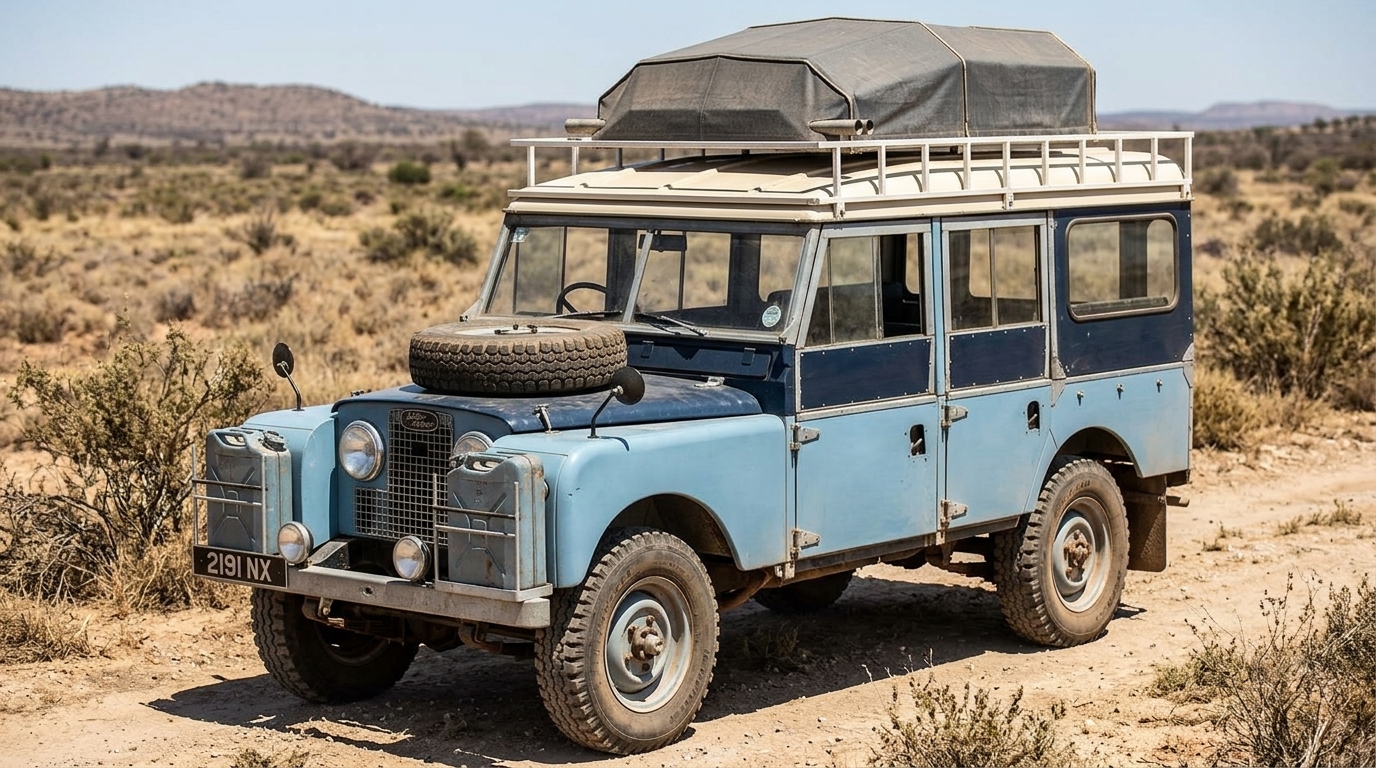
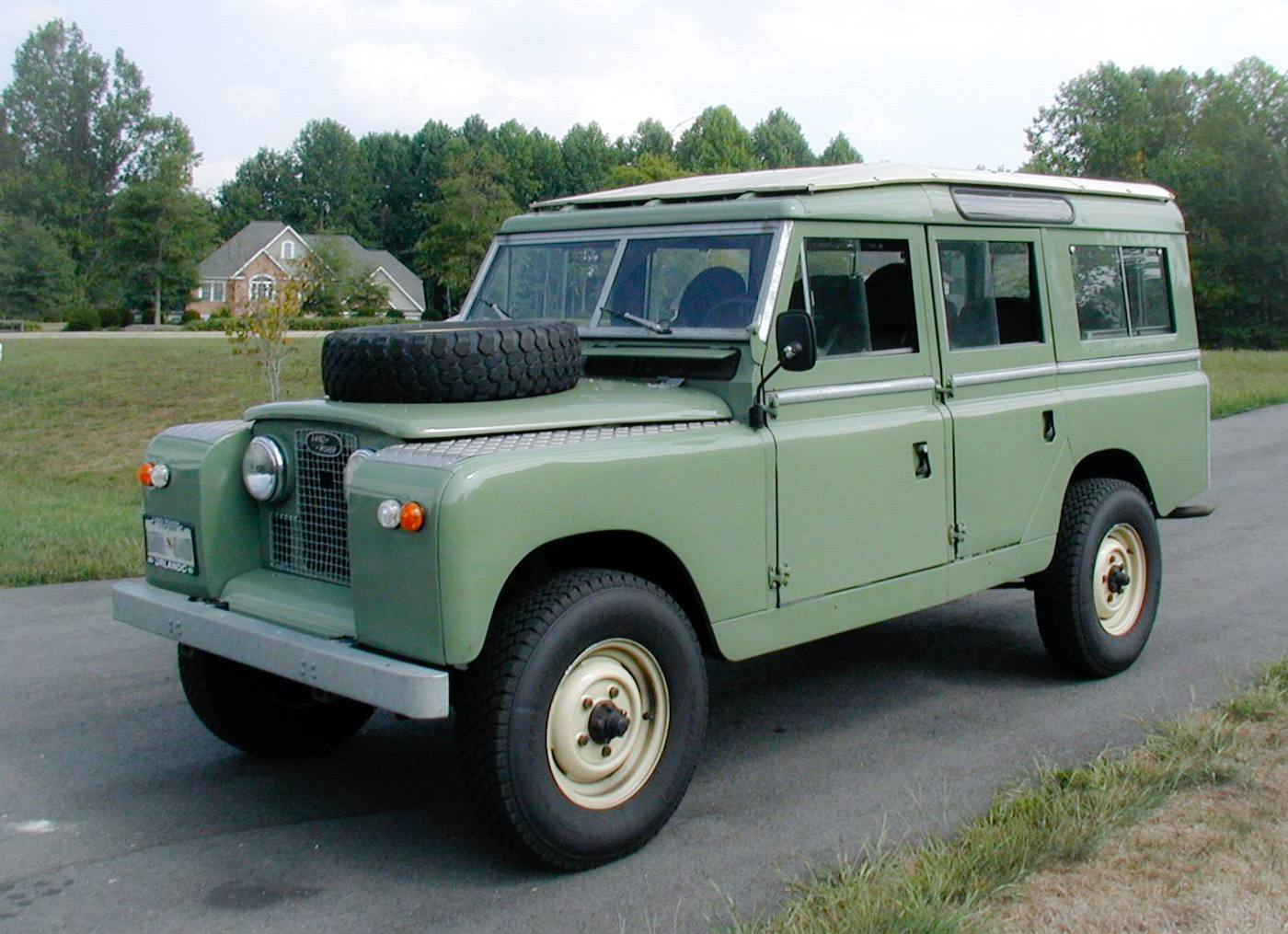
Tony Jones, who had done a three-year army commission, and Harry Marsh, a foundry worker, had set out for India with two friends in the summer of 1963 and got no further than a German campsite, where a petrol stove exploded and put both men in hospital with burns. From their hospital beds they planned the next attempt; the other two took the money and Jones and Marsh kept the fully equipped long-wheelbase Land Rover. It took Jones more than a year to heal and organise the trip, working out the itinerary and advertising in The Times of 17 February 1964 for passengers to share the cost of an 'Encounter Overland' expedition to India, while Marsh worked on the Land Rover. They had read every book in the library on the countries in between and found First Overland, the Oxford and Cambridge account, no use to people who could not stay with relations in the Foreign Office; Jones said years later that they 'wrote the book'.
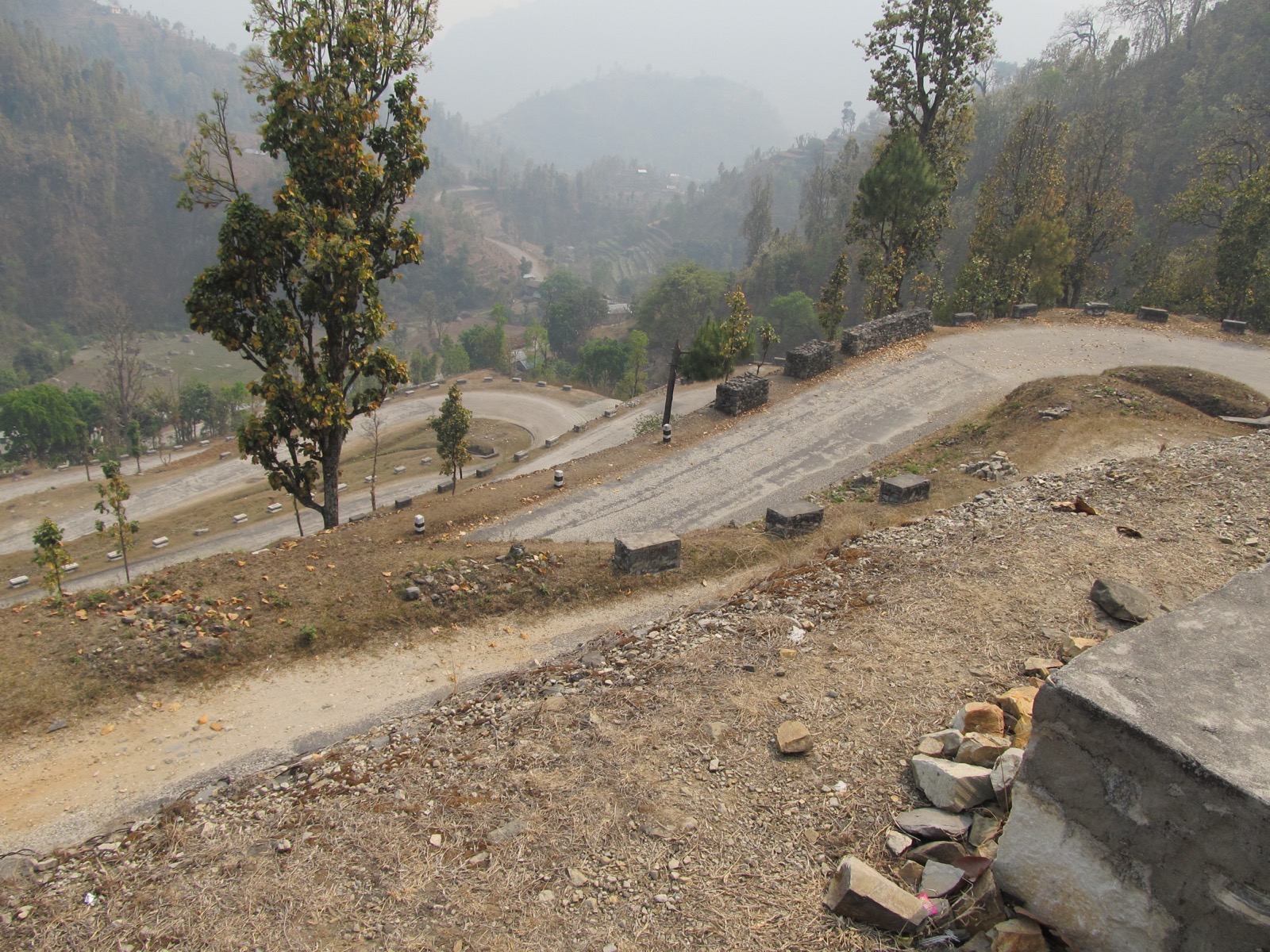
Eight people left Marsh's mother's house on 5 October 1964 in the one Land Rover: Jones, Marsh, three Australians (Ross, Max and Helen) and three English girls (Judith, Sarah and Susan), with 28 lb of potatoes bought in Dover. They camped at Brussels and Koblenz, met the first snow of the year on the Brenner, and went by Venice, Split and Dubrovnik into Greece, where they spent a week around Meteora, Athens, Mycenae, Sounion and Marathon, reaching Istanbul on 2 November with 4,000 miles on the clock. From Istanbul they went down the Aegean coast by Sardis and Ephesus to Iskenderun, into Syria on 16 November, spent five days at Tripoli in Lebanon and then Damascus, and crossed into Jordan to Jericho, Jerusalem and Petra. A rough desert crossing brought them down the Euphrates to Basra on 10 December and back up to Baghdad, then into Iran by Tehran, Isfahan, a Christmas Day at Kerman and 120 spring-shattering miles to Bam, and over the Mirjaveh border to Quetta on 28 December. They saw the New Year in at Ghazni, spent a few days in Kabul buying Afghan coats, crossed the Khyber Pass in daylight to Peshawar and Lahore, and were in Delhi on 10 January 1965. Through Varanasi, Patna and Motihari they entered Nepal on Jones's birthday, 23 January, climbed the hairpins of the Tribhuvan Rajpath and drove into Kathmandu on 24 January, Marsh's 24th birthday, where a large bare room cost four rupees a night. Two days later they heard of Churchill's death.
The passengers dispersed and the diary pages for the next fortnight are lost. Jones and Marsh drove to Orissa, where a Raja of Parikud they met on a railway platform took them on a round of palaces, temples and duck-shooting at Konark, Puri, Cuttack and Talcher that lasted most of February. In Calcutta in March the Land Rover waited three weeks for a piston flown out by BOAC; it arrived on 24 March and they drove on into East Pakistan, reaching Dacca on 28 March. There, through the Baptist Mission, they sold the Land Rover to a missionary, Mr Moore, for about £325 after three weeks of bank, mission and customs paperwork and eighteen forms; Marsh watched him drive it away with his four sons on 16 April 1965, then flew to Calcutta and sailed from Bombay on 9 May. Marsh reckoned that with what they now knew they could have done the trip in a new diesel Land Rover and made a profit.
Jones went on to found Encounter Overland, which began operating with Austin K9 trucks in 1967 (its first paying Kathmandu trip cost US$150 a head), ran two more Land Rovers, KXE 4D and KUV 882D, out to Madras in the autumn of 1969 for reconnaissance expeditions in Malaysia, Thailand, Cambodia and Laos before selling them in Penang, and became one of the great names of the overland trade until Dragoman took it over in 2001. Marsh's diary was typed up and published on the company's archive website in 2018, with a postscript he wrote in 2016.