The expedition
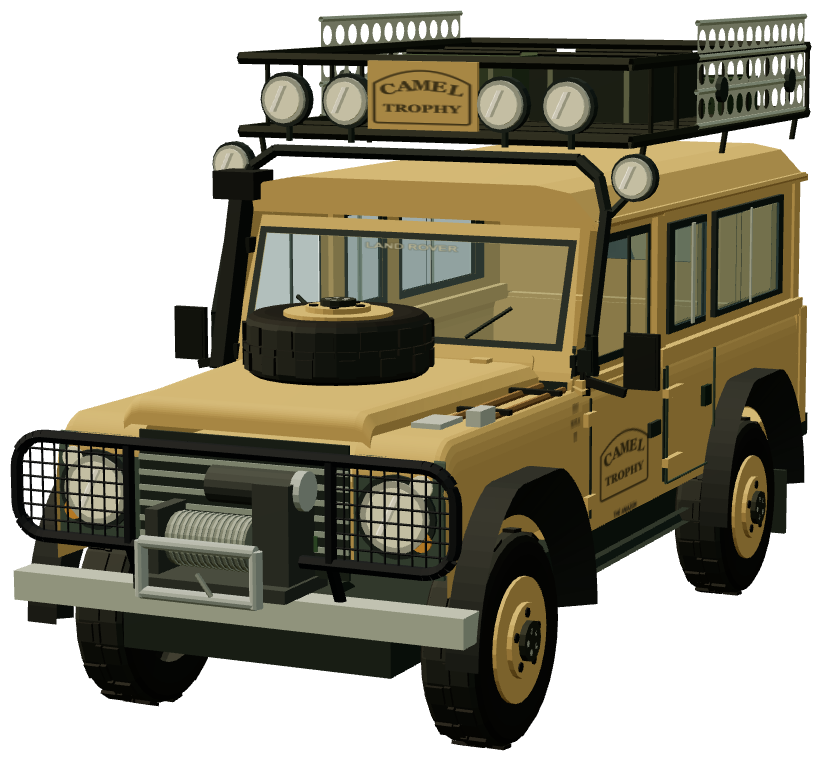
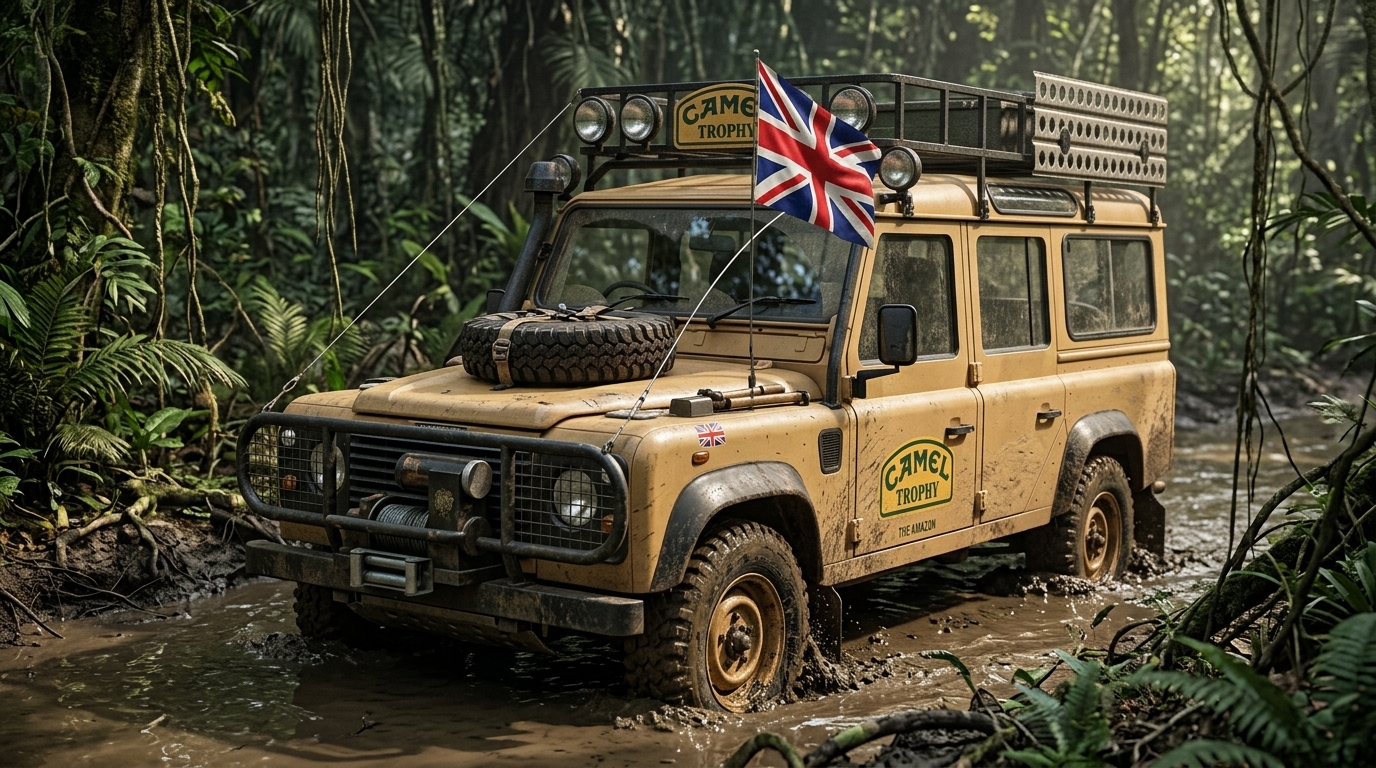
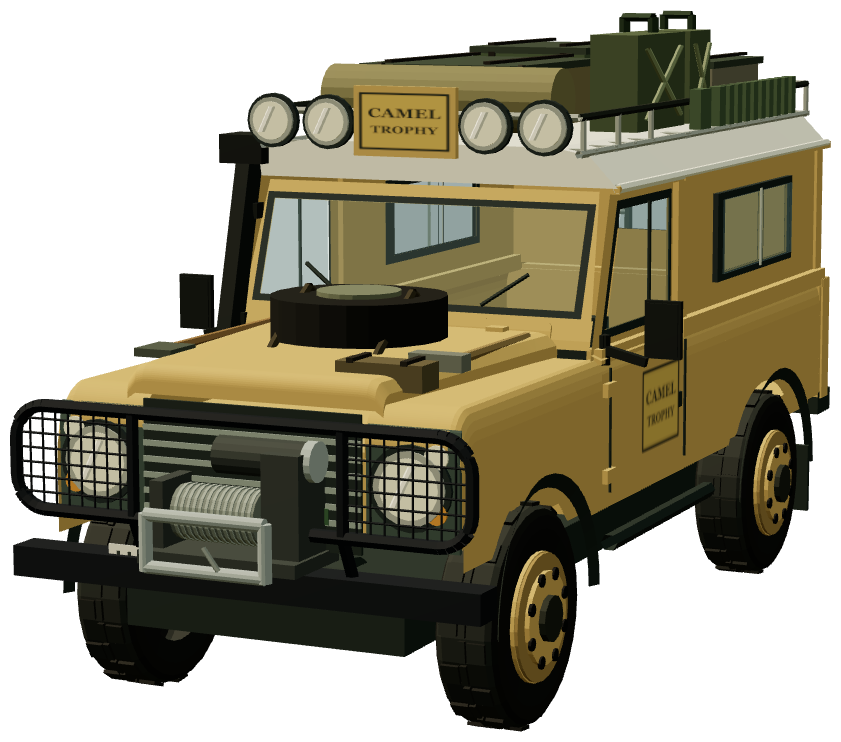
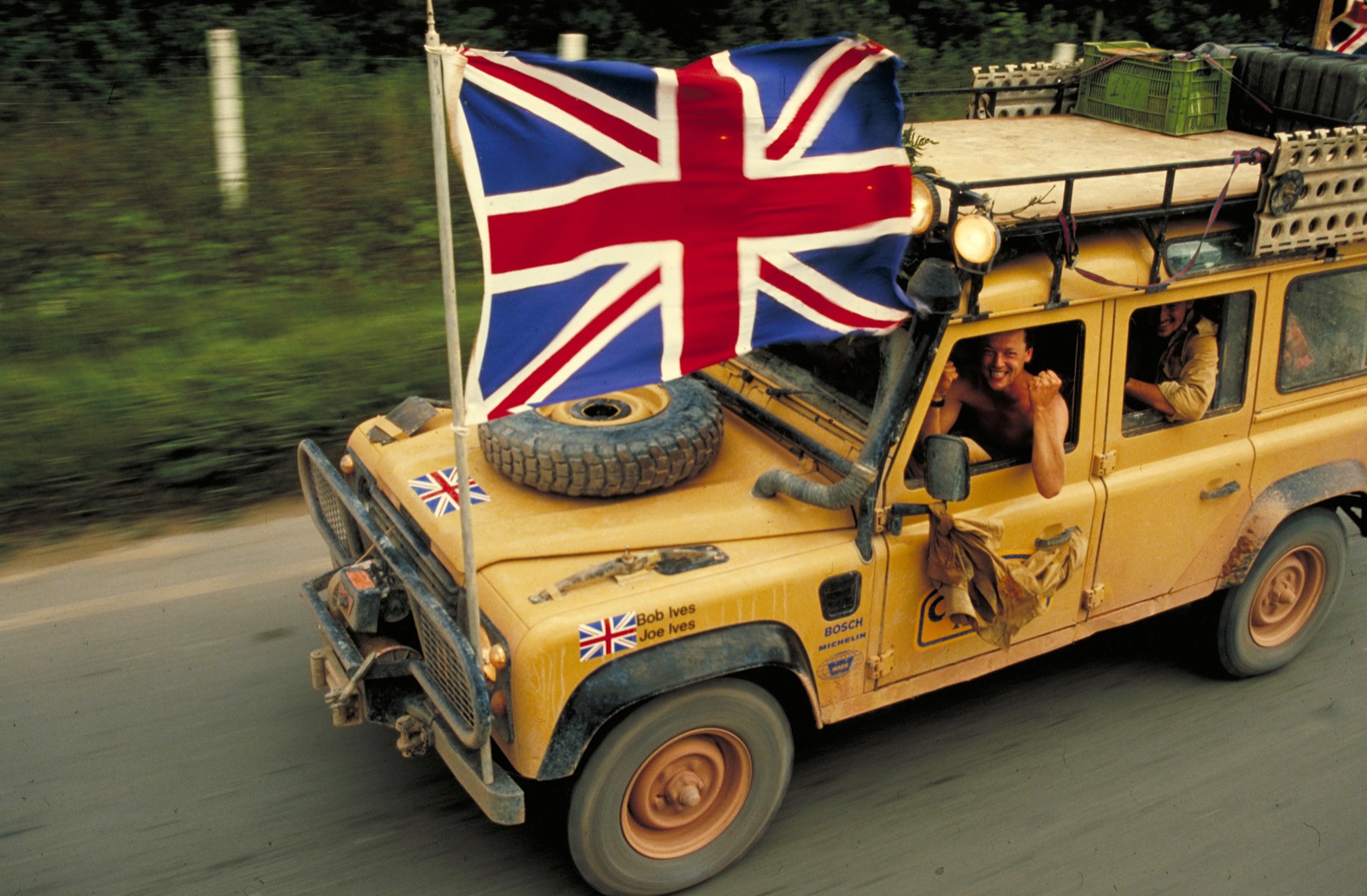
The Camel Trophy had begun in 1980 with three German teams in Jeeps on the Transamazônica, and for its tenth event the organisers took it back to its roots — for the third time in the Brazilian Amazon, after 1980 and 1984 — with the schedule chosen to coincide with the height of the rains. Locals said the route from Alta Floresta to Manaus could not be done in the wet season by anything with less than 500 horsepower, eight-foot balloon tyres or tracks, and ran a book at frightening odds against it. Fourteen countries sent teams: Argentina, Belgium, Brazil, the Canary Islands, France, West Germany, Holland, Italy, Japan, Spain, Switzerland, Turkey, the United Kingdom and, for the first time, Yugoslavia. The cars were the sandglow Land Rover One Ten turbo diesel station wagons of the previous year, right-hand drive, with raised air intakes, roof racks carrying sand ladders, water and kit, four spot lamps, spades on the wings, a new front bar with a winch and a spare wheel on the bonnet; the support fleet was One Tens too. Bob Ives, a Hampshire farmer who had reached the British final selections every year since 1985, was paired with his brother Joe.
The convoy left Alta Floresta on Wednesday 29 March 1989, crossed the river by ferry fifty kilometres out and ran 251 km on the first day; the French crew, Yvan Dorier and Bernard Duc, kept a diary that shows what followed. On the second day ten Land Rovers stuck in the second mud-hole and only four got out that day: 140 km. Then 67 km, then 31 km on 1 April when a three-kilometre bog swallowed every leading vehicle and four tractors pulled the convoy clear at two in the morning, the same day an Argentine journalist was flown out by helicopter. The dry-season dust of the BR-163 had become a potter's clay the Brazilians called duropox — impossible to stand on, a lopsided skating rink to drive on, and bottomless — and the giant lorries that use the road in the dry were stranded mid-track, wallowing until the next dry season. 'There were stretches where we put two anchored cars pulling another one and nothing happened,' the Brazilian Ricardo Simonsen recalled; in one pull the whole front of the German car came off, bumper, winch and all. It rained five hours a day on average, seven hours without a break on 6 April when the convoy made 15 km on sand ladders, and for several days it barely moved two or three kilometres; one 24-hour period yielded 800 metres, and that only with a huge winch-equipped tractor. Between the bogs came a wrecked bridge forded instead, a fallen trunk cut up with the help of stranded lorry drivers, and one dream stretch at 90 km/h. From 7 to 9 April the convoy ran non-stop day and night to make up time, 336 km, turning east along the Transamazônica for fifty-odd kilometres and then north on the last section of the BR-163 to Santarém. From 10 to 12 April a barge carried everyone across the Amazon to Itapiranga on the north bank, and the convoy pressed on to Manaus, another 355 km; the first sight of the great river was something the teams never forgot. Special tasks on 13 and 14 April settled the placings, and the prize-giving was held under sheets of rain.
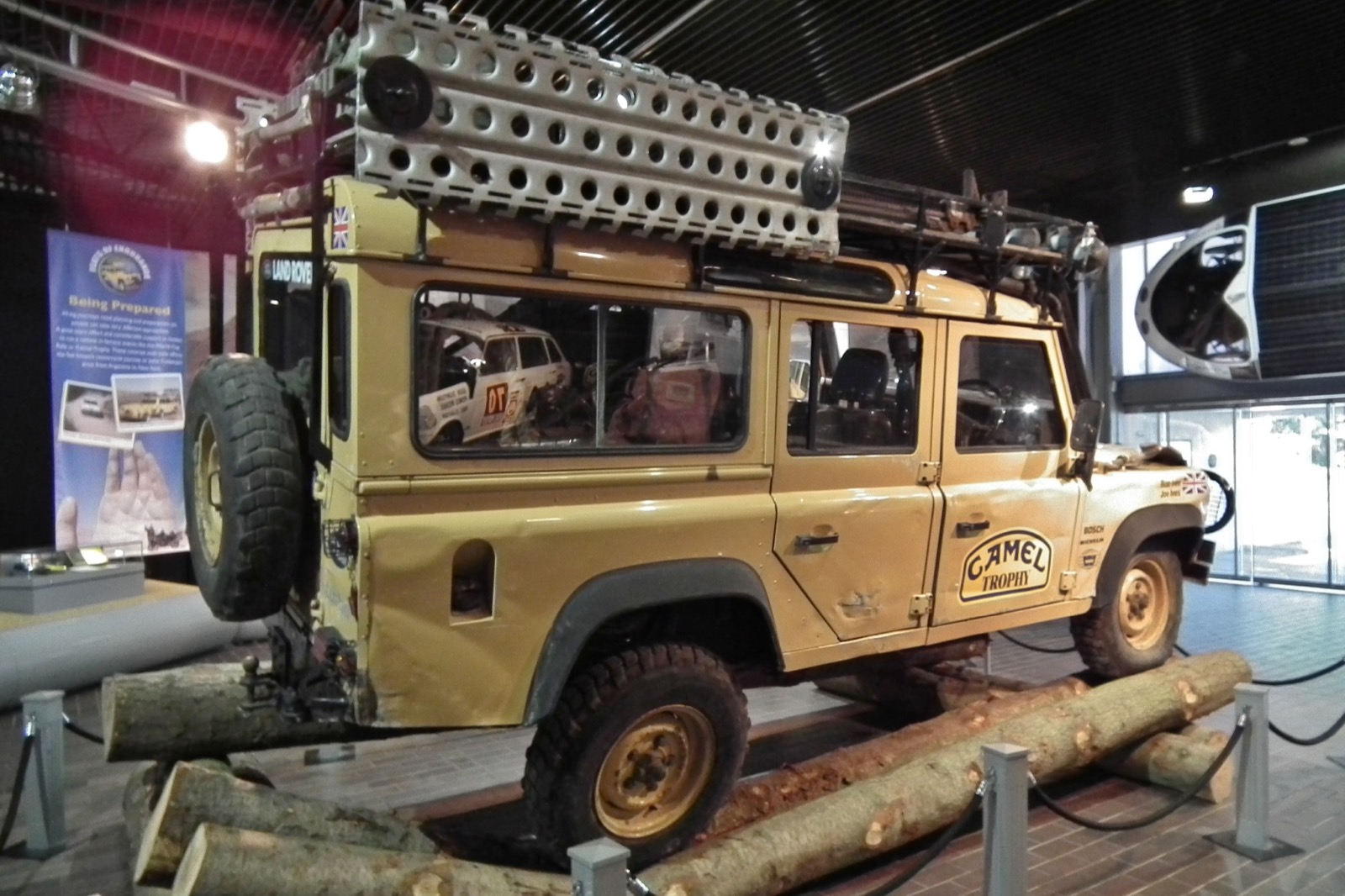
Bob and Joe Ives won by five points from the home team of Ricardo Simonsen and Alfonso Celso-Baldrati, with Spain third; the Belgians, twelfth overall, were voted the Team Spirit Award. The first and only British victory in the 'Olympics of 4x4' made headlines and earned the brothers the Royal Automobile Club's Segrave Trophy 'for victory in the off-road marathon the Camel Trophy, with its 1,062-mile route through the Brazilian rainforest from Alta Floresta to Manaus'. The Ives brothers bought their battered but mechanically sound One Ten, and it is displayed, mud, sand ladders and their names on the wing intact, at the National Motor Museum at Beaulieu; Bob Ives went on to advise the BBC's Top Gear and The Grand Tour on off-road filming. The Camel Trophy Club regards 1989 as the toughest event ever run, and 'often regarded by enthusiasts as one of the best'. The following year the Trophy went to Siberia in the new Discovery, and the One Ten's Camel Trophy career was over.

.jpg)